Best Replacements for Lost Earring Backs: Complete Buying Guide
Discover the best replacements for lost earring backs. Our buying guide covers secure locks, silicone grips, and hypoallergenic metal options.

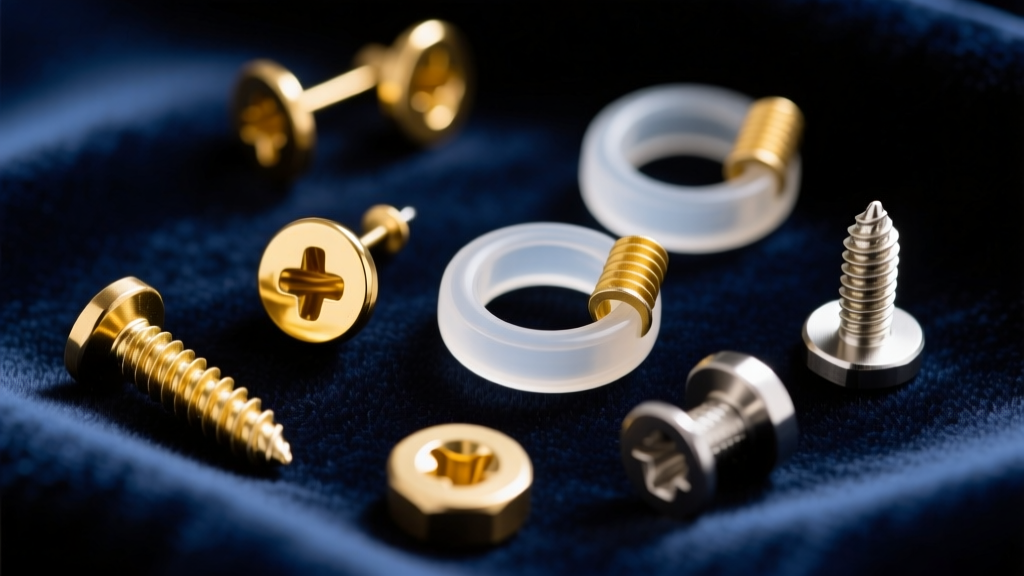
There are few jewelry-related moments more panic-inducing than reaching up to touch your earlobe and feeling nothing but bare skin. Losing an earring back doesn't just mean risking the loss of a beloved diamond stud or sentimental gold hoop; it often leaves you with an exposed, sharp post that can scratch your neck or snag on clothing. Fortunately, replacing lost earring backs is a straightforward process, provided you understand the mechanics of earring posts, material compatibilities, and the specific security levels required for your lifestyle.
This comprehensive buying guide will walk you through the exact specifications you need to look for when replacing lost earring backs, ensuring your jewelry stays secure, comfortable, and hypoallergenic.
The Anatomy of Earring Security: Why Backs Fail
Before purchasing replacements, it is crucial to understand why your original backs failed. The standard "butterfly" or push-back relies on metal tension. Over time, the prongs on these backs spread apart due to the repetitive friction of pushing them on and pulling them off. Furthermore, the tiny groove on the earring post designed to catch the prongs can wear down, especially on softer metals like 18k or 22k gold. When you are searching for replacements for lost earring backs, avoiding standard friction backs for heavy or valuable jewelry is the first rule of thumb.
Top Replacement Options for Lost Earring Backs
Not all earring backs are created equal. The right choice depends on the weight of your earring, the thickness of your earlobe, and your willingness to maintain the hardware. Below is a breakdown of the most effective replacement options available on the market.
| Back Type | Security Level | Best Material | Price Range (per pair) | Best For |
|---|---|---|---|---|
| Screw Backs | High | 14k/18k Gold, Platinum | $30 - $80 | Valuable studs, active lifestyles |
| Locking Backs (e.g., LaPrelle) | Very High | 18k Gold, Surgical Steel | $45 - $120 | Heavy drops, high-carat diamonds |
| Silicone O-Rings | Medium | Medical-Grade Silicone | $5 - $15 (bulk) | Temporary fixes, casual wear |
| Silicone Bell Backs | Medium-High | Medical-Grade Silicone | $10 - $20 (bulk) | Thick lobes, comfort seekers |
| Friction/Push Backs | Low-Medium | White Gold, Platinum | $15 - $40 | Lightweight, everyday small studs |
The Thread Pitch Dilemma with Screw Backs
If you have lost a screw back, you cannot simply buy any generic screw back. Screw backs rely on a specific thread pitch (the distance between the threads on the post). Standard jewelry thread pitches are typically 0.5mm or 0.8mm. If you attempt to force a 0.8mm nut onto a 0.5mm post, you will strip the threads and ruin the earring post permanently. Always buy screw-back replacements directly from the original jeweler or a specialized findings supplier that guarantees pitch matching.
Material Grades & Hypoallergenic Requirements
When replacing lost earring backs, the material of the back must be compatible with the post and your skin's sensitivity. The skin on the back of the earlobe is highly susceptible to contact dermatitis, particularly from nickel exposure. According to the Mayo Clinic, nickel allergy is one of the most common causes of allergic contact dermatitis, often triggered by prolonged skin contact with jewelry findings.
Safe Metals for Replacement Backs
- ASTM F-136 Titanium (Grade 23): The gold standard for sensitive ears and fresh piercings. It is completely nickel-free, lightweight, and highly resistant to corrosion. The Association of Professional Piercers (APP) highly recommends implant-grade titanium for all body jewelry.
- Niobium: Another highly biocompatible, nickel-free metal that is an excellent choice for custom replacement backs, especially for those who cannot tolerate even trace alloys in white gold.
- Solid 14k or 18k Gold: Ensure the gold alloy is nickel-free (often alloyed with palladium or silver instead of nickel for white gold). Avoid gold-plated brass or copper backs, as the plating will eventually wear off, exposing the reactive base metal to your skin.
Materials to Avoid
Steer clear of generic "surgical steel" or "stainless steel" replacement backs if you have sensitive skin. While 316L surgical steel is common in inexpensive jewelry, it contains up to 10-14% nickel. The sweat and oils from your skin can cause nickel ions to leach out, resulting in an itchy, weeping rash behind the earlobe.
Sizing Matters: Matching Gauge and Post Length
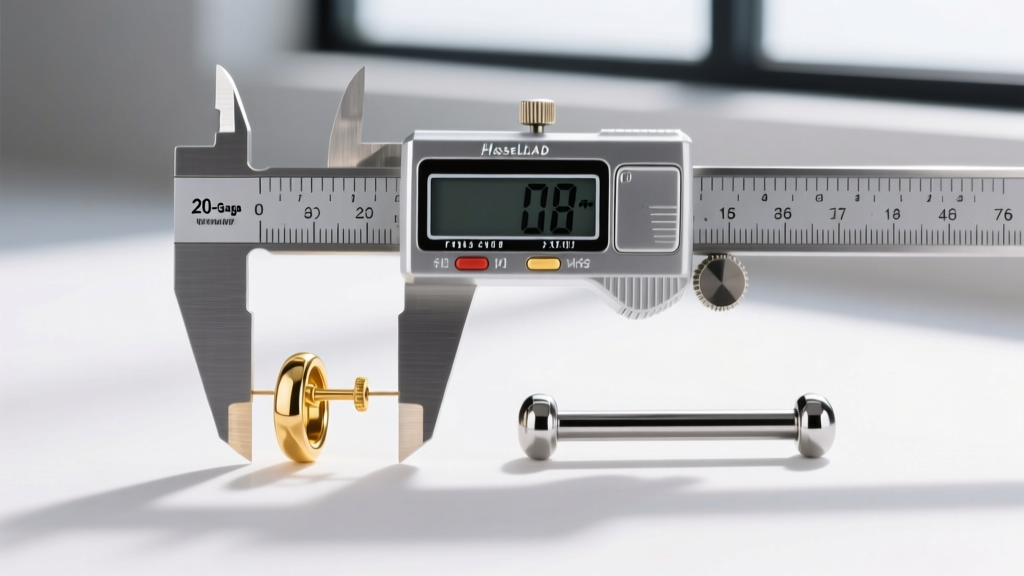
A common mistake when buying replacements for lost earring backs is ignoring the thickness (gauge) and length of the earring post. If the hole in the replacement back is too large, it will slide right off. If it is too small, you will bend the post trying to force it on.
Standard Gauge Sizes
- 22-Gauge (0.64mm): Used for very delicate, lightweight diamond or gemstone studs. Requires specialized, tiny friction backs or micro-silicone O-rings.
- 20-Gauge (0.81mm): The industry standard for most commercial lobe earrings. Most replacement backs sold in retail stores are designed for 20g posts.
- 18-Gauge (1.02mm) & 16-Gauge (1.29mm): Common for cartilage piercings (helix, tragus) and heavier, high-end artisan lobe jewelry. Standard push-backs will not fit these posts; you must look for 16g/18g specific locking backs or flat-back labret nuts.
Post Length and Earlobe Thickness
Standard earring posts are 6mm to 8mm long. If you have thicker earlobes, a standard post will not leave enough room for a secure backing, causing the back to press tightly against the skin, restricting blood flow and causing swelling. If your post is 10mm or 12mm, you must purchase "long post" compatible backs, or better yet, use silicone bell backs that can slide up and down the post to accommodate varying lobe thicknesses.
Expert Troubleshooting: Heavy Earrings and Swollen Lobes
If your original backs were lost because the heavy weight of a drop earring pulled the post downward, causing the back to slip off, replacing the back alone won't solve the physics problem. Heavy center-of-gravity earrings require mechanical support.
"When a client loses a back on a heavy chandelier or large hoop earring, I never recommend a standard metal push-back. The leverage of the heavy front piece acts as a fulcrum, slowly prying the metal prongs open. You must use a locking mechanism or a silicone support pad to distribute the weight across the back of the lobe."
— Master Bench Jeweler
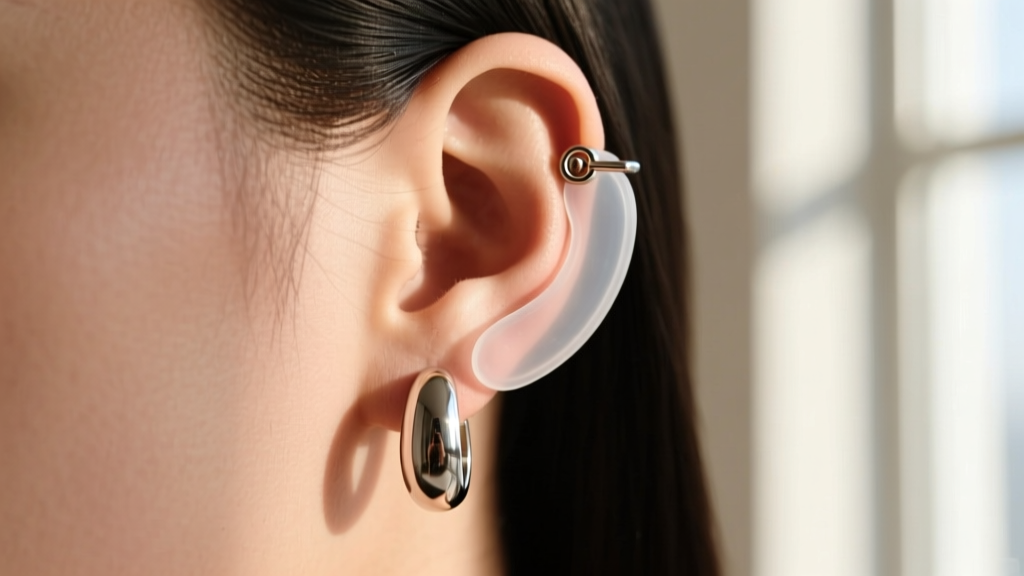
For heavy earrings, purchase silicone ear support pads (often called Ear Bobs or lobe patches). These are small, medical-grade silicone discs that slide onto the post before the earring back. They distribute the weight of the earring across a wider surface area of the earlobe, preventing the earring from drooping and keeping the locking or screw back securely in place without digging into your skin.
Where to Buy High-Quality Replacement Backs
Avoid buying bulk, unbranded metal earring backs from general craft stores or unverified online marketplaces, as these are almost always made of nickel-containing base metals with poor tension control. Instead, source your replacements from reputable jewelry findings suppliers or specialized brands:
- For Locking Backs: Brands like LaPrelle or Secure-Lok offer patented, double-locking mechanisms that grip the post and snap shut, making them virtually impossible to lose without manually pressing the release levers.
- For Silicone Options: Look for medical-grade, UV-resistant silicone O-rings from specialized piercing supply shops. Note that silicone degrades over time due to skin oils and UV exposure; plan to replace silicone backs every 4 to 6 months.
- For Precious Metal Screw Backs: Contact the original jeweler or a specialized findings manufacturer like Stuller or Rio Grande (if you have a trade account), or seek out Etsy jewelers who custom-machine 14k gold screw backs to match your specific post thread pitch.
Final Thoughts on Securing Your Jewelry
Dealing with lost earring backs is an inevitable part of jewelry ownership, but it doesn't have to result in lost earrings or irritated skin. By understanding the gauge of your posts, prioritizing hypoallergenic materials like ASTM F-136 titanium, and upgrading to mechanical locking or threaded screw systems, you can ensure your favorite pieces stay exactly where they belong. Invest in high-quality replacements today, and you will never have to panic over a bare earlobe again.


