Expert Care & Cleaning Guide for Gold Hoop Pearl Earrings
Learn how to safely clean, store, and maintain your gold hoop pearl earrings. Expert tips on protecting delicate nacre and gold alloys.

The Dual Vulnerability of Organic Gems and Precious Metals
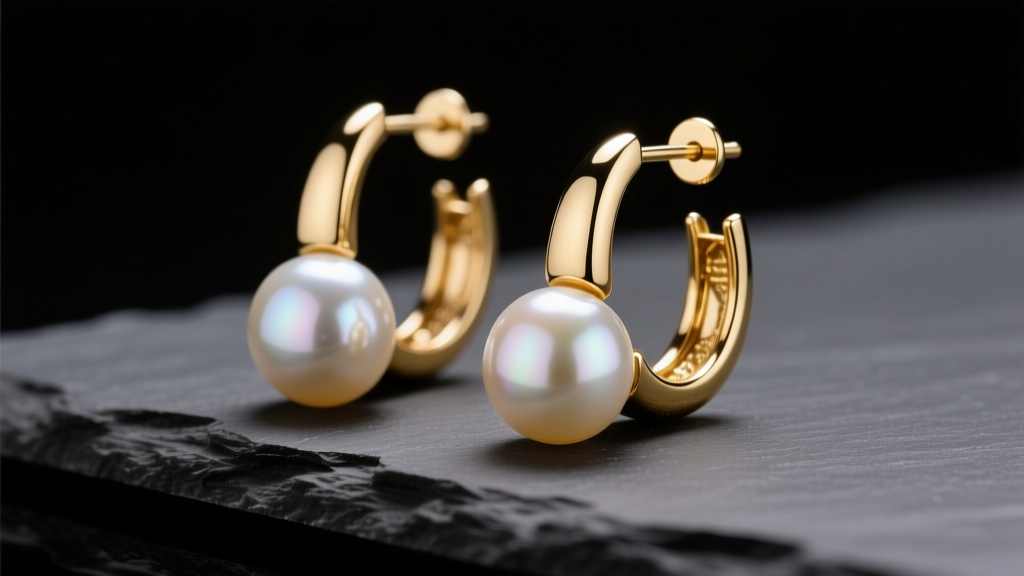
Gold hoop pearl earrings represent a fascinating intersection of metallurgy and organic gemology. While the gold hoops provide structural integrity and a luxurious frame, the pearls introduce a layer of extreme fragility that demands specialized maintenance. Unlike diamond or sapphire studs, pearls are organic gems composed primarily of calcium carbonate (aragonite) and a protein called conchiolin. This unique biological makeup means that standard jewelry cleaning methods—such as ultrasonic baths or harsh chemical dips—will irreversibly destroy the nacre, leaving your earrings dull, pitted, and structurally compromised.
As we navigate jewelry care best practices in 2026, the consensus among gemologists is clear: the intersection of gold and pearl requires a bifurcated approach. You must clean the metal without exposing the organic gem to corrosive agents, and you must protect the pearl's luster without compromising the adhesive bonds that hold it to the gold setting. This comprehensive guide will walk you through the exact material science, cleaning protocols, and structural maintenance required to preserve your gold hoop pearl earrings for generations.
The Material Science: Understanding Nacre and Gold Alloys
To properly care for your earrings, you must first understand the physical properties of the materials involved. On the Mohs scale of mineral hardness, pearls rank between 2.5 and 3.0. This makes them exceptionally soft; even a scratch from a gold chain or a fingernail can mar the surface. Furthermore, pearls are highly sensitive to acids. Human sweat typically has a pH ranging from 4.5 to 7.0, and prolonged exposure to this mild acidity will slowly dissolve the calcium carbonate layers, stripping the pearl of its orient and luster.
Conversely, the gold hoops are usually crafted from 14k or 18k gold alloys. Pure 24k gold is too soft for hoop earrings, which require tensile strength to maintain their circular shape and clasp tension. 14k gold (58.5% pure gold) is alloyed with metals like copper, silver, and zinc, making it highly durable but susceptible to tarnishing when exposed to sulfur or chlorine. 18k gold (75% pure gold) offers a richer color but is softer and more prone to micro-scratches. According to the Gemological Institute of America (GIA), the porosity of pearls means they will absorb chemicals that might otherwise just sit on the surface of a gold alloy, making the pearl the limiting factor in any cleaning equation.
Step-by-Step Cleaning Protocol for Gold Hoop Pearl Earrings
Never submerge gold hoop pearl earrings in water. Most pearls on hoop settings are mounted using a cup-and-post design, secured with jeweler's epoxy or UV-cured resin. Prolonged exposure to water, especially warm water, will degrade this adhesive bond, causing the pearl to detach and potentially shatter on a hard floor. Instead, follow this targeted, dry-to-damp cleaning methodology.
Phase 1: Dry Dusting and Inspection
Before introducing any moisture, remove surface dust and skin cells using a clean, dry camel-hair makeup brush or a specialized jewelry dusting brush. Gently sweep around the base of the pearl where it meets the gold cup. This junction is a prime trap for cosmetic powders and dead skin. While dusting, inspect the gold hoop for any signs of warping and check the clasp mechanism to ensure the tension is still secure.
Phase 2: The Targeted Damp Cloth Method
For smudges, fingerprints, or light sweat residue, use a lint-free microfiber cloth slightly dampened with distilled water. Tap water contains trace minerals and chlorine that can leave microscopic water spots on the pearl's surface. Wring the cloth out completely so it is barely damp, not wet.
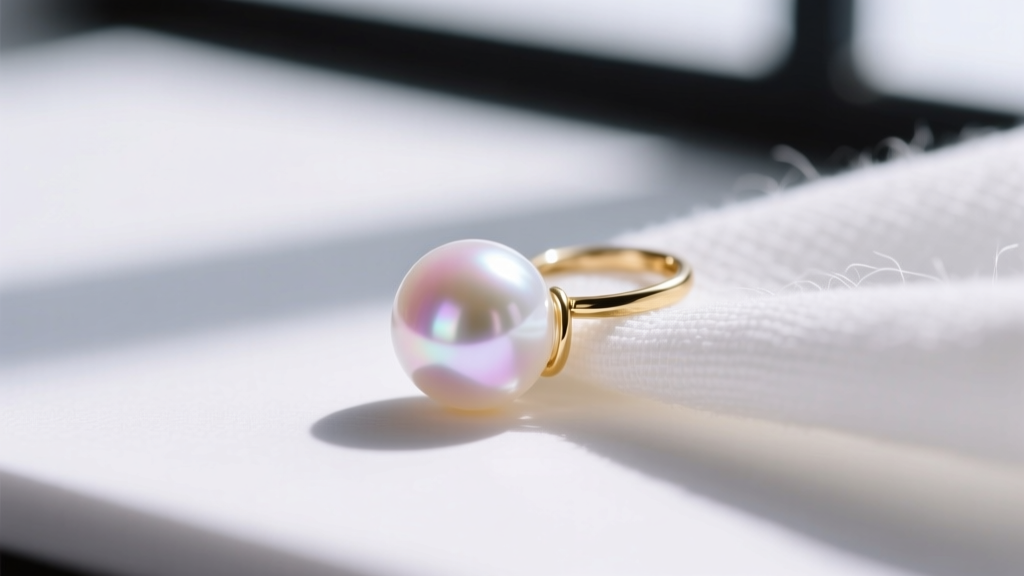
- Step 1: Gently wipe the gold hoop first, moving from the clasp down to the pearl setting.
- Step 2: Using a clean, dry section of the microfiber cloth, lightly buff the pearl in a circular motion. Do not apply heavy pressure.
- Step 3: If heavier grime is present on the gold (away from the pearl), apply a single drop of pH-neutral, phosphate-free castile soap to a cotton swab. Carefully trace the gold wire, avoiding any contact with the pearl or the adhesive cup.
- Step 4: Use a separate swab dampened only with distilled water to remove any soap residue from the gold, then immediately dry with a microfiber cloth.
Chemical Enemies: What Destroys Nacre and Gold Alloys
The most common way jewelry owners ruin gold hoop pearl earrings is by using commercial jewelry dips or ultrasonic cleaners. The American Gem Society explicitly warns against using ultrasonic waves on any organic gemstone. The high-frequency vibrations will cause internal fracturing in the nacre layers, leading to peeling and eventual disintegration. Below is a breakdown of common household chemicals and their catastrophic effects on your earrings.
| Chemical Agent | Effect on Pearl Nacre | Effect on 14k/18k Gold Alloy |
|---|---|---|
| Chlorine (Pools/Bleach) | Dissolves calcium carbonate; causes severe pitting | Pits copper alloys; weakens clasp springs |
| Ammonia (Glass Cleaners) | Strips the natural luster and orient | Safe for plain gold, but fatal to pearls |
| Ultrasonic Waves | Shatters internal aragonite structure | Safe for solid gold, but loosens settings |
| Hairspray & Perfume | Creates a dull, sticky film that blocks light | Traps moisture against the metal, causing tarnish |
| Baking Soda Paste | Acts as sandpaper; permanently scratches the surface | Removes tarnish but creates micro-scratches |
Structural Maintenance: Clasps, Posts, and Adhesives
Beyond cleaning, the physical mechanics of hoop earrings require periodic attention. The continuous movement of hoop earrings against the earlobe creates friction, which can slowly wear down the clasp mechanism. If your hoops use a hinged saddleback or a click-top clasp, listen for the audible 'click' when closing them. If the closure feels loose or requires manipulation to stay shut, the gold tension has fatigued, and the earring is at high risk of falling out.
Equally critical is the adhesive holding the pearl. Modern jewelers typically use two-part jeweler's epoxy for pearl settings, which offers superior shear strength compared to older cyanoacrylate (super glue) formulas. However, epoxy degrades over time when exposed to extreme temperature fluctuations and the natural oils of the skin. If you notice the pearl twisting on its post or see a visible gap between the pearl's base and the gold cup, stop wearing the earrings immediately. Attempting to clean a loose pearl will almost certainly result in it popping out of its setting.
Proper Storage to Prevent Micro-Abrasions
How you store your gold hoop pearl earrings is just as important as how you clean them. Because pearls rank at a mere 2.5 on the Mohs scale, storing them in a communal jewelry box alongside diamond studs, sapphire rings, or even other gold pieces will result in severe micro-abrasions. Diamonds (Mohs 10) will effortlessly carve deep gouges into a pearl's surface upon contact.
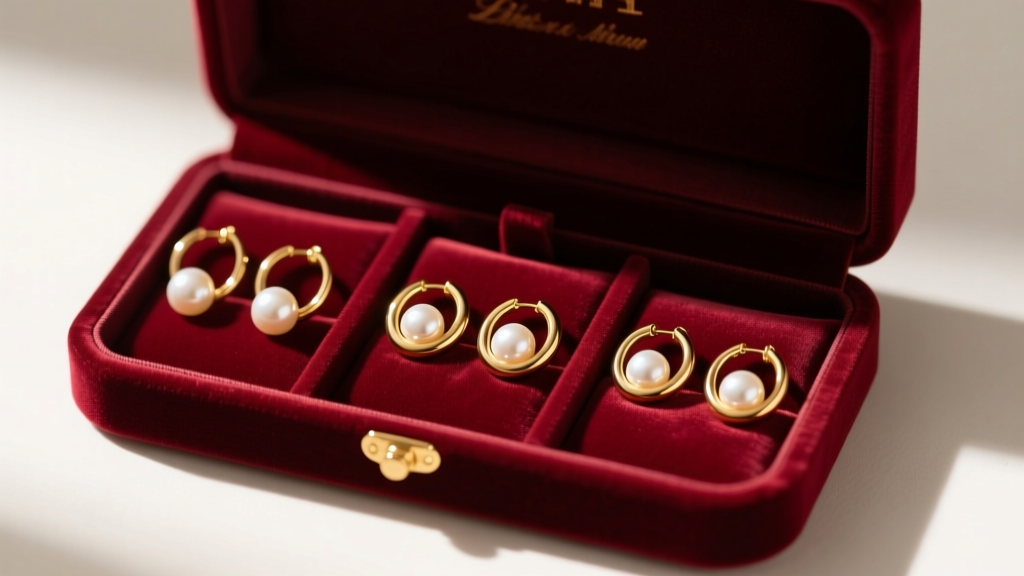
Always store your earrings in individual, soft-lined pouches or dedicated satin slots within a jewelry box. Ensure the environment is slightly humid; pearls require trace amounts of moisture to prevent the conchiolin from drying out and cracking. Storing pearls in an airtight plastic bag or a bank safety deposit box for years without wear will cause them to dehydrate and develop a network of fine surface cracks, a phenomenon known in gemology as 'crazing'.
When to Seek Professional Jeweler Intervention
While routine maintenance can be performed at home, certain scenarios require the expertise of a professional bench jeweler. If your gold hoops have become misshapen or bent out of their perfect circular geometry, do not attempt to bend them back into shape with your hands. Uneven pressure can snap the solder joint at the clasp or crack the pearl setting. A jeweler can use specialized mandrels to gently re-round the gold wire without stressing the pearl mount.
Additionally, if your pearls have lost their luster despite proper cleaning, they may have suffered chemical etching from prolonged sweat exposure. In some cases, a master jeweler can carefully polish the very outer layer of the nacre to reveal the pristine layers beneath, though this is a high-risk procedure that should only be attempted on high-grade Akoya or South Sea pearls with thick nacre deposits. By adhering to these meticulous care standards, your gold hoop pearl earrings will remain a luminous, structurally sound staple in your jewelry collection for decades to come.


