Smart Earrings in 2026: When Wearable Tech Meets Fine Jewelry
Discover how smart earrings blend wearable tech with fine jewelry in 2026. Explore styles, materials, biometric tracking, and audio studs.

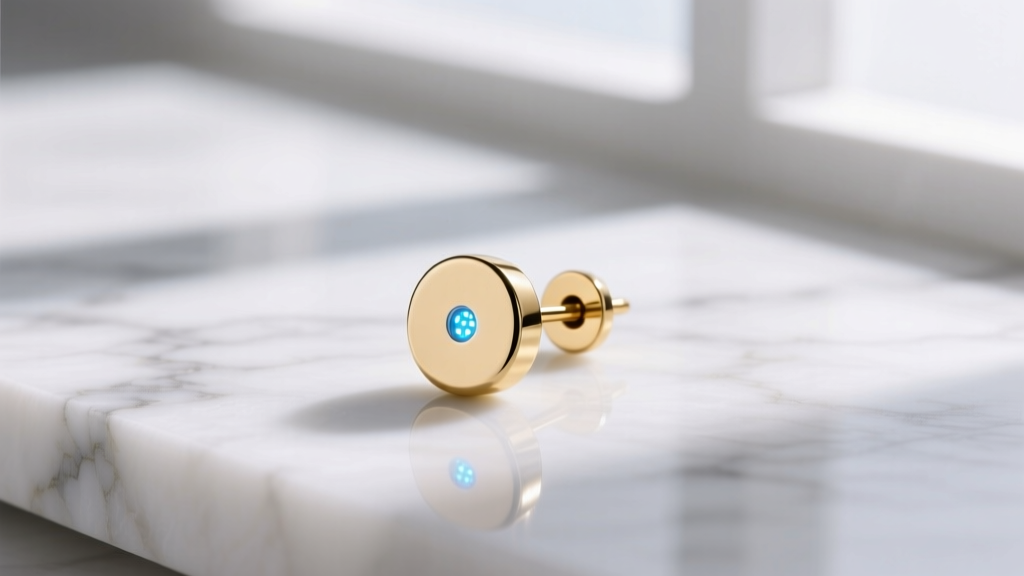
The intersection of high jewelry and wearable technology has finally matured. Gone are the days when "smart earrings" meant bulky, conspicuous Bluetooth headsets disguised as plastic hoops. In 2026, the miniaturization of micro-acoustics, biometric sensors, and solid-state batteries has birthed a new category of audio and health-tracking jewelry that rivals traditional fine jewelry in both aesthetics and craftsmanship. For the style-conscious consumer, smart earrings are no longer a compromise; they are a statement of tech-forward elegance.
The Anatomy of a 2026 Smart Earring
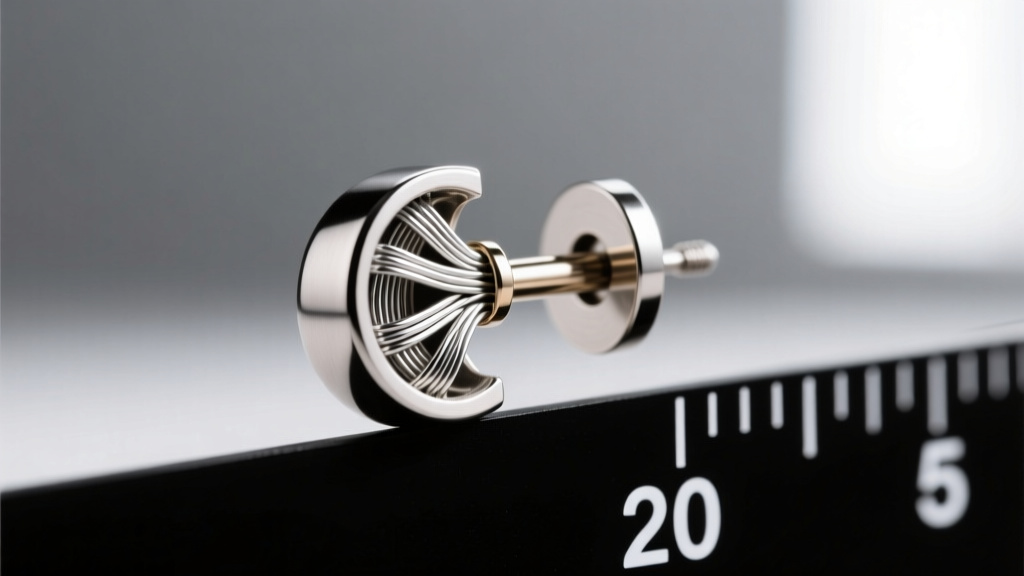
To understand the styling and functional limitations of smart earrings, one must first understand their internal architecture. Modern smart studs and drops rely on Bluetooth 5.4 LE (Low Energy) Audio chips, which require a fraction of the power of their predecessors. A standard smart earring stud houses a 12mAh to 15mAh micro lithium-ion battery, a directional bone-conduction or micro-dynamic speaker, and a capacitive touch sensor.
The primary engineering hurdle has always been the Faraday cage effect. Because metal blocks radio frequencies, a solid 14k gold or platinum housing would render the Bluetooth antenna useless. Today's leading designs solve this by utilizing a structural core of aerospace-grade polycarbonate or zirconia ceramic, which is then selectively plated or inlaid with 14k gold vermeil, enamel, or ethically sourced lab-grown diamonds. This allows the RF signal to pass through the non-metallic ceramic windows while maintaining the luxurious appearance of solid precious metals.
Material Science & Piercing Compatibility
When integrating electronics into body piercings, material safety is paramount. The earlobe is a highly vascular area, and prolonged contact with cheap alloys can cause severe contact dermatitis or galvanic corrosion when mixed with sweat and electrical currents.
Gauge Sizes and Post Thickness
Standard lobe piercings are typically 20-gauge (0.8mm) or 18-gauge (1.0mm). However, the internal wiring and micro-coaxial cables required for smart earrings demand more physical space. Consequently, almost all high-end smart earrings feature an 18-gauge (1.0mm) or 16-gauge (1.2mm) post. If your piercings are strictly 20-gauge, you may experience slight resistance when inserting a smart stud; a professional piercer can easily taper the fistula to accommodate the thicker tech-post.
The Titanium Mandate
Reputable tech-jewelry brands now exclusively use ASTM F136 implant-grade titanium for the post that passes through the ear. According to material standards outlined by ASTM International, this specific alloy is nickel-free and highly biocompatible. The decorative face and tech-housing are kept strictly on the exterior of the earlobe, ensuring that only medical-grade titanium touches the healing or healed fistula.
2026 Trend Matrix: Smart Earring Categories
The market has segmented into three distinct categories, each serving a different lifestyle and aesthetic preference. Below is a breakdown of the dominant smart earring styles available this year.
| Category | Primary Function | Typical Style | Battery Life | Price Range (USD) |
|---|---|---|---|---|
| Audio Studs | Directional sound, calls, voice assistants | Geometric ceramic & gold vermeil studs | 4-6 Hours | $180 - $350 |
| Biometric Drops | HRV, SpO2, core temperature tracking | Elongated teardrops, minimal metallic finish | 7-10 Hours | $250 - $450 |
| AI Translation Hoops | Real-time language translation via bone conduction | Medium-sized huggies and seamless hoops | 3-5 Hours | $300 - $600 |
Biometric Superiority: Why the Earlobe Beats the Wrist
While smartwatches have dominated the health-tracking market, wearable sensor research indicates that the ear is a vastly superior location for certain biometric readings. The earlobe contains a dense network of capillaries that are less affected by the motion artifacts that plague wrist-based optical sensors during exercise or typing.
According to comprehensive reviews on wearable photoplethysmography (PPG) sensors published in the National Center for Biotechnology Information (NCBI), ear-based sensors provide significantly higher accuracy for continuous Heart Rate Variability (HRV) and blood oxygen saturation (SpO2) monitoring. Smart biometric drops utilize micro-LEDs and photodiodes embedded in the back of the earring clutch, pressing gently against the posterior of the earlobe to capture clinical-grade data without the need for a tight, sweaty wristband.
The Limitation of Cartilage Piercings
It is crucial to note that smart earrings are currently restricted to the earlobe. Cartilage piercings (such as the helix, tragus, or conch) are typically 16-gauge or 14-gauge and lack the fleshy, vascular padding required for biometric sensors to function. Furthermore, the rigid nature of cartilage does not allow for the slight compression needed for optical heart rate sensors to maintain skin contact. For now, smart tech remains a lobe-exclusive domain.
Styling Smart Earrings for Face Shapes
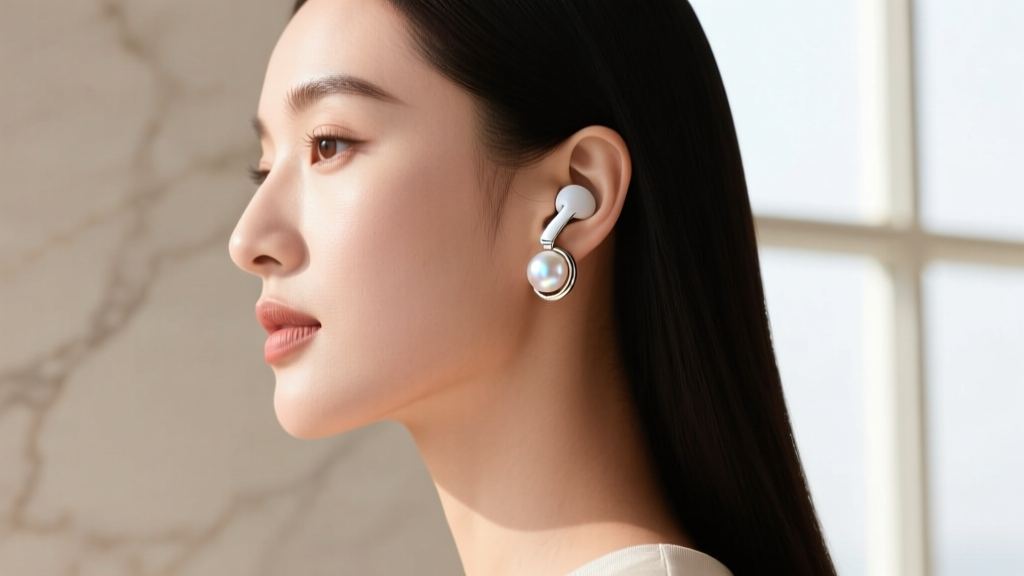
Integrating technology into your daily rotation requires the same stylistic considerations as traditional fine jewelry. The presence of internal batteries and speakers means smart earrings often have a slightly larger surface area than a standard diamond stud. Here is how to style them based on facial geometry:
- Round Faces: Opt for smart biometric drops or elongated dangles. The vertical lines draw the eye downward, creating an illusion of length. Avoid large, circular smart hoops, which can emphasize facial width.
- Oval Faces: You have the versatility to wear almost any tech-jewelry style. Geometric smart studs with ceramic inlays offer a modern, structured look that complements balanced proportions.
- Square Faces: Choose smart huggies or rounded drop earrings with organic shapes (like a pearl-faced audio stud). The curves will soften a strong jawline.
- Heart-Shaped Faces: Look for smart earrings that are wider at the bottom, such as teardrop-shaped audio earrings or chandelier-style tech drops, to add visual weight to the lower half of the face.
Care, Maintenance, and Water Resistance
The most common way users destroy smart earrings is by treating them exactly like solid gold or platinum jewelry. Traditional fine jewelry can be tossed into an ultrasonic cleaner or boiled to remove oils and debris. Doing this to a smart earring will instantly destroy the micro-speakers and short-circuit the battery.
The Cleaning Protocol
- The Post: Wipe the titanium post daily with a 70% isopropyl alcohol pad to remove sebum and dead skin cells. This prevents buildup that can interfere with the charging contacts.
- The Housing: Use a dry, lint-free microfiber cloth to buff the gold vermeil or ceramic face. If makeup or hairspray accumulates in the crevices, use a soft-bristled makeup brush to gently sweep it away.
- Water Resistance Limits: Most 2026 smart earrings carry an IPX4 rating, meaning they are resistant to sweat and light splashes. They are not waterproof. You must remove them before showering, swimming, or entering a sauna, as steam can easily bypass the acoustic mesh and corrode the internal logic board.
The Verdict: Are Smart Earrings Worth the Investment?
Smart earrings have crossed the chasm from novelty gadgets to legitimate accessories. For the professional who spends hours on conference calls and despises the look of plastic earbuds, a pair of 14k gold-vermeil audio studs is a game-changer. For the biohacker or fitness enthusiast, the superior accuracy of earlobe-based HRV tracking justifies the premium price tag. While they require more careful maintenance than a traditional pair of diamond studs, the seamless integration of utility and high-end aesthetics makes smart earrings one of the most exciting jewelry innovations of the decade.


