Jim Ball Earrings Value Guide: Artisan Craft vs Cost
Discover if artisan Jim Ball earrings justify their price tag. We analyze material grades, craftsmanship, and long-term value for your jewelry budget.

The Allure of Artisan Metalwork: What Defines Jim Ball Earrings?
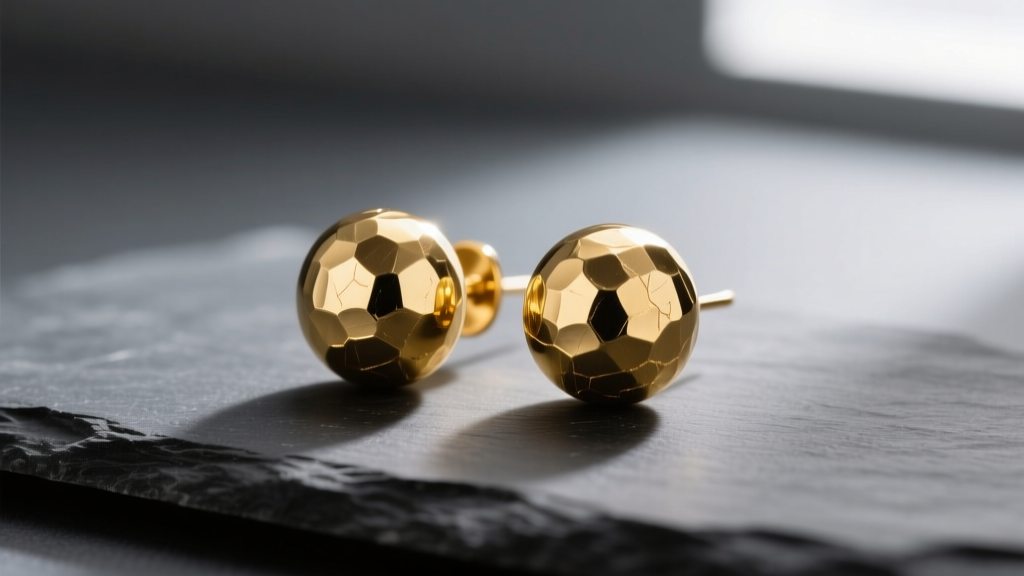
In the 2026 jewelry market, the shift toward independent metalsmiths has brought handcrafted spherical designs to the forefront of everyday luxury. When collectors and enthusiasts discuss "Jim Ball earrings," they are typically referring to a specific tier of artisan-crafted, hand-forged spherical and geometric metalwork. Unlike mass-produced, CAD/CAM-milled sphere earrings that flood fast-fashion retailers, authentic artisan ball earrings are defined by their tactile surfaces, work-hardened durability, and meticulous weight distribution. But do these independent pieces justify their premium price tags? To answer this, we must look past the aesthetic appeal and conduct a rigorous budget and value assessment based on material science, structural hardware, and long-term cost-per-wear metrics.
The fundamental difference lies in the manufacturing process. Mass-market ball earrings are usually cast from wax molds, which can leave microscopic porosity in the metal. Artisan pieces, conversely, are often hand-hammered, folded, or forged from solid metal stock. This mechanical manipulation aligns the metal's crystalline structure, resulting in a denser, more scratch-resistant surface that develops a rich, organic patina over time rather than simply wearing away.
Material Breakdown: Sterling Silver vs. 14k and 18k Gold Alloys
When allocating your jewelry budget, the base metal dictates both the upfront cost and the longevity of the piece. Independent jewelers crafting high-end spherical earrings typically rely on three primary metals, each with distinct value propositions.
925 Sterling Silver
Silver is the most accessible entry point for artisan metalwork. However, pure silver is too soft for earring posts. Artisans use 925 sterling (92.5% silver, 7.5% copper). While budget-friendly, the copper content makes it prone to oxidation. If you are investing in silver Jim Ball earrings, ensure the artisan has applied a high-quality rhodium or anti-tarnish coating, or be prepared for routine polishing. According to Jewelers of America, proper alloy mixing is critical to prevent skin irritation and ensure the structural integrity of the earring post.
14k and 18k Gold
For heirloom-quality spherical earrings, gold is the standard. 14k gold (58.5% pure gold) offers superior hardness, making it ideal for the thin posts required for ball earrings. 18k gold (75% pure gold) provides a richer, warmer hue—especially in yellow and rose gold variations—but is slightly softer. The Gemological Institute of America (GIA) notes that the specific alloy metals mixed with gold (such as zinc, silver, or palladium) drastically alter the metal's tensile strength and color. Artisan jewelers often use palladium-white gold to avoid the nickel allergens found in cheaper commercial white gold alloys.
Pricing Tiers and Budget Allocation
Understanding where your money goes is crucial for value assessment. Below is a comparative breakdown of the current market tiers for spherical and ball-style earrings, highlighting the specific upgrades you receive when moving from commercial casting to independent artisan forging.
| Feature | Mass-Market Cast (Commercial) | Artisan Hand-Forged (Jim Ball Style) | High-End Luxury Designer |
|---|---|---|---|
| Price Range (14k Gold) | $150 - $280 | $350 - $650 | $900 - $2,500+ |
| Manufacturing Method | Lost-wax casting, machine polished | Hand-forged, hammer-textured, burnished | Cast & hand-finished, gem-set |
| Post Gauge Thickness | 20g (0.81mm) or 22g (0.64mm) | 18g (1.02mm) or 19g (0.91mm) | 18g (1.02mm) |
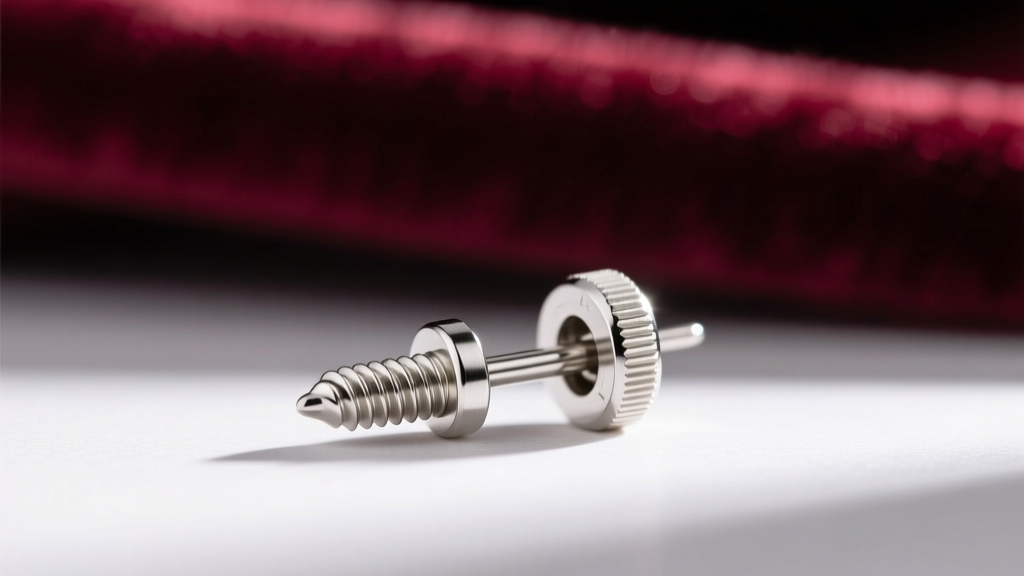
| Backing Mechanism | Standard butterfly friction back | La Pousette screw-back or jumbo silicone | Proprietary locking mechanisms |
| Surface Integrity | Prone to micro-porosity | Dense, work-hardened, unique texture | Flawless mirror or satin finish |
As the table illustrates, the premium you pay for artisan Jim Ball earrings is not merely for a brand name; it is directly allocated to heavier metal gauges, superior locking hardware, and labor-intensive surface finishing that machines cannot replicate.
Craftsmanship & Durability: Assessing the Hardware
A beautiful sphere is useless if the earring post bends or the backing fails. The true value of an artisan earring is often hidden in its hardware. Commercial manufacturers frequently use 20-gauge (0.81mm) or even 22-gauge (0.64mm) posts to save on gold costs. Because a solid 10mm gold ball carries significant weight (often 2.5 to 4 grams per earring), a thin post will easily bend when inserted into the earlobe, leading to metal fatigue and eventual snapping.
Reputable independent metalsmiths mitigate this by utilizing 18-gauge (1.02mm) posts. This 25% increase in thickness exponentially increases the post's yield strength. Furthermore, the backing mechanism is a critical point of failure. Standard butterfly backs rely on tension, which degrades over time, causing heavy ball earrings to droop or fall out. Artisan pieces frequently upgrade to La Pousette (spring-loaded screw) backs or precision-machined screw backs, ensuring that a $400 investment in handcrafted gold remains securely on your ear.
Common Failure Modes in Handcrafted Spherical Earrings
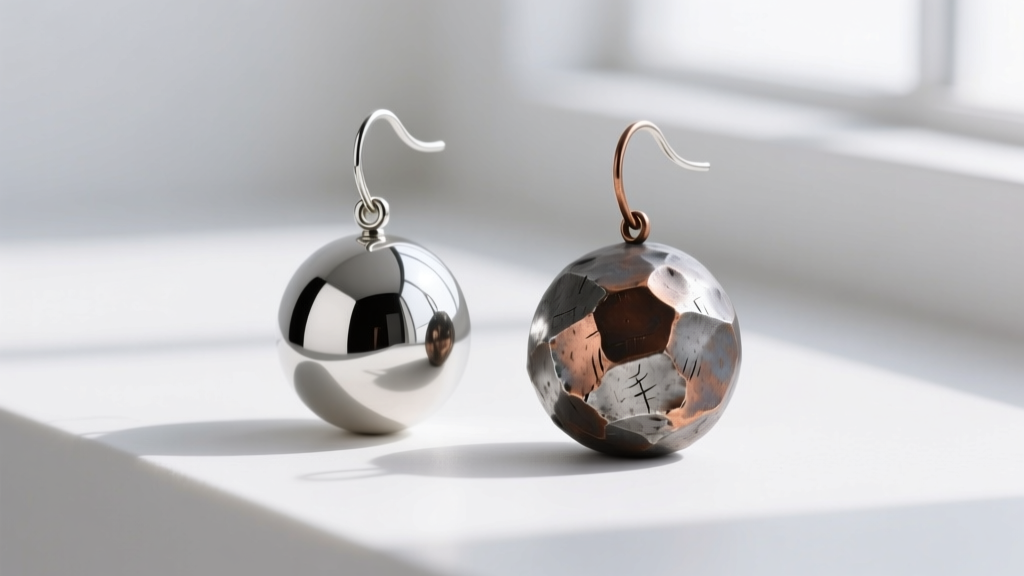
While artisan pieces are highly durable, buyers should be aware of specific wear-and-tear issues inherent to handcrafted metalwork:
- Solder Joint Fatigue: The point where the post meets the ball is soldered. If the artisan uses a low-temperature solder to protect the metal's finish, this joint can shear under lateral pressure. Always inquire if hard or medium solder was used for structural joints.
- Texture Flattening: Hand-hammered finishes are beautiful, but the high points of the texture will naturally polish down over years of contact with hair and clothing. This is not a defect, but a characteristic of organic metalwork.
- Patina Inconsistency: Unlike uniform machine finishes, oxidized or textured artisan balls can trap oils and lotions in the crevices, requiring occasional cleaning with a soft-bristled brush and mild dish soap to maintain contrast.
The Verdict: How to Budget for Independent Jewelers
Are Jim Ball earrings and similar artisan spherical designs worth the investment? From a strict budget perspective, the answer depends entirely on your cost-per-wear calculation and your appreciation for metallurgical integrity.
If you view earrings as seasonal accessories to be replaced every few years, the $150 commercial cast option is mathematically sufficient. However, if you are seeking a "buy it for life" everyday staple, the artisan tier offers vastly superior value. Consider a $450 pair of hand-forged 14k gold ball earrings with an 18-gauge post and screw-back hardware. Worn four times a week over a conservative 10-year lifespan, the cost-per-wear drops to just $0.21. More importantly, you eliminate the hidden costs of replacing lost earrings due to failed friction backs or repairing bent, ultra-thin commercial posts.
When budgeting for independent metalwork, prioritize the hardware and the alloy over sheer size. A smaller, 8mm solid 14k gold hand-forged ball with premium locking backs will outlast, outshine, and ultimately provide a better financial return than a hollow, 12mm electroformed commercial sphere. By understanding the material science and structural nuances of artisan jewelry, you can confidently allocate your budget toward pieces that honor both your aesthetic standards and your financial pragmatism.


