Kate Spade Diamond Earrings: 2026 Authenticity & Quality Guide
An expert technical analysis of Kate Spade diamond earrings, covering 14k gold metallurgy, melee diamond grading, and authentication frameworks.

Deconstructing the Brand: Fine Jewelry vs. Fashion Accessories
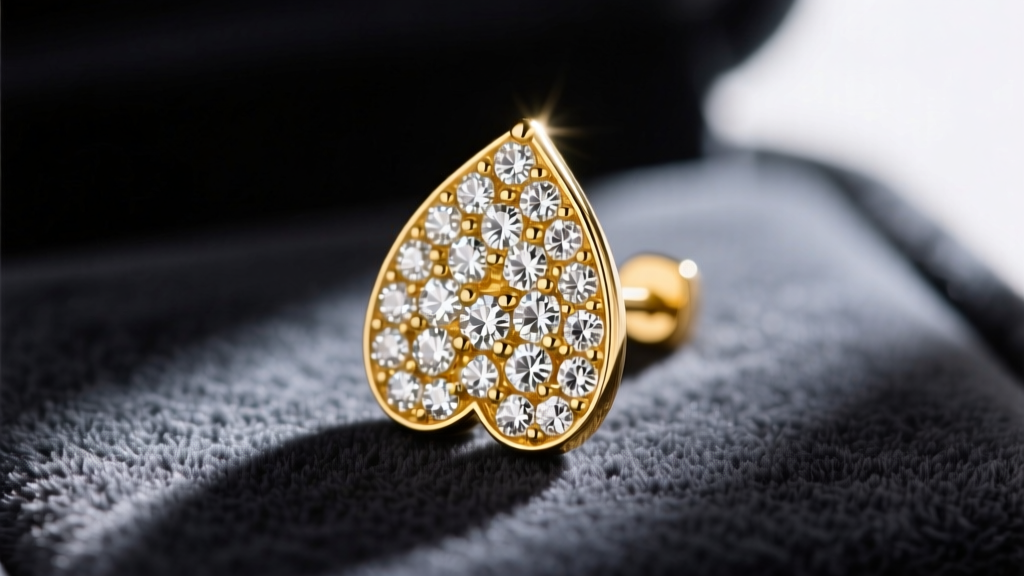
Kate Spade New York is globally recognized for its playful, sophisticated fashion accessories. However, the brand's foray into fine jewelry—specifically their diamond-accented pieces—requires a distinct analytical lens. When evaluating kate spade diamond earrings, consumers, appraisers, and vintage collectors must differentiate between the brand's fashion jewelry lines (which utilize cubic zirconia, enamel, and Swarovski crystals) and their legitimate fine jewelry collections. This 2026 technical deep dive examines the metallurgical standards, diamond grading parameters, and structural engineering of authentic Kate Spade fine diamond earrings, providing a definitive framework for authentication and quality assessment.
Metallurgical Composition: 14k Gold Alloys and Rhodium Flashing
The foundation of any authentic Kate Spade fine jewelry earring is its precious metal alloy. The brand predominantly utilizes 14-karat gold (58.5% pure gold) for its diamond settings, chosen specifically for its optimal balance of malleability and tensile strength. Pure 24k gold is too soft to securely hold micro-pave diamonds over decades of daily wear.
Alloy Variations and Tensile Strength
- 14k Yellow Gold: Alloyed with roughly 20% copper and 21.5% silver. This specific ratio provides the warm, traditional hue while maintaining a Vickers hardness (HV) of approximately 140, which is ideal for prong retention.
- 14k Rose Gold: Achieved by increasing the copper content to roughly 30-35% while reducing silver. The higher copper content slightly increases the alloy's hardness but makes it more susceptible to oxidation if not properly cared for.
- 14k White Gold: Alloyed with nickel, zinc, or palladium to bleach the yellow hue of pure gold. However, the resulting alloy is still slightly off-white.
To achieve the brilliant, mirror-like finish expected in modern white gold jewelry, Kate Spade employs rhodium flashing. This electroplating process deposits a microscopic layer (typically 0.75 to 1.0 microns thick) of rhodium—a platinum-group metal—over the white gold. Over time, friction from the earlobe and exposure to skin oils will wear this plating away, revealing the underlying "champagne" tint of the 14k white gold alloy. This is a natural metallurgical reality, not a defect, and requires periodic re-plating by a professional jeweler.
Diamond Grading Parameters in Designer Melee
The majority of Kate Spade diamond earrings—such as their iconic initial studs, bow motifs, and signature spade shapes—rely heavily on melee diamonds. Melee refers to small diamonds, typically weighing under 0.15 carats each, used in pave or channel settings. Because of their size, these stones are rarely accompanied by individual grading reports from the Gemological Institute of America (GIA). Instead, they are sorted and matched by the manufacturer based on strict commercial tolerances.
Typical Specifications for Kate Spade Fine Diamonds
Based on secondary market gemological assessments and manufacturer sourcing standards, authentic Kate Spade fine jewelry diamonds generally fall into the following parameters:
- Color Grade: G to H (Near Colorless). This range ensures the stones appear bright white to the naked eye when set in white gold, without the exponential cost premium of D-F colorless grades.
- Clarity Grade: SI1 to SI2 (Slightly Included). In melee sizes, SI-level inclusions are entirely microscopic and do not compromise the structural integrity or the brilliance of the stone.
- Cut Grade: Very Good to Excellent. Proper facet alignment is critical in melee diamonds; a poor cut will cause light leakage, making the micro-pave setting look dull and gray.
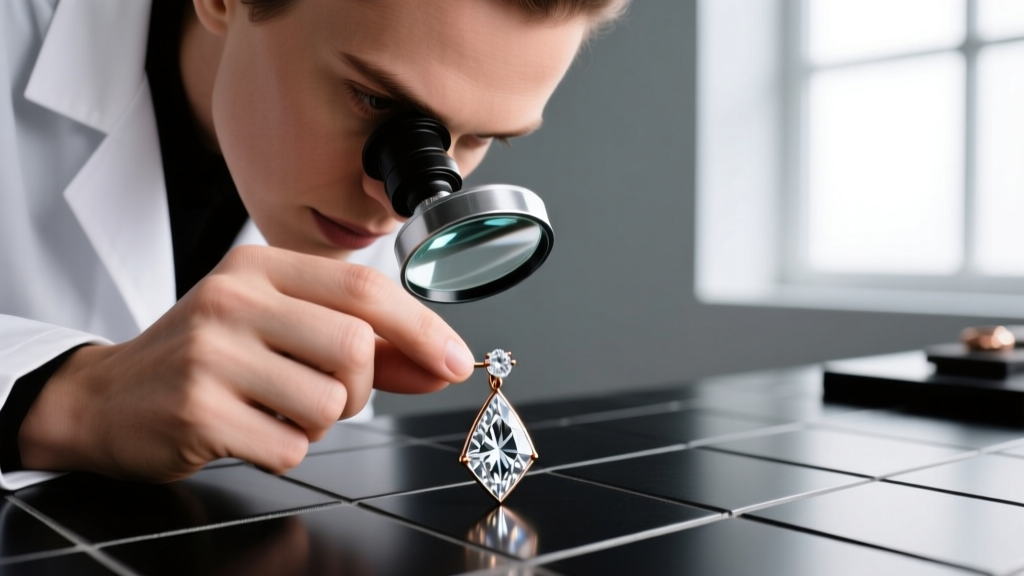
Expert Insight: When inspecting a pre-owned pair of Kate Spade spade earrings, use a 10x triplet loupe to examine the girdles of the pave stones. Authentic manufacturer settings will show uniform girdle thickness and precise prong placement covering exactly 15-20% of the stone's crown. Overlapping or misaligned prongs are a primary indicator of a counterfeit or a poorly executed third-party repair.
The CZ Conundrum: Identifying Fashion Line Imitations
A common point of confusion in the secondary market is the misidentification of Kate Spade's fashion jewelry as fine jewelry. The brand produces thousands of earring styles featuring cubic zirconia (CZ) and crystal. CZ has a higher refractive index (2.15-2.18) than diamond (2.42), meaning it disperses light with excessive "fire" or rainbow flashes, whereas a diamond exhibits a balanced mix of brilliance (white light return) and scintillation.
| Material Property | Kate Spade Fine (Diamond) | Kate Spade Fashion (CZ/Crystal) |
|---|---|---|
| Thermal Conductivity | Extremely High (Disperses heat instantly) | Low (Retains heat) |
| Mohs Hardness | 10 (Scratches sapphire/glass easily) | 8.0 - 8.5 (Susceptible to micro-scratches) |
| Specific Gravity | 3.52 | 5.60 - 6.00 (Noticeably heavier) |
| Facet Junctions | Sharp, crisp lines under 10x magnification | Often slightly rounded or abraded over time |
To definitively authenticate the stones without risking damage to the setting, professional jewelers utilize a thermal conductivity tester. Diamond disperses heat rapidly, triggering a positive reading, whereas CZ acts as a thermal insulator.
FTC Compliance and Hallmark Authentication
Authentication extends beyond the stones to the metal stamping. According to the Federal Trade Commission (FTC) Jewelry Guides, precious metal fineness must be accurately stamped, usually accompanied by a registered maker's mark or trademark. Authentic Kate Spade fine jewelry earrings will bear a clear, laser-engraved or deeply stamped hallmark.
Decoding the Stamps
- Metal Fineness: Look for "14k", "14K", or "585". If the piece is stamped "925", it is sterling silver, which Kate Spade occasionally uses in lower-tier fashion lines, but never for their premium diamond collections.
- Diamond Weight Stamps: If a stamp includes a number followed by "TW" (e.g., ".25 TW"), this denotes the Total Weight of all diamonds in the pair, not the carat weight of a single center stone. The FTC strictly regulates the use of "CW" (Carat Weight) vs. "TW" to prevent consumer deception.
- Maker's Mark: Authentic pieces often feature a microscopic trademark stamp, such as the brand's spade logo or the initials of the licensed manufacturing conglomerate (e.g., Richline Group) that produces the fine jewelry line under contract.
Structural Engineering: Post Gauges and Clutch Mechanics
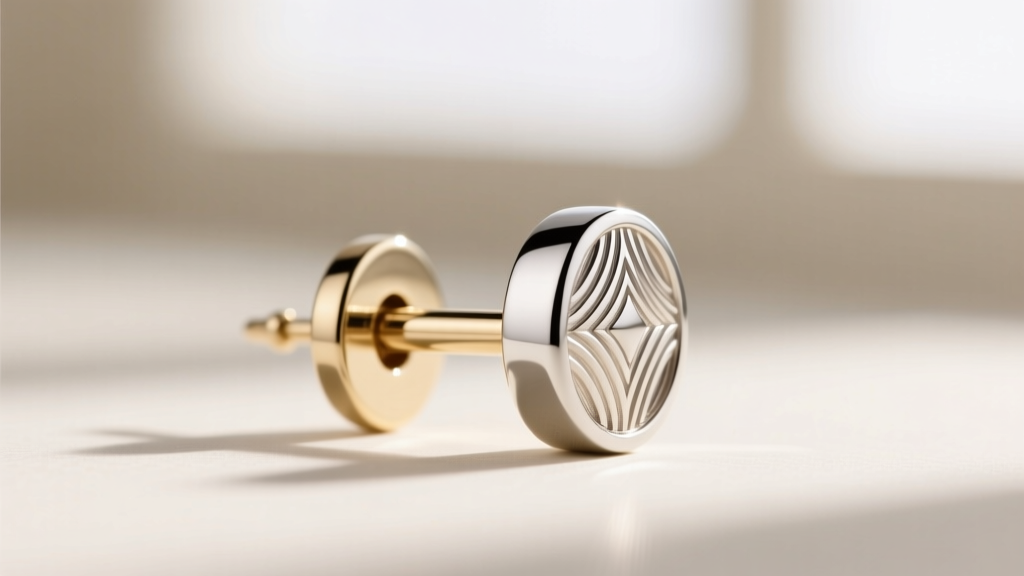
The longevity of an earring relies heavily on its structural hardware. Kate Spade fine diamond earrings typically utilize 19-gauge (0.91mm) or 20-gauge (0.81mm) solid gold posts. This thickness is the industry standard for fine jewelry, providing enough rigidity to prevent bending during insertion while remaining comfortable for standard lobe piercings.
Friction Backs vs. La Pousette Backs
Most Kate Spade studs are equipped with standard 14k gold friction backs (butterfly clutches). The internal mechanism relies on a spring-loaded metal tab that grips the grooved notch on the earring post. However, for heavier diamond drops or high-value initial studs, the brand occasionally utilizes La Pousette locking backs. These feature a dual-spring mechanism that snaps securely into place and requires a simultaneous pinch to release, virtually eliminating the risk of losing a high-value diamond earring to accidental friction loss.
Maintenance of Micro-Pave Settings
Maintaining the structural integrity of micro-pave diamond earrings requires specific care protocols. While diamonds themselves are impervious to most chemicals, the 14k gold prongs holding them are not.
- Avoid Ultrasonic Cleaners: High-frequency vibrations can loosen the micro-prongs or shatter internal feathers (SI2 inclusions) within melee diamonds.
- Steam Cleaning Caution: Sudden thermal shock from high-pressure steam can stress the metal settings.
- Recommended Protocol: Soak the earrings in a lukewarm solution of distilled water and a few drops of ammonia-free dish soap for 15 minutes. Gently agitate with a soft-bristled baby toothbrush, focusing on the pavilion (underside) of the diamonds where sebum and cosmetic buildup severely restrict light return.
Conclusion: Evaluating the Investment
When assessing kate spade diamond earrings from a technical perspective, buyers are paying for a synthesis of reliable commercial-grade diamond quality, durable 14k gold metallurgy, and iconic, trademarked design. While they do not carry the investment-grade diamond specifications of high-jewelry houses, their adherence to FTC stamping guidelines, consistent G-H/SI1 melee sorting, and robust post engineering make them a structurally sound and highly authenticable segment of the designer fine jewelry market.


