Beginner's Guide to Vintage R.H. Macy & Co Earrings
Discover how to identify, authenticate, and style vintage R.H. Macy & Co earrings. A beginner's guide to hallmarks, eras, and estate jewelry pricing.

The Legacy of R.H. Macy & Co. Jewelry
When browsing estate sales, antique malls, or online vintage markets, you will inevitably encounter pieces stamped with the iconic R.H. Macy & Co. hallmark. Long before the modern mall-branding era of Macy's, the R.H. Macy & Co. jewelry department was a premier destination for fine, high-quality accessories from the 1920s through the 1960s. For new collectors, hunting for vintage rh macy & co earrings offers a masterclass in 20th-century American jewelry design, material standards, and shifting fashion trends.
Unlike fast-fashion department store jewelry of the late 20th century, pieces commissioned and sold under the full R.H. Macy & Co. name were often crafted with solid karat gold, genuine gemstones, and meticulous hand-finishing. As we navigate the vintage jewelry market in 2026, these earrings represent an accessible entry point into antique collecting, offering exceptional craftsmanship at a fraction of the cost of signed designer pieces like Cartier or Van Cleef.
Decoding the Hallmarks: Macy's vs. R.H. Macy & Co.
The most critical skill for a beginner is distinguishing between modern Macy's jewelry and true vintage R.H. Macy & Co. earrings. The hallmark tells the story of the piece's age and origin.
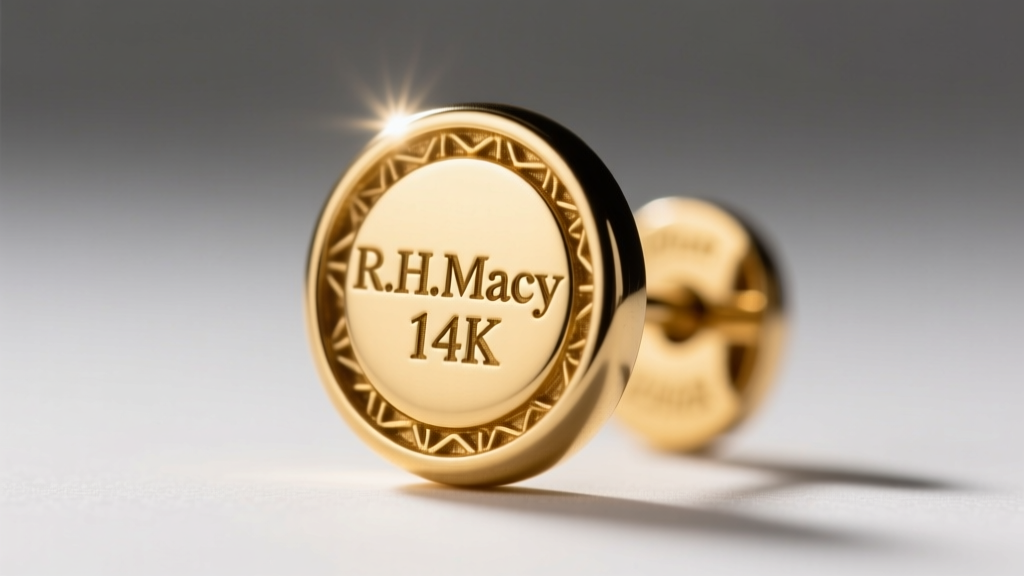
- R.H. Macy & Co.: This full stamp, often accompanied by an ampersand, was predominantly used from the 1920s through the late 1950s. It is the holy grail for vintage collectors looking for Art Deco and Mid-Century pieces.
- Macy's (Script or Block): Used from the 1960s onward. These pieces are considered 'second-hand' or 'retro' rather than true antique/vintage, and often feature lower karat gold or gold-plating over base metals.
- The 'M' in a Diamond/Circle: A later 20th-century maker's mark used on mass-market fashion jewelry sold in their stores.
According to the comprehensive guides at Lang Antiques, department store hallmarks were often stamped on the earring's friction clutch (the back) rather than the post itself. If you find a vintage earring with a 14K stamp on the post but no visible brand, it may have originally been paired with an R.H. Macy & Co. stamped backing that was lost over the decades.
Eras and Styles: What to Look For
The style of the earring will heavily dictate its value and wearability. Here is a breakdown of the primary eras you will encounter when shopping for these estate pieces.
| Era | Design Style | Typical Materials | 2026 Est. Price Range |
|---|---|---|---|
| 1920s - 1930s | Art Deco Filigree, Geometric Drops | 14k White Gold, Platinum, Diamonds | $450 - $1,800 |
| 1940s - 1950s | Retro Bold, Floral Clips, Mid-Century Studs | 14k Yellow/Rose Gold, Rubies, Sapphires | $300 - $950 |
| 1960s - 1970s | Modernist Textured, Starburst, Hoops | 14k/18k Yellow Gold, Turquoise, Coral | $250 - $850 |
Material Grades and Gemstone Realities
Understanding the metallurgy and gemology of mid-century department store jewelry is vital for making informed purchases and avoiding overpaying for synthetic stones.
Gold Karatage and Allergy Warnings
The standard for R.H. Macy & Co. fine jewelry was 14k gold (58.5% pure gold). You will also frequently find 10k gold (41.7% purity), which was marketed as a more durable, scratch-resistant option for everyday wear. However, beginners must be cautious with vintage white gold. Prior to the 1980s, white gold was almost exclusively alloyed with nickel to achieve its silvery color. If you have a nickel allergy, wearing un-plated vintage white gold earrings will cause severe contact dermatitis. Always check if the piece has been recently re-plated with rhodium, or opt for yellow gold variations.
Synthetic vs. Natural Gemstones
Do not assume that every ruby or sapphire in a 1950s R.H. Macy & Co. earring is natural. During the Mid-Century boom, flame-fusion synthetic corundum (rubies and sapphires) was widely used in department store jewelry to keep price points accessible while maintaining a luxurious appearance. The Gemological Institute of America (GIA) notes that these synthetic stones often exhibit curved striae and gas bubbles under magnification, unlike the angular inclusions found in natural earth-mined stones. Always factor the likelihood of synthetic stones into your negotiating strategy when buying from estate sellers.

How to Authenticate and Inspect Estate Pieces
When you have a pair of potential vintage rh macy & co earrings in hand, follow this physical inspection checklist to verify their age and condition:
- Examine the Earring Backs: The presence of screw-backs is a near-guarantee that the earrings were manufactured prior to 1960, as the modern friction post and butterfly clutch did not become the industry standard until the late 1950s. Clip-on styles were also heavily favored in the 1940s and 50s for non-pierced ears.
- Use a 10x Jeweler's Loupe: Inspect the edges of the metal. Hand-fabricated Art Deco pieces will show tiny, precise saw marks and sharp, crisp filigree edges. Later Mid-Century pieces may show slight casting porosity (tiny pits in the metal), which is normal for the era but affects the premium value.
- Check for Solder Repairs: Look closely at the joint where the earring post meets the main body. A globular, discolored blob of metal indicates a modern repair job where a broken post was re-soldered, which decreases the collectible value by 20% to 30%.
Styling Vintage Drops and Studs for Modern Wear
Integrating antique jewelry into a contemporary 2026 wardrobe requires a balance of proportion and styling.
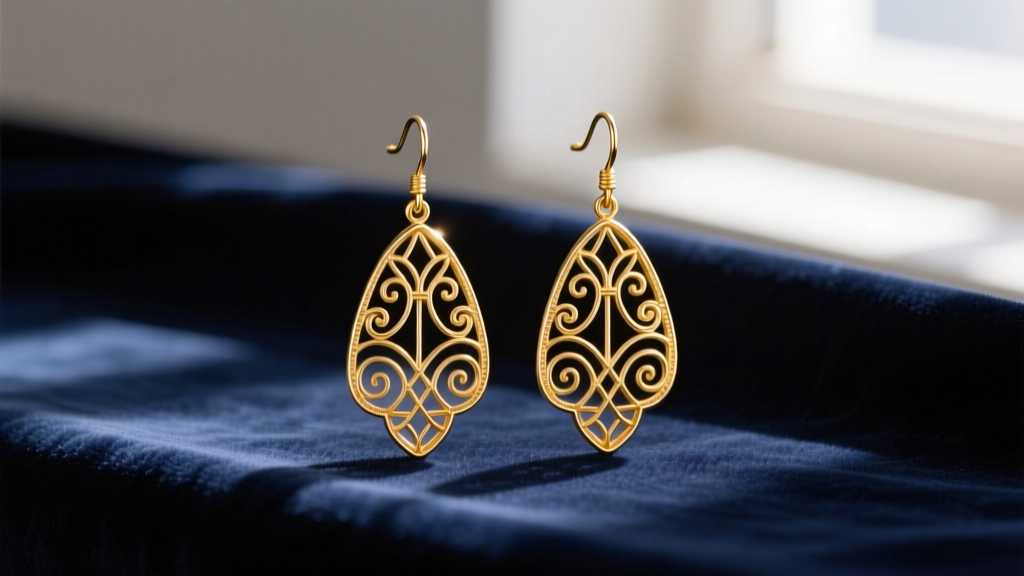
For Art Deco Filigree Drops: These elongated, intricate pieces are inherently formal. Pair them with a sleek, minimalist silk slip dress or a tailored tuxedo blazer. Because the metalwork is so detailed, avoid wearing them with busy, patterned collars that will snag the delicate wirework.
For 1950s Gold Button Studs: Mid-century yellow gold buttons are incredibly versatile. They look stunning when curated into a modern 'ear stack' alongside contemporary minimalist huggies or plain gold hoops. If the vintage earrings are screw-backs and you find them uncomfortable, a jeweler can easily snip the screw post and solder on a modern friction post for under $30.
Final Thoughts for New Collectors
Collecting R.H. Macy & Co. earrings is a rewarding pursuit that bridges the gap between historical artistry and wearable fashion. By learning to read the hallmarks, understanding the realities of mid-century gemstones, and properly inspecting the structural integrity of the posts and backs, you can build a stunning, historically significant jewelry box. Always buy from reputable estate dealers who offer a return policy, and never hesitate to consult a certified gemologist if a piece's diamond or sapphire provenance is in question.
For more foundational knowledge on precious metals, refer to the GIA's comprehensive guide to gold alloys and hallmarks. Happy hunting, and may your next estate sale visit yield the perfect pair of Art Deco drops.


