How to Convert Pierced Earrings to Clip On: Cost & Value Guide
Discover the true cost and value of how to convert pierced earrings to clip on. Compare DIY kits, jeweler fees, and material risks in our expert guide.

The Economics of Earring Conversion: Is It Worth It?
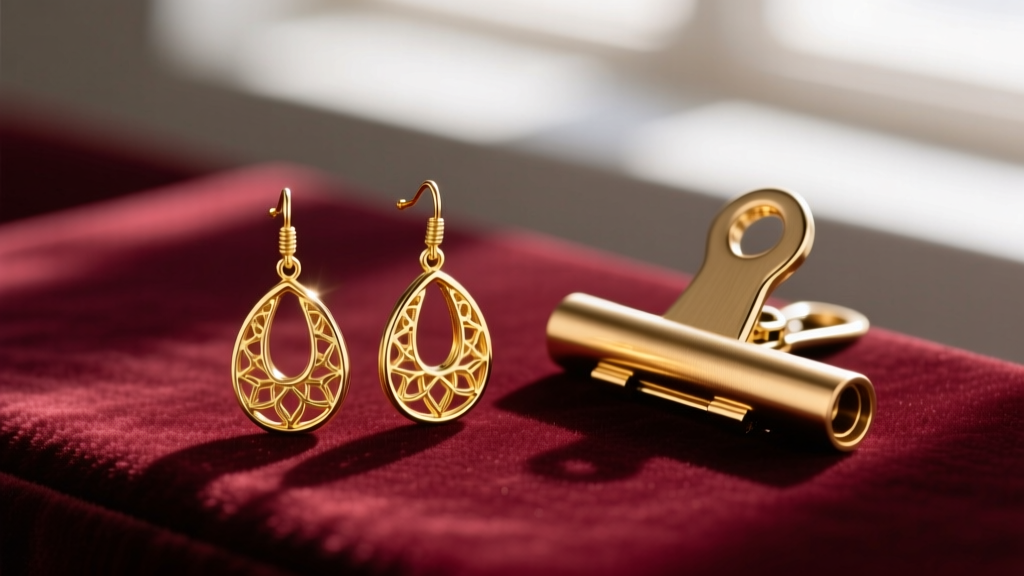
As the secondary jewelry market continues to surge in 2026, budget-conscious collectors are increasingly looking at estate sales, thrift stores, and vintage shops for high-quality pieces. However, for those with unpierced ears, the "clip-on tax"—the 15% to 20% premium routinely charged by manufacturers for purpose-built clip-on earrings—can be a frustrating financial barrier. Learning how to convert pierced earrings to clip on is no longer just a niche DIY hack; it is a strategic financial decision for savvy jewelry buyers. But is it always the most cost-effective route? The answer depends entirely on the intrinsic value of the base metal, the weight of the earring, the gauge of the post, and the specific conversion method you choose to employ.
Method 1: DIY Earring Converter Kits (Budget Tier)
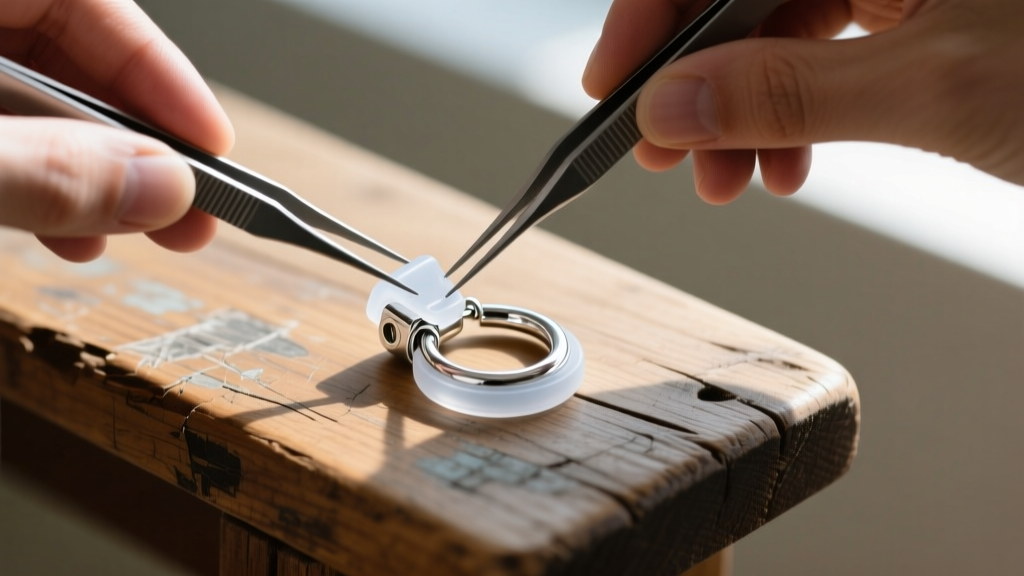
For costume jewelry, brass alloys, and low-value sterling silver pieces, DIY converter kits are the most budget-friendly option. These kits typically cost between $8 and $15 for a pack of 12 pairs and rely on either mechanical tension or chemical adhesives to secure the earring post into a clip-on paddle or screw-back mechanism.
Cost Breakdown and Material Limitations
While the upfront cost is minimal, the failure rate of DIY kits is remarkably high if you do not understand the material science involved. Standard pierced earring posts are typically 20-gauge (0.81mm) or 18-gauge (1.02mm). Most DIY converter loops are sized for 18-gauge wires. If you attempt to convert a fine 22-gauge (0.64mm) wire post, it will rattle, bend, and eventually snap under the shear stress of daily wear.
- Adhesive Chemistry: Most DIY kits recommend E6000 Craft Adhesive. While flexible, it takes 24 to 72 hours to fully cure and will permanently ruin porous gemstones like turquoise, opal, or malachite if it seeps into the bezel setting. Never use cyanoacrylate (Super Glue); it cures brittle and will shatter under the kinetic impact of a swinging dangle earring.
- Tension Mechanics: Vintage-style screw-back converters offer high security but create a concentrated pressure point that restricts blood flow to the earlobe capillaries, causing pain within 45 minutes. Modern paddle-back converters with 40A durometer silicone pads distribute the clamping force across a wider 8mm surface area, vastly improving comfort.
Method 2: Professional Jeweler Soldering (Investment Tier)
When dealing with fine jewelry—specifically 14k gold, 18k gold, or platinum—adhesives and tension loops are unacceptable. They compromise the structural integrity and resale value of the piece. Professional soldering or laser welding is the only viable method to convert pierced earrings to clip on while maintaining their intrinsic and appraisal value.
| Metal Type | Conversion Method | Est. Cost (Per Pair) | Durability & Risk Profile |
|---|---|---|---|
| Brass / Base Alloy | DIY Adhesive Kit | $4 - $8 | Low; adhesive fails under shear stress over time. |
| Sterling Silver (925) | Torch Soldering | $25 - $40 | High; requires stone removal if gems are heat-sensitive. |
| 14k / 18k Gold | Laser Welding | $55 - $95 | Excellent; localized heat prevents thermal shock to gems. |
| Platinum (950) | Laser Welding | $80 - $120 | Excellent; high melting point requires specialized laser pulses. |
According to jewelry manufacturing standards outlined by suppliers like Rio Grande, laser welding is the gold standard for fine jewelry conversion. Unlike traditional torch soldering, which heats the entire earring and can fracture heat-sensitive stones like emeralds or tension-set diamonds, laser welding uses highly focused light pulses to fuse the 14k or 18k gold clip-on finding directly to the earring base without raising the ambient temperature of the piece. As noted by the Gemological Institute of America (GIA), protecting the structural integrity of inclusions in natural gemstones is paramount during any jeweler's bench work.
The Value Assessment Matrix: When to Convert vs. Replace
Not every pair of pierced earrings is worth the time or capital required for conversion. Use this decision framework to assess the ROI of your project:
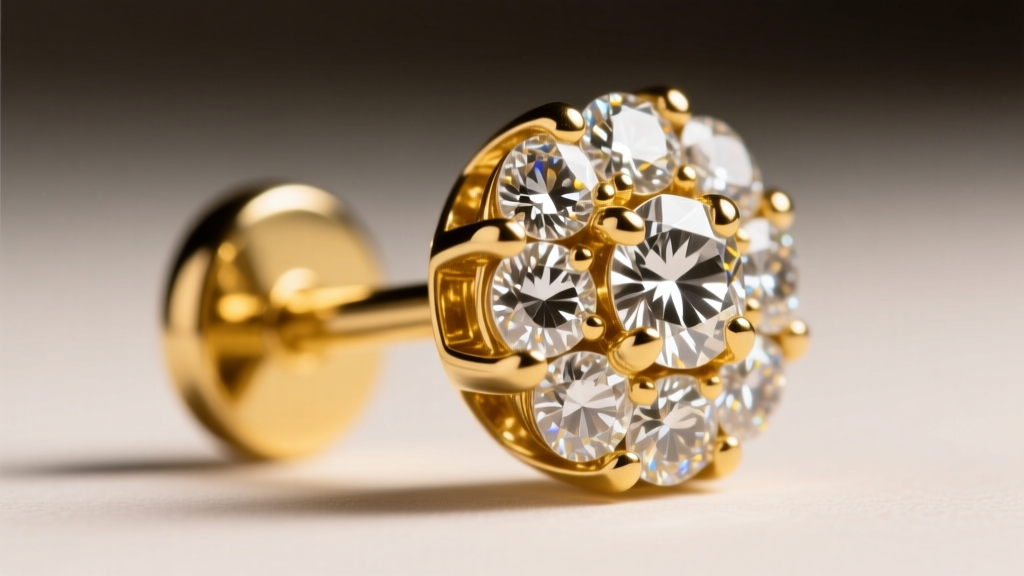
- High Intrinsic Value (Gold/Platinum + Diamonds): Always convert via laser welding. The $95 cost is a fraction of the metal's melt value and preserves the estate provenance.
- High Sentimental Value (Family Heirlooms): Convert using the least destructive method possible. If the post is thick enough, use a non-adhesive tension loop so the conversion can be reversed by a future generation.
- Low Intrinsic Value (Fast Fashion / Plated Brass): Do not convert. The cost of a $12 DIY kit and the risk of skin irritation from exposed base metals outweigh the value of the earring. Sell the pierced earrings on a secondary market and use the funds to buy purpose-built clip-ons.
Hidden Costs: Weight Distribution and Comfort Failures
The most overlooked factor in the budget assessment of earring conversion is the physics of the human earlobe. Pierced earrings hang from a structural column of tissue (the fistula), which can comfortably support heavy chandelier styles weighing 15 to 20 grams. Clip-ons, however, rely on a pinching mechanism on the outer edge of the lobe.
"When you convert a heavy pierced dangle into a clip-on, you shift the center of gravity. The leverage applied to the clip's spring mechanism will cause the earring to droop forward, forcing the wearer to constantly adjust the tension, which leads to severe vascular pinching and lobe fatigue within hours."
If the pierced earrings you intend to convert weigh more than 8 grams, you must factor in the cost of adding a counterweight or swapping the heavy glass/crystal stones for lighter acrylic or hollow-metal alternatives. Ignoring this physics limitation will result in an unwearable piece of jewelry, rendering your entire conversion budget a sunk cost.
Final Verdict on Conversion ROI
Ultimately, figuring out how to convert pierced earrings to clip on is a highly rewarding skill for the budget-minded collector, provided you respect the material limitations. For sub-$50 costume pieces, stick to 18-gauge compatible paddle-back tension converters and avoid adhesives near porous stones. For fine jewelry, bypass the DIY aisle entirely and invest in professional laser welding to protect both the gemstones and the resale value of the precious metals. By matching the conversion method to the intrinsic value of the earring, you can unlock the entire secondary jewelry market without ever needing a piercing needle.


