How to Clean and Maintain Earrings with Pearl Drops
Learn how to safely clean earrings with pearl drops. Discover expert tips on washing, storing, and maintaining nacre luster and metal settings.

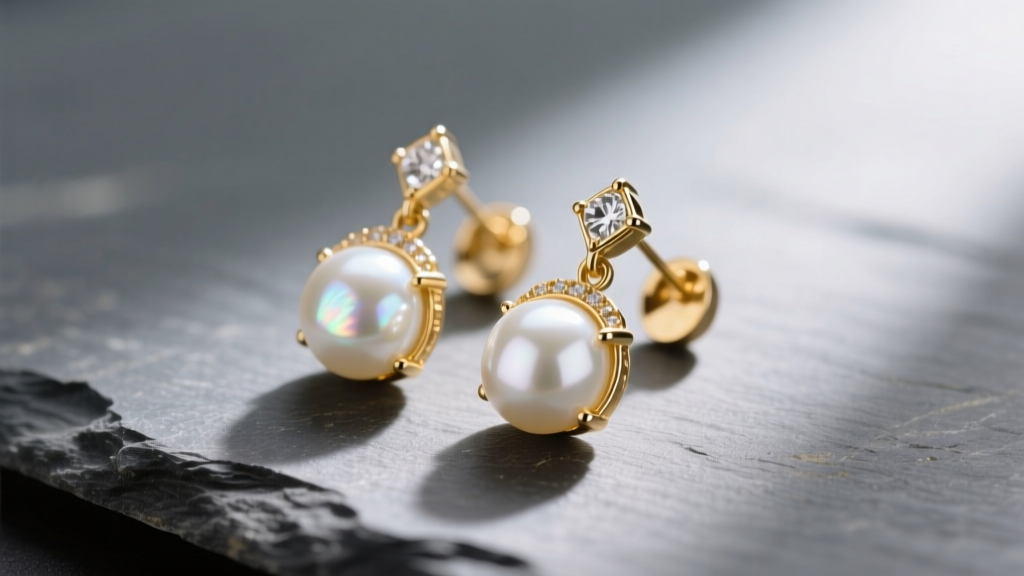
Earrings with pearl drops represent a unique intersection of organic beauty and precise jewelry engineering. Whether you are wearing classic Akoya drops, baroque freshwater designs, or dramatic Tahitian pendants, the combination of delicate nacre and intricate metalwork requires a highly specific maintenance routine. Unlike solid metal hoops or diamond studs, pearl drops are inherently vulnerable to environmental stressors, chemical degradation, and mechanical detachment. In this comprehensive 2026 care guide, we break down the exact protocols for cleaning, storing, and preserving the structural integrity and luster of your pearl drop earrings.
The Anatomy of Pearl Drop Earrings: Why They Need Special Care
To understand how to clean earrings with pearl drops, you must first understand their material composition. Pearls are organic gemstones primarily composed of calcium carbonate (aragonite) held together by an organic protein matrix called conchiolin. This structure gives pearls their signature orient and luster but also restricts them to a mere 2.5 to 4.5 on the Mohs hardness scale. For context, a copper penny is a 3.5, meaning everyday dust and debris can easily micro-scratch the surface of a pearl.
Furthermore, the "drop" design introduces a critical structural vulnerability. Most pearl drop earrings feature a half-drilled pearl mounted onto a metal pin or cap. This connection is typically secured using a two-part jeweler's epoxy or, in lower-tier fashion jewelry, cyanoacrylate (super glue). Exposure to harsh chemicals, ultrasonic vibrations, or sudden temperature changes can compromise this adhesive bond, leading to the catastrophic loss of the pearl drop from the earring setting.
The 5-Step Cleaning Protocol for Earrings with Pearl Drops
Forget everything you know about cleaning diamond or gold jewelry. The Gemological Institute of America (GIA) strictly advises against submerging pearls in liquid or using mechanical cleaners. Follow this precise, low-impact protocol to safely remove oils and debris.
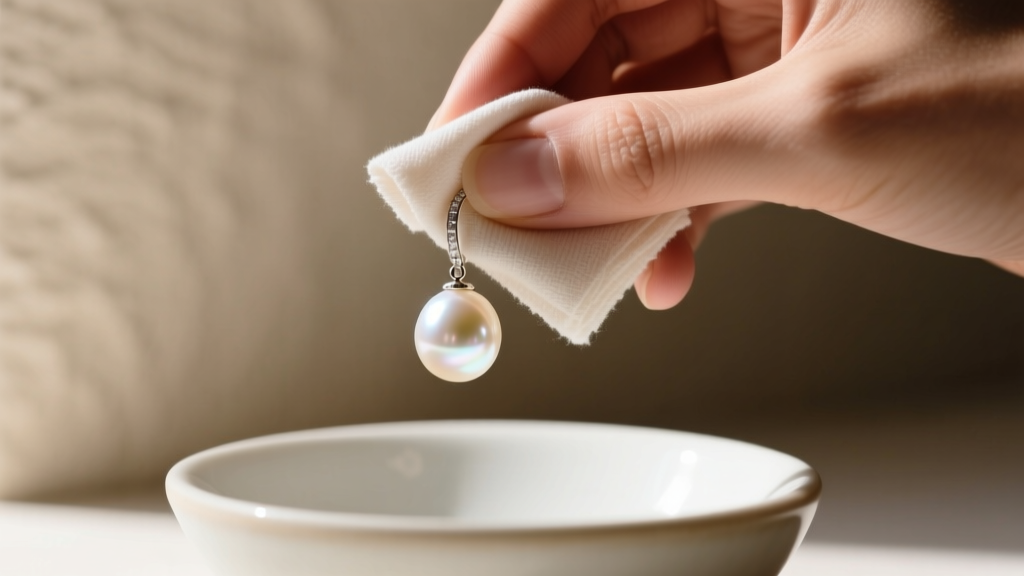
Step 1: Dry Dusting
Before introducing any moisture, use a clean, dry, lint-free microfiber cloth to gently wipe the surface of the pearl drop. This removes abrasive silica dust that could cause micro-scratches during the wet cleaning phase.
Step 2: The Damp Cloth Method
Dampen a second microfiber cloth with distilled water. Tap water contains chlorine and fluoride, which can leave microscopic mineral deposits on the nacre. Wring the cloth out until it is barely damp—not dripping. Gently wipe the pearl in a circular motion, avoiding the drill hole where the pearl meets the metal cap.
Step 3: Targeted Soap Application (If Necessary)
If the pearls have accumulated heavy skin oils or makeup, add a single drop of pH-neutral, unscented liquid castile soap to your damp cloth. Never apply soap directly to the pearl. Gently buff the nacre, ensuring the suds do not seep into the adhesive joint at the base of the drop.
Step 4: The Metalwork Polish
Use a separate, dry polishing cloth designed for precious metals to clean the earring hooks, caps, and posts. If your earrings feature sterling silver or 14k/18k gold settings, you can use a specialized silver or gold polishing cloth on the metal parts, but strictly avoid letting the treated fabric touch the pearl drop, as the polishing compounds will strip the nacre's luster.
Step 5: Air Drying Flat
Lay the earrings flat on a dry towel in a well-ventilated area away from direct sunlight or heat sources. Never hang pearl drop earrings to dry, as the weight of the water droplets can pull on the adhesive joint before it has fully settled.
Chemicals to Avoid: The Nacre Killers
The most common way jewelry owners ruin earrings with pearl drops is by treating them like crystalline gemstones. The calcium carbonate matrix of a pearl reacts violently to acids, alkalis, and certain solvents. Below is a breakdown of common household agents and their specific failure modes.
| Chemical / Agent | Common Source | Failure Mode on Pearl Drops |
|---|---|---|
| Ammonia | Windex, Commercial Jewelry Dips | Dissolves the calcium carbonate matrix, causing immediate pitting, chalky dullness, and irreversible surface etching. |
| Ultrasonic Waves | Ultrasonic Jewelry Cleaners | Cavitation bubbles implode against the nacre, causing microscopic fracturing and instantly shattering the epoxy bond holding the drop. |
| Chlorine | Swimming Pools, Bleach | Reacts with the conchiolin protein, leading to severe yellowing and structural brittleness over time. |
| Acetone | Nail Polish Remover | While acetone won't immediately dissolve nacre, it will instantly melt the cyanoacrylate adhesives often used in pearl drop settings. |
| Steam | Jewelry Steam Cleaners | Thermal shock and moisture intrusion soften jeweler's epoxy, causing the pearl drop to detach from the metal cap. |
Restringing, Adhesives, and Hardware Maintenance
Because earrings with pearl drops rely heavily on adhesives or delicate mechanical caps, routine hardware inspections are just as important as cleaning the nacre. Every six months, perform a "tug test." Hold the metal earring post firmly and apply very gentle, lateral pressure to the pearl drop. If you detect any movement, clicking, or rotation, the adhesive bond has failed.
Do not attempt to re-glue the pearl yourself using household super glue. Cyanoacrylate cures with a white, frosty residue that will permanently ruin the nacre around the drill hole. Instead, take the earrings to a professional bench jeweler. They will carefully heat the metal pin to release the old adhesive, clean the drill hole with a specialized solvent, and re-mount the drop using a high-strength, flexible two-part epoxy like Devcon or G-S Hypo Cement, ensuring a seamless and durable bond.
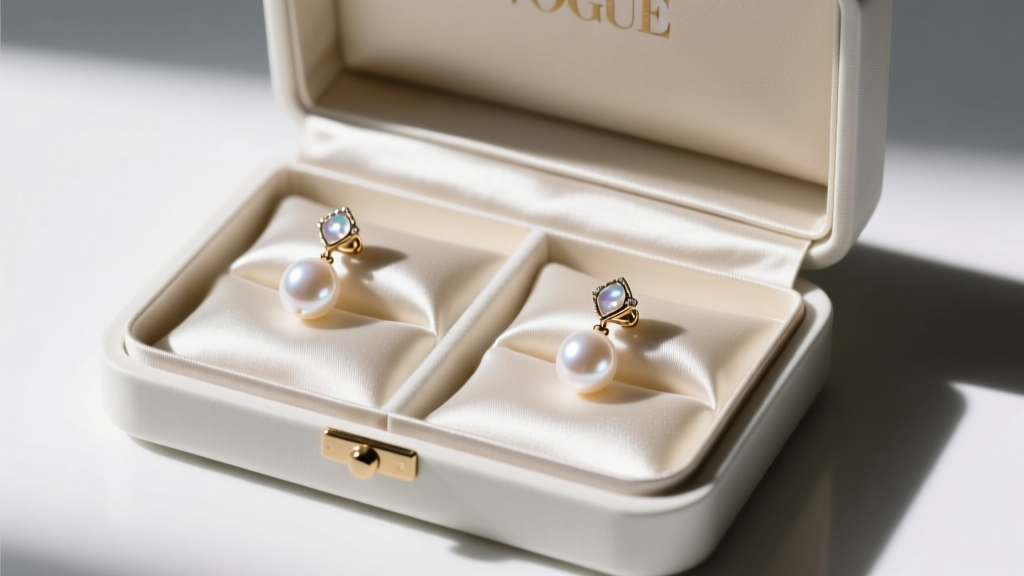
Proper Storage to Prevent Micro-Scratches and Dehydration
Storage is the most overlooked aspect of pearl maintenance. According to the American Gem Society (AGS), pearls require a specific level of ambient moisture to maintain their structural integrity and luster.
- Avoid Plastic Bags: Storing pearl drops in sealed plastic Ziploc bags or PVC-lined jewelry boxes traps dry air and emits trace chemicals that can dehydrate the conchiolin, leading to cracking and peeling.
- Use Silk or Cotton: Store your earrings in a soft silk pouch or a dedicated fabric-lined jewelry box. Silk provides a friction-free environment that prevents the metal hooks from scratching the adjacent pearl drops.
- The "Last On, First Off" Rule: Always put your pearl earrings on after applying hairspray, perfume, and makeup, and take them off immediately upon returning home to minimize chemical exposure.
- Wear Them Often: The natural oils from your skin are actually beneficial for pearls, helping to maintain their hydration and luster. Earrings with pearl drops that are worn regularly often look better than those locked in a dark vault for years.
Expert Troubleshooting: Dullness, Yellowing, and Peeling
Even with meticulous care, environmental factors can take a toll on organic gems. Here is how to diagnose and address common issues specific to pearl drop earrings.
"When a pearl loses its luster and appears chalky, it is usually a sign of surface dehydration or acid erosion from skin perspiration. Unlike diamonds, you cannot simply polish a pearl to restore its original state without removing layers of nacre." — Gemological Institute of America (GIA)
Diagnosis: Chalky Dullness
If your pearl drops have lost their mirror-like reflection, they may be dehydrated. Wipe them gently with a cloth barely dampened with purified water, then apply a microscopic drop of pure, cold-pressed olive oil or mineral oil to a separate cloth and buff the pearl. This can temporarily restore the refractive index of the surface, bringing back the luster. Wipe away any excess oil immediately to prevent dust attraction.
Diagnosis: Yellowing
White pearls naturally oxidize and yellow over decades. However, rapid yellowing is usually caused by prolonged exposure to UV light or sweat. While mild yellowing cannot be chemically reversed without destroying the pearl, keeping them in a dark, climate-controlled environment and wearing them against the skin can halt the progression.
Diagnosis: Nacre Peeling
If you notice thin, translucent flakes peeling away from the drill hole or the surface of the drop, the pearl is suffering from severe structural failure, often due to thin nacre over a bead nucleus or extreme dehydration. There is no DIY fix for peeling nacre. The only solution is to consult a jeweler about replacing the pearl drops while salvaging the original metal hardware.
By respecting the organic nature of nacre and the mechanical realities of drop settings, you can ensure your earrings with pearl drops remain a luminous, structurally sound staple in your jewelry collection for decades to come.


