Pressure Keloid Earrings: A Beginner's Guide to Healing
Discover how pressure keloid earrings prevent and treat ear scarring. Learn about materials, sizing, and wear times in this beginner-friendly guide.

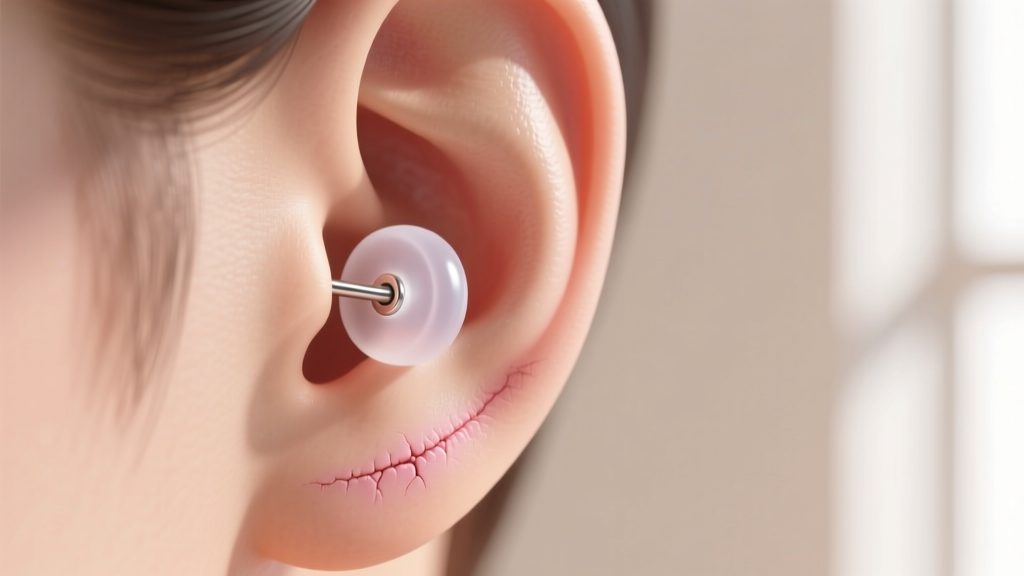
Dealing with raised, stubborn scar tissue after a piercing or ear surgery can be incredibly frustrating. If you have noticed a thick, rubbery bump forming on your earlobe or cartilage, you are likely dealing with a hypertrophic scar or a true keloid. While topical creams and massage offer minimal results for these aggressive collagen formations, mechanical compression remains one of the most effective, non-invasive treatments available today. Enter pressure keloid earrings—specialized jewelry designed to flatten, soften, and starve scar tissue over time.
In this comprehensive beginner's guide, we will break down the exact science behind compression therapy, the specific material grades you need to look for, and how to build a daily wear protocol that actually yields results.
The Science of Compression: How Pressure Therapy Works
To understand why pressure keloid earrings work, you need to understand the microenvironment of a scar. Keloids and hypertrophic scars are caused by an overproduction of collagen by fibroblasts. These cells require a robust blood supply to continue multiplying and building excess tissue.
Pressure earrings work on the principle of tissue ischemia. By applying continuous, gentle pressure—clinically measured between 15 and 25 mmHg—the earrings compress the local capillary beds. Since normal capillary pressure is roughly 24 mmHg, this targeted compression restricts blood flow just enough to starve the fibroblasts of oxygen and nutrients without causing tissue necrosis. Deprived of their fuel source, the fibroblasts undergo apoptosis (programmed cell death), and the body's natural collagenase enzymes begin to break down the excess scar matrix, resulting in a flatter, paler, and softer ear.
True Keloids vs. Hypertrophic Scars: Know the Difference
Before investing in compression jewelry, it is vital to correctly identify your scar type, as the timeline for treatment varies drastically between the two.
- Hypertrophic Scars: These remain strictly within the boundaries of the original piercing hole or incision. They are usually red, raised, and itchy, but they tend to develop within 4 to 8 weeks of the trauma. Pressure therapy is highly effective and can resolve these in 3 to 6 months.
- True Keloids: These are benign tumors that grow beyond the original wound margins, invading healthy skin. They often have a genetic component and can take months or years to fully manifest. According to the American Academy of Dermatology, true keloids are notoriously stubborn and often require pressure therapy combined with medical interventions like corticosteroid injections.
Magnetic vs. Screw-Back: Choosing Your Mechanism
Not all pressure keloid earrings are built the same. The mechanism that holds the front and back pads together dictates how much control you have over the compression level. Below is a comparison of the two most common designs on the market.
| Mechanism Type | How It Works | Pros | Cons | Best For |
|---|---|---|---|---|
| Magnetic | Uses rare-earth neodymium magnets to snap the front and back pads together. | Extremely easy to put on and take off; great for those with limited dexterity. | Pressure is fixed and cannot be adjusted; magnets can slip during sleep. | Earlobe scars; beginners; daytime wear. |
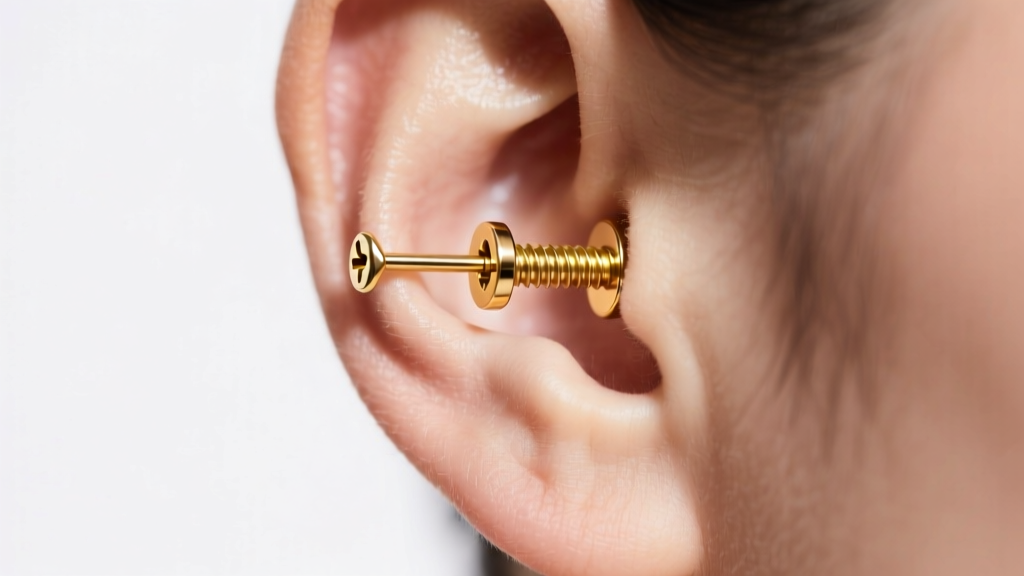
| Screw-Back / Adjustable | A threaded post allows you to manually tighten or loosen the back plate against the front pad. | Precise control over the 15-25 mmHg pressure threshold; highly secure. | Requires two hands and good vision to thread; can strip if over-tightened. | Cartilage scars; thick keloids; 24/7 wear. |
Material Grades and Biocompatibility
Because you will be wearing these earrings for up to 23 hours a day, material biocompatibility is non-negotiable. Compromised skin barriers (like scars) are highly susceptible to contact dermatitis and heavy metal leaching. When shopping for pressure keloid earrings, strictly look for the following materials:
1. Implant-Grade Titanium (ASTM F136)
This is the gold standard for any metal touching a healing or compromised piercing. ASTM F136 titanium contains zero nickel and is highly corrosion-resistant. If a brand simply says "titanium" without specifying the ASTM grade, avoid it, as it may be a lower-grade commercial alloy.
2. Medical-Grade Silicone
Often used for the actual pressure pads that touch the scar, medical silicone is inert, hypoallergenic, and provides a slight grip that prevents the earring from sliding off the earlobe. Look for pads with a Shore A hardness of 40-50, which provides enough firmness to compress tissue without cutting off circulation entirely.
3. PTFE (Polytetrafluoroethylene)
Also known as Teflon, PTFE is a biocompatible, flexible plastic often used for the posts of pressure earrings. It is entirely metal-free, making it an excellent choice for individuals with severe nickel or cobalt allergies.
Warning: Avoid "Surgical Steel" (316L). Despite the medical-sounding name, 316L stainless steel contains 10-14% nickel, which can trigger severe allergic reactions and exacerbate inflammation in scar tissue.
A Beginner’s Protocol: Wear Time, Hygiene, and Troubleshooting
Consistency is the single most important factor in scar compression therapy. Wearing your pressure keloid earrings for four hours a day will yield zero results. According to dermatological consensus outlined by the Mayo Clinic, compression therapy requires near-continuous wear to alter collagen alignment.
- The 23-Hour Rule: Aim to wear the earrings for 23 hours a day, removing them only for cleaning and showering. Expect to maintain this routine for a minimum of 6 to 12 months.
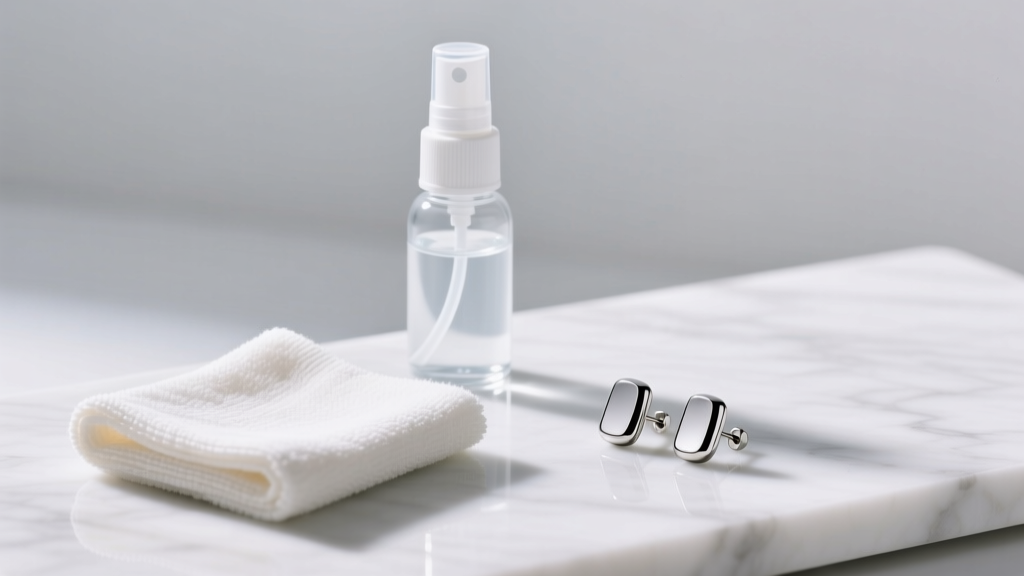
- Daily Cleaning: Remove the earrings once daily. Spray the scar and the earring pads with sterile 0.9% sodium chloride (saline) wound wash. Gently wipe away dead skin cells and sebum with a clean, lint-free microfiber cloth or non-woven gauze.
- Moisture Management: Scars can become macerated (waterlogged and white) if sweat gets trapped under the pressure pad. If you live in a humid climate or exercise heavily, consider using PTFE or silicone pads, which are less porous than fabric-backed alternatives.
Troubleshooting Common Issues
- Skin Maceration: If the skin under the pad turns white and mushy, you are trapping too much moisture. Ensure the ear is 100% dry before reapplying the earring, and consider switching to a smaller pad diameter (e.g., 6mm instead of 10mm) to allow more airflow.
- Hyperpigmentation: Friction from a pad that is too tight or made of rough material can cause post-inflammatory hyperpigmentation (PIH), making the scar look darker. Ensure your pressure is in the 15-25 mmHg sweet spot; it should feel like a firm pinch, not a sharp pain.
- Slipping During Sleep: If magnetic earrings keep falling off at night, switch to a screw-back mechanism for sleeping, or use a specialized silicone friction disc behind the earring back to increase grip.
When to Escalate to Medical Intervention
While pressure keloid earrings are a phenomenal first-line defense, they are not a cure-all for aggressive, genetically driven keloids. If your scar continues to grow beyond the piercing margins despite 3 months of consistent 23-hour compression, it is time to consult a board-certified dermatologist.
"For true keloids, pressure therapy is rarely sufficient as a standalone treatment. It is most effectively used as an adjunct therapy following intralesional corticosteroid injections (like Kenalog), cryotherapy, or surgical excision to prevent the scar from returning."
— Consensus guidelines on keloid management, StatPearls / NCBI
A dermatologist can inject the keloid with a steroid to break down the dense collagen bands, making the tissue much softer. Once the scar is flattened via injection, your pressure keloid earrings will be vastly more effective at keeping the tissue compressed and preventing a rebound.
Final Thoughts on Scar Management
Healing a raised ear piercing scar is a marathon, not a sprint. Pressure keloid earrings offer a highly effective, non-invasive, and relatively low-cost method (ranging from $20 for basic magnetic sets to $150+ for custom 14k gold adjustable pairs) to reclaim the look of your ears. By selecting the right ASTM-certified materials, adhering strictly to the 23-hour wear protocol, and knowing when to seek professional dermatological help, you can successfully flatten and fade even the most stubborn earlobe and cartilage scars.


