How to Evaluate and Buy Two Carat Diamond Earrings
Master the 4Cs, sizing, and settings with our step-by-step guide to buying two carat diamond earrings. Expert tips on lab-grown vs. natural pricing.

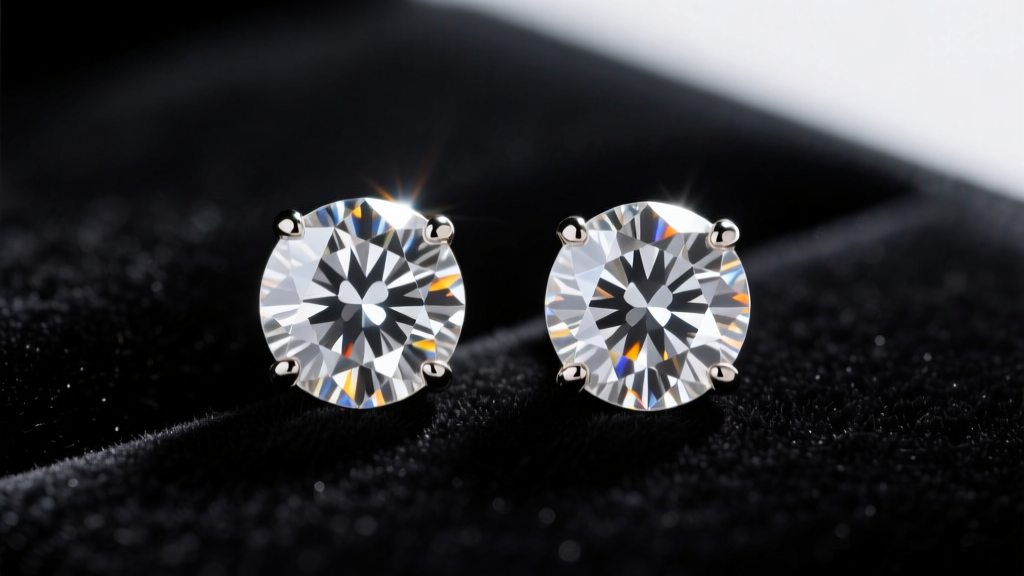
Step 1: Clarify Total Carat Weight (TCW) vs. Per-Ear Weight
The most common point of confusion when shopping for diamond studs is understanding carat weight terminology. In the jewelry industry, a pair marketed as two carat diamond earrings almost always refers to the Total Carat Weight (TCW). This means the pair consists of two diamonds weighing approximately 1.00 carat each, totaling 2.00 carats. However, some high-end boutiques may list earrings by their per-ear weight. Always verify the exact weight per stone before purchasing.
For a standard round brilliant cut, a 1.00-carat diamond measures roughly 6.4mm to 6.5mm in diameter. When evaluating a pair, you must also check for millimeter matching. A discrepancy of even 0.2mm between the left and right stone is visible to the naked eye. Demand a calibration report from the jeweler confirming both stones fall within a 0.1mm tolerance of each other.
Step 2: Dial in the 4Cs for Studs (Cut is King)
Earrings are viewed from a distance and in constant motion, meaning the grading priorities shift dramatically compared to engagement rings. According to the Gemological Institute of America (GIA), light performance is the primary driver of a diamond's beauty, making cut quality non-negotiable.
- Cut: Insist on 'Excellent' or 'Ideal' cut grades. For round brilliants, look for a depth percentage between 59% and 62.5%, and a table percentage between 53% and 58%. These proportions ensure maximum light return, making the stones appear larger and brighter from across a room.
- Color: Because studs are viewed against the skin and hair rather than directly face-up in a controlled light box, you can safely drop down the color scale. For platinum or white gold settings, G or H color stones face up completely white. For yellow or rose gold, I or J color stones offer exceptional value without showing noticeable warmth.
- Clarity: This is where you save money. Inclusions that would be unacceptable in a ring are entirely invisible in earrings. VS2 to SI1 clarity grades are the 'stud sweet spot.' Ensure the diamonds are 'eye-clean' from a distance of 12 inches.
The Stud Earring Grading Matrix
| Attribute | Ring Standard | Stud Earring Standard | Why It Differs |
|---|---|---|---|
| Clarity | VS1 - VVS2 | SI1 - VS2 | Viewing distance masks minor inclusions; prongs hide edge flaws. |
| Color | D - F | G - I | Skin tone and hair color neutralize faint warmth in lower grades. |
| Fluorescence | None - Faint | Medium - Strong | Strong blue fluorescence can make lower-color studs look whiter outdoors. |
| Symmetry | Excellent | Very Good - Excellent | Motion and distance hide minor facet misalignments. |
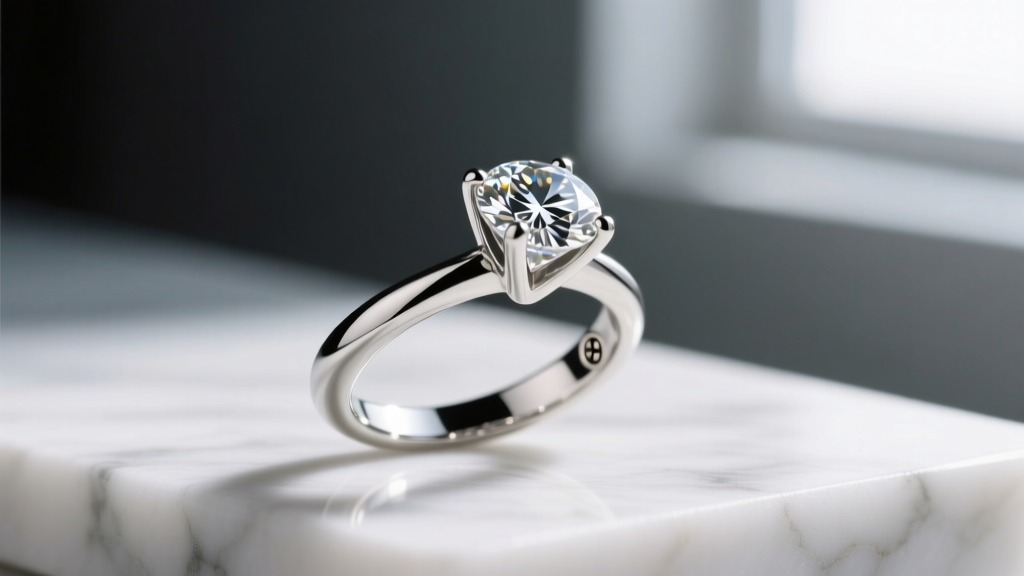
Step 3: Select the Right Setting, Post Gauge, and Backing
A 1.00-carat diamond weighs roughly 0.2 grams, but the visual leverage it places on the earlobe is significant. Choosing the wrong hardware is the leading cause of the dreaded 'earlobe droop' and, worse, lost stones.
Setting Profiles
Martini (3-Prong): Sits low and allows maximum light to enter the pavilion. However, 14k white gold martini prongs are prone to catching on hair and wearing thin over time. If choosing this style, opt for platinum.
Basket (4-Prong): The most secure and traditional option. The horizontal wire connecting the prongs adds structural integrity, preventing the setting from bending under the stone's weight.
Crown: Features a raised gallery that lifts the diamond slightly off the earlobe, allowing more light to enter from the sides while offering vintage-inspired security.
Post Gauge and Backings
Standard fashion earrings use 20-gauge (0.81mm) or 18-gauge (1.02mm) posts. For a 1.00-carat stone, an 18-gauge post is the absolute minimum, but a 16-gauge (1.29mm) post is highly recommended to eliminate drooping. Furthermore, standard friction backs (butterfly backs) are a liability for heavy stones. The American Gem Society (AGS) advises using mechanical lock backs. Always specify screw-backs or La Pousette locking backs to ensure the earrings cannot be pulled off accidentally.
Step 4: Navigate Natural vs. Lab-Grown Pricing in 2026
The market for two carat diamond earrings has undergone a massive shift. Lab-grown diamonds (LGDs), produced via Chemical Vapor Deposition (CVD) or High Pressure High Temperature (HPHT), are now chemically and optically identical to mined stones. The Federal Trade Commission (FTC) strictly regulates how these are marketed, ensuring consumers know exactly what they are buying.
- Lab-Grown 2.00 CTW Studs: In 2026, a high-quality (G/VS2) 2.00 CTW lab-grown pair in 14k gold typically ranges from $700 to $1,400. This makes achieving the 6.5mm look accessible without compromising on cut quality.
- Natural 2.00 CTW Studs: Mined diamonds retain their rarity premium. Expect to pay between $6,000 and $14,000 for a matched pair with excellent cut and G-H color, depending on the retailer's markup and the stones' specific fluorescence and symmetry grades.
Expert Tip: If purchasing lab-grown, request a certificate from IGI or GIA that explicitly maps the stone's inclusions. Some lower-tier CVD stones exhibit 'strain lines' or brownish tinges that are not always captured in the color grade.
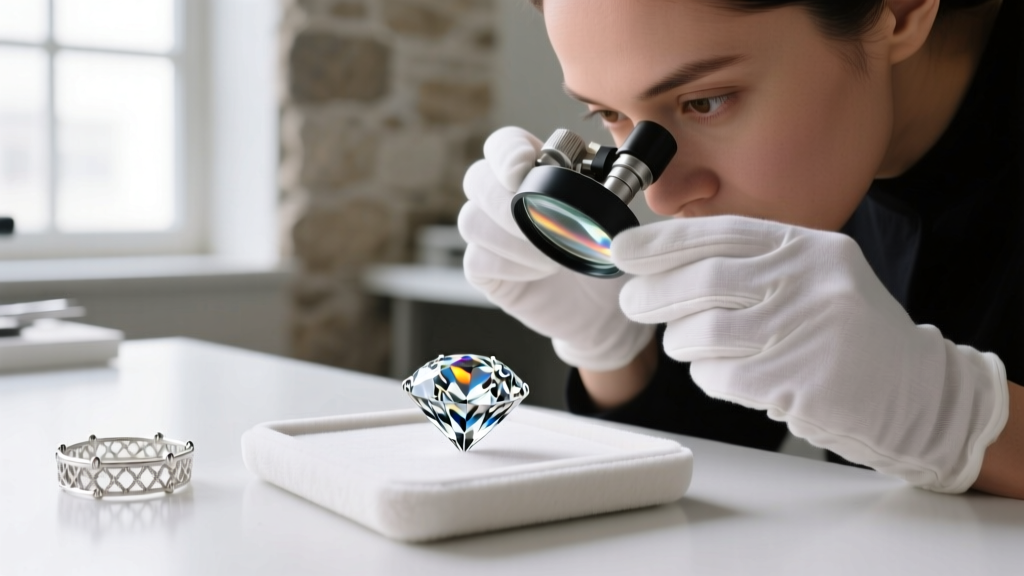
Step 5: Daily Maintenance and Prong Inspection Protocol
Diamonds are lipophilic, meaning they attract oils from your skin, hair products, and lotions. A dirty 1.00-carat diamond can lose up to 50% of its light return, making it look like a cloudy 0.50-carat stone.
'Never use an ultrasonic cleaner on diamond studs without first having a jeweler check the prongs. Ultrasonic vibrations can easily shake a loose stone out of a worn basket setting, sending it to the bottom of the tank.'
— Master Bench Jeweler
The Weekly Clean: Mix a few drops of mild, ammonia-free dish soap in warm water. Use a soft-bristled baby toothbrush to gently scrub the pavilion (the underside of the diamond) where lotion and dead skin accumulate. Rinse with distilled water to prevent hard water spots and dry with a lint-free microfiber cloth.
The Bi-Annual Check: Every six months, take your earrings to a bench jeweler. They will use a 10x loupe to inspect the prong tips for metal fatigue and check the post-to-setting weld joint, which is a common failure point in heavy stud earrings. Investing $20 in a bi-annual prong retipping is vastly cheaper than replacing a lost one-carat diamond.


