Lizard Earrings: A Material Comparison Guide for Reptile Jewelry
Discover the best metals for lizard earrings. Compare sterling silver, enamel, and titanium for scale detailing, weight, and sensitive ears.

The Metallurgy of Reptile Jewelry in 2026
Nature-inspired jewelry continues to dominate the accessory market in 2026, with lizard earrings—ranging from intricate gecko studs to articulated chameleon dangles—leading the reptilian trend. However, the organic, asymmetrical anatomy of a lizard presents unique challenges for jewelers. The overlapping scales, curved spines, and delicate toes require materials that can capture microscopic detail while remaining comfortable for daily wear. Choosing the right metal or composite is not just an aesthetic decision; it dictates the earring's weight, hypoallergenic properties, and structural longevity.
Whether you are looking for a subtle iguana silhouette for the office or a vibrant enamel chameleon for a festival, understanding the material properties behind your lizard earrings is crucial. This guide breaks down the metallurgical realities of the most common materials used in reptile jewelry, offering actionable insights for collectors and those with sensitive skin.
Sterling Silver: The Master of Scale Detail
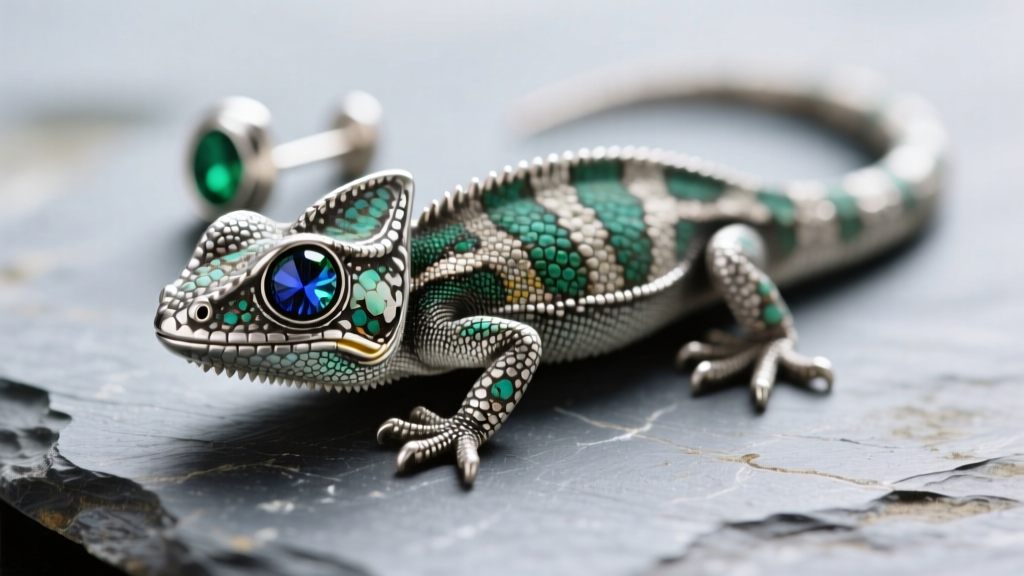
When it comes to capturing the microscopic texture of reptilian scales, 925 sterling silver remains the undisputed champion. Composed of 92.5% pure silver and 7.5% copper (or sometimes zinc for better tarnish resistance), this alloy strikes a perfect balance between malleability and durability.
The Power of Oxidation
The true magic of sterling silver lizard earrings lies in a chemical process called oxidation. Jewelers intentionally expose the finished piece to liver of sulfur, which darkens the silver. When the raised surfaces (the top of the scales) are polished back to a high shine, the recessed areas (the gaps between scales) remain black. This creates a striking, high-contrast 3D effect that makes the lizard look incredibly lifelike.
- Vickers Hardness (HV): ~60-70 HV (soft enough for intricate lost-wax casting, but prone to micro-scratches).
- Casting Method: Lost-wax casting allows for deep undercuts, perfect for wrapping lizard tails around the ear lobe.
- Price Range: $35 - $85 for detailed stud or drop styles.
Expert Insight: If you live in a high-humidity climate, look for rhodium-plated sterling silver lizard earrings. The rhodium flash (usually 0.1 to 0.2 microns thick) acts as an invisible barrier against sulfur in the air, preventing the copper alloy from turning your skin green without sacrificing the oxidized scale detailing beneath.
Enamel Over Brass: Vibrant but Fragile
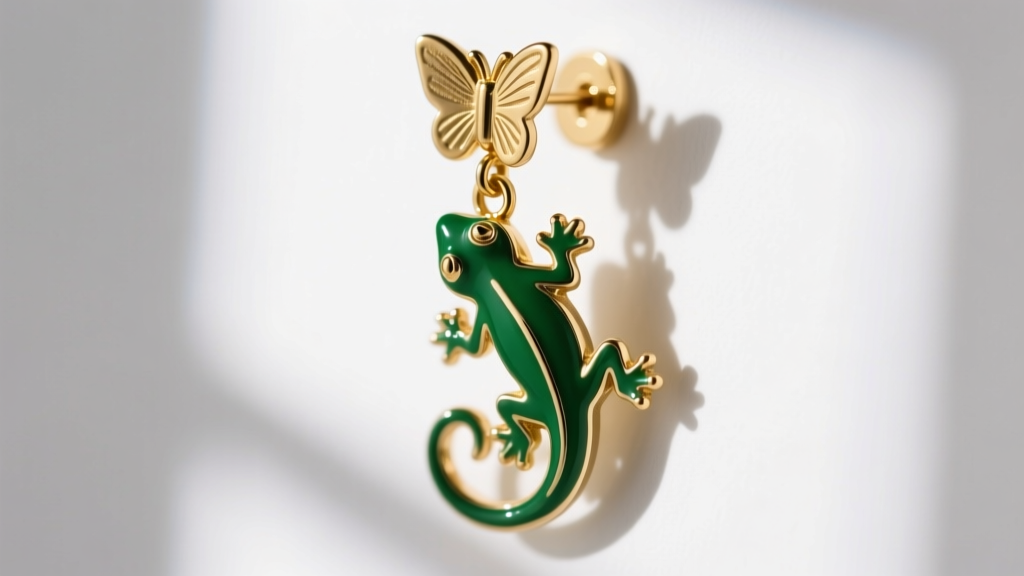
For those who prioritize color over metallic texture, enamel lizard earrings are a popular choice. These pieces typically feature a brass base that is die-struck or cast, then filled with either vitreous (glass-based) or cold (epoxy-based) enamel to mimic the bright greens, blues, and oranges of real reptiles.
Durability and Failure Modes
While visually stunning, enamel over brass comes with specific failure modes. Brass is an alloy of copper and zinc, making it highly susceptible to corrosion if the plating wears off. Furthermore, cold enamel (which is essentially a hardened resin) has a low melting point and can yellow or chip if exposed to prolonged UV light or dropped on a hard surface. Vitreous enamel, fired at over 1,400°F, is much harder (approx. 5.5 on the Mohs scale) but can shatter upon high impact.
According to jewelry manufacturing standards detailed by Rio Grande Casting, brass bases must be heavily plated with nickel or palladium before vitreous enamel application to prevent the copper from reacting with the glass and causing discoloration. Always check the product description to ensure the brass is properly sealed, especially if you have a known nickel allergy.
Implant-Grade Titanium: The Hypoallergenic Standard
If you have hyper-sensitive ear lobes or are getting a fresh cartilage piercing and want a lizard-themed flat-back stud, you must bypass silver and brass entirely. The gold standard for sensitive skin is ASTM F136 implant-grade titanium (Ti-6Al-4V).
The Manufacturing Challenge
Titanium has a melting point of over 3,000°F and is highly reactive with oxygen when molten, making traditional lost-wax casting nearly impossible for small, intricate jewelry studios. Therefore, highly detailed titanium lizard earrings are usually produced via CNC micro-milling or Direct Metal Laser Sintering (DMLS), a form of 3D printing that fuses titanium powder layer by layer.
Because of this manufacturing hurdle, titanium lizard designs tend to be slightly more geometric or stylized compared to the hyper-realistic silver counterparts. However, the trade-off is worth it: titanium is completely nickel-free, 45% lighter than stainless steel, and impervious to sweat and chlorine.
Material Comparison Chart: Weight, Durability, and Price
To help you make an informed purchasing decision, we have compiled a data table comparing the four most common materials used in lizard earrings. The weight metric is based on a standard 1.5-inch articulated gecko dangle.
| Material | Detail Resolution | Weight (1.5in Dangle) | Hypoallergenic? | Avg Price (2026) |
|---|---|---|---|---|
| 925 Sterling Silver | Exceptional (Oxidized) | 4.2 grams | Mostly (Contains Copper) | $45 - $85 |
| Enamel over Brass | Moderate (Color-blocked) | 5.1 grams | No (Risk of Nickel/Lead) | $18 - $35 |
| ASTM F136 Titanium | Good (Stylized/CNC) | 2.3 grams | Yes (100% Biocompatible) | $50 - $110 |
| 14k Gold Vermeil | High (Cast & Polished) | 4.5 grams | Yes (If thick plating) | $65 - $130 |
Gauge Thickness and Ear Lobe Biomechanics
A frequently overlooked aspect of lizard earrings is the gauge (thickness) of the ear wire or post. Lizards, particularly those with long tails or articulated limbs, can be surprisingly heavy or prone to catching on hair and clothing.
Preventing the Cheese-Cutter Effect
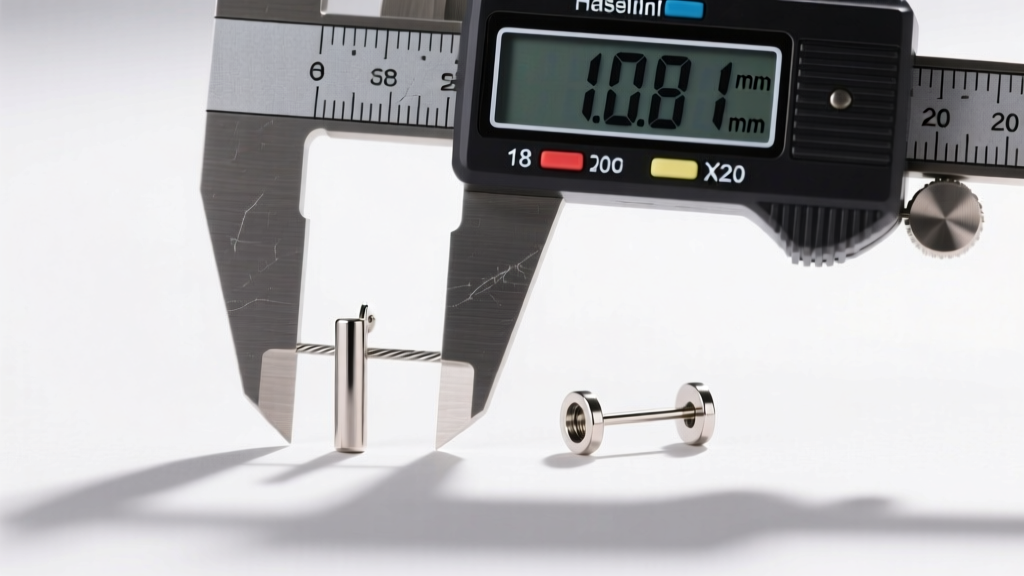
Standard earring posts are 20-gauge (0.81mm). While fine for lightweight studs, a heavy solid silver lizard dangle on a 20-gauge wire will create excessive downward pressure on the piercing hole. Over time, this causes the 'cheese-cutter effect,' where the thin wire slowly migrates downward, stretching and eventually tearing the ear lobe.
- For Lizard Studs (Under 3g): 20-gauge (0.81mm) or 19-gauge (0.91mm) posts are perfectly safe.
- For Lizard Dangles (3g - 6g): Insist on 18-gauge (1.02mm) ear wires. The 25% increase in thickness drastically reduces localized pressure on the lobe tissue.
- For Cartilage/Helix Lizards: Always use 16-gauge (1.29mm) or 14-gauge (1.63mm) flat-back labret posts to prevent migration and rejection in dense cartilage tissue.
Care and Maintenance: Preventing Tarnish and Enamel Loss
Proper maintenance ensures your reptile jewelry retains its anatomical accuracy and structural integrity for decades. The care routine depends entirely on the material profile of your earrings.
Silver and Gold Vermeil
Store your oxidized silver lizard earrings in an airtight ziplock bag with a 3M anti-tarnish strip. Never use liquid silver dips or ultrasonic cleaners on oxidized pieces; the harsh chemicals and high-frequency vibrations will strip the intentional black patina from the scales, leaving the earring looking flat and washed out. Instead, use a soft, dry microfiber cloth to gently buff only the raised, polished areas.
Enamel and Resin
Keep enamel lizard earrings away from direct sunlight when not in use to prevent UV degradation of the pigments. Clean them only with a damp cloth and mild, non-abrasive soap. Avoid any contact with hand sanitizers, perfumes, or acetone, as alcohol-based solvents will instantly cloud the surface of cold epoxy enamel, ruining the glossy, reptilian sheen.
By matching the material to your lifestyle and anatomical needs, your lizard earrings will remain a striking, comfortable, and durable staple in your jewelry collection for years to come.


