What Does an Earring in the Left Ear Mean? Care & Style Guide
Discover what an earring in the left ear means today, plus expert 2026 cleaning, maintenance, and healing tips for single-ear piercings.

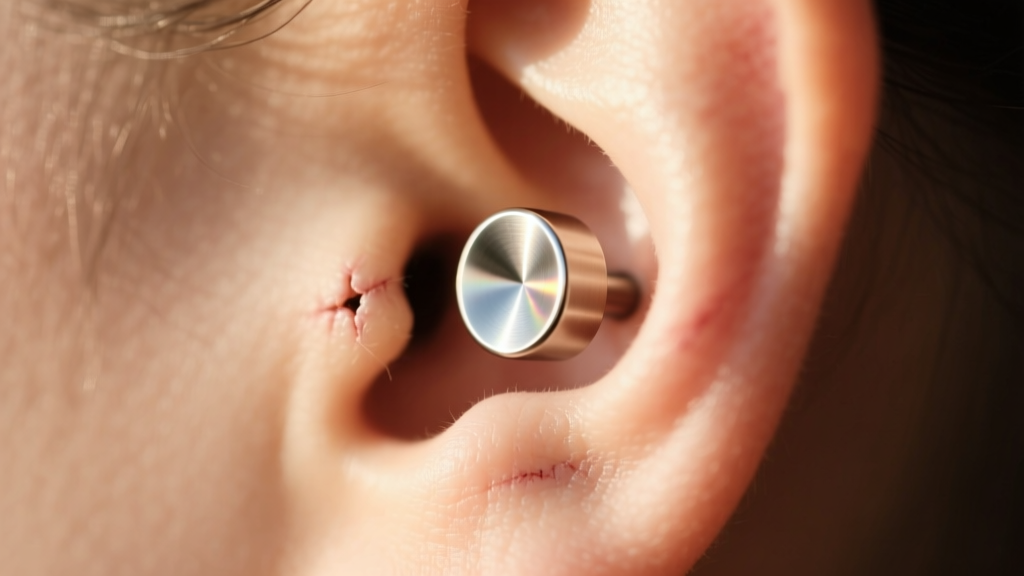
For decades, single-ear piercings carried hidden cultural codes, but modern ear curation has entirely rewritten the rules. If you have ever found yourself asking what does an earring in the left ear mean, the short answer is that in 2026, it means absolutely nothing more than personal style, facial symmetry, and aesthetic preference. However, while the cultural myths have faded, the biological realities of maintaining a single-side or asymmetrical piercing remain critically important.
Wearing an earring exclusively in your left ear—or favoring it heavily in a curated stack—requires specific maintenance protocols. From sleep-induced pressure necrosis to unilateral irritation bumps, managing a left-dominant ear profile demands expert-level aftercare. This comprehensive guide decodes the historical myths and pivots into the deep, actionable science of left-ear piercing care, healing, and long-term maintenance.
The Cultural Myth vs. Modern Aesthetics
Historically, the question of what does an earring in the left ear mean stems from the 1970s and 1980s, when a covert subcultural code dictated that a left-ear piercing on a man signaled homosexuality, while the right ear signaled heterosexuality. Prior to that, sailors pierced their left ears based on the nautical superstition that it improved long-distance eyesight or served as a gold burial fund if they washed ashore.
Today, these archaic codes are entirely obsolete. Modern jewelry enthusiasts and professional piercers approach ear curation purely through the lens of anatomy and aesthetics. Choosing to wear a statement hoop, a delicate huggie, or a structural ear cuff solely on the left side is a deliberate styling choice designed to balance asymmetrical haircuts, highlight a specific jawline, or draw attention to a favored side of the face. With the cultural baggage removed, the focus must shift entirely to the physiological care of the piercing itself.
The Real Meaning: Listening to Your Ear's Health Signals
Rather than signaling your identity, your left ear is constantly communicating its physiological health. When you wear a single earring or favor one side, you are more likely to notice subtle changes in tissue response. Understanding these signals is the foundation of expert piercing maintenance.
- Localized Erythema (Redness): A faint pink halo around the fistula (the piercing hole) is normal during the first 4-8 weeks. If it spreads or feels hot, it indicates contact dermatitis or early infection.
- Lymphatic Crusting: Clear or pale yellow fluid that dries into a crust is lymph, not pus. It is a sign of active healing and requires gentle softening, not aggressive picking.
- Migration Indicators: If the jewelry in your left ear appears closer to the edge of the skin than when it was initially pierced, your body is rejecting the foreign object, often due to improper gauge sizing or surface pressure.
Asymmetrical Care: Managing Single-Side Irritation
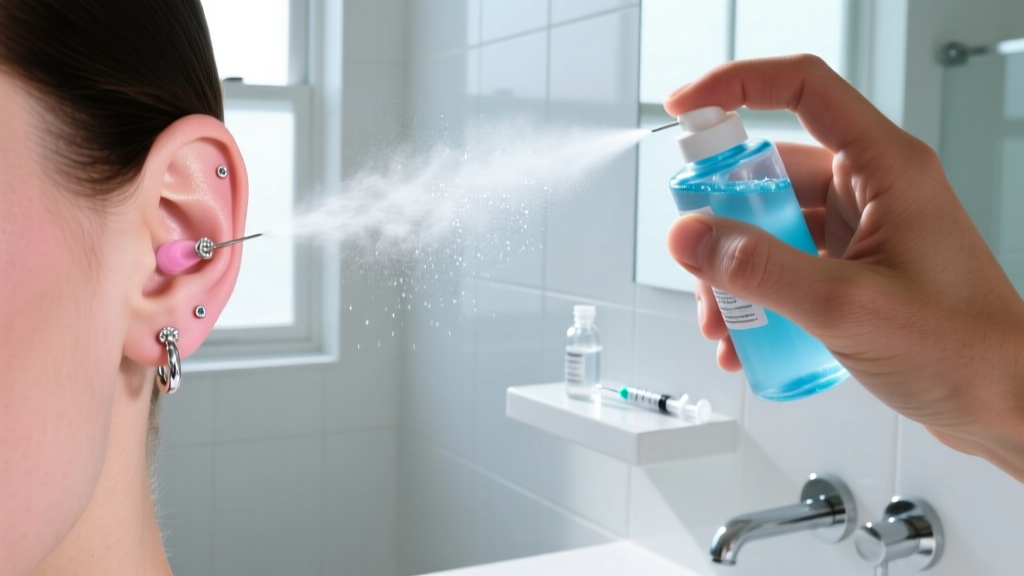 The most common cause of chronic irritation in a left-ear piercing is mechanical trauma from sleeping. If you are a side-sleeper who favors your left side, the continuous pressure against a cotton pillowcase can cause the jewelry post to tilt inside the fistula. Over time, this micro-trauma leads to hypertrophic scarring (commonly misidentified as 'irritation bumps') and can even cause the jewelry to embed into the tissue.
Pressure Mitigation Strategies
To protect your left ear during the critical 6-to-12-month healing window (especially for cartilage placements like the helix or conch), you must eliminate sleep pressure.
- The U-Shaped Travel Pillow: Position your left ear in the hollow center of a memory foam travel pillow. This suspends the ear in open air, preventing any fabric friction or compression.
- Silk Pillowcases: If you must sleep on the left side, switch to a 22-momme mulberry silk pillowcase. Silk creates significantly less friction than cotton, reducing the drag on threadless ends and captive bead rings.
- Downsizing the Post: Visit your piercer at the 4-week mark to downsize the titanium labret post. A post that is too long acts as a lever, multiplying the mechanical force applied to the fistula when your head rests on a pillow.
The 2026 Cleaning Protocol for Lobe and Cartilage
Proper cleaning is non-negotiable, yet outdated advice continues to cause cellular damage. The Association of Professional Piercers (APP) strictly advises against using harsh chemicals that destroy the fragile fibroblasts responsible for rebuilding tissue inside the fistula.
What to Avoid (The Cytotoxic List)
Never apply the following to your left ear piercing, as they cause chemical burns and delay healing:
- Rubbing Alcohol & Hydrogen Peroxide: These desiccate the tissue and kill healthy regenerating cells.
- Tea Tree Oil: Highly caustic and a known allergen that frequently triggers severe contact dermatitis in piercing channels.
- Antibiotic Ointments: Products like Neosporin create an occlusive barrier that traps anaerobic bacteria and blocks oxygen flow to the wound.
The Sterile Saline Method
The only solution recommended by the American Academy of Dermatology and professional piercers is sterile wound wash.
- Purchase a pressurized can of sterile saline containing exactly two ingredients: 0.9% sodium chloride and purified water (e.g., NeilMed Piercing Aftercare).
- Spray the solution directly onto the left ear piercing twice daily (morning and night).
- Allow the saline to soak for 30 seconds to soften any lymphatic crusts.
- Gently wipe away debris using non-woven sterile gauze. Never use cotton swabs or balls, as they shed microscopic fibers that can become trapped in the healing fistula, causing granulomas.
Material Grades: What Your Jewelry is Telling You
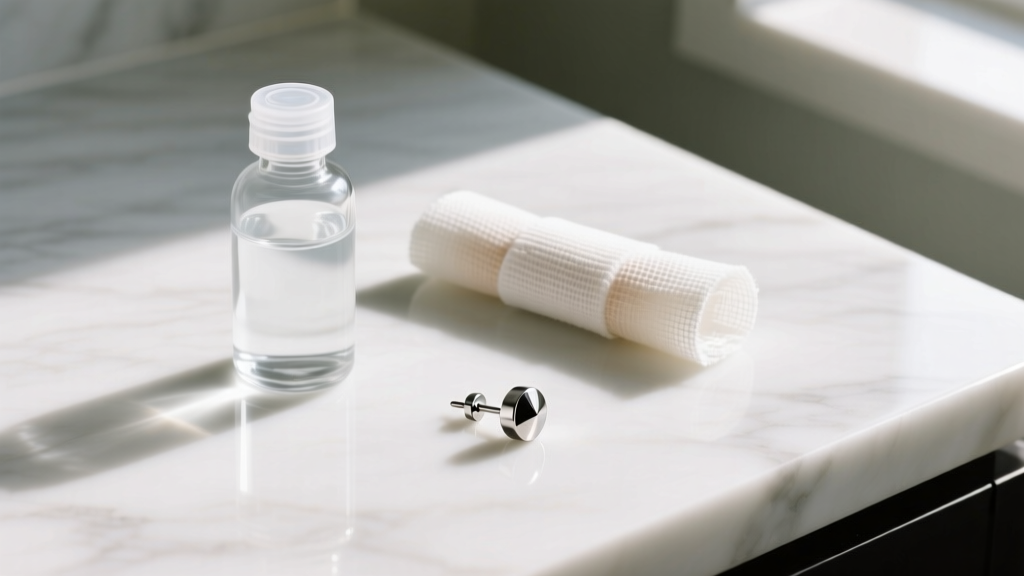 The meaning behind a chronic, weeping left ear piercing often comes down to metallurgy. Many commercial jewelry brands use 'surgical steel' as a catch-all term, but the exact alloy dictates whether your body accepts or rejects the metal. Nickel allergies affect roughly 10-15% of the population, and prolonged exposure to low-grade metals in a single ear can lead to permanent localized contact dermatitis.
| Material | ASTM Standard | Best For | Nickel Release |
|---|---|---|---|
| Implant-Grade Titanium | F136 | Fresh piercings, highly sensitive lobes | None (Biocompatible) |
| Surgical Steel | F138 | Fully healed lobes only | Trace amounts |
| Niobium | N/A (Reactive) | Cartilage, healed curated stacks | None |
| 14k/18k Solid Gold | N/A (Alloy) | Healed, high-end curated ears | Varies (Avoid white gold) |
For a newly pierced left ear, or one prone to irritation, ASTM F136 implant-grade titanium is the absolute gold standard. It is polished to a mirror finish (Ra < 0.5 µm), which prevents bacteria from adhering to microscopic scratches on the metal surface.
Troubleshooting Common Left Ear Complications
Even with meticulous care, anatomical quirks can lead to complications. Here is how to troubleshoot specific issues that frequently affect single-side or asymmetrical ear styling.
Hypertrophic Scarring (Irritation Bumps)
If a raised, pink, or flesh-colored bump forms adjacent to your left ear piercing, it is likely a hypertrophic scar caused by mechanical irritation (sleeping on it, snagging on hairbrushes). Solution: Apply a warm, sterile saline compress for 5 minutes daily to increase localized blood flow, and ensure your jewelry angle is perfectly perpendicular to the tissue. Do not use aspirin paste, which will chemically burn the skin.
The 18-Gauge vs. 16-Gauge Dilemma
Standard mall-kiosk piercings are often done at 20g or 18g. However, thinner jewelry acts like a wire cheese-cutter in the soft tissue of the earlobe, especially if you wear heavy dangles or statement hoops on your left side. Solution: Have a professional piercer stretch the healed fistula to 16g or 14g. The thicker surface area distributes the weight of the earring more evenly, preventing migration and the dreaded 'cheese-cutter effect' tearing through the lobe.
Moisture Trapping in the Conch or Rook
If your left ear features deep cartilage piercings like a rook or conch, water can become trapped behind the jewelry folds after showering, leading to fungal or bacterial overgrowth. Solution: After showering, use a hair dryer on the 'cool' setting, held at least 12 inches away, to gently evaporate trapped moisture from the deep folds of the left ear cartilage.
When to See a Professional
While most left ear irritation can be managed at home through strict adherence to sterile saline protocols and pressure mitigation, true infections require medical intervention. If you experience throbbing pain that radiates down your neck, thick green or dark yellow discharge, a systemic fever, or cartilage that feels hot and swollen to the touch, bypass the piercing studio and consult a dermatologist or urgent care physician immediately. Cartilage infections (perichondritis) can lead to permanent tissue necrosis if not treated with targeted oral antibiotics. By understanding the true biological meaning behind your ear's signals, you can maintain a flawless, healthy, and stylish left-ear curation for decades to come.

