Expert Care & Cleaning Tips for Hocus Pocus Earrings
Discover expert care and cleaning tips for Hocus Pocus earrings. Learn how to protect enamel, prevent alloy tarnish, and maintain your spooky jewelry.

The Magic of Maintaining Fandom Jewelry
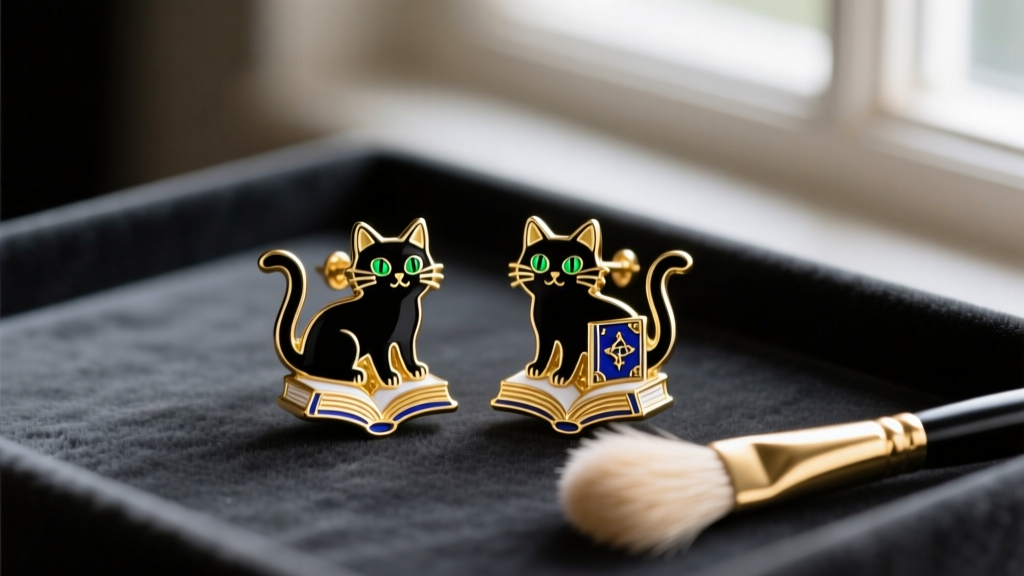
Whether you are a year-round resident of Salem or just gearing up for a Halloween marathon, Hocus Pocus earrings are a staple of any spooky jewelry collection. From intricate Sanderson sisters silhouette drops to chunky Black Flame candle studs, these novelty pieces are beloved for their detailed designs and vibrant colors. However, the very materials that make these earrings so visually striking—cold enamel, painted resins, and thinly plated zinc alloys—also make them highly susceptible to damage if cleaned using traditional fine jewelry methods.
As a senior jewelry stylist, I frequently see collectors ruin their favorite fandom pieces by treating them like solid gold or diamonds. Novelty earrings require a specialized, gentle approach to preserve their e-coating, prevent base metal oxidation, and keep their painted details intact. In this comprehensive 2026 guide, we will break down the exact chemistry and physics of your Hocus Pocus earrings, providing actionable, expert-level maintenance routines to ensure they survive many more covens and movie nights.
Material Breakdown: What Are Your Earrings Actually Made Of?
Before applying any cleaning solution, you must identify the materials used in your specific pair. Most officially licensed or high-quality fan-made Hocus Pocus earrings rely on a combination of base metals and synthetic colorants. Understanding the material hardness and chemical vulnerabilities is the first step in proper care.
Cold Enamel vs. Vitreous Enamel
The vibrant purples, greens, and blacks used to depict potion bottles and spellbooks are typically achieved using cold enamel (an epoxy-based resin). Unlike vitreous enamel, which is glass-based and fired at high temperatures, cold enamel cures at room temperature. On the Mohs hardness scale, cold enamel sits at a mere 2 to 3, meaning it can be easily scratched by dust, coarse fabrics, or abrasive polishing cloths. Furthermore, cold enamel is highly reactive to alcohol and acetone, which will instantly cloud or melt the resin.
Zinc Alloy and E-Coating
The base of most 3D-cast novelty earrings is a zinc alloy (often referred to as pot metal). Because zinc alloy tarnishes rapidly and can cause skin irritation, manufacturers use a process called electrophoretic deposition (e-coating) to seal the metal, followed by a micro-thin layer of gold or silver plating. According to the FTC Jewelry Guides, this plating is often less than 2 microns thick. Aggressive polishing will strip this plating entirely, exposing the raw, dull alloy beneath.
| Material Component | Primary Vulnerability | Safe Cleaner | Strictly Avoid |
|---|---|---|---|
| Cold Enamel (Resin) | Scratching, chemical melting | Dry microfiber, mild soap | Alcohol, acetone, ultrasonic |
| Zinc Alloy Base | Oxidation, moisture trapping | Anti-tarnish storage | Water submersion, steam |
| Gold/Silver E-Plating | Friction wear, chemical stripping | Soft cotton swabs | Silver dip, polishing cloths |
| Surgical Steel Posts | Bending, sebum buildup | Isopropyl alcohol (post only) | Bending, harsh brushing |
Step-by-Step Cleaning Routine for Enamel and Plated Earrings
When your spellbook dangles or black cat studs accumulate skin oils, makeup, or environmental dust, it is time for a deep clean. Follow this exact protocol to remove grime without compromising the structural integrity of the earring.
Step 1: The Dry Dusting Method
Never apply liquid to a dusty earring. Dust contains microscopic silica particles that can act like sandpaper on soft cold enamel. Use a clean, dry, ultra-fine microfiber cloth or a soft-bristled makeup brush to gently sweep away surface debris. Pay special attention to the crevices around the earring posts and the butterfly backings, where dead skin cells and sebum tend to accumulate.
Step 2: The Mild Lather Technique
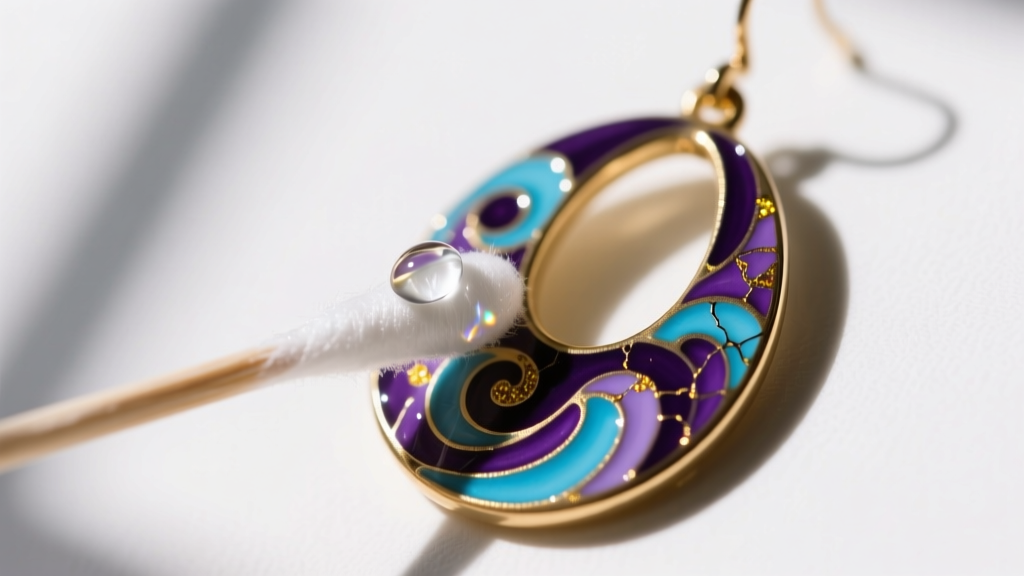
If dry dusting is insufficient, prepare a cleaning solution using one drop of pH-neutral dish soap (like Dawn) in a bowl of lukewarm distilled water. Do not submerge the earrings. Instead, dip a cotton swab into the solution, dab it on a paper towel to remove excess moisture, and gently roll it over the metal and enamel surfaces. The slight dampness will lift body oils without allowing water to seep into the microscopic seams between the metal casting and the enamel fill.
Step 3: Targeted Post Sanitization
The earring post is usually made of 20-gauge (0.81mm) surgical stainless steel. Unlike the decorative face, the post can and should be sanitized. Dip a separate cotton swab in 70% isopropyl alcohol and wipe only the metal post. This kills bacteria and removes buildup without risking contact with the delicate enamel or e-coated alloy of the earring face.
What to Avoid: The Fastest Ways to Ruin Novelty Earrings
Many well-meaning collectors destroy their Hocus Pocus jewelry by applying traditional fine jewelry cleaning methods. To protect your investment, completely avoid the following practices:
- Ultrasonic Cleaners: The high-frequency cavitation bubbles generated by ultrasonic machines will shatter cold enamel, loosen glued-in rhinestones, and strip e-coating in seconds.
- Commercial Silver Dips: These highly acidic chemical baths are designed for solid sterling silver. They will instantly corrode zinc alloy and turn gold plating a permanent, muddy black.
- Jewelry Polishing Cloths: Cloths impregnated with jeweler's rouge or micro-abrasives will sand right through the 2-micron gold plating, exposing the raw base metal.
- Hairspray and Perfume Exposure: Always put your earrings on after applying cosmetics. The alcohol and aerosol propellants in hairspray will cause irreversible clouding on resin enamel.
Storage Solutions to Prevent Enamel Chipping and Tarnish
Proper storage is arguably more important than cleaning when it comes to novelty earrings. Zinc alloy is highly reactive to humidity, and cold enamel is prone to chipping when knocked against harder objects.
The Anti-Tarnish Bag Method
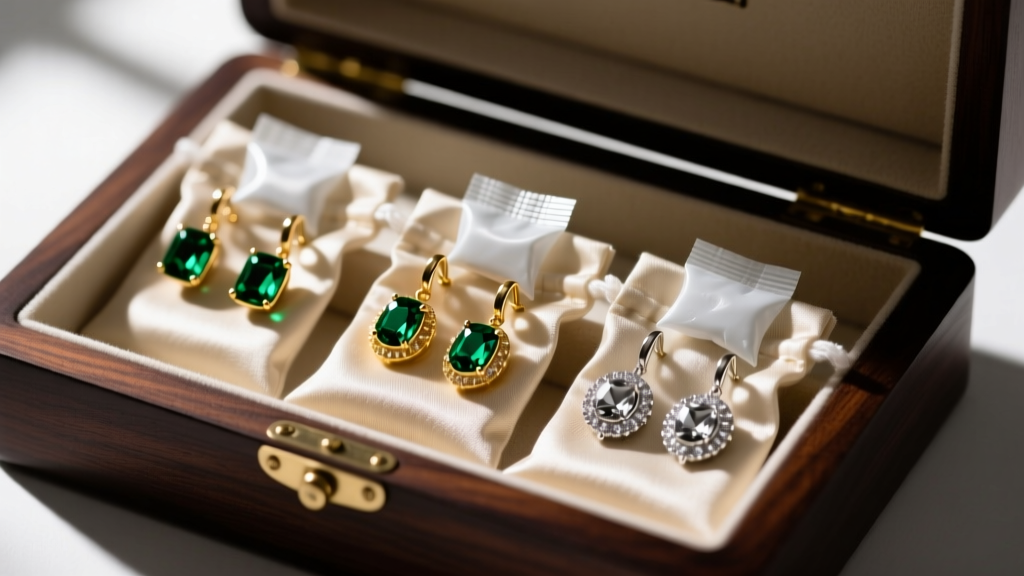
Store each pair of Hocus Pocus earrings in its own individual anti-tarnish ziplock bag. These bags are treated with a polymer that absorbs sulfur and other airborne pollutants that cause metal oxidation. For an extra layer of protection, drop a small silica gel packet into each bag to maintain a zero-humidity microenvironment. This is especially critical if you live in a humid climate, as trapped moisture will cause the zinc alloy to pit and bubble beneath the plating.
Avoiding Galvanic Corrosion
Never store your gold-plated Hocus Pocus earrings in the same compartment as sterling silver or copper pieces. When dissimilar metals touch in the presence of ambient moisture, a process called galvanic corrosion occurs, which will rapidly accelerate the degradation of the thinner, less noble metal (in this case, your novelty plating).
Troubleshooting Common Hocus Pocus Earring Issues
Even with meticulous care, you may encounter specific issues common to fandom jewelry. Here is how to troubleshoot them like a professional.
The "Green Skin" Reaction
If your earlobes turn green or black after wearing your earrings, it is due to a chemical reaction between the copper or zinc in the base metal and the natural acidity of your skin (which typically ranges from a pH of 4.5 to 6.0). If the e-coating has worn off the back of the earring, apply a thin layer of clear, hypoallergenic nail polish to the back of the metal face. Let it cure for 24 hours before wearing. This creates a physical barrier between the reactive alloy and your skin.
Stuck or Tarnished Butterfly Backings
The friction backings on novelty earrings are often made of cheap brass that tarnishes and seizes up, making them difficult to remove. If a backing is stuck, do not pull forcefully, as you will bend the 20-gauge post. Instead, apply a microscopic drop of mineral oil to the post using a toothpick. Let it sit for five minutes to break down the oxidized sebum, then gently twist and pull the backing off. Replace cheap brass backings with high-quality surgical steel or silicone friction backs for a smoother, safer experience.
Chipped or Scratched Enamel
Unfortunately, once cold enamel is chipped, it cannot be seamlessly repaired at home. However, you can prevent further degradation by applying a microscopic layer of clear, UV-resistant resin over the damaged area to seal it from moisture and prevent the surrounding enamel from peeling. For high-value or rare limited-edition pieces, consult a professional jeweler who specializes in epoxy resin restoration.
Conclusion
Caring for Hocus Pocus earrings requires a departure from traditional jewelry maintenance. By understanding the delicate nature of cold enamel and the chemical vulnerabilities of e-coated zinc alloys, you can adapt your cleaning and storage routines to protect these whimsical pieces. Stick to dry dusting, mild spot-cleaning, and isolated anti-tarnish storage, and your Sanderson sisters, black cats, and spellbooks will remain brilliantly detailed and ready to cast their sartorial spell for years to come.


