Expert Care & Cleaning Guide for Silver Disk Earrings
Discover expert techniques to clean, polish, and store your silver disk earrings. Prevent tarnish and maintain brilliance with our detailed care guide.

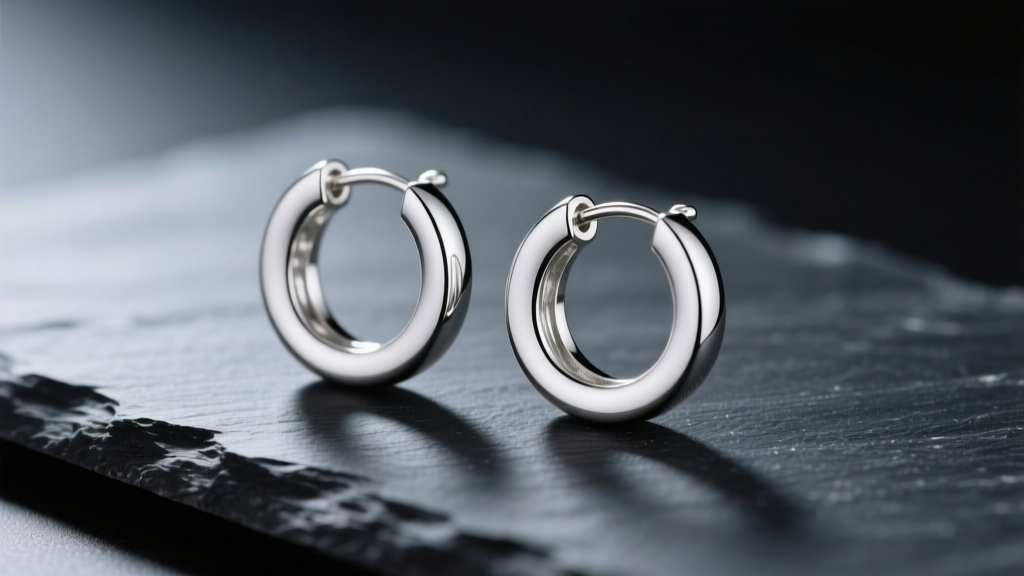
Silver disk earrings are a cornerstone of minimalist jewelry, offering a sleek, versatile aesthetic that transitions seamlessly from casual daywear to formal evening events. However, the brilliant mirror finish of a bare silver disk is highly susceptible to environmental factors. Without proper care, maintenance, and cleaning, even the highest quality silver will lose its luster, accumulating micro-scratches and a dull, yellowish-black tarnish. This comprehensive guide provides actionable, metallurgically sound protocols to maintain your silver disk earrings in pristine condition.
The Metallurgy of Tarnish: Why Silver Disks Lose Their Shine
To properly care for silver disk earrings, you must first understand the alloy. Most high-quality silver jewelry is crafted from 925 Sterling Silver, which consists of 92.5% pure silver and 7.5% alloying metals—almost always copper. Pure silver (999 fine silver) is highly resistant to tarnish but is far too soft to hold the structural integrity required for earring posts or the rigid flatness of a disk face.
The copper in 925 sterling silver is the culprit behind tarnish. When copper is exposed to moisture and sulfur compounds in the air (specifically hydrogen sulfide), it undergoes a chemical reaction that forms silver sulfide (Ag2S). This manifests as the dull yellow, brown, or black film on your earrings. According to the Gemological Institute of America (GIA), everyday environmental factors like high humidity, air pollution, and even the natural acidity of your skin can accelerate this oxidation process.
Daily Wear & Tear: Gauge Sizes and Post Maintenance
While the disk face catches the eye, the earring post and backing are where the most aggressive biological buildup occurs. Standard silver disk earrings typically feature a 20-gauge (0.81mm) or 18-gauge (1.02mm) post. The friction backs (butterfly clasps) are notorious for trapping sebum, dead skin cells, and cosmetic residues.
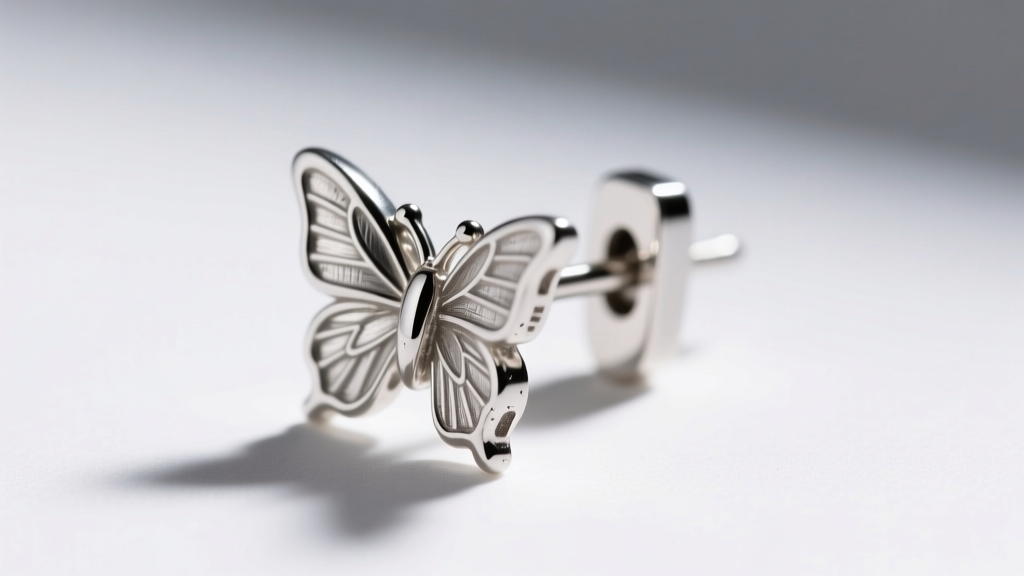
If left uncleaned, this biological matter creates an acidic micro-environment that can corrode the silver post and cause skin irritation or contact dermatitis. Weekly Post Maintenance: Remove the friction back and wipe the post with a cotton swab dipped in 70% isopropyl alcohol. Use a soft-bristled baby toothbrush to gently scrub the crevices inside the butterfly clasp. Never use harsh abrasives on the post, as altering its smooth surface can cause micro-tears in your earlobe piercing channel.
Step-by-Step Cleaning Protocols for 925 Sterling Silver Disks
When the mirror finish of your disk earrings begins to cloud, it is time for a deep clean. The method you choose depends on the severity of the tarnish and the specific finish of the metal.
Method 1: The Mild Surfactant Wash (For Light Soil and Oils)
For routine cleaning to remove skin oils and lotion residue, a mild surfactant is all you need.
- Mix three drops of phosphate-free dish soap (like Dawn) into a bowl of lukewarm water.
- Submerge the silver disk earrings for 3 to 5 minutes.
- Gently brush the front and back of the disk with a clean, ultra-soft baby toothbrush, paying special attention to the solder joint where the post meets the disk.
- Rinse thoroughly under distilled water to prevent hard water mineral spots.
- Dry immediately with a lint-free microfiber cloth.
Method 2: Electrochemical Reduction (For Heavy Tarnish)
If your silver disks have developed a dark, stubborn layer of silver sulfide, avoid abrasive polishing pastes that remove microscopic layers of silver. Instead, use an electrochemical reduction bath. This method reverses the tarnish reaction, transferring the sulfur from the silver to a sacrificial anode.
- Line a glass or ceramic bowl with aluminum foil, shiny side up.
- Place your tarnished silver disk earrings directly on the foil (they must touch the aluminum).
- Sprinkle 1 tablespoon of baking soda (sodium bicarbonate) and 1 teaspoon of non-iodized salt over the jewelry.
- Pour 1 cup of boiling water into the bowl. You will see bubbling and may smell a faint sulfur (rotten egg) odor.
- Let the earrings sit for 2 to 4 minutes. The silver sulfide will chemically transfer to the aluminum foil.
- Remove with wooden tongs, rinse in distilled water, and buff dry with a microfiber cloth.
CRITICAL WARNING: Never use the electrochemical foil bath on silver disk earrings that feature an intentional oxidized (blackened) patina, gemstones set with epoxy, or a rhodium-plated finish, as the chemical reaction can strip or cloud these treatments.
Ultrasonic Cleaners: Frequency and Safety Parameters
Many jewelry enthusiasts invest in ultrasonic cleaners for their collections. For plain, unembellished silver disk earrings, an ultrasonic cleaner operating at a frequency of 40 to 45 kHz is highly effective at dislodging microscopic debris from the post solder joint. However, cavitation bubbles generated by ultrasonic waves can easily shatter brittle gemstones or shake loose stones secured with adhesive. If your silver disks feature inlaid onyx, turquoise, or mother-of-pearl, stick to the manual surfactant wash. For expert guidance on mechanical cleaning limits, refer to the Jewelers of America maintenance guidelines.
Cleaning Agents: What to Use and What to Avoid
Not all silver cleaners are created equal. Commercial 'silver dips' often contain thiourea, a toxic chemical that strips tarnish instantly but leaves behind a microscopic residue that actually accelerates future tarnishing. Below is a comparison of common cleaning agents for silver disk earrings.
| Cleaning Agent | Mechanism | Safety for 925 Silver Disks | Best Use Case |
|---|---|---|---|
| Mild Dish Soap | Surfactant / Degreaser | Very Safe | Weekly oil and lotion removal |
| Aluminum Foil Bath | Electrochemical Reduction | Safe (Bare Silver Only) | Heavy, dark silver sulfide tarnish |
| Jeweler's Polishing Cloth | Micro-abrasion / Chemical | Safe (Use Sparingly) | Restoring mirror shine and light oxidation |
| Commercial Silver Dips | Chemical Stripping (Thiourea) | Poor (Leaves Residue) | Avoid; causes rapid re-tarnishing |
| Baking Soda Paste | Mechanical Abrasion | Poor (Scratches Mirror Finish) | Avoid on polished disk faces |
Advanced Storage Solutions to Halt Oxidation
Proper storage is the most effective preventative maintenance for silver disk earrings. The goal is to eliminate exposure to ambient humidity and sulfur-rich air.
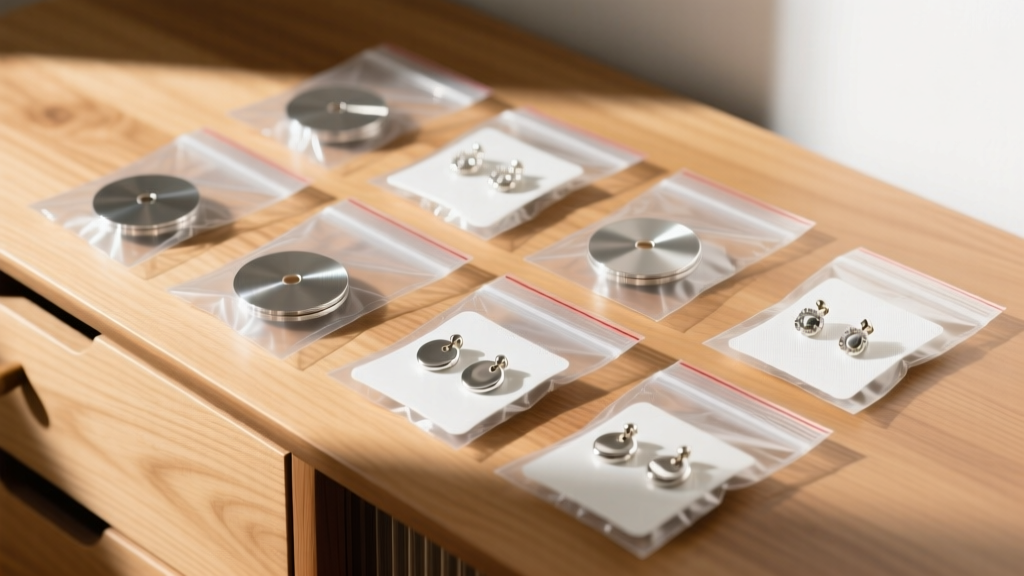
Always store your silver disks in polyethylene (PE) or Mylar bags. Avoid polyvinyl chloride (PVC) plastics at all costs; PVC emits sulfur compounds and acidic plasticizers that will rapidly blacken silver and cause irreversible pitting. To create an optimal micro-environment, drop a 3M anti-tarnish strip into the bag. These strips contain zinc particles that act as a sacrificial metal, absorbing hydrogen sulfide before it can reach your earrings. Replace the strips every 3 to 6 months depending on your local humidity levels.
Restoring the Mirror Finish: Dealing with Micro-Scratches
Over time, the flat, expansive surface of a silver disk earring will accumulate micro-scratches from contact with hair, clothing, and improper polishing. While a standard treated polishing cloth (like a Sunshine cloth) is excellent for removing tarnish, the micro-abrasives embedded in the cloth will eventually dull a high-polish mirror finish if used aggressively.
For deep scratches that catch your fingernail, chemical cleaners will not suffice. The disk must be professionally re-polished using a jeweler's muslin wheel and rouge (iron oxide) or Tripoli compound. If your silver disks have a brushed or matte finish rather than a mirror polish, you can restore the texture at home by gently dragging a piece of fine-grit (400-600) wet/dry sandpaper or a Scotch-Brite pad across the surface in a single, unidirectional line. Always mask or avoid the earring post during any abrasive restoration to prevent altering its gauge thickness.
By understanding the metallurgical vulnerabilities of 925 sterling silver and implementing these targeted cleaning and storage protocols, your silver disk earrings will maintain their brilliant, reflective geometry for decades to come.


