Expert Care and Cleaning Guide for 3 Stone Earrings
Discover expert care, maintenance, and cleaning tips for 3 stone earrings. Learn how to protect prongs, clean gemstones safely, and maintain brilliance.

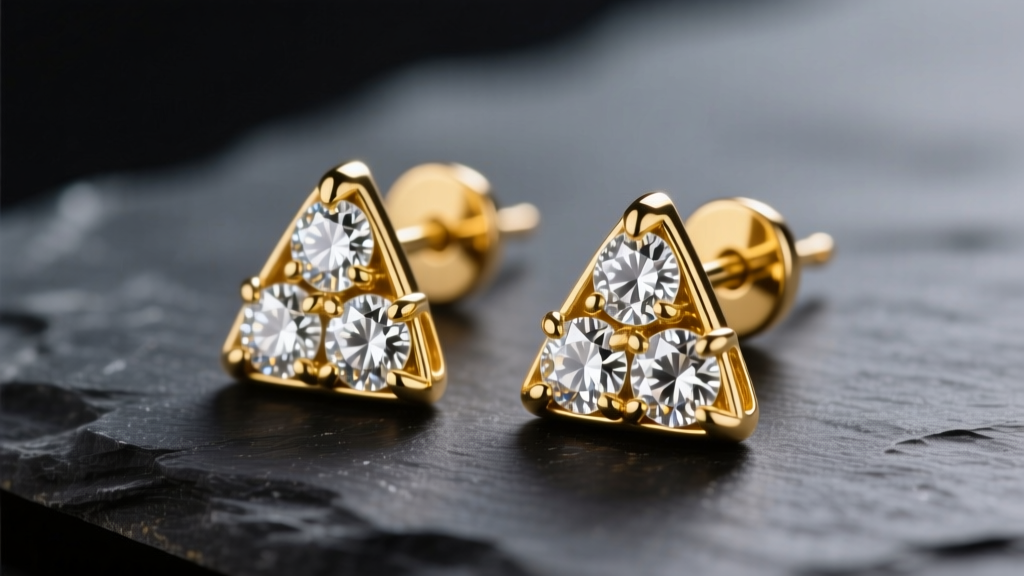
The Anatomy of 3 Stone Earrings: Why Care is Crucial
Three stone earrings—often symbolizing the past, present, and future—are a timeless staple in fine jewelry. However, from a structural and gemological perspective, a multi-stone setting introduces unique vulnerabilities that single-stone studs do not possess. Whether you are wearing a classic diamond trilogy drop or a modern, bezel-set sapphire trio, the presence of three distinct gemstones means you are managing three separate micro-environments of metal tension, light refraction, and dirt accumulation.
The primary challenge with 3 stone earrings lies in the setting mechanics. Jewelers typically use either shared prong settings (where one prong secures the edges of two adjacent stones) or individual basket settings. Shared prongs are notoriously delicate; if a single shared prong lifts or wears down, two stones are immediately at risk of falling out. Furthermore, the linear or clustered arrangement of three stones creates narrow channels between the gems where sebum, cosmetic residues, and environmental dust aggressively accumulate, severely dulling the optical performance of the stones. Understanding the metallurgy and gemology of your specific pair is the first step in preserving their integrity.
Routine Maintenance: The 30-Second Daily Check
Preventative care is vastly superior to reactive repair. Because earrings are located outside your direct line of sight, they are prone to catching on hair, clothing, and headphones without you noticing. Implementing a rapid daily inspection routine will save you thousands of dollars in replacement stones and setting repairs.
Prong Tension and Setting Integrity
Before putting on your 3 stone earrings, perform the "tap test." Hold the earring by the post or the top jump ring and gently tap it against your fingernail or a hard surface. Listen closely. A clean, solid tap indicates secure stones. A faint rattle or buzzing sound means a stone is loose within its setting. If you hear a rattle, stop wearing the earring immediately and place it in a sealed plastic bag to prevent a lost stone.
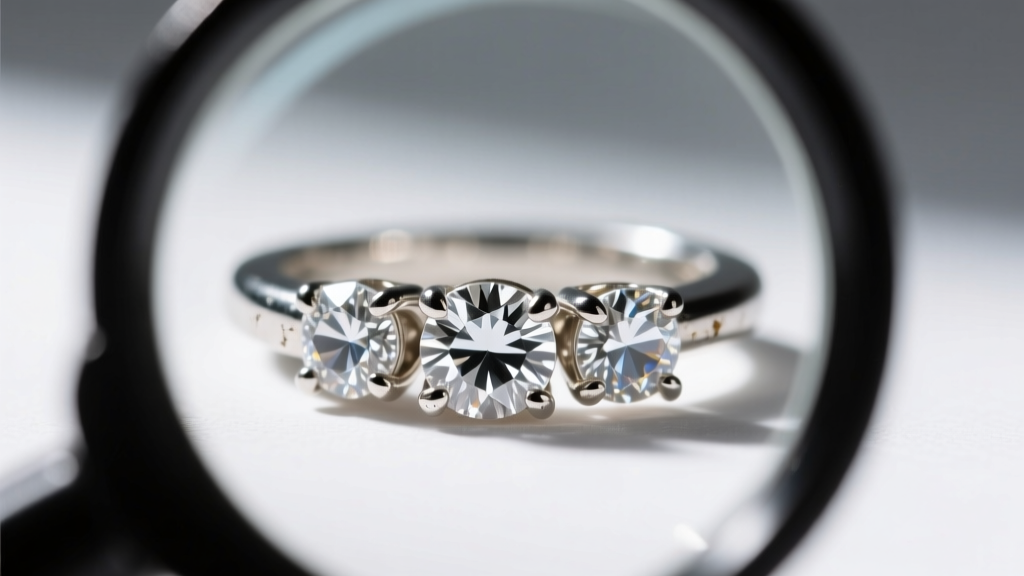
Visually inspect the prongs using a 10x jeweler's loupe. Look for flattened, pitted, or lifted prong tips. According to the Jewelers of America, prongs on 18k gold settings will naturally wear down faster than those on 14k gold or platinum due to the higher pure gold content, which makes the alloy softer. If your 3 stone earrings are crafted in 18k yellow gold, you must check the prongs every three months, whereas platinum settings can generally go six months between professional inspections.
Deep Cleaning Protocols by Gemstone Type
The most common mistake jewelry owners make is applying a universal cleaning method to all gemstones. The Mohs scale of mineral hardness, combined with a stone's internal crystalline structure and common laboratory treatments, dictates exactly how it must be cleaned. While a 40 kHz ultrasonic cleaner will effortlessly blast debris from a diamond's pavilion, it can completely shatter an emerald or strip the essential oils from a treated ruby.
| Gemstone | Mohs Hardness | Ultrasonic Safe? | Steam Safe? | Primary Vulnerability |
|---|---|---|---|---|
| Diamond | 10 | Yes | Yes | Hard knocks along cleavage planes |
| Sapphire / Ruby | 9 | Yes (Usually) | Yes | Fracture lines, heat-treated inclusions |
| Emerald | 7.5 - 8 | NO | NO | Oil depletion, internal jardin (inclusions) |
| Opal | 5.5 - 6.5 | NO | NO | Dehydration, thermal shock, crazing |
| Pearl | 2.5 - 4.5 | NO | NO | Acidic degradation, nacre peeling |
Step-by-Step Wash for Diamonds and Sapphires
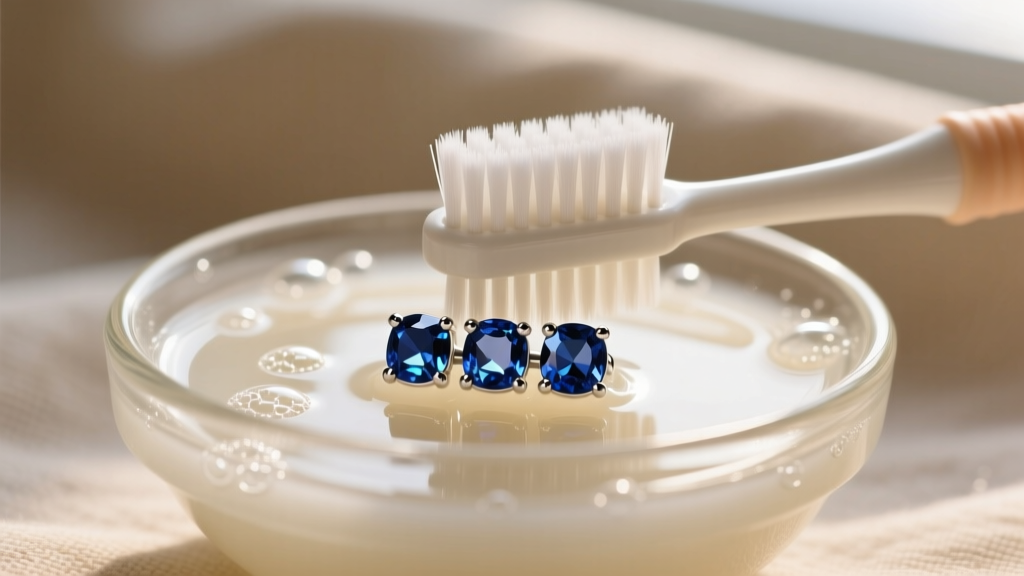
For durable, untreated stones like diamonds and sapphires, a manual wash is highly effective and safer than commercial ultrasonic machines. The GIA Gemstone Care Guide recommends a simple surfactant-based approach. Fill a small glass bowl with warm (not hot) water and add three drops of mild, ammonia-free dish soap (like Dawn). Ammonia can degrade the rhodium plating on white gold settings over time.
Let the 3 stone earrings soak for 15 to 20 minutes. This softens the hardened sebum and lotions trapped between the three stones. Using an extra-soft baby toothbrush, gently brush the underside of the stones (the pavilion). Dirt accumulates most heavily on the pavilion, blocking light return and making the stones look cloudy. Rinse thoroughly under lukewarm running water, ensuring the drain is plugged. Dry with a lint-free microfiber cloth; avoid paper towels, as their wood fibers can snag on microscopic prong burrs.
The "No-Soak" Method for Emeralds and Opals
If your 3 stone earrings feature emeralds, opals, or pearls, soaking them is strictly prohibited. Nearly all commercial emeralds are fracture-filled with cedar oil or synthetic resins to improve clarity. Submerging them in soapy water will draw out this oil, leaving the stone looking heavily included, cloudy, and lifeless. Opals, which contain up to 20% water, can develop "crazing" (a network of fine cracks) if exposed to prolonged moisture or sudden temperature changes.
To clean these delicate trios, simply dampen a microfiber cloth with distilled water and gently wipe the face of the stones. Use a dry, soft-bristled makeup brush to sweep dust out of the crevices between the three gems. If an emerald loses its luster over time, it requires professional re-oiling by a lapidary, not aggressive home cleaning.
Storage and Environmental Hazards
How you store your 3 stone earrings when they are not on your ears is just as critical as how you clean them. Diamonds are a 10 on the Mohs scale, meaning they can easily scratch not only other gemstones but also the precious metal settings they are mounted in. Tossing a pair of diamond trilogy studs loosely into a jewelry box will result in microscopic scratches on the gold or platinum, degrading the mirror finish and weakening the structural integrity of the gallery wire.
Always store 3 stone earrings in individual, fabric-lined compartments. For silver or white gold settings, place an anti-tarnish strip (such as 3M Anti-Tarnish Tabs) in the storage compartment. These strips absorb hydrogen sulfide and sulfur dioxide from the air, preventing the copper and silver alloys in the metal from oxidizing and turning black. Additionally, keep your earrings away from direct sunlight and extreme heat, especially if they feature heat-sensitive stones like kunzite, morganite, or treated sapphires, which can permanently fade or alter color when exposed to UV radiation.
When to See a Professional Jeweler
While home maintenance is essential, certain aspects of 3 stone earring care require professional equipment and expertise. You should schedule a bench jeweler visit under the following circumstances:
- Prong Retipping: If the metal on the prongs is worn thin or flattened. Retipping typically costs between $30 and $75 per prong, depending on the metal and stone complexity.
- Rhodium Replating: If your white gold settings are showing a yellowish tint. White gold is naturally yellowish and relies on a microscopic layer of rhodium for its bright white finish. Replating costs $40 to $80 and should be done every 12 to 18 months.
- Deep Ultrasonic Scaling: If debris is calcified in the setting baskets and cannot be removed with a soft brush, a jeweler can use professional-grade ultrasonics and steamers, provided the stones are verified as safe for such treatment.
Expert Insight: When taking 3 stone earrings to a jeweler for cleaning, always request that they check the earring backs and posts. The friction of pushing and pulling earring nuts (especially butterfly backs) often bends the post or strips the threading on screw-backs. A bent post will place uneven lateral stress on the entire three-stone gallery, eventually warping the setting and loosening the stones.


