Step-by-Step Care Guide for Earrings Gold Knot Styles
Master the care and styling of your earrings gold knot designs. Learn step-by-step cleaning, gold purity facts, and face-shape matching tips.

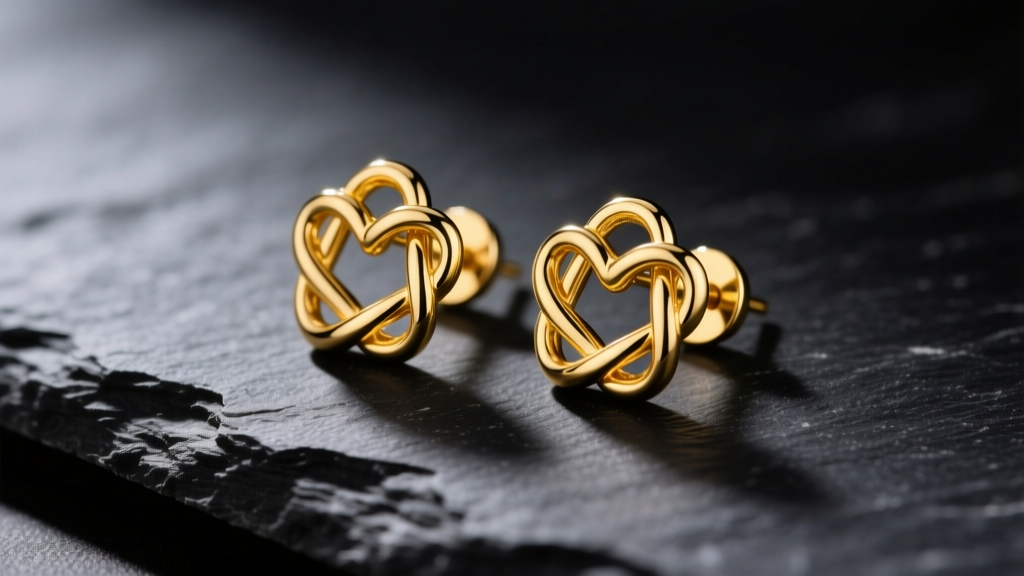
Gold knot earrings are a timeless staple in fine jewelry, symbolizing eternity, complex craftsmanship, and unbreakable bonds. Whether you are wearing a delicate love knot stud or an elaborate Celtic knot drop, the interwoven nature of these designs presents a unique set of challenges for daily wear and maintenance. The overlapping wires, deep undercuts, and hidden interstices of a knot design make them natural magnets for sebum, cosmetic residues, and environmental dust. If you own a pair of earrings gold knot enthusiasts covet, understanding how to properly clean, maintain, and style them is essential for preserving their structural integrity and brilliant luster.
The Metallurgy of Knots: Why Gold Purity Matters
Before diving into the cleaning process, it is crucial to understand the metallurgical requirements of knot jewelry. A knot earring relies on the tensile strength and "memory" of the metal to hold its intricate shape. Pure 24-karat gold is exceptionally soft (rating just 2.5 on the Mohs hardness scale) and lacks the structural rigidity required for complex wire-wrapping or cast knot designs. According to the Gemological Institute of America (GIA), alloying gold with metals like copper, silver, and zinc is necessary to achieve the durability required for everyday wear.
| Karat | Gold Content | Vickers Hardness (Approx.) | Suitability for Knots |
|---|---|---|---|
| 24k | 99.9% | 25-30 HV | Poor (Bends easily, loses knot shape) |
| 22k | 91.6% | 70-90 HV | Fair (Better, but still prone to warping) |
| 18k | 75.0% | 120-140 HV | Excellent (Ideal balance of color and strength) |
| 14k | 58.5% | 140-160 HV | Superior (Maximum durability for tight knots) |
For tight, complex designs like the sailor's knot or the square knot, 14k and 18k gold are the industry standards. The alloying metals provide the necessary "work-hardening" properties, ensuring the earring won't deform when pressed against a pillow or accidentally snagged on clothing.
Step-by-Step Cleaning Guide for Creviced Knots
Standard jewelry wiping cloths are virtually useless for knot earrings because they cannot reach the recessed areas where the gold wires cross over one another. To restore the original shine, you must use a wet-cleaning method that breaks down lipid-based buildup (like lotions and skin oils) without scratching the gold alloy. The Jewelers of America recommends gentle, non-abrasive surfactants for routine maintenance of textured gold.
Step 1: The Preparatory Soak
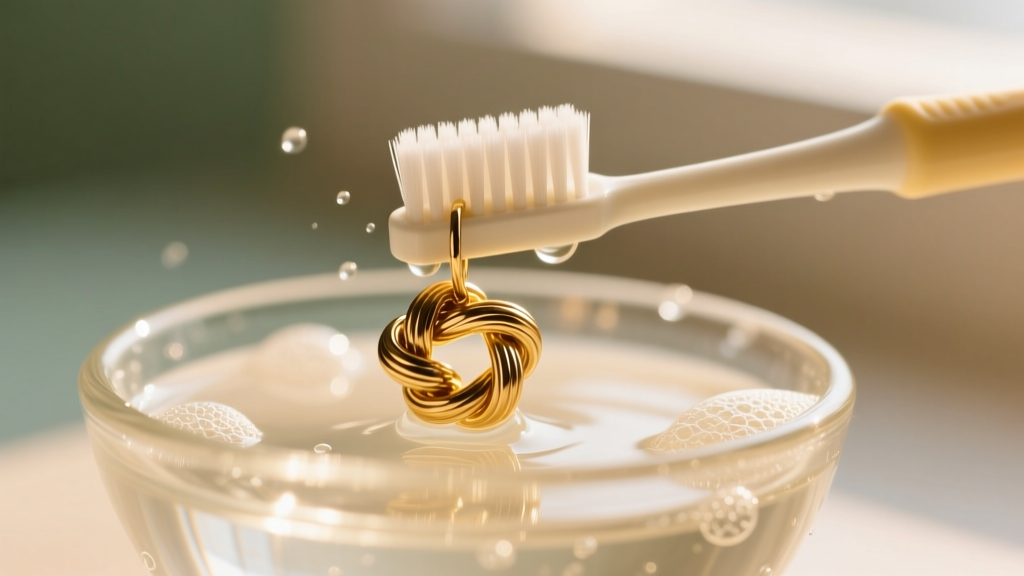
Fill a small glass bowl with warm distilled water (approximately 38°C or 100°F). Add three drops of a mild, phosphate-free liquid dish soap. Avoid harsh chemicals, bleach, or toothpaste, as these can degrade the alloyed metals (particularly copper in rose gold) and cause permanent discoloration. Submerge your earrings gold knot pieces in the solution and let them soak for exactly 15 minutes. This softens the sebum and cosmetic buildup trapped in the knot's undercuts.
Step 2: Targeted Agitation
Remove the earrings from the soak. Using a brand-new, ultra-soft baby toothbrush (bristle diameter of 0.05mm or less), gently agitate the crevices of the knot. Brush in the direction of the gold wire's weave, paying special attention to the back of the earring where the post meets the knot structure. Do not apply heavy pressure; let the bristles and the soap do the work. If your knot features tension-set micro-pavé diamonds, avoid brushing directly over the stones to prevent loosening the settings.
Step 3: The Rinse and Dry
Rinse the earrings under a gentle stream of lukewarm distilled water to prevent hard water spots. To dry, do not use cotton swabs or paper towels, as their fibers will snag on the intricate knotwork and leave behind microscopic lint. Instead, use a blast of compressed air (held at least six inches away) to blow water out of the deep crevices, followed by a gentle pat with a clean, lint-free microfiber cloth.
Styling Framework: Matching Knots to Face Shapes
Beyond maintenance, knowing how to style your knot earrings elevates your overall aesthetic. The geometry of the knot should complement your natural facial structure.
- Round Faces: Opt for elongated designs like the sailor's knot or infinity knot drop. The vertical lines draw the eye downward, creating an illusion of length and balancing the width of the cheekbones.
- Square Faces: Choose softer, spherical designs like the love knot or Celtic knot with rounded edges. The curves of these knots soften a strong jawline and add a touch of organic fluidity to angular features.
- Heart-Shaped Faces: Medium-sized square knots or geometric interlocking hoops add visual weight to the lower half of the face, balancing a narrower chin.
- Oval Faces: Highly versatile; you can pull off virtually any knot style, from tight, minimalist 14k gold knot huggies to dramatic, shoulder-grazing knot chandeliers.
Troubleshooting: Snags, Bends, and Hardware
Because knot earrings feature continuous loops and overlapping wires, they are inherently prone to snagging on knitwear and lace. If your earring catches, never pull it forcefully. Instead, gently untangle the fabric from the wire using a needle or tweezers. Pulling can cause "stress fractures" in the gold alloy at the solder points where the knot overlaps.
"The most common failure point in knot earrings is not the knot itself, but the solder joint where the earring post meets the back of the design. Always check this joint monthly for micro-cracks or loosening."
— Master Bench Jeweler Insights
Additionally, pay attention to your earring backs. Heavy gold knot drops require secure hardware. Standard friction backs (butterfly clutches) are often insufficient for solid 18k gold knot designs weighing over 3 grams. Upgrade to silicone disc backs or secure screw-backs to prevent loss. For cartilage piercings featuring knot motifs, ensure the post is a minimum of 1.0mm (18-gauge) thickness to support the weight of the knot without bending during sleep.

Final Thoughts on Gold Knot Longevity
Owning a pair of finely crafted earrings gold knot artisans have spent hours perfecting is an investment in wearable art. By respecting the metallurgy of the gold alloy, utilizing the proper soaking and agitation techniques, and pairing the knot geometry with your unique features, you ensure these symbolic pieces remain flawless. Incorporate this step-by-step cleaning routine into your monthly jewelry care regimen, and your knot earrings will continue to shine with the same intricate brilliance as the day they were cast.


