Beginner Guide to Hypoallergenic Surgical Steel Earrings
Discover if hypoallergenic surgical steel earrings are truly safe for sensitive ears. Learn about steel grades, nickel risks, and better alternatives.

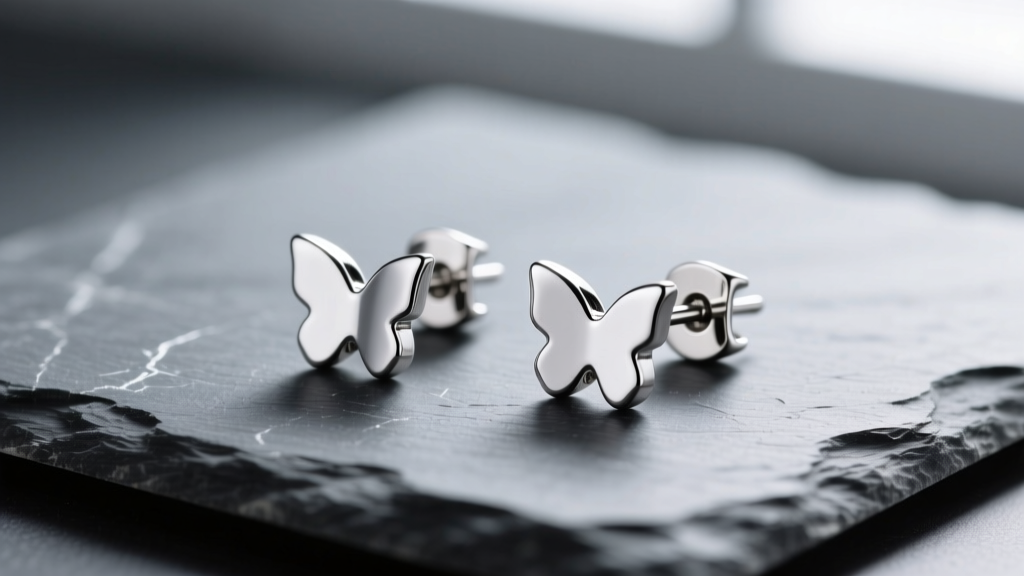
The Marketing Myth of 'Hypoallergenic' Jewelry
If you have ever experienced the itchy, red, and swollen earlobes that follow a day of wearing cheap jewelry, you are likely part of the estimated 10% to 20% of the global population with a nickel allergy. When searching for relief, beginners are immediately drawn to the term 'hypoallergenic.' However, understanding the reality behind hypoallergenic surgical steel earrings requires looking past marketing buzzwords and diving into basic metallurgy.
The term 'hypoallergenic' is not strictly regulated by the FDA or international jewelry standards. It simply implies that a product is less likely to cause an allergic reaction compared to baseline costume jewelry. It does not mean 'allergy-proof.' When you buy hypoallergenic surgical steel earrings, you are typically purchasing an alloy that contains nickel, but features a protective surface layer designed to keep that nickel locked away from your skin. To make the right choice for your sensitive ears, you need to understand how this protective layer works, when it fails, and what specific steel grades you should actually be wearing.
Decoding 316L: The Science of Surgical Steel
The most common material used in mid-range, sensitive-ear jewelry is 316L stainless steel. The 'L' stands for low carbon, which improves the metal's resistance to corrosion and welding degradation. But what makes it 'surgical'? The answer lies in its chemical composition and a process called passivation.
316L stainless steel is primarily composed of iron, but it contains roughly 16% to 18% chromium, 2% to 3% molybdenum, and crucially, 8% to 12% nickel. The nickel is added to increase the metal's tensile strength and give it that highly desirable, mirror-like polish. Because nickel is present, 316L is inherently an allergen risk for highly sensitive individuals.
However, the high chromium content creates a microscopic, invisible shield on the surface of the earrings known as a chromium oxide passivation layer. When the steel is exposed to oxygen, this layer forms instantly, sealing the nickel inside the alloy and preventing it from leaching into your skin. As long as this passivation layer remains intact, hypoallergenic surgical steel earrings are perfectly safe for the vast majority of people with healed piercings.
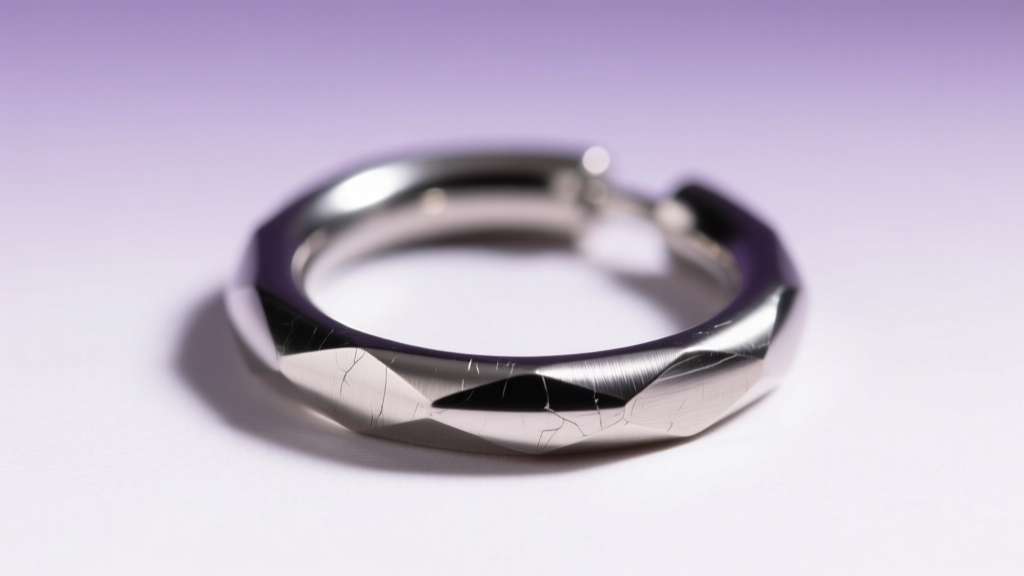
Surgical Steel Grade Comparison
Not all surgical steel is created equal. While 316L is the standard for body jewelry, you may encounter other grades in commercial jewelry stores. Here is how they compare regarding allergy safety and corrosion resistance:
| Steel Grade | Nickel Content | Corrosion Resistance | Best Use Case |
|---|---|---|---|
| 316L (Marine/Surgical) | 8% - 12% | Excellent (High Molybdenum) | Healed body piercings, daily wear earrings |
| 304 (Commercial) | 8% - 10.5% | Good (Prone to pitting in salt) | Fashion jewelry, occasional wear |
| 430 (Decorative) | 0% - 1% | Poor (Rusts easily) | Display pieces, not recommended for skin |
Note: While 430 steel has less nickel, its poor corrosion resistance means it degrades quickly against the skin's natural acidity, releasing iron oxides that cause severe contact dermatitis. Always stick to 316L for steel jewelry.
The Professional Piercing Standard: Fresh vs. Healed Tissue
One of the most critical mistakes beginners make is using hypoallergenic surgical steel earrings in fresh, unhealed piercings. According to the Association of Professional Piercers (APP), 316L stainless steel is strictly contricated for initial piercings.
When a piercing is fresh, the wound is weeping lymphatic fluid, blood, and saline. This highly acidic and salty environment can break down the chromium oxide passivation layer on surgical steel, causing nickel ions to leach directly into the open bloodstream. This not only triggers severe allergic reactions but can also lead to hypertrophic scarring and piercing rejection.
Expert Rule of Thumb: Surgical steel is for healed piercings only (typically 6 weeks for lobes, 6 to 12 months for cartilage). For fresh piercings, you must use Implant-Grade Titanium (ASTM F136), which is 100% nickel-free and biologically inert.
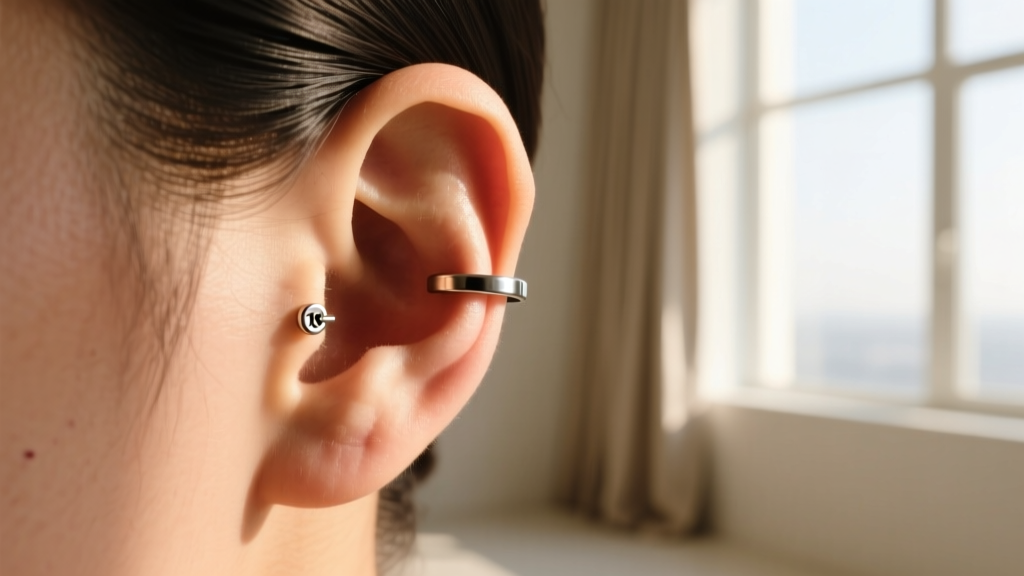
Gauge Sizes and the 'Cheese Cutter' Effect
Material safety is only half the battle; physical dimensions matter just as much for sensitive ears. Hypoallergenic surgical steel earrings are manufactured in specific gauge sizes, which refer to the thickness of the metal post or wire. Wearing the wrong gauge can cause mechanical irritation, which mimics the symptoms of an allergic reaction.
- 20-Gauge (0.81mm): Standard for mass-market commercial stud earrings and delicate wire hoops. Best for standard, healed lobe piercings.
- 18-Gauge (1.02mm): Slightly thicker, offering more stability. Common for nose studs and standard lobe hoops.
- 16-Gauge (1.29mm): The standard for cartilage piercings (helix, tragus, conch) and septum jewelry. Provides structural integrity to prevent migration.
- 14-Gauge (1.63mm): Used for heavier cartilage work and industrial barbells.
If you insert a thin 20-gauge steel hoop into a 16-gauge cartilage piercing, the thin wire will act like a cheese cutter against the healing fistula (the skin tube of the piercing). This constant mechanical friction causes micro-tears, inflammation, and eventual migration of the piercing hole. Always match your earring gauge to your piercing's original needle size.
Daily Maintenance and Passivation Care
To ensure your hypoallergenic surgical steel earrings remain safe for sensitive ears, you must protect the passivation layer. The Mayo Clinic notes that prolonged exposure to sweat, cosmetics, and harsh chemicals can degrade metal surfaces over time, increasing the risk of nickel exposure.
Cleaning Best Practices:
- Use Mild Surfactants: Wash your steel earrings weekly with warm water and a mild, fragrance-free liquid soap (like baby shampoo or Castile soap). Avoid harsh antibacterial soaps that contain high levels of chlorhexidine.
- Avoid Chlorine and Bleach: Never wear surgical steel in heavily chlorinated pools or hot tubs. Chlorine aggressively attacks the chromium oxide layer, leading to pitting and rapid nickel leaching.
- Dry Thoroughly: Water spots can leave mineral deposits that dull the mirror finish. Always dry your earrings with a microfiber cloth before storing them in an airtight container or anti-tarnish bag.
By understanding the metallurgy of 316L steel, respecting the boundary between fresh and healed tissue, and maintaining the protective oxide layer, you can confidently wear hypoallergenic surgical steel earrings without the fear of sudden allergic flare-ups. When in doubt, or if your ears react even to high-quality steel, upgrade to solid implant-grade titanium for a truly zero-nickel guarantee.


