How to Clean & Care for Large Clip On Hoop Earrings
Discover expert cleaning and maintenance tips for large clip on hoop earrings. Learn how to preserve metal finishes, fix tension, and replace pads.

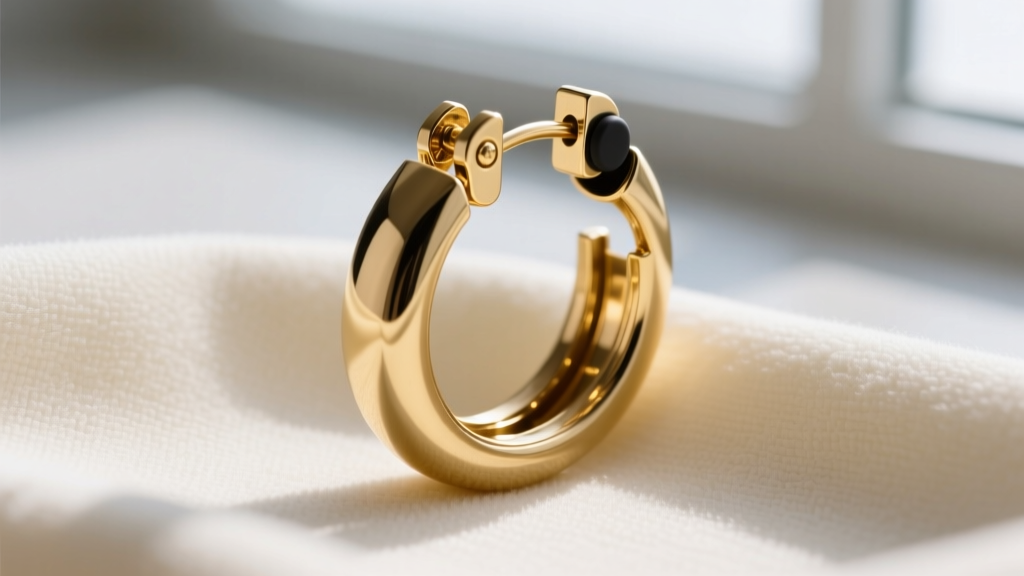
The Unique Anatomy of Clip-On Hoops and Why They Need Special Care
Large clip on hoop earrings are a bold fashion statement, but their impressive scale—often ranging from 50mm to over 80mm in diameter—introduces unique mechanical and chemical vulnerabilities. Unlike standard pierced studs, clip-ons rely on a delicate balance of spring tension, hinge integrity, and friction pads to stay anchored to the earlobe. Furthermore, the expansive surface area of a large hoop acts as a magnet for environmental pollutants, skin oils, and hair products.
In 2026, the market is flooded with innovative materials like PVD-coated metals and lightweight bio-acetates, which require highly specific cleaning protocols. According to the GIA Gem Care Guide, improper cleaning of mixed-material jewelry is the leading cause of irreversible finish degradation. This comprehensive guide will walk you through the exact maintenance routines required to keep your oversized clip-on hoops looking pristine and feeling comfortable.
Material-Specific Cleaning Protocols
The first rule of jewelry maintenance is identifying your base metal and topcoat. What works for raw brass will instantly ruin gold vermeil or modern PVD coatings. Always check the manufacturer's specifications before applying any liquid cleaner.
Gold Vermeil and PVD-Coated Metals
Gold vermeil (a thick layer of gold over sterling silver) and PVD (Physical Vapor Deposition) coatings are incredibly popular for large hoops because they offer a luxurious look without the heavy weight of solid gold. However, they are susceptible to micro-scratches and chemical stripping.
- The Solution: Mix a few drops of phosphate-free, mild dish soap (like Dawn) into lukewarm distilled water.
- The Technique: Dip a soft-bristled baby toothbrush into the solution and gently sweep the surface of the hoop. Pay special attention to the inner curve where hair spray and sebum accumulate.
- The Warning: Never use ultrasonic cleaners or ammonia-based glass cleaners on vermeil or PVD. The high-frequency vibrations can cause the top layer to delaminate from the base metal, while ammonia will strip the gold entirely.
Surgical Steel and Titanium
For those with sensitive skin, surgical steel and titanium are the gold standards. These metals are highly resistant to tarnish and corrosion, making them remarkably easy to maintain.
You can safely use a 70% isopropyl alcohol wipe to sanitize steel and titanium hoops after each wear. This not only removes oils but also eliminates bacteria that can cause contact dermatitis on the earlobe. For stubborn water spots, a microfiber cloth dampened with white vinegar will restore the mirror finish without risking structural damage.
Bio-Acetate and Resin Accents
To combat the heavy weight of large metal hoops, many 2026 designs incorporate thick bio-acetate or resin panels. While beautiful, acetate is highly porous and reactive to solvents. Never use alcohol, acetone, or commercial jewelry dips on acetate, as these chemicals will cause the material to cloud, crack, or melt. Instead, simply wipe the acetate components with a dry, lint-free optical cloth. If deeper cleaning is needed, use a barely damp cloth with plain water and dry immediately.
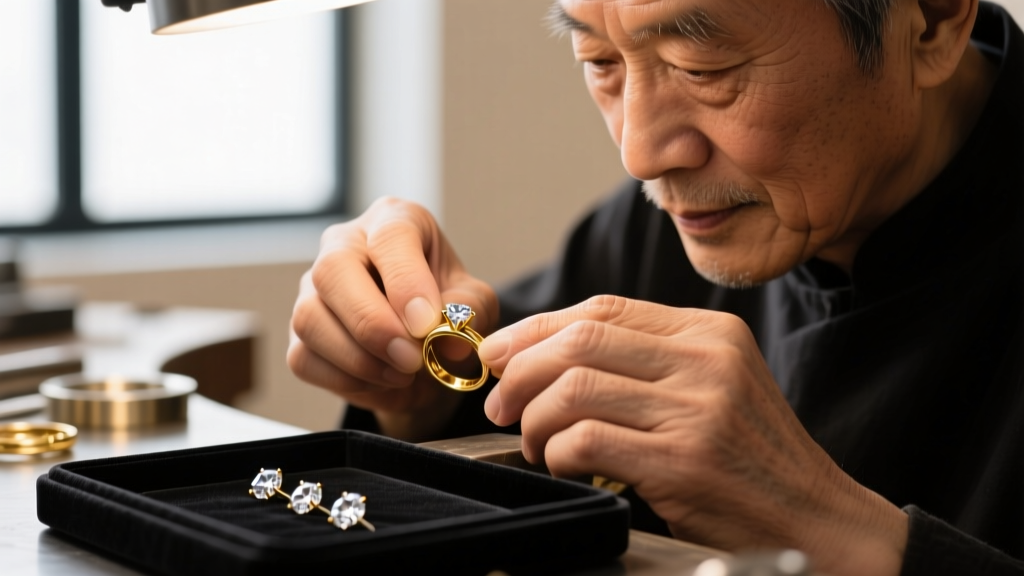
Maintaining the Clip Mechanism: Tension and Comfort
The most common complaint with large clip on hoop earrings is discomfort. Because large hoops create a "pendulum effect" when you walk or turn your head, the clip must exert enough pressure to prevent the earring from flying off, but not so much that it cuts off circulation to the earlobe.
Expert Insight: The tension on an omega-back or paddle-clip is not static. Over time, the metal experiences fatigue and loses its "snap." Conversely, if you accidentally drop the earring, the hinge can bend inward, creating a vice-like grip that causes immediate pain.
How to Adjust Tension Safely
If your clip-ons are pinching or slipping, you can adjust the tension at home. You will need a pair of nylon-jaw pliers (never use bare steel pliers, as they will permanently mar the metal finish).
- To loosen a tight clip: Grip the base of the clip paddle (not the hinge itself) with the nylon pliers and gently bend it outward by 1 to 2 millimeters. Test the fit on your ear. You can always bend it back, so make micro-adjustments.
- To tighten a loose clip: Gently squeeze the paddle inward toward the earring face. Ensure the silicone pad makes full, flush contact with the back of the earring when closed.
- Lubricate the Hinge: If the hinge squeaks or feels gritty, apply a microscopic drop of synthetic watch oil to the pivot pin using a toothpick. Wipe away any excess immediately to prevent it from transferring to your skin.
Troubleshooting Common Clip-On Issues
Use this diagnostic table to quickly identify and resolve mechanical failures in your large hoops.
| Issue | Probable Cause | Actionable Solution |
|---|---|---|
| Earring slips off during movement | Loss of metal tension or degraded silicone pad | Adjust paddle inward with nylon pliers; replace silicone pad if hardened. |
| Severe earlobe pain within 30 mins | Excessive tension or missing padding | Bend paddle outward 1mm; apply a stick-on foam or silicone cushion. |
| Hinge feels stiff or "gritty" | Sebum and dead skin buildup in the pivot joint | Soak the hinge area in warm soapy water; use a wooden toothpick to dislodge debris. |
| Clip arm is misaligned | Impact damage from dropping | Gently realign using nylon-jaw pliers; check that the paddle sits flush in the groove. |
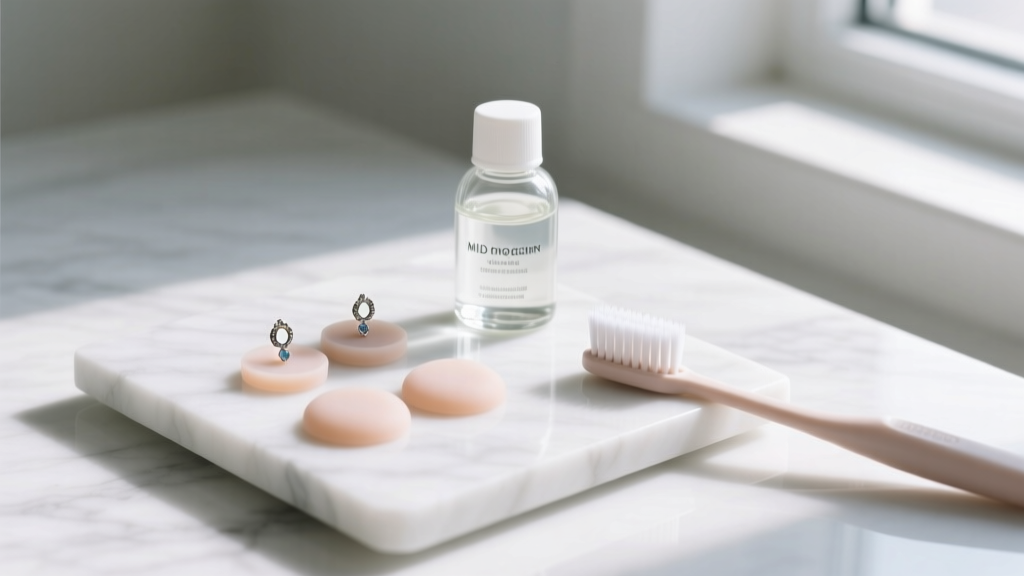
Replacing and Cleaning Silicone Ear Pads
The small silicone or foam pads attached to the back of the clip paddle are the unsung heroes of comfort. They provide the necessary friction to keep heavy hoops from sliding down the earlobe while cushioning the pressure. However, these pads are highly porous and absorb sweat, perfume, and natural skin oils, eventually turning hard, yellow, or slippery.
Cleaning Existing Pads
If your pads are still relatively new but feel slippery, they are likely coated in a microscopic layer of sebum. Remove the earrings and gently scrub the pads with a cotton swab dipped in 70% isopropyl alcohol. Allow them to air dry completely before wearing. This restores the "tacky" friction needed for a secure grip.
Sourcing and Applying Replacements
Silicone pads should be replaced every 6 to 12 months, depending on wear frequency. You can purchase universal replacement pads online or from local jewelers. When removing the old pad, you will likely encounter stubborn adhesive residue. Do not scrape it with a metal blade. Instead, apply a tiny drop of mineral oil or a citrus-based adhesive remover to a cotton swab, let it sit on the glue for five minutes, and wipe it clean. Ensure the metal surface is completely dry and oil-free before pressing the new adhesive pad into place.
Proper Storage to Prevent Warping and Tarnish
Because large clip on hoop earrings take up significant physical space, they are often haphazardly tossed into jewelry boxes where they can become crushed, warped, or tangled with other pieces. Proper storage is just as critical as cleaning.
- Hang Them Up: The best way to store large hoops is on a dedicated jewelry tree or wall-mounted pegboard. This prevents the hoops from being bent out of their perfect circular shape by heavier items.
- Use Anti-Tarnish Strips: If you must store them in a drawer or box, place a 3M anti-tarnish strip inside the compartment. These strips absorb sulfur compounds in the air that cause silver and brass to oxidize and turn black.
- Avoid PVC Plastics: Never store your earrings in cheap plastic bags made of PVC. As PVC degrades, it off-gases hydrogen chloride, which will rapidly corrode metal finishes and ruin delicate PVD coatings.
Conclusion
Maintaining large clip on hoop earrings requires a blend of gentle chemical cleaning and precise mechanical adjustment. By understanding the specific needs of your earring's materials, routinely maintaining the clip tension, and replacing worn friction pads, you can ensure your statement pieces remain both stunning and comfortable for years to come. Treat your clip-ons with the same respect you would give to fine pierced jewelry, and they will reward you with flawless wearability every time you put them on.


