Smart DIY Earring Ideas: Budget & Material Value Guide
Evaluate the true cost and safety of DIY earring ideas. Compare craft wire vs implant-grade titanium and learn budget-friendly jewelry making tips.

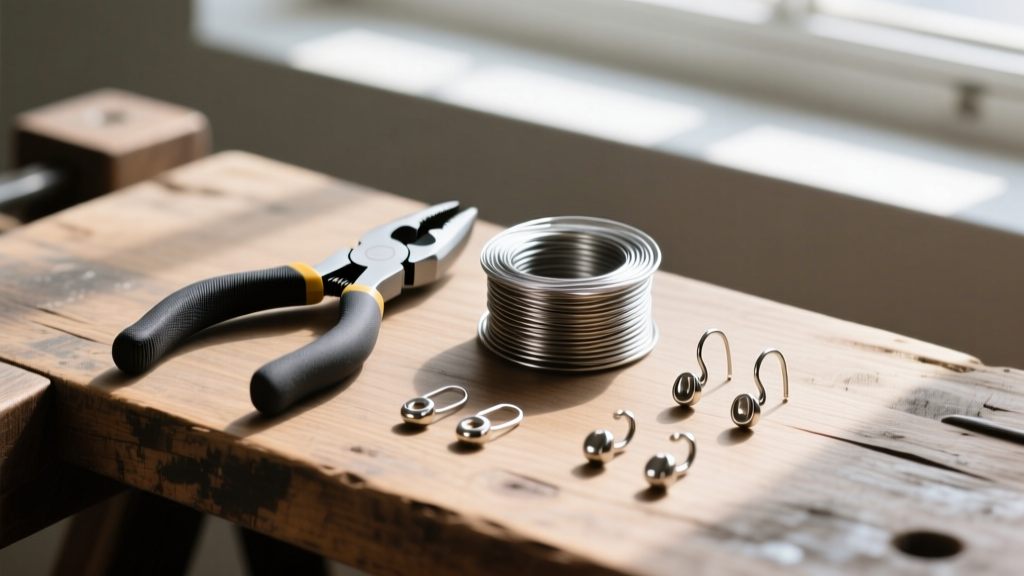
The Hidden Economics of DIY Earring Ideas
When browsing social media for DIY earring ideas, the focus is almost entirely on aesthetics and creativity. However, from a budget and value assessment perspective, the true cost of handmade jewelry extends far beyond the price tag on a spool of craft wire. To determine whether crafting your own earrings offers genuine financial value compared to buying budget-friendly, professionally manufactured alternatives, we must analyze material safety, tool amortization, and the hidden costs of hardware failure.
Many beginner crafters fall into the trap of purchasing bulk "assorted jewelry findings" kits from big-box craft stores for $15. While the upfront cost seems like a massive bargain, these kits frequently contain base metals plated with microscopic layers of silver or gold. Once the plating wears off—often within weeks of contact with skin oils and friction—the underlying brass, copper, or nickel alloys are exposed. This leads to tarnished inventory, structural failure (such as ear hooks snapping under tension), and ultimately, a total loss on your material investment.
Material Safety vs. Craft Store Budgets
The most critical variable in assessing the value of DIY earring projects is material biocompatibility. The earlobe and cartilage are highly vascular and susceptible to heavy metal absorption and allergic reactions. Professional jewelers and reputable suppliers like Rio Grande categorize wire by specific alloy grades, a nuance often missing from generic craft store labels.
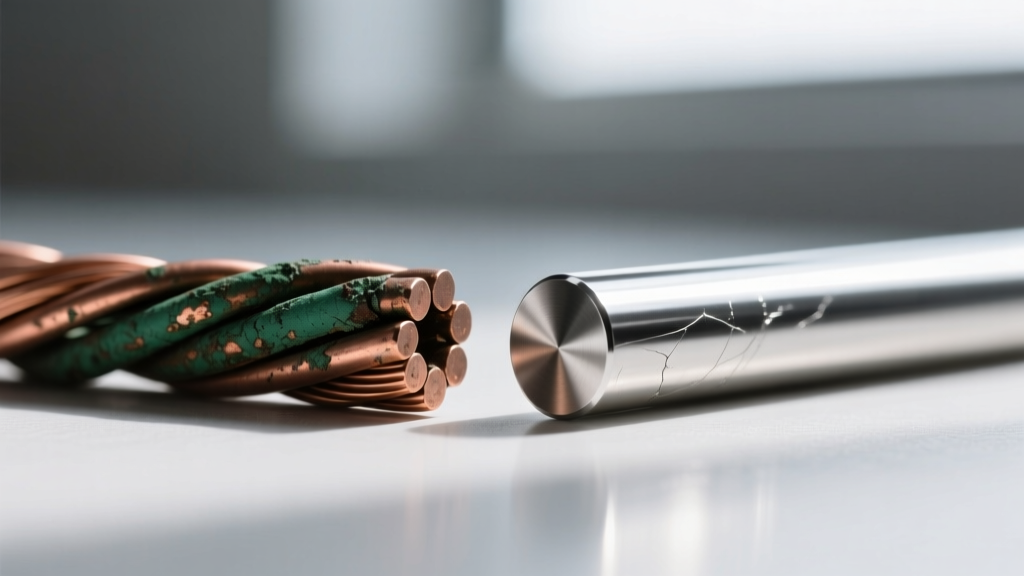
For DIY earring ideas that involve direct skin contact—such as ear hooks, threaders, or huggie hoops—you must evaluate the cost-per-wear against the risk of allergic contact dermatitis. According to the National Institute of Arthritis and Musculoskeletal and Skin Diseases (NIH), nickel is the most common cause of allergic contact dermatitis, affecting up to 36% of women. Many craft wires labeled "surgical steel" contain up to 12% nickel, making them a poor long-term value despite their low upfront cost.
Material Grade & Cost Comparison Chart
| Material Grade | Avg. Cost (per oz spool) | Nickel Risk | Tarnish Rate | Best DIY Application |
|---|---|---|---|---|
| Craft Store Brass/Copper | $4.00 - $6.00 | Low (but high lead risk) | Very High (Days) | Practice wrapping, non-skin components |
| "Surgical" Steel (316L) | $8.00 - $12.00 | Moderate to High | Moderate | Heavy gauge structural clasps |
| Pure Niobium (Reactive) | $18.00 - $24.00 | Zero (Hypoallergenic) | Zero (Anodizes safely) | Ear cuffs, colorful ear hooks |
| ASTM F136 Titanium | $25.00 - $35.00 | Zero (Implant-Grade) | Zero | Fresh piercings, everyday lobe hooks |
| Argentium Silver (935) | $45.00 - $60.00 | Zero (Copper alloy) | Extremely Low | Premium wire-wrapped briolettes |
The Allergic Contact Dermatitis Factor
When calculating your DIY budget, factor in the "medical cost" of cheap materials. A $5 spool of mystery alloy wire that causes an earlobe infection or severe dermatitis will quickly cost you $50+ in over-the-counter hydrocortisone, antibiotic ointments, or urgent care copays. Investing in a $30 spool of 20-gauge (0.81mm) ASTM F136 titanium wire yields approximately 40-50 pairs of hypoallergenic ear hooks, bringing the cost down to $0.60 - $0.75 per pair—a phenomenal value that guarantees wearer safety.
3 High-Value DIY Earring Ideas That Actually Save Money
Not all DIY earring ideas offer a positive return on investment. Simple stud earrings, for example, are often cheaper to buy in bulk from ethical manufacturers because the labor cost of setting a bezel or soldering a post at home outweighs the material savings. However, the following three projects offer massive financial value when crafted at home.
1. Custom Anodized Niobium Ear Cuffs
Retail ear cuffs made from safe, non-reactive metals typically range from $35 to $65. By purchasing a spool of 20-gauge dead-soft niobium wire and a simple voltage anodizer (or even a 9V battery setup for basic color shifts), you can craft custom-fitted ear cuffs for roughly $1.50 in materials each. Niobium work-hardens beautifully, meaning it will grip the cartilage securely without snapping, provided you do not over-manipulate the same bend point repeatedly.
2. 22-Gauge Argentium Wire-Wrapped Briolettes
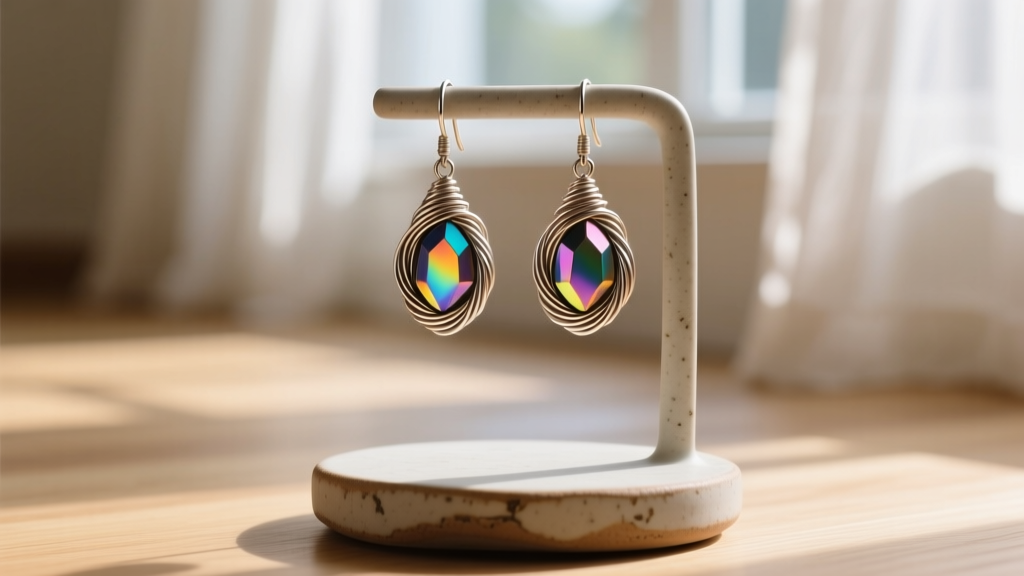
Wire-wrapping gemstone briolettes is a classic DIY technique. Standard sterling silver (925) tarnishes rapidly due to its copper content, requiring constant polishing. Upgrading to Argentium Silver (935) costs about 15% more upfront but contains germanium, which forms a transparent, self-healing oxide layer that virtually eliminates tarnish. Wrapping a $4 wholesale quartz briolette with $3 worth of 22-gauge (0.64mm) Argentium wire yields a piece that retails for $45-$60 in boutique settings.
3. Minimalist 18-Gauge Gold-Filled Threaders
Threader earrings require a specific stiffness to slide through the piercing channel without bending. Using 18-gauge (1.0mm) 14/20 gold-filled wire provides the necessary structural integrity. While gold-filled wire is an investment ($40+ per ounce), a single ounce yields dozens of threader pairs. The failure mode to watch for here is crimp bead slippage; always use a micro-crimp and nylon jaw pliers to secure the chain without marring the gold-filled exterior.
Tool Amortization: When Does DIY Break Even?
To accurately assess the budget of your DIY earring ideas, you must amortize your tooling. Cheap, stamped-steel pliers from hardware stores will mar soft metals, leave deep gouges in your wire, and cause repetitive strain injuries due to poor spring tension.
Expert Insight: A professional jeweler's flush cutter (like those from Lindstrom or Tronex) costs between $45 and $65. While this seems steep compared to a $12 craft store alternative, a precision flush cutter leaves a perfectly flat cut on 20-gauge wire, eliminating the need for hours of filing and sanding. If you value your time at even $15/hour, the precision tool pays for itself within your first three pairs of earrings.
Your essential starter kit should include:
- Nylon Jaw Pliers ($18): Essential for straightening wire and closing jump rings without scratching precious metals or niobium.
- Flush Cutters ($45): For clean, flush cuts on wires up to 18-gauge.
- Chain Nose Pliers ($25): For gripping, bending, and closing loops. Ensure the inside of the jaws are completely smooth (no serrations).
- Round Nose Pliers ($22): Specifically for forming consistent ear hook loops and jump rings.
With a total tool investment of roughly $110, you will break even against retail boutique pricing after crafting approximately 4 to 5 high-quality pairs of earrings, assuming you are sourcing ethical gemstones and premium wire.
Final Verdict: Crafting vs. Buying Budget Basics
When evaluating DIY earring ideas through a strict budget and value lens, the verdict is clear: DIY is not a shortcut to "cheap" jewelry; it is a pathway to "accessible luxury." If your goal is simply to acquire basic, mass-produced gold-plated hoops, DIY will not save you money or time. However, if your objective is to create custom, biocompatible, and structurally sound pieces using implant-grade titanium, pure niobium, or Argentium silver, the value proposition of DIY is unmatched. By investing in proper tooling and refusing to compromise on material grades, you protect your piercings, elevate your craft, and build a sustainable, high-value jewelry practice.


