Expert 2026 Earrings Pack Guide: Metallurgy & Stacking
Discover how to evaluate an earrings pack in 2026. We break down metal grades, gauge sizes, and stacking geometry for safe, stylish multi-piercing curations.

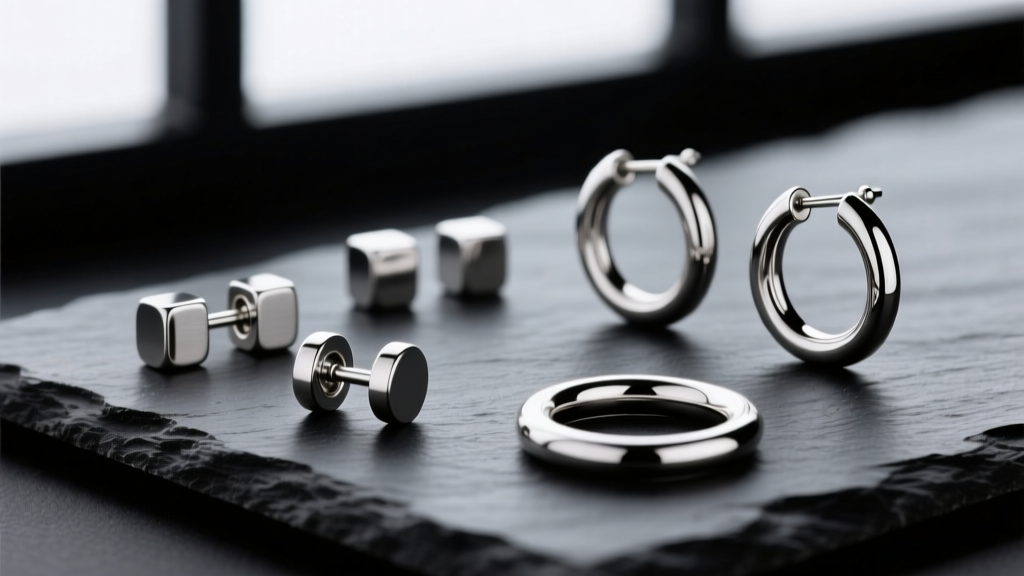
The modern ear curation has evolved far beyond a simple lobe piercing. As multi-piercing arrangements become the standard in contemporary jewelry styling, the demand for a comprehensive earrings pack has skyrocketed. However, the market is currently saturated with fast-fashion multi-packs that prioritize quantity over metallurgical safety and anatomical precision. In 2026, purchasing an earrings pack requires the same scrutiny as buying a single high-end luxury piece. You must evaluate alloy grades, gauge tolerances, post lengths, and backing mechanics to ensure your curated stack is both visually striking and biologically safe.
This expert deep dive deconstructs the technical specifications you must demand when investing in a premium earrings pack, moving past marketing fluff to focus on the material science and spatial geometry of ear stacking.
The Anatomy of a High-Quality Earrings Pack
A true professional-grade earrings pack is not merely a random assortment of discounted studs and hoops. It is a spatially coordinated set designed to work in tandem across specific ear zones (e.g., a helix-to-tragus constellation or a multi-lobe cascade). When evaluating a pack from niche jewelers or boutique studios, look for three non-negotiable indicators of quality:
- Material Certification: The packaging or product listing must explicitly state the ASTM (American Society for Testing and Materials) standard of the base metal, not just generic terms like "surgical steel" or "hypoallergenic."
- Gauge Consistency: High-end packs specify the exact wire thickness (e.g., 16G or 18G) for each piece, ensuring compatibility with your specific piercing fistulas.
- Mechanical Integrity: The pack should feature advanced closure systems, such as threadless push-pins or internally threaded labrets, rather than outdated butterfly friction clutches that harbor biofilm.
Metallurgy Breakdown: Decoding Pack Materials
The most critical failure point in budget-friendly jewelry sets is the use of reactive alloys. When your skin is in prolonged contact with metal, microscopic corrosion occurs. According to the Association of Professional Piercers (APP), implant-grade materials are the only safe choice for long-term wear, especially in cartilage where blood flow is limited and rejection risks are higher.
Below is a technical comparison of the materials you will encounter when shopping for an earrings pack in 2026:
| Material | Alloy Standard | Nickel Release | Ideal Application | Avg. Pack Cost (3-Piece) |
|---|---|---|---|---|
| Implant-Grade Titanium | ASTM F-136 (Ti-6Al-4V ELI) | 0.0 µg/cm²/week | All piercings, fresh or healed | $120 - $250 |
| Niobium | Unalloyed (99.9% Pure) | 0.0 µg/cm²/week | Highly reactive ears, custom anodized colors | $90 - $180 |
| Implant-Grade Steel | ASTM F-138 | < 0.5 µg/cm²/week | Healed lobes only (contains trace nickel) | $60 - $120 |
| Commercial "Surgical" Steel | 316L / 304 (No ASTM) | > 2.0 µg/cm²/week | Avoid entirely (high allergy/rejection risk) | $15 - $35 |
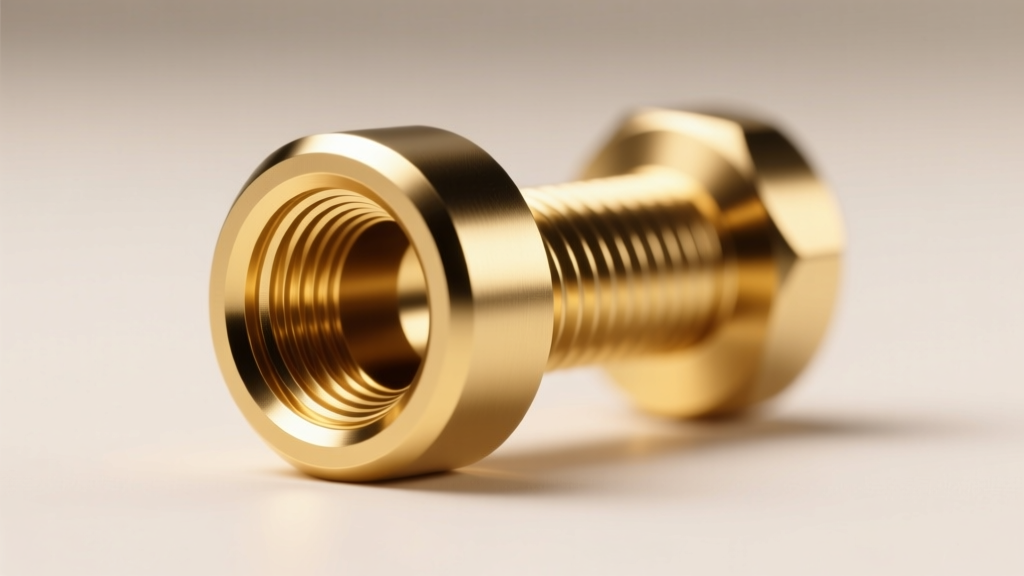
If you desire the look of gold within your earrings pack, ensure the brand utilizes PVD (Physical Vapor Deposition) coating over an ASTM F-136 titanium base. PVD creates a molecular bond that is vastly superior to traditional electroplating. Look for a coating thickness of at least 1.0 to 2.0 microns (µm) to prevent the gold layer from wearing through to the base metal within the first year of wear. The Gemological Institute of America (GIA) notes that PVD finishes offer exceptional resistance to the acidic pH of human sweat and cosmetic chemicals.
Gauge Compatibility: Why One Size Fails All Piercings
A pervasive issue with mass-market jewelry sets is the assumption that a single wire thickness fits all ear zones. This is anatomically incorrect and can lead to severe complications. The gauge (thickness) of the jewelry must match the needle size used during the initial piercing to prevent the "cheese-cutter effect"—a phenomenon where a wire that is too thin slowly migrates through the tissue due to uneven weight distribution.
Standard Gauge Requirements by Ear Zone
- Standard Earlobe: 20G (0.81mm) or 18G (1.02mm). Most fashion packs default to 20G, which is acceptable for lobes but dangerous elsewhere.
- Helix, Tragus, and Conch: 16G (1.29mm) is the industry gold standard. A 16G wire provides the structural rigidity needed to support cartilage tissue without inducing migration.
- Daith and Rook: 16G (1.29mm) or 14G (1.60mm), requiring specialized curved barbells or clickers, rarely found in standard multi-packs.
When purchasing a curated pack, verify that the jeweler offers gauge-swapping options. A premium set will allow you to select 18G for your lobe studs and 16G for your helix hoops within the same bundle, ensuring anatomical harmony.
Post Length and Backing Mechanics
The hardware that secures the jewelry is just as vital as the decorative end. Traditional butterfly friction backs—the standard in 90% of commercial earrings packs—are a nightmare for ear health. They rely on a small metal clutch that loses tension over time, leading to lost jewelry. Furthermore, the hollow tube of the post and the intricate grooves of the clutch trap dead skin cells, sebum, and bacteria, creating a breeding ground for contact dermatitis and localized infections.
An expert-level pack will feature one of the following securement systems:
- Threadless Push-Pins: The gold standard for cartilage. A slightly bent pin is inserted into a hollow post, creating immense outward tension that holds the jewelry securely without any threading. This allows for seamless insertion and removal while minimizing tissue trauma.
- Internally Threaded Labrets: The threading is located on the decorative end, not the post. This means the smooth post passes through the delicate fistula during insertion, preventing micro-tears that external threading causes.
- Hinged Segment Rings (Clickers):strong> Ideal for hoops in a stacking pack. They feature a precision-machined hinge and a satisfying "click" closure that eliminates the need to bend seamless rings out of shape, which compromises their circular geometry.
Stacking Geometry and Spatial Planning
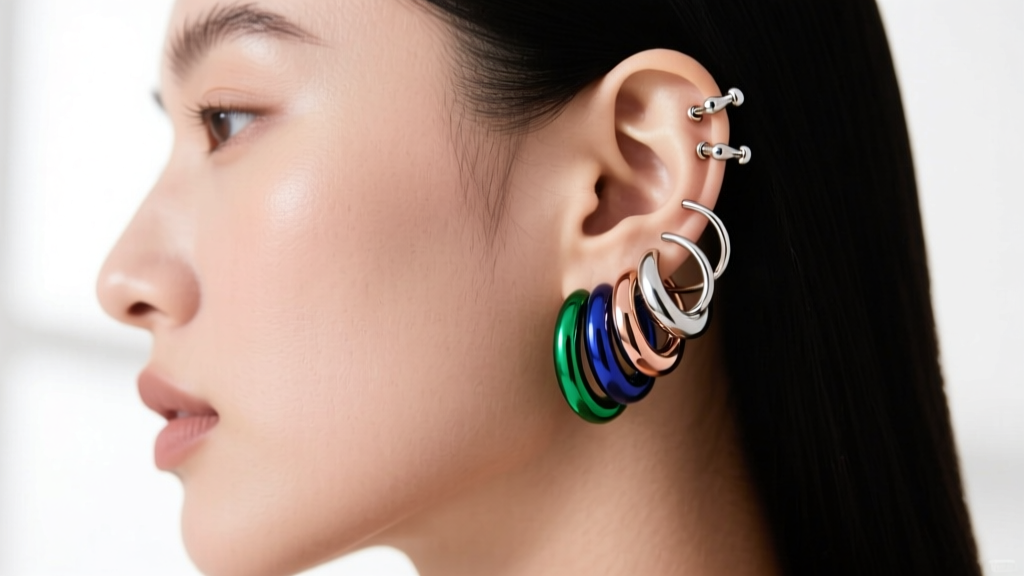
Curating an ear stack from an earrings pack requires an understanding of spatial geometry. The ear is a topographical map of ridges and valleys, and jewelry must follow these contours without overlapping or causing pressure points.
The Rule of Proportional Scaling
When arranging the contents of your pack, apply the principle of proportional scaling. The jewelry should generally decrease in size as it moves outward from the center of the ear or upward along the helix rim. For example, a 4mm bezel-set gem is perfect for a primary lobe piercing, but a 2.5mm or 3mm gem is required for a secondary or tertiary lobe piercing to prevent the metal from resting on the adjacent tissue.
Managing Swelling and Tissue Thickness
Cartilage varies wildly in thickness. A standard tragus might be 4mm thick, while a conch could be 8mm thick. If your earrings pack only includes standard 6mm posts, they will be too long for the tragus (causing snagging) and too short for the conch (causing the backing to embed into the skin). Premium packs provide a variety of post lengths (e.g., 5mm, 6.5mm, and 8mm) or allow you to specify lengths based on your piercer's caliper measurements.
Final Verdict: Building Your Curated Set
Investing in a high-quality earrings pack is an exercise in preventative care and aesthetic precision. By demanding ASTM F-136 titanium, precise gauge tolerances, and advanced threadless or internally threaded mechanics, you elevate your ear curation from a temporary accessory to a permanent, safe, and stunning body modification. Always consult with a certified professional piercer to measure your specific anatomy before finalizing your pack configuration, ensuring every piece sits flush, secure, and perfectly aligned with your unique ear topography.


