How to Clean and Maintain Silver Dangle Flower Earrings
Learn expert cleaning, storage, and maintenance tips for silver dangle flower earrings. Protect intricate petal details and prevent tarnish easily.

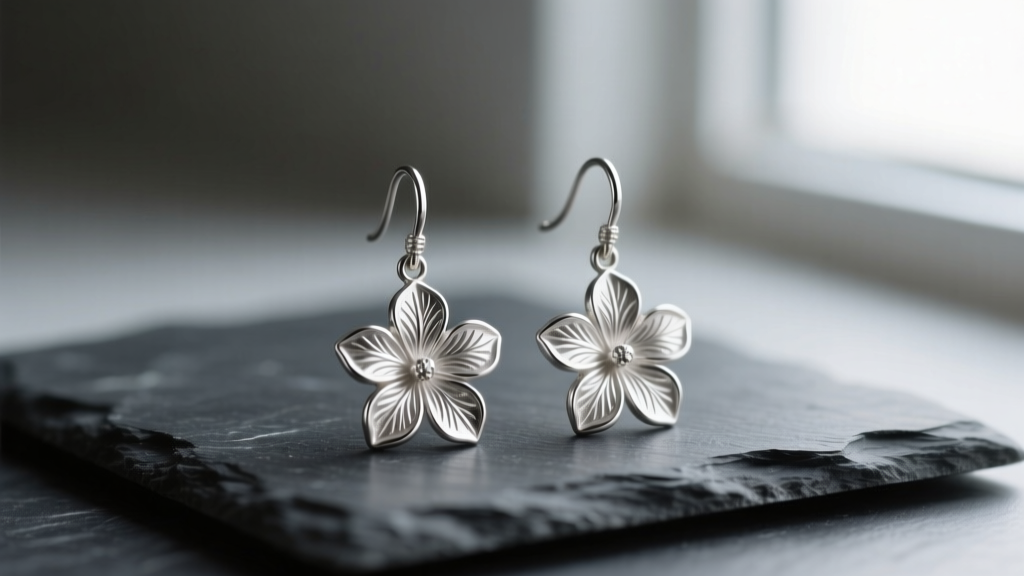
Silver dangle flower earrings are a timeless staple in any jewelry collection, offering a delicate balance of botanical elegance and dynamic movement. However, their intricate designs—featuring overlapping petals, textured stamens, and articulated dangles—make them notorious magnets for cosmetic buildup, sebum, and environmental tarnish. Unlike simple stud earrings, floral dangles possess deep crevices and multiple mechanical connection points that require specialized care. In this comprehensive guide, we break down the exact metallurgical science of sterling silver tarnish and provide a professional-grade maintenance protocol to keep your floral earrings brilliant and structurally sound for decades.
The Chemistry of Tarnish in 925 Sterling Silver Floral Designs
To properly care for your jewelry, you must first understand what you are fighting. Pure silver (999) is highly resistant to tarnish, but it is too soft for durable jewelry. Therefore, your earrings are likely crafted from 925 sterling silver, an alloy containing 92.5% silver and 7.5% copper. It is this copper content that reacts with sulfur compounds in the atmosphere—specifically hydrogen sulfide—to form copper sulfide, the dark, dull layer we recognize as tarnish.
Floral designs exacerbate this chemical reaction. The high surface area of sculpted petals and the deep recesses meant to mimic the center of a flower trap moisture, dead skin cells, and sulfur-rich hairsprays or lotions. Furthermore, if your silver dangle flower earrings feature intentional oxidation (a darkened patina applied by the jeweler to highlight the petal textures), aggressive cleaning will strip this deliberate contrast, leaving the earrings looking flat and washed out.
Step-by-Step Cleaning Protocol for Intricate Petal Crevices
Forget the toothpaste myth; the abrasive silica in toothpaste will permanently micro-scratch sterling silver, which sits at a mere 2.5 to 3 on the Mohs hardness scale. Instead, utilize these two targeted methods based on the level of tarnish.
Method 1: The Gentle Surfactant Wash (For Weekly Grime)
This method removes oils, lotions, and skin cells without affecting the silver's surface or any applied patina.
- The Solution: Mix three drops of phosphate-free, mild dish soap (like Dawn) into a bowl of lukewarm distilled water. Avoid tap water, as chlorine and heavy minerals can cause spotting.
- The Tool: Do not use a standard toothbrush. The stiff nylon bristles can leave micro-scratches on high-polish silver. Instead, use an ultra-soft baby hairbrush or a clean goat-hair makeup brush.
- The Technique: Submerge the earrings for 3 minutes to loosen debris. Gently agitate the brush into the petal crevices and around the jump rings. Rinse thoroughly under distilled water and immediately pat dry with a lint-free microfiber cloth. Air-drying will leave water spots.
Method 2: Electrochemical Ion Exchange (For Heavy Sulfur Tarnish)
If your earrings have turned uniformly yellow or black and lack intentional oxidized details, you can reverse the chemical reaction using a galvanic bath. According to the Gemological Institute of America (GIA), this method removes tarnish without stripping away any of the base silver metal.
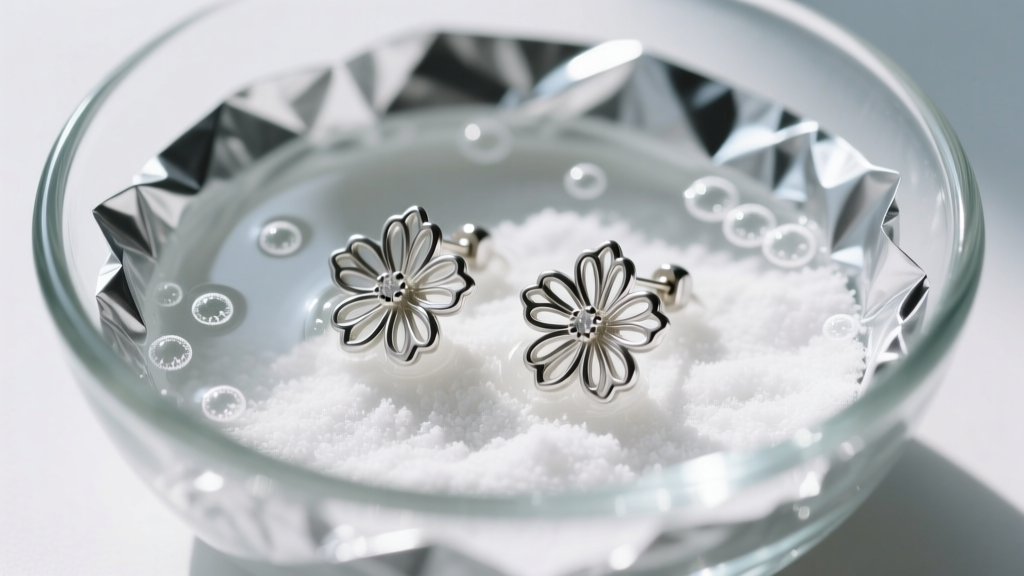
- Line a glass bowl with aluminum foil, shiny side up.
- Place the silver dangle flower earrings directly touching the foil.
- Sprinkle 2 tablespoons of baking soda (sodium bicarbonate) and 1 teaspoon of salt over the jewelry.
- Pour boiling water into the bowl until the earrings are fully submerged. You will see immediate bubbling as the aluminum, being more reactive, pulls the sulfur away from the copper sulfide.
- Leave for exactly 2 to 3 minutes. Remove with wooden tongs, rinse in cool distilled water, and buff dry.
What to Avoid: Ultrasonic and Chemical Dip Dangers
Many consumers reach for commercial silver dips or ultrasonic cleaners, but these pose severe risks to intricate dangle earrings. Commercial dips rely on thiourea, a toxic chemical that forcibly strips tarnish but often leaves a dull, pitted surface if left too long. Furthermore, dips will completely ruin any porous gemstones (like turquoise or opals) that might be set in the center of your floral design.
Ultrasonic cleaners use high-frequency sound waves to create microscopic cavitation bubbles. While great for solid diamond rings, the intense vibrations can easily shake loose the tiny 3mm jump rings connecting your flower dangle to the ear wire, or shatter micro-pave stones.
| Method | Best For | Oxidized Details Safe? | Gemstone Safe? |
|---|---|---|---|
| Mild Surfactant | Weekly grime & oil removal | Yes | Yes |
| Electrochemical Bath | Heavy, uniform sulfur tarnish | No (strips patina) | No (heat melts glue) |
| Commercial Dip | Quick brightening (Not Recommended) | No | No |
| Ultrasonic | Solid metal without moving parts | Yes | No (vibration risk) |
Maintaining the Dangle Mechanics and Ear Wires
The structural integrity of dangle earrings is just as critical as their shine. The ear wires on floral dangles are typically crafted from 20-gauge (0.81mm) or 22-gauge (0.64mm) half-hard sterling wire. Because silver is naturally malleable, taking the earrings on and off by pulling the wire through the earlobe can slowly bend the hook, compromising its tension and causing the earring to fall out.
The Fix: Always hold the earring by the base of the flower or the thickest part of the wire when inserting or removing it. If the hook becomes misshapen, use a pair of nylon-jaw pliers to gently bend it back into a perfect curve. Never use standard metal pliers, as the steel teeth will deeply gouge the soft silver.
Additionally, inspect the jump ring connecting the flower to the wire every few months. If you feel the earring catching on your hair, the jump ring has pulled open. Use two pairs of flat-nose pliers to twist the ends of the ring past each other (laterally), align them perfectly, and twist back shut. Never pull the ring apart outward like a C-shape, as it will lose its perfect circular geometry.
Long-Term Storage and Anti-Tarnish Strategies
How you store your silver dangle flower earrings when not in use dictates how much cleaning they will require later. Leaving them exposed on a bathroom vanity exposes them to high humidity and aerosolized sulfur from personal care products.
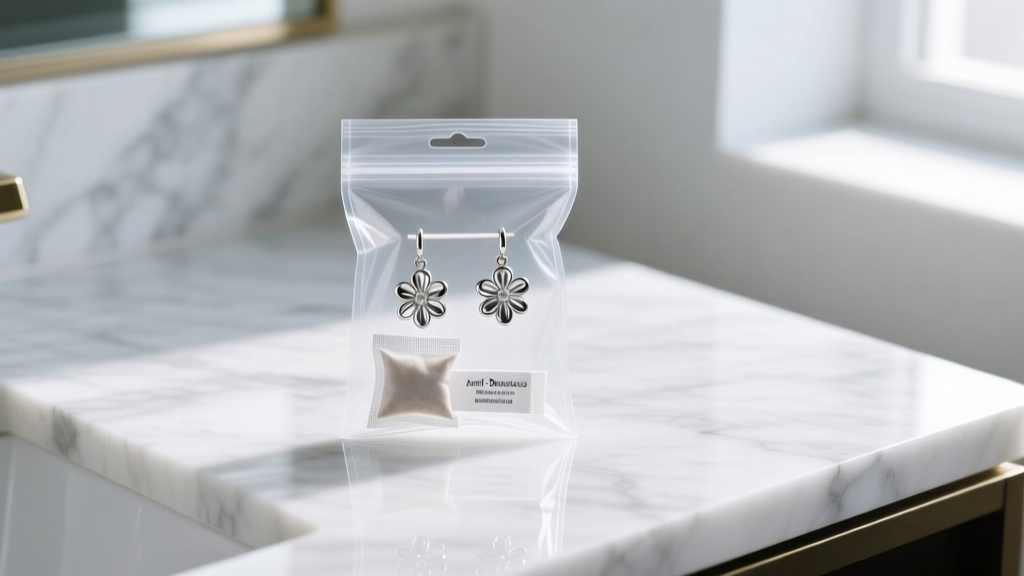
According to guidelines from Jewelers of America, the gold standard for silver storage is an airtight environment combined with sulfur-absorbing technology. Store your earrings in individual ziplock bags made of polyethylene (avoid PVC, which can emit corrosive gases). Inside each bag, place a 3M anti-tarnish strip. These strips utilize intercept technology—a reactive copper polymer that permanently binds with sulfur gases in the enclosed air, sacrificing itself to protect your jewelry. Replace these strips every 6 months. Finally, never store dangle earrings in a tangled pile; the weight of heavier pieces can crush the delicate silver petals of lighter floral designs.
Troubleshooting Common Silver Flower Earring Issues
Expert Insight: "If your silver earrings have tiny black pits that refuse to polish out, you are likely looking at copper bleeding or environmental pitting, not surface tarnish. At this stage, chemical cleaning will not help. The piece requires professional repolishing with a rouge wheel to remove a microscopic layer of the damaged metal."
Issue: Rhodium Plating Wear
Many modern silver floral earrings are flashed with a thin layer of rhodium to prevent tarnish and mimic white gold. If you notice the earrings tarnishing in specific high-friction spots, the rhodium has worn away. Do not use abrasive polishing cloths (like Sunshine cloths) on rhodium-plated silver, as you will accelerate the stripping process. Once the plating is gone, a local jeweler can re-plate them for a nominal fee.
Issue: Stiff Dangle Joints
If the flower head no longer swings freely on the jump ring, sebum and oxidized metal dust have created a microscopic weld. Apply a single drop of mineral oil to the joint using a toothpick, let it sit for an hour, and gently work the joint back and forth until the movement is restored. Wipe away all excess oil to prevent dust attraction.
By understanding the specific vulnerabilities of 925 sterling silver and the mechanical realities of dangle jewelry, you can ensure your silver dangle flower earrings remain a vibrant, structurally sound centerpiece of your wardrobe for years to come. Consistent, gentle care will always outperform aggressive, reactive cleaning.


