Ultimate Care Guide for Sterling Silver Butterfly Earrings
Discover expert tips to clean, polish, and store your sterling silver butterfly earrings. Prevent tarnish and keep your .925 silver jewelry shining.

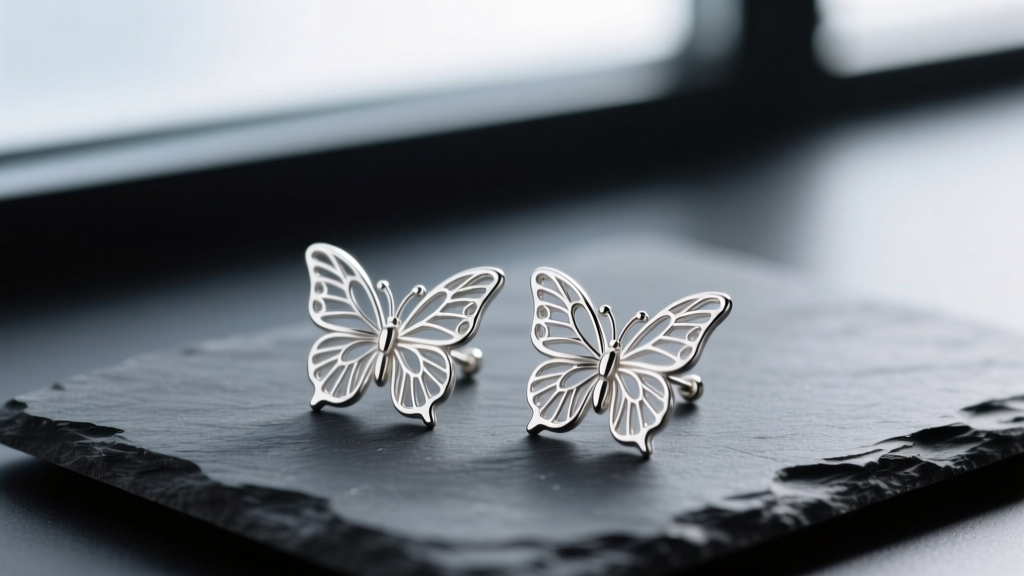
Sterling silver butterfly earrings are a timeless staple in any jewelry collection, offering a delicate balance of whimsical charm and everyday elegance. However, the intricate filigree, textured wings, and tiny crevices that make butterfly motifs so captivating also make them notorious traps for sebum, cosmetics, and environmental pollutants. If you have noticed your favorite .925 silver pieces losing their luster or developing a dark, yellowish film, you are witnessing a natural chemical reaction. This comprehensive guide will walk you through the exact protocols required to clean, maintain, and store your sterling silver butterfly earrings without damaging delicate posts or gemstone inlays.
The Science of Silver Sulfidation (Not Oxidation)
Before reaching for a polishing cloth, it is crucial to understand what is actually happening to your jewelry. A common misconception is that silver 'oxidizes' or rusts like iron. In reality, sterling silver—an alloy comprising 92.5% pure silver and 7.5% copper—undergoes sulfidation. The copper in the alloy reacts with hydrogen sulfide (H2S) present in the air, forming silver sulfide (Ag2S), which manifests as a dull yellow, brown, or black coating.
According to the Gemological Institute of America (GIA), everyday items like rubber bands, wool, certain paints, and even the natural sulfur compounds in your own sweat can accelerate this process. Because butterfly earrings often feature deep grooves to mimic wing veins, silver sulfide accumulates rapidly in these recessed areas, requiring targeted cleaning methods rather than a simple surface wipe.
The Step-by-Step Cleaning Protocol
When cleaning butterfly earrings, you must account for the gauge of the post and the presence of any secondary materials. Most sterling silver studs feature a 20-gauge (0.8mm) or 18-gauge (1.0mm) post. These are relatively thin and can easily bend if you apply too much lateral pressure while scrubbing the butterfly motif.
Method 1: The Mild Surfactant Bath (For Light Soil and Oils)
This method is ideal for removing daily buildup of skin oils, lotions, and hairspray, and is completely safe for earrings featuring cubic zirconia (CZ) or diamond accents.
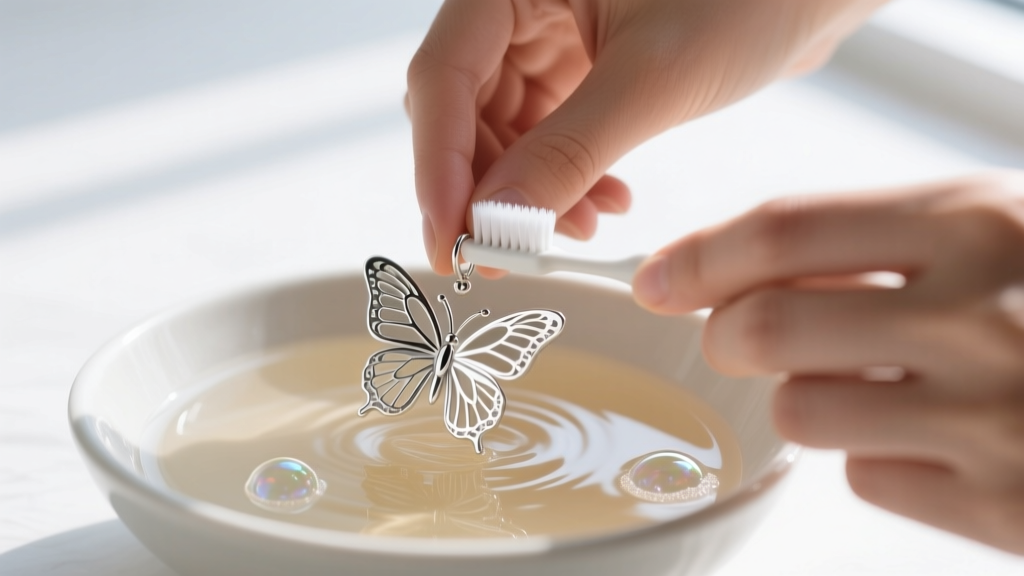
- Step 1: Line a small glass bowl with a soft microfiber cloth to prevent the earrings from scratching against the hard bottom.
- Step 2: Mix a few drops of phosphate-free, mild dish soap (like Dawn) into a cup of lukewarm distilled water. Avoid tap water, as the chlorine and minerals can leave micro-deposits.
- Step 3: Submerge the earrings for 5 to 10 minutes to loosen debris.
- Step 4: Using an extra-soft baby toothbrush, gently brush the butterfly wings. Hold the earring by the base of the post to avoid bending the 20G wire. Brush in the direction of the wing grooves to dislodge trapped sebum.
- Step 5: Rinse thoroughly under distilled water and pat dry with a lint-free cloth. Use a hairdryer on the 'cool' setting to ensure no moisture remains in the deep crevices.
Method 2: The Electrochemical Reduction Bath (For Heavy Tarnish)
If your butterfly earrings have turned completely black, polishing will only remove the tarnish from the high points, leaving the deep wing grooves dark. An electrochemical bath reverses the sulfidation process, transferring the silver sulfide from the earring to a sacrificial metal.
- Line a heat-safe glass dish with aluminum foil, shiny side up.
- Place the tarnished sterling silver butterfly earrings directly on the foil, ensuring the silver touches the aluminum.
- Sprinkle 1 tablespoon of baking soda and a pinch of non-iodized salt over the earrings.
- Pour boiling water into the dish. You will immediately see bubbling and may smell a faint sulfur (rotten egg) odor as the silver sulfide converts back to pure silver.
- After 2 to 3 minutes, remove the earrings with wooden tongs, rinse in distilled water, and buff gently with a microfiber cloth.
CRITICAL WARNING: Never use the electrochemical bath on butterfly earrings featuring pearls, opals, turquoise, or glued enamel. The boiling water and chemical reaction will permanently cloud organic gems and melt the adhesives holding enamel or foil-backed stones in place.
What to Avoid: Common Mistakes That Ruin Butterfly Motifs
Many well-intentioned cleaning hacks found online will permanently damage your jewelry. Below is a breakdown of common household agents and their effects on .925 silver and rhodium-plated finishes.
| Cleaning Agent | Safety Verdict | Why It Fails or Succeeds |
|---|---|---|
| Whitening Toothpaste | AVOID | Contains hydrated silica (abrasives) that will scratch high-polish silver and strip micron-thin rhodium plating, leaving a dull, matte finish. |
| Commercial Silver Dip | USE WITH CAUTION | Contains thiourea and harsh acids. While it removes tarnish instantly, it leaves a porous surface that re-tarnishes twice as fast and can pit the copper alloy over time. |
| Bleach / Chlorine | NEVER USE | Chlorine causes an immediate, irreversible chemical reaction that turns sterling silver permanently black and brittle, leading to post breakage. |
| Ultrasonic Cleaners | CONDITIONAL | Safe for plain silver and secure CZ stones. Will shatter emeralds, fracture pearls, and violently shake loose glued-in wing accents. |
Navigating Enamel and Gemstone Inlays
Butterfly earrings frequently incorporate colorful enamel to mimic the vibrant wings of species like the Monarch or Morpho butterfly. Enamel is essentially powdered glass fused to metal, or in cheaper fashion jewelry, a painted resin. According to the Tiffany & Co. Silver Care Guide, you should always avoid harsh chemicals and abrasive brushes on mixed-media pieces. For enameled butterfly wings, stick strictly to the mild surfactant bath (Method 1) and use a cotton swab to gently clean around the gemstone prongs rather than a bristled brush, which can snag and lift the delicate silver bezels.
Cleaning the 'Butterfly' Friction Backs and Posts
When we talk about butterfly earrings, we must also address the earring back itself—the friction clutch, commonly called a 'butterfly back.' This component is a magnet for dead skin cells, sebum, and hair product residue, which compact into the tiny metal loops. This buildup not only smells unpleasant but can also cause earlobe irritation and contact dermatitis.
To clean the friction backs, soak them in a 70% isopropyl alcohol solution for 10 minutes. Use a wooden dental pick or a soft interdental brush to gently scrape out the compacted debris from the inner loops. For the earring post itself, wipe it down with an alcohol pad after every wear to sanitize the metal and prevent bacterial transfer to your piercing tract.
Proper Storage Solutions to Prevent Sulfidation
Preventing tarnish is infinitely easier than removing it. Because hydrogen sulfide is ubiquitous in the environment, the goal of storage is to create a micro-environment that neutralizes or blocks these gases.
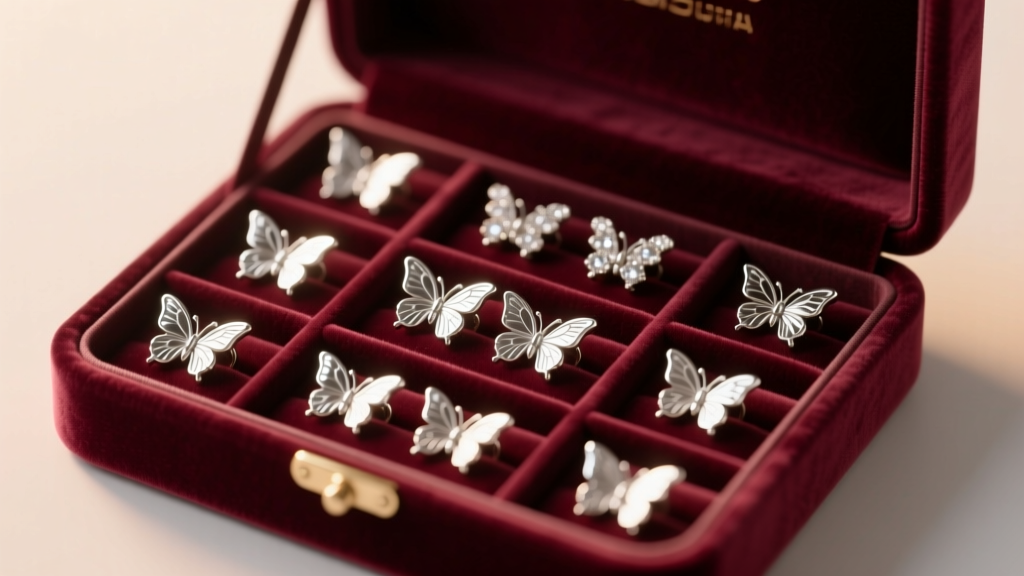
- Airtight Ziplock Bags: Store each pair of butterfly earrings in its own small, airtight polyethylene bag. Squeeze out as much air as possible before sealing.
- 3M Anti-Tarnish Strips: Drop a small 3M anti-tarnish strip into the bag or jewelry box drawer. These strips absorb sulfur compounds from the air and remain effective for 6 to 12 months.
- Silica Gel Packets: Moisture accelerates sulfidation. Reuse the silica gel packets from shoe boxes or vitamin bottles and place them in your jewelry storage to maintain a dry environment.
- Avoid Cardboard and Wood: Never store sterling silver directly in cardboard boxes or unsealed wooden chests. The adhesives in cardboard and the natural acids in wood off-gas sulfur and moisture, guaranteeing rapid tarnish.
Maintenance Schedule for Daily Wearers
If your sterling silver butterfly earrings are your daily signature piece, establishing a routine is key to maintaining their brilliance. Weekly: Wipe the earrings down with a dry, untreated microfiber cloth before putting them away for the night to remove daily oils. Monthly: Perform the mild surfactant bath to clear out the wing crevices and sanitize the friction backs. Annually: Inspect the earring posts for micro-bends and check the tension of the butterfly clutches. If the clutches feel loose, gently squeeze the metal loops together with flat-nose jewelry pliers to restore a secure fit on the 20G post. By following these precise, material-specific protocols, your sterling silver butterfly earrings will remain a pristine, sparkling staple in your collection for decades to come.


