Ultimate Care Guide for Sterling Silver Snow Flake Earrings
Learn how to clean, store, and maintain your sterling silver and gemstone snow flake earrings to prevent tarnish and keep them sparkling all winter.

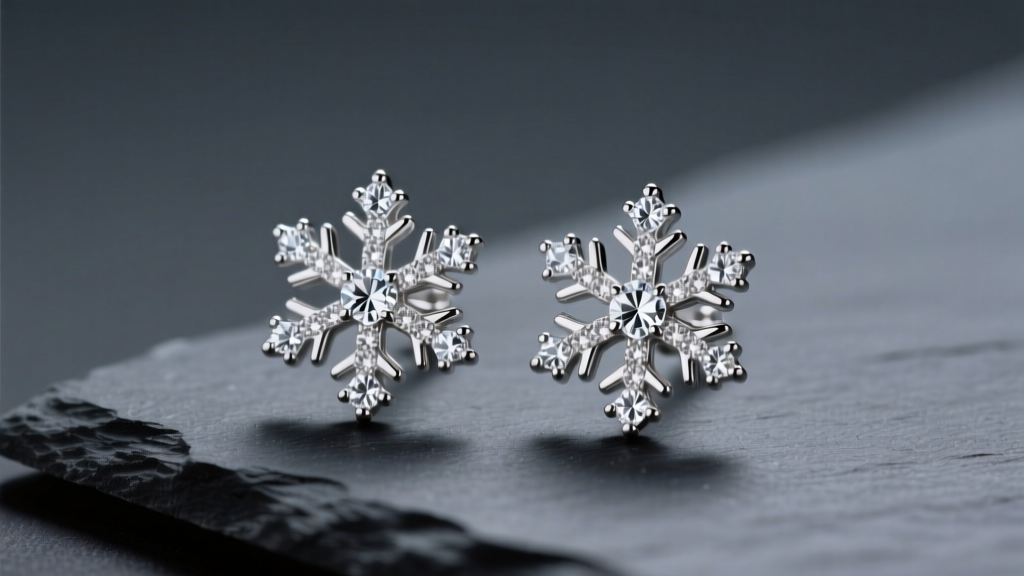
The Anatomy of Snow Flake Earrings: Materials & Vulnerabilities
Snow flake earrings are a winter staple, capturing the intricate, fractal beauty of ice in precious metals and gemstones. However, their delicate, symmetrical designs—often featuring deep crevices, pavé settings, and fine milgrain detailing—make them notorious magnets for dust, skin oils, and environmental tarnish. Whether you own a pair of 925 sterling silver studs or 14k white gold diamond drops, maintaining their brilliance requires more than a quick wipe with a cloth.
To clean your jewelry effectively, you must first understand its material composition. Most high-quality snow flake earrings are crafted from 925 sterling silver or karat gold, often finished with a thin layer of rhodium plating to enhance whiteness and prevent oxidation. Sterling silver contains 92.5% pure silver and 7.5% alloy metals, usually copper. It is this copper content that reacts with sulfur and moisture in the air, creating silver sulfide—the black tarnish that dulls your earrings.
Rhodium plating on white gold and silver snowflake designs typically ranges from 0.75 to 1.0 microns thick. Aggressive polishing with abrasive pastes can strip this layer in a single session, exposing the yellowish undertone of white gold or the tarnish-prone copper alloy of sterling silver. Furthermore, the gemstones used in snowflake motifs dictate your cleaning limitations. While diamonds and cubic zirconia (CZ) are highly durable, many designs incorporate delicate accent stones like opals or fracture-filled diamonds. According to the Gemological Institute of America (GIA), porous and treated stones can be permanently damaged by standard chemical dips or ultrasonic vibrations.
Step-by-Step Cleaning Protocol for Intricate Snowflake Designs
The fractal geometry of snow flake earrings creates microscopic traps for lotion, sebum, and dead skin cells. Here is the safest, most effective method to restore their optical clarity without damaging rhodium plating or loosening prongs.
Method 1: The Mild Surfactant Soak
This method is ideal for solid silver, gold, diamond, and CZ snow flake earrings.
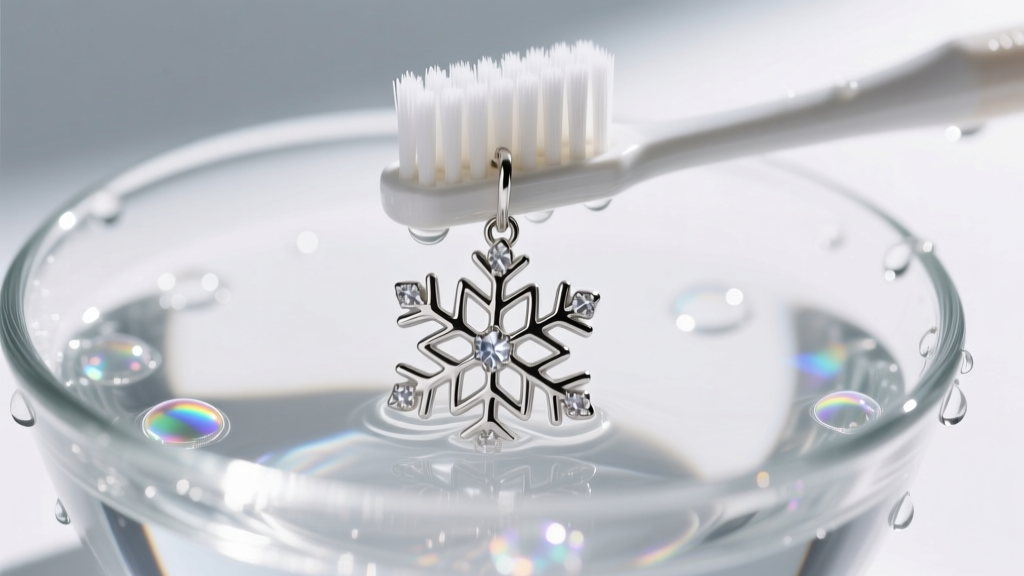
- Prepare a lukewarm bath using distilled water and three drops of pH-neutral, phosphate-free dish soap. Avoid hot water, which can expand metal settings and loosen gemstones.
- Submerge the earrings for exactly 10 to 15 minutes. This allows the surfactant to break the surface tension of trapped oils.
- Remove the earrings and use a soft-bristled baby toothbrush to gently agitate the crevices. Always brush from the center of the snowflake outward toward the points to avoid catching and bending delicate prongs.
- Rinse thoroughly under a gentle stream of lukewarm distilled water. (Always use a strainer over the drain!).
- Pat dry with a lint-free microfiber cloth. Do not use paper towels, as their wood-pulp fibers can cause micro-scratches on high-polish metals.
Method 2: The Spot-Clean for Enamel and Porous Stones
If your snow flake earrings feature blue or white enamel detailing, or porous stones like turquoise or lapis lazuli, never submerge them. Water can seep under the enamel and cause it to lift or craze. Instead, dip a cotton swab in isopropyl alcohol (90% or higher) and carefully trace the metalwork, avoiding direct contact with the enamel or porous gems.
Chemicals to Avoid: What Destroys Snowflake Finishes
Many commercial jewelry cleaners are highly abrasive or contain harsh chemicals that strip protective platings. The Silver Institute warns against using toothpaste, baking soda, or bleach, as these are highly abrasive and will permanently scratch sterling silver and strip rhodium plating.
| Household Chemical | Material Affected | Reaction & Damage Profile |
|---|---|---|
| Chlorine Bleach | Sterling Silver, Karat Gold | Causes rapid, irreversible oxidation and pitting; destroys structural integrity of prongs. |
| Baking Soda Paste | Rhodium Plating, Enamel | Acts as a harsh abrasive; strips rhodium layers and scratches high-polish enamel finishes. |
| Acetone / Polish Remover | Pearls, Opals, Epoxy Resins | Dissolves organic gemstone structures and weakens adhesives used in multi-part earring assemblies. |
| Toothpaste | Gold, Silver, CZ, Diamonds | Contains silica micro-abrasives that leave permanent microscopic swirl marks on metal surfaces. |
Ultrasonic Cleaners: A Risk Assessment
Many jewelry owners rely on ultrasonic cleaners for deep cleaning. These devices use high-frequency sound waves to create microscopic cavitation bubbles that blast dirt from crevices. While highly effective for plain metal snowflake hoops, they pose severe risks to certain gemstone varieties. If your snow flake earrings feature fracture-filled diamonds, emeralds, opals, or tanzanite, ultrasonic vibrations can shatter the stones or strip their fracture-filling resins. Furthermore, the intense vibration can loosen the delicate micro-prongs commonly used in intricate snowflake pavé designs. Unless your earrings are solid metal or feature only untreated, high-hardness stones, it is safer to stick to manual surfactant cleaning.
Proper Storage: Preventing Tarnish and Prong Snagging
Snow flake earrings, with their multiple protruding points and intricate branch-like structures, are highly susceptible to snagging. When tossed into a communal jewelry box, the prongs of one earring can easily scratch the metal of another or catch on fabric.
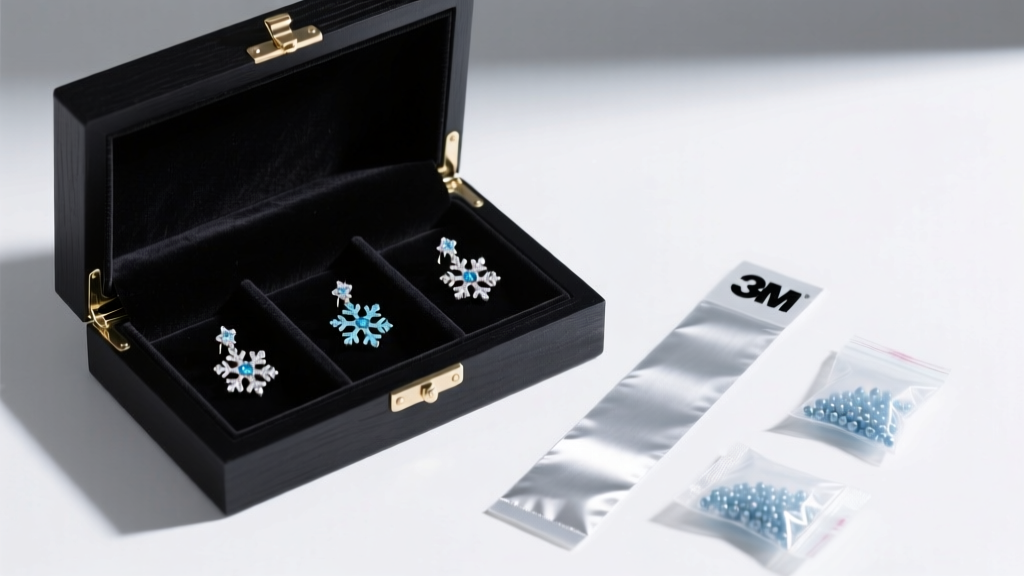
- Individual Bagging: Store each pair in an individual, air-tight polyethylene zip bag. Avoid PVC (polyvinyl chloride) plastics, as they emit gases that accelerate silver tarnishing.
- Moisture Control: Include a 3M anti-tarnish strip or a small silica gel desiccant packet in each bag to absorb ambient moisture and neutralize sulfur compounds.
- Environment: Keep them in a cool, dark place. UV light and heat can fade certain gemstone treatments and degrade epoxy resins used in some jewelry assembly.
Troubleshooting Common Snowflake Earring Issues
Stubborn Tarnish in Deep Crevices
If silver sulfide buildup remains in the deep grooves of your snowflake design after a soap soak, use a dedicated silver polishing cloth impregnated with micro-abrasives (such as a Sunshine Cloth). Fold the edge of the cloth to create a thin point, and gently work it into the crevices. Never use liquid silver dips, as they leave a chemical residue that attracts future dirt and can turn porous stones black.
Bent Posts and Metal Fatigue
When inspecting your snow flake earrings for damage, pay close attention to the post and friction back. Most standard lobe earrings use a 20-gauge (0.81mm) or 18-gauge (1.02mm) post. If the post becomes bent from sleeping in them, do not repeatedly bend it back, as sterling silver and white gold are subject to metal fatigue and will eventually snap at the solder joint. A professional jeweler can replace a broken post for typically between $25 and $45.
Loose Gemstones in Pavé Settings
Snowflake designs frequently utilize pavé or micro-prong settings to mimic the glittering ice crystals. If you notice a stone rattling or catching on your clothing, stop wearing the earring immediately. Do not attempt to push the prong back into place with your fingernail or a household tool; karat gold and silver work-harden and can snap if bent improperly. Take them to a professional jeweler who can use a specialized prong pusher and burnisher to secure the stone safely.
Cloudy Cubic Zirconia (CZ)
Over time, CZ stones can become cloudy due to the accumulation of hard water spots and lotions. If a gentle soap soak doesn't restore their fire, soak the earrings in a 50/50 mixture of distilled white vinegar and distilled water for 10 minutes. The mild acetic acid will dissolve mineral deposits without harming the CZ or the metal setting. Rinse thoroughly and dry.


