How to Maintain and Clean Unique Earrings for Men
Discover expert cleaning and maintenance tips for unique earrings for men. Learn how to care for titanium, wood, oxidized silver, and custom gauges.

The Material Matrix: Why Men's Earring Care Differs
The landscape of men's jewelry has radically shifted. In 2026, the search for unique earrings for men yields architectural marvels: Damascus steel clickers, forged carbon fiber tunnels, meteorite-inlaid barbells, and heavy-gauge oxidized silver weights. However, these unconventional materials and complex structural designs require highly specialized care protocols. Standard jewelry cleaning dips and ultrasonic machines can permanently ruin patinas, warp organic inlays, and strip anodized color layers.
Proper maintenance of men's alternative earrings is not just about aesthetics; it is critical for tissue health, especially in cartilage placements like the industrial, conch, or daith, where trapped sebum and degraded metals can cause severe contact dermatitis or localized infections. This guide provides a masterclass in preserving the structural integrity and visual impact of high-end, unique men's earrings.
Step-by-Step Cleaning Protocols by Material
Oxidized and Blackened Silver
Oxidized silver achieves its dark, gritty aesthetic through a controlled chemical reaction, typically using liver of sulfur to create a layer of silver sulfide on the surface. This patina settles into the crevices of skull motifs, geometric grooves, and Celtic knots, providing high contrast against the polished raised edges.
- The Fatal Mistake: Never use liquid silver dip, baking soda baths, or ultrasonic cleaners. These methods will strip the oxidation entirely, leaving you with a flat, bright silver piece and ruining the designer's intended contrast.
- The Correct Protocol: Use a treated silver polishing cloth (impregnated with mild micro-abrasives) and gently buff only the high spots and raised edges. Use a soft-bristled makeup brush to dust out the recessed, darkened areas without applying pressure.
Wood, Bone, and Organic Inlays
Many unique earrings for men feature organic elements, particularly in stretched lobe plugs and tapers ranging from 00g (10mm) to 1 inch (25.4mm). Woods like ebony, mahogany, and bloodwood, as well as carved water buffalo bone, are highly porous.
- Moisture Control: Never submerge organic jewelry in water. Wood absorbs moisture, swells, and eventually cracks when it dries unevenly. Bone can become brittle and harbor bacteria if waterlogged.
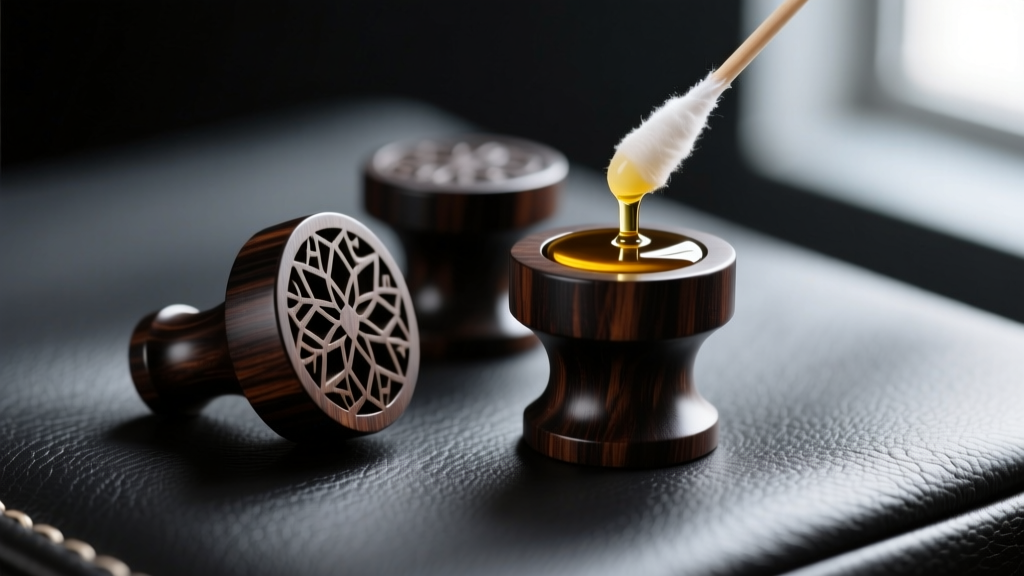
- Oiling Routine: Clean the surface with a slightly damp cloth, let it dry completely, and then massage a few drops of pure jojoba oil or specialized wood wax into the material. Jojoba oil closely mimics human sebum, conditioning the wood without turning rancid. Perform this monthly to prevent micro-fractures.
Anodized Titanium and Niobium
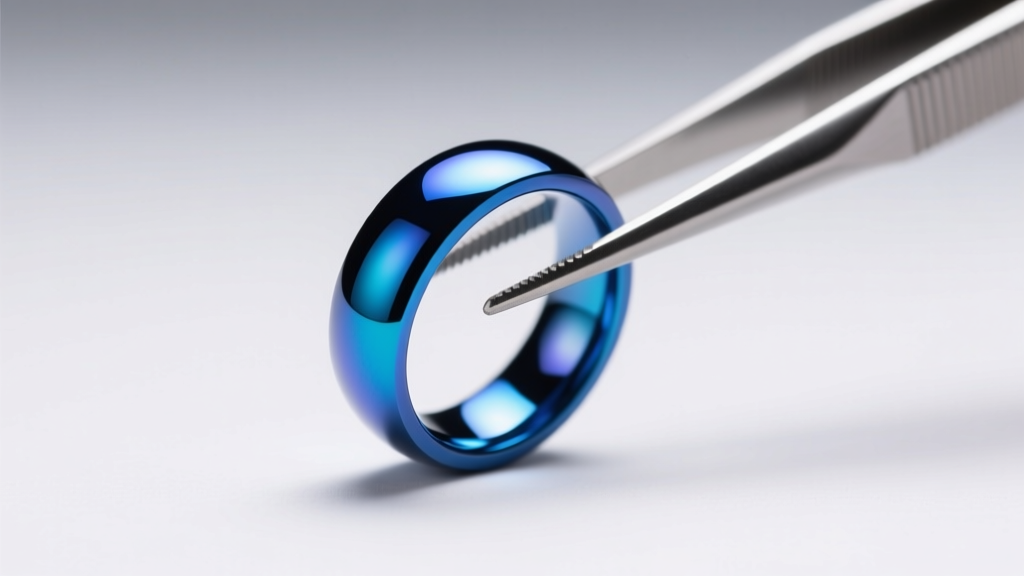
Anodization uses an electrical current to alter the oxide layer on the surface of ASTM F-136 implant-grade titanium or pure niobium, creating vibrant colors without dyes or plating. These are exceptionally popular for fresh industrial piercings and daith clickers due to their hypoallergenic properties.
- Chemical Sensitivity: While the base metal is virtually indestructible, the anodized color layer can be dulled by harsh chemicals, alcohol, and abrasive pastes.
- Safe Cleaning: Wash with warm water and a mild, fragrance-free antibacterial soap. For sterilization, the Association of Professional Piercers (APP) confirms that implant-grade titanium can safely withstand brief soaks in sterile saline or even autoclaving, though simple soap and water is sufficient for routine wear.
Structural Maintenance: Threads, Hinges, and O-Rings
The mechanical failure modes of men's heavy-gauge and complex earrings are often overlooked until a piece is lost or a piercing is torn.
Threading Integrity
For barbells and labret studs in 14g, 12g, or 10g (common in men's industrial and surface anchor setups), thread type is paramount. External threading (where the screw is on the post) acts like a file against the delicate internal tissue of the piercing channel during insertion. Furthermore, external threads are prone to cross-threading and stripping.
Expert Recommendation: Invest exclusively in internally threaded jewelry (where the screw is on the decorative end). If you must use external threads, apply a microscopic drop of blue Loctite (threadlocker) to the screw to prevent the decorative ends from vibrating loose during daily activities or motorcycle riding. Never use red Loctite, as it is permanent and will ruin the jewelry.
Hinge Tension on Clickers and Segment Rings
Hinged segment rings and clickers are staples in men's septum and daith piercings. Over time, the micro-hinge can accumulate dead skin cells and sebum, causing the closure to click loosely or fail to snap shut entirely.
- Use a wooden toothpick or a soft interdental brush to gently clear debris from the hinge barrel.
- Apply a microscopic drop of synthetic watchmaker's oil to the hinge pin to restore smooth operation. Avoid petroleum-based oils which degrade skin tissue.
Silicone O-Ring Degradation
Double-flared wood, stone, or glass plugs rely on silicone O-rings to secure them in the stretched lobe. Skin oils, sweat, and UV exposure cause silicone to dry rot, stretch out, and snap. Replace O-rings every 4 to 6 months, or immediately if they feel stiff or show micro-tears.
Data Table: Cleaning Agents vs. Material Compatibility
Using the wrong chemical agent is the fastest way to destroy unique earrings for men. Refer to this compatibility matrix before applying any solution to your jewelry.
| Material | Safe Cleaners | Strictly Avoid | Maintenance Frequency |
|---|---|---|---|
| Damascus Steel | Mild soap, mineral oil | Water soaking, bleach, silver dip | Oil weekly to prevent rust |
| Oxidized Silver | Treated polishing cloth (high spots only) | Ultrasonic, liquid dips, baking soda | Buff monthly |
| Forged Carbon Fiber | Damp microfiber cloth | Alcohol, acetone, harsh solvents | Wipe after heavy sweating |
| Wood / Bone Plugs | Jojoba oil, dry brushing | Water submersion, alcohol, soap | Oil monthly |
| Anodized Titanium | Sterile saline, mild antibacterial soap | Abrasive pastes, polishing wheels | Wash weekly |
| Meteorite Inlay | Dry cloth, light mineral oil | Moisture, ultrasonic cleaners | Keep strictly dry |
Aftercare for Stretched Lobes and Heavy Gauges
Many unique earrings for men, such as solid brass weights, carved stone saddles, or heavy geometric pendants, place significant downward tension on stretched earlobes. This constant gravitational pull can lead to lobe thinning, migration, and eventually, blowouts or tearing.
The Heavy Weight Protocol
To maintain tissue health when wearing heavy, unique statement pieces, you must practice active lobe conditioning. The Gemological Institute of America (GIA) and professional body modification artists emphasize the importance of tissue elasticity. Remove heavy weights before sleeping to allow the lobe to rest. Twice a week, perform a gentle lobe massage using pure vitamin E oil or jojoba oil to stimulate blood flow and maintain the collagen matrix of the earlobe.
Preventing Green Skin and Metal Reactions
Men's earrings frequently utilize brass, bronze, and copper for their distinct, rugged patinas. However, the high copper content reacts with sweat and skin acidity, leaving a green or black residue on the lobe. While harmless, it is aesthetically displeasing. To prevent this, coat the post or the part of the jewelry that touches the skin with a micro-thin layer of clear nail polish or specialized jewelry guard, or opt for pieces that feature a titanium or surgical steel barrier post.
Expert Storage and Travel Tips
How you store your unique earrings for men is just as critical as how you clean them. Tossing heavy steel weights, delicate wood tapers, and threaded barbells into a single communal drawer guarantees scratched finishes, stripped threads, and warped organics.
- Silica Gel is Mandatory: For organic materials (wood, bone, horn) and high-carbon metals (Damascus steel, meteorite), moisture is the enemy. Store these pieces in airtight Pelican cases or sealed glass jars with rechargeable silica gel desiccant packets to maintain a 0% humidity micro-environment.
- Thread Protection: For internally threaded barbells and labrets, screw the ends on tightly before storage to protect the delicate internal tapping from dust and impact damage. Store them in individual foam-slotted watch boxes to prevent the heavy decorative ends from crushing the posts.
- Traveling with Gauges: When flying, cabin pressure and extreme dryness can cause wooden plugs to shrink and crack. Always travel with wood and bone jewelry sealed in a ziplock bag with a slightly damp (not wet) cotton ball to maintain ambient humidity, and apply a fresh coat of jojoba oil upon arrival.
By treating your unique earrings for men not just as accessories, but as specialized metallurgical and organic artifacts, you ensure they remain striking, structurally sound, and safe for your body for decades to come.


