Acrylic Earring Holder Buying Guide: What to Look For
Discover what to look for in an acrylic earring holder. Compare cast vs extruded acrylic, hole gauges, and base stability for your jewelry collection.

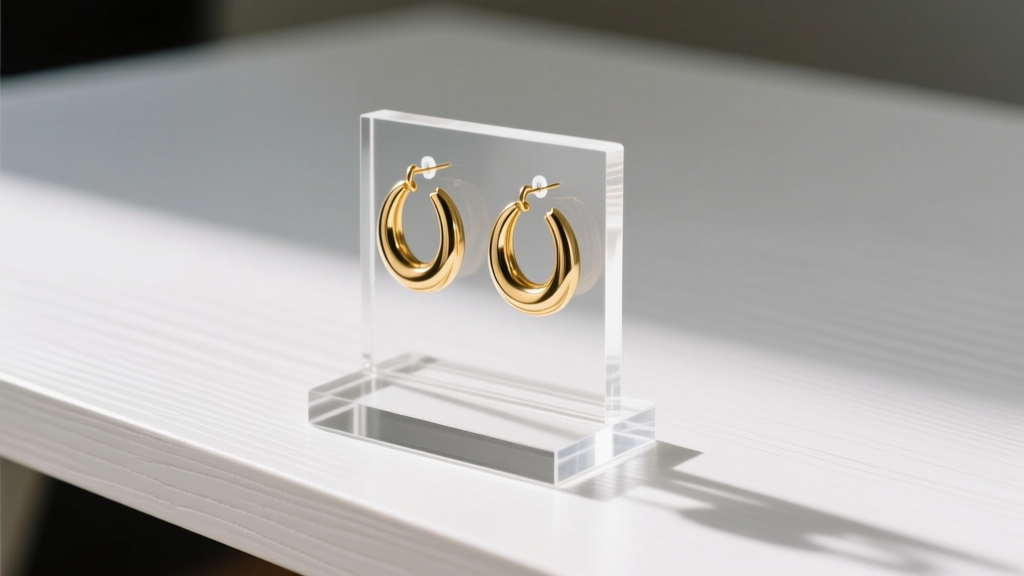
The Shift to Acrylic: Why Material Matters for Earring Storage
When organizing a curated earring collection, the transition from traditional velvet rolls or opaque wooden boxes to a transparent acrylic earring holder is a game-changer for both visibility and hygiene. However, not all acrylic displays are created equal. As of 2026, the market is flooded with cheap, mass-produced plastic organizers that scratch easily, warp under weight, and feature poorly drilled holes that snag delicate earring posts. Whether you are storing lightweight 20-gauge titanium studs or heavy, oversized brass dangles, understanding the material science and structural engineering behind these displays is critical. This comprehensive buying guide breaks down exactly what to look for when investing in a high-quality acrylic earring holder, ensuring your jewelry remains pristine, untangled, and perfectly showcased.
Cast vs. Extruded Acrylic: The Material Breakdown
The most common mistake buyers make is assuming all 'acrylic' is the same. In the plastics industry, acrylic (Polymethyl methacrylate, or PMMA) is manufactured in two distinct ways: cast and extruded. According to material specifications outlined by the International Association of Plastics Distribution (IAPD), the manufacturing process drastically alters the physical properties of the final sheet.
Extruded Acrylic is produced by continuously pushing molten PMMA through a roller die. It is cheaper to produce but has a lower molecular weight. When laser-cut to create earring holes, extruded acrylic tends to melt and leave microscopic burrs or 'slag' along the edges. These burrs act like tiny files, scratching the gold vermeil or rhodium plating off your earring posts every time you insert or remove them.
Cast Acrylic, on the other hand, is poured into a mold and cured. It possesses a higher molecular weight, making it significantly more durable, optically clear, and scratch-resistant. Crucially, when a CNC laser cuts cast acrylic, the material vaporizes cleanly rather than melting, leaving a smooth, glass-like edge that is completely safe for delicate jewelry finishes.
Material Comparison Chart
| Feature | Cast Acrylic (Recommended) | Extruded Acrylic (Avoid) |
|---|---|---|
| Optical Clarity | Crystal clear, museum-grade | Slightly cloudy, prone to glare |
| Laser-Cut Edge Quality | Smooth, vaporized, snag-free | Melted burrs, snags earring posts |
| Scratch Resistance | High (can be polished out) | Low (scratches permanently) |
| Weight Tolerance | High structural rigidity | Flexible, bows under heavy hoops |
| Relative Cost | Moderate to High | Low |
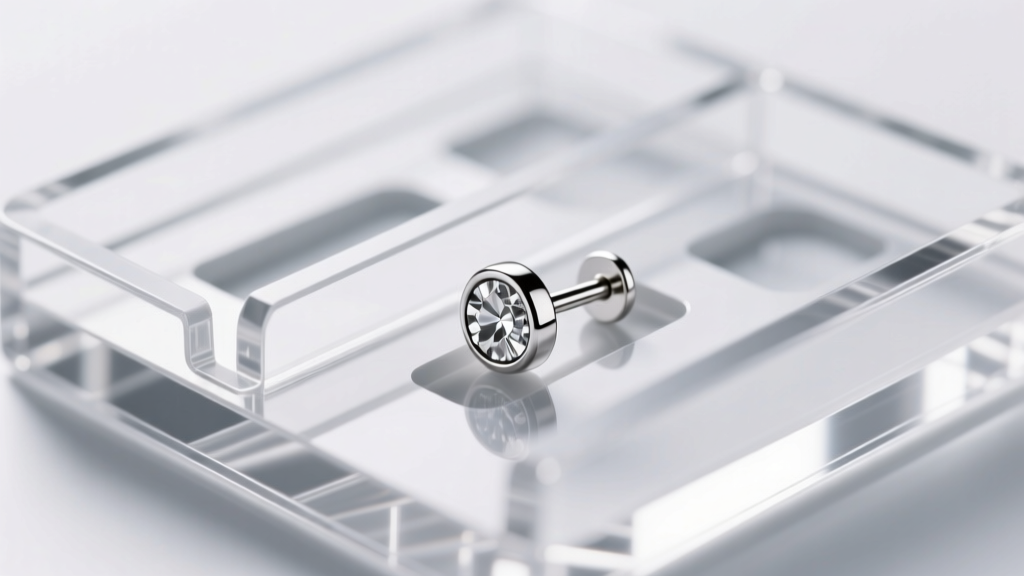
Hole Sizing, Gauge Compatibility, and the 'Slot-Drop' Solution
The defining feature of any acrylic earring holder is its hole pattern. Standard earring posts (like butterfly-back studs) are typically 20-gauge (0.81mm) or 18-gauge (1.02mm). However, if you collect cartilage jewelry, fishhook dangles, or artisan wire-wrapped pieces, you are dealing with much thicker gauges. A 16-gauge wire is 1.29mm, a 14-gauge is 1.63mm, and a 12-gauge is 2.05mm.
Most budget acrylic holders feature rigid, circular drilled holes measuring exactly 1.5mm. While this accommodates standard studs, it will violently snag or outright refuse to accept 14-gauge French wires or thick resin hooks. Forcing a thick wire into a tight circular hole is a primary cause of warped earring posts and damaged acrylic displays.
What to Look For: Slot-Drop and Keyhole Cuts
Instead of simple circular holes, seek out an acrylic earring holder that utilizes slot-drop or keyhole laser cuts. These designs feature a wider entry slot at the top that narrows down into a secure resting groove. This allows you to drop a 12-gauge wire or a bulky decorative hook into the slot without forcing it through a tight circle. The earring rests securely in the narrower groove at the bottom, preventing it from sliding out while completely eliminating friction against the earring post. For collectors of diverse styles, a hybrid board featuring both 1.5mm circular holes for standard studs and 3mm slot-drops for hooks is the ultimate functional layout.
Acrylic Thickness and Weight Distribution
Acrylic is inherently lightweight, which is a double-edged sword for jewelry display. If you hang heavy, solid-brass statement dangles or thick stainless steel hoop earrings on a flimsy sheet of acrylic, the entire structure will bow forward, warp, or tip over entirely. When evaluating product specifications, pay strict attention to the thickness of the acrylic sheeting used.
- 3mm (1/8 inch): Too thin for freestanding displays. Acceptable only for wall-mounted panels or drawer inserts where the surrounding structure provides support.
- 5mm (3/16 inch): The minimum acceptable thickness for a freestanding acrylic earring holder. It provides enough rigidity to hold standard gold and silver dangles without flexing.
- 6mm to 8mm (1/4 to 5/16 inch): The premium standard. This thickness is required for tiered towers or displays intended to hold heavy, oversized geometric hoops and beaded chandelier earrings.
Base Stability: T-Base vs. Flat-Base
The upright panel is only half the equation; the base dictates the center of gravity. A flat-base design (where the upright is glued directly to a thin rectangular bottom plate) is highly susceptible to tipping when front-loaded with heavy jewelry. Instead, look for a T-base or an angled A-frame design. Better yet, premium organizers utilize a weighted base made from a denser material—such as a matte black powder-coated steel plate, a solid walnut wood block, or a doubled-up 10mm acrylic base plate. According to jewelry care guidelines from the Gemological Institute of America (GIA), preventing jewelry from falling and scratching against hard surfaces is paramount, making a weighted, tip-proof base a non-negotiable feature for expensive collections.
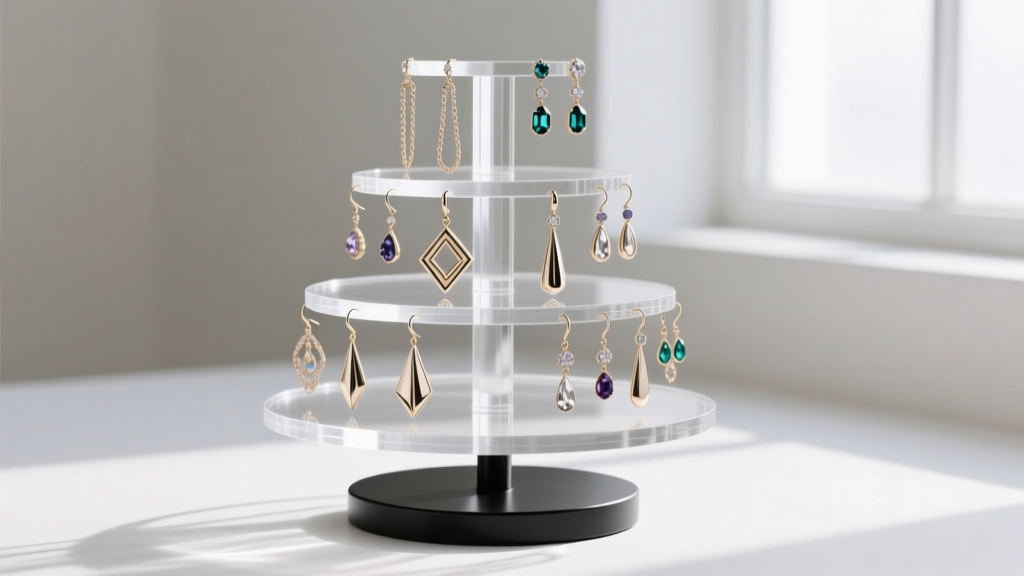
Maintenance: Preventing Cloudiness and Crazing
Even the highest quality cast acrylic earring holder will lose its museum-grade clarity if cleaned improperly. The most frequent point of failure for acrylic owners is the use of standard glass cleaners. Products like Windex contain ammonia, which chemically attacks the ester linkages in PMMA. Over time, ammonia exposure causes 'crazing'—a network of microscopic internal fractures that makes the acrylic look permanently cloudy and brittle.
The Correct Cleaning Protocol
To maintain the optical clarity of your display and ensure it doesn't transfer chemicals to your jewelry, follow this strict maintenance routine:
- Dusting: Always use a clean, plush microfiber cloth. Never use paper towels or tissue, as the wood pulp fibers will leave micro-scratches on the acrylic surface.
- Cleaning Solution: Use a dedicated plastic cleaner like Novus No. 1, or simply a mixture of lukewarm water and a single drop of mild, ammonia-free dish soap.
- Polishing: If your holder accumulates light surface scratches from metal earring backs, use a specialized plastic polish (like Novus No. 2) applied with a circular motion to buff out the blemishes and restore the glass-like finish.
For deeper insights into maintaining both your plastics and your precious metals, consulting resources from TAP Plastics can provide specific chemical compatibility charts to ensure your cleaning agents are safe for long-term PMMA exposure.
Final Verdict: Building Your Display Ecosystem
Investing in the right acrylic earring holder is about more than just aesthetics; it is about preserving the structural integrity and finish of your jewelry. By prioritizing cast acrylic over extruded, demanding slot-drop hole patterns for gauge versatility, insisting on 5mm+ thickness for structural rigidity, and strictly avoiding ammonia-based cleaners, you will secure a display system that protects and elevates your collection. Whether you opt for a minimalist single-tier board or a multi-level tiered tower, applying these material and engineering principles will ensure your earrings remain untangled, unscratched, and beautifully illuminated for years to come.


