Nova H1 Audio Earrings: Where to Buy & Material Guide 2026
Discover where to buy Nova H1 audio earrings in 2026. We analyze the biocompatible materials, titanium posts, and acoustic casings of smart jewelry.

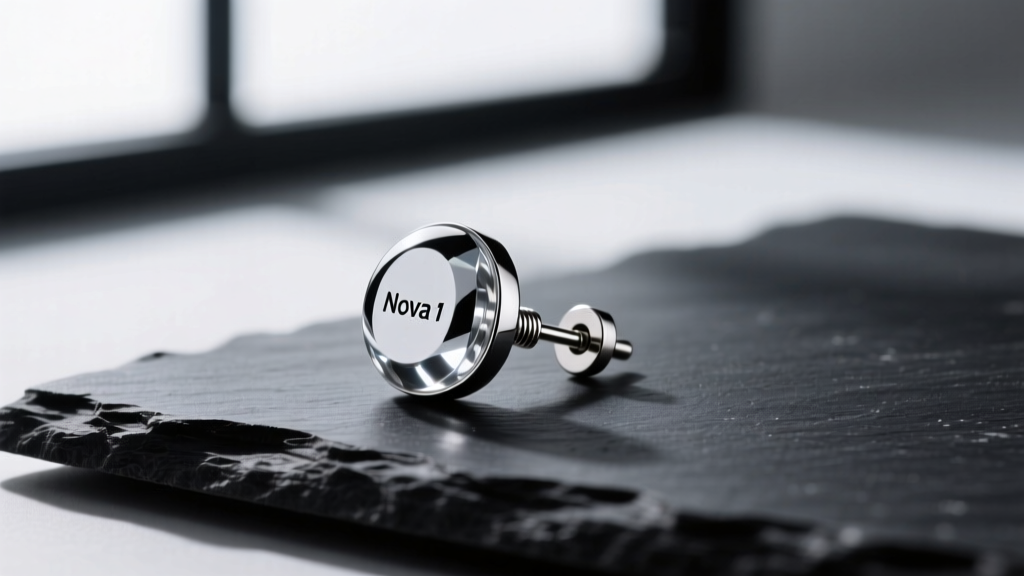
The Intersection of Smart Tech and Earring Metallurgy
The evolution of wearable technology has officially crossed over from utilitarian gadgets into the realm of high-end fashion and fine jewelry. As we navigate through 2026, the demand for smart jewelry that seamlessly integrates high-fidelity audio with aesthetic elegance has skyrocketed. At the forefront of this hybrid category is the Nova H1, a device that challenges our traditional understanding of what an earring can be. However, merging micro-electronics with body jewelry introduces complex material science challenges. An earring is not just a decorative object; it is a wearable implant that interacts directly with the skin, cartilage, and delicate tissue of the earlobe.
For jewelry enthusiasts and tech adopters alike, understanding the metallurgy and polymer science behind these devices is crucial. Traditional earrings are judged by their karat weight, gemstone clarity, and craftsmanship. Audio earrings, conversely, must also be evaluated on acoustic resonance, thermal regulation, and long-term biocompatibility. In this comprehensive guide, we will deconstruct the material properties of the Nova H1, compare it against traditional fine jewelry, and provide a definitive guide on navigating the retail landscape for these innovative wearables.
Deconstructing the Nova H1: Material Properties & Biocompatibility
The primary challenge in designing audio earrings is managing the weight of the internal components—namely, the micro-battery, the Bluetooth antenna, and the directional speaker drivers—without causing earlobe fatigue or tissue tearing. To solve this, engineers must utilize advanced materials that offer high strength-to-weight ratios while remaining entirely hypoallergenic.
The Earring Post: ASTM F136 Titanium vs. Standard Alloys
Standard fashion earrings typically utilize 20-gauge (0.81mm) or 18-gauge (1.02mm) posts made from 316L surgical stainless steel or brass with gold plating. While 316L steel is generally safe, it contains trace amounts of nickel, which can leach over time when exposed to the acidic pH of human sweat. According to research published by the National Center for Biotechnology Information (NCBI), nickel contact dermatitis remains the most common allergic reaction associated with body jewelry.
To circumvent this, the Nova H1 utilizes an implant-grade ASTM F136 Titanium (Ti-6Al-4V) post. This specific titanium alloy is the gold standard in medical implants and high-end body piercing. Furthermore, because the audio casing adds approximately 3.5 grams of weight per ear, the Nova H1 post is engineered at a thicker 16-gauge (1.29mm) diameter. This prevents the 'cheese-cutter effect,' where a thin post slowly migrates through the earlobe tissue under the stress of heavy pendants or tech components. As noted by materials scientists at AZoM, titanium's exceptional corrosion resistance ensures that the post will not degrade or oxidize, even with continuous 24/7 wear.
The Acoustic Chamber: Polycarbonate vs. Metal Resonance
The outer casing of an audio earring dictates both its aesthetic appeal and its acoustic performance. Traditional fine jewelry relies on dense metals like 14k gold or platinum. However, encasing a micro-speaker in solid metal creates severe acoustic feedback loops and unwanted harmonic resonance, muddying the mid-range frequencies. The Nova H1 casing is precision-molded from high-density, glass-filled polycarbonate. This polymer is not only incredibly lightweight but also possesses natural acoustic dampening properties, absorbing micro-vibrations from the speaker driver before they can cause structural rattle against the ear cartilage.
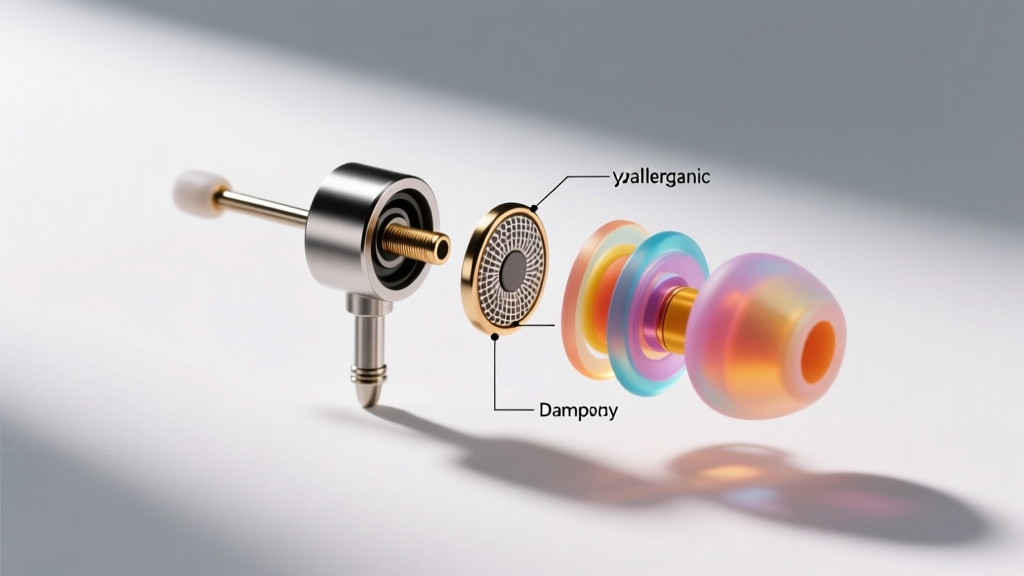
Material Comparison Chart: Nova H1 vs. Traditional Fine Earrings
To truly understand the engineering marvel of smart jewelry, we must compare its physical and material specifications against traditional luxury earrings and standard tech earbuds. The following matrix highlights the distinct material choices required for audio-integrated jewelry.
| Feature | Nova H1 (Smart Audio Earring) | Traditional 14k Gold Stud | Standard Tech Earbud |
|---|---|---|---|
| Post Material | ASTM F136 Titanium (Implant Grade) | 14k/18k Gold Alloy (Often contains copper/silver) | Silicone/Plastic Ear Tip (No piercing post) |
| Casing Material | Glass-Filled Polycarbonate | Solid Metal (Brass/Gold/Platinum) | ABS Plastic or Polycarbonate |
| Gauge Thickness | 16G (1.29mm) for structural support | 20G (0.81mm) standard | N/A |
| Weight per Ear | ~4.2 grams | ~1.5 grams | ~5.5 grams |
| Biocompatibility | 100% Hypoallergenic / Nickel-Free | High (if nickel-free white gold) | Moderate (Skin contact only) |
| Thermal Regulation | Low thermal conductivity (stays neutral) | High thermal conductivity (absorbs body heat) | Moderate (can trap heat in ear canal) |
As the data illustrates, the Nova H1 bridges the gap between the lightweight comfort of a traditional stud and the functional mass of an earbud. The use of glass-filled polycarbonate ensures the casing remains thermally neutral, preventing the uncomfortable 'hot' sensation that metal casings can develop when sitting against the skin for prolonged periods.
Navigating the Market: Nova H1 Audio Earrings Where to Buy
Because smart jewelry occupies a niche intersection between consumer electronics and luxury accessories, the retail landscape can be fragmented. When consumers search for nova h1 audio earrings where to buy, they are often met with a mix of authorized tech boutiques, high-end jewelry dropshippers, and unauthorized third-party marketplaces. In 2026, verifying the authenticity of your retailer is not just about securing a valid warranty; it is a matter of material safety.
Counterfeit smart earrings frequently bypass ASTM material standards, substituting implant-grade titanium with cheap, nickel-heavy zinc alloys that can cause severe lobe infections and allergic reactions. Furthermore, knockoff casings often use low-grade ABS plastics that degrade rapidly when exposed to the natural sebum and sweat produced behind the ear. To ensure you are receiving authentic, biocompatible materials, consider the following authorized purchasing channels:
- Direct from the Manufacturer: The safest route is purchasing directly through the official Nova Audio digital storefront. This guarantees the latest firmware updates and authentic F136 titanium posts.
- Authorized Tech-Jewelry Boutiques: Select high-end lifestyle and electronics retailers (such as premium concept stores and authorized audiophile shops) carry the Nova H1. These retailers are vetted for proper storage and handling of the lithium-micro batteries.
- Certified Fine Jewelers with Smart Divisions: A growing number of traditional jewelers have introduced 'smart wear' collections. Buying from a certified jeweler ensures that if the 16-gauge post requires adjustment or the backing mechanism needs servicing, it is handled by professionals who understand metallurgy.
Expect to pay a premium for authentic smart jewelry. The retail price for the Nova H1 typically ranges between $280 and $350 USD, reflecting the cost of medical-grade materials and micro-acoustic engineering. Any listing offering the device for under $150 should be treated with extreme skepticism regarding its material integrity.
Care and Material Degradation of Audio Wearables
Owning audio earrings requires a fundamental shift in how you maintain your jewelry box. Traditional fine jewelry can often be tossed into an ultrasonic cleaner or soaked in harsh chemical baths to restore shine. Doing this to the Nova H1 will instantly destroy the acoustic mesh and compromise the waterproof seals protecting the internal Bluetooth antenna.
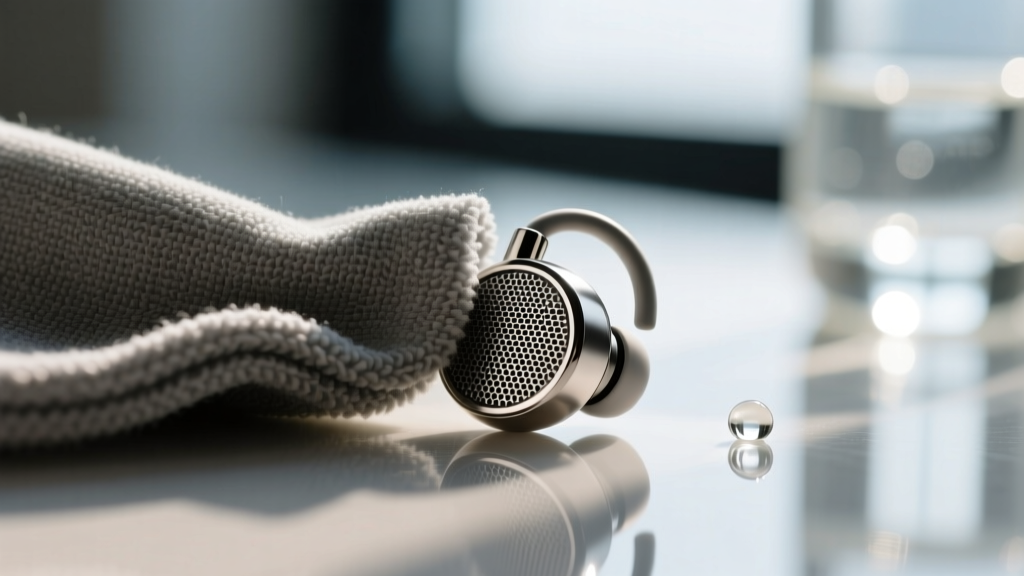
The polycarbonate shell of the Nova H1 is highly durable but can develop micro-scratches if cleaned with abrasive cloths. More importantly, the acoustic mesh—typically made from a hydrophobic woven polymer—can become clogged with dead skin cells, cosmetic powders, and sebum. This buildup not only degrades audio quality by muffling the directional speakers but can also harbor bacteria against the piercing site.
Expert Cleaning Protocol:
- Dry Brushing: Use a clean, ultra-soft makeup brush to gently sweep away dry debris from the acoustic mesh and the base of the titanium post.
- Targeted Sanitization: Dampen a cotton swab with 70% isopropyl alcohol and gently wipe the titanium post and the silicone backing. Do not saturate the mesh.
- Polishing the Casing: Use a dry, lint-free microfiber cloth to buff the polycarbonate shell. Avoid any jewelry polishing compounds, as they can strip the UV-resistant coating applied to the smart casing.
For comprehensive safety and regulatory information regarding wearable audio devices and their proximity to the ear, consumers can refer to the FDA guidelines on radiation-emitting wearable products, which outline the strict safety parameters these devices must meet before hitting the consumer market.
Final Verdict: Are Smart Materials Worth the Investment?
The transition from traditional fine jewelry to smart audio earrings represents a fascinating leap in material engineering. The Nova H1 proves that we do not have to sacrifice biocompatibility or aesthetic elegance to enjoy integrated technology. By utilizing ASTM F136 titanium and acoustic-dampening polycarbonate, the device respects the delicate biology of the human ear while delivering a modern auditory experience. When sourcing these pieces, prioritizing authorized retailers ensures that the materials touching your skin meet the highest medical and acoustic standards, making the Nova H1 a worthwhile investment for the forward-thinking jewelry collector in 2026.


