Ippolita Turquoise Earrings: A Gemological & Technical Deep Dive
An expert technical analysis of Ippolita turquoise earrings, covering gemstone stabilization, 18k gold metallurgy, weight distribution, and care protocols.

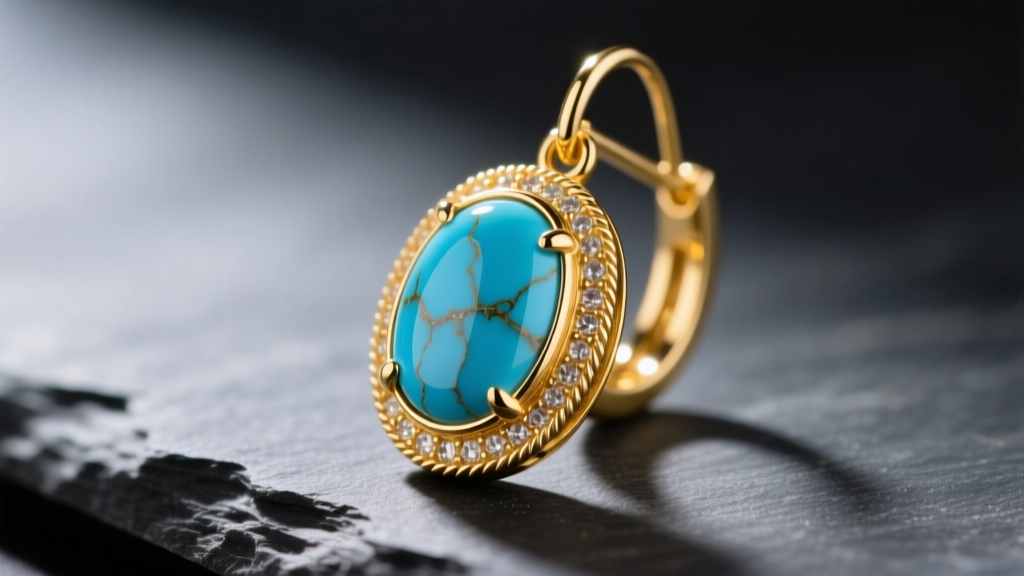
When evaluating luxury jewelry, the intersection of organic gemstones and precious metals requires a rigorous technical understanding. Ippolita turquoise earrings represent a specific niche in the fine jewelry market, combining the brand's signature hand-hammered 18k gold aesthetics with the complex gemological realities of turquoise. For collectors, investors, and daily wearers, understanding the material science, structural mechanics, and failure modes of these pieces is essential for long-term preservation and wearability.
This expert deep dive bypasses standard marketing narratives to examine the precise metallurgical compositions, gemological treatments, and mechanical engineering that define Ippolita's turquoise earring collections in 2026 and beyond.
The Gemological Profile of Ippolita's Turquoise
Turquoise is a hydrous phosphate of copper and aluminum, forming in the micro-crystalline to cryptocrystalline habit. On the Mohs scale of mineral hardness, it ranges from 5 to 6, making it significantly softer than the sapphire or diamond accents often found in luxury jewelry. Furthermore, its specific gravity (2.60 to 2.90) and inherent porosity present unique challenges for jewelry designers.
Stabilization vs. Natural State
A common misconception in the luxury market is that all high-end turquoise is used in its completely natural, untreated state. In reality, untreated turquoise is highly susceptible to lipid and moisture absorption from human skin, which can cause the stone to shift from a vibrant sky blue to a dull, muddy green over time. To prevent this, the turquoise utilized in premium Ippolita earrings undergoes high-grade stabilization.
According to the Gemological Institute of America (GIA), stabilization involves impregnating the porous gemstone with a clear polymer or epoxy resin under high pressure. This process does not alter the stone's chemical composition or add artificial dyes (which would classify it as 'dyed' or 'reconstituted'); rather, it permanently seals the microscopic pores. This ensures the turquoise cabochons in Ippolita's drop and stud earrings maintain their structural integrity and color stability despite decades of contact with skin oils and environmental humidity.
Matrix Patterns and Sourcing
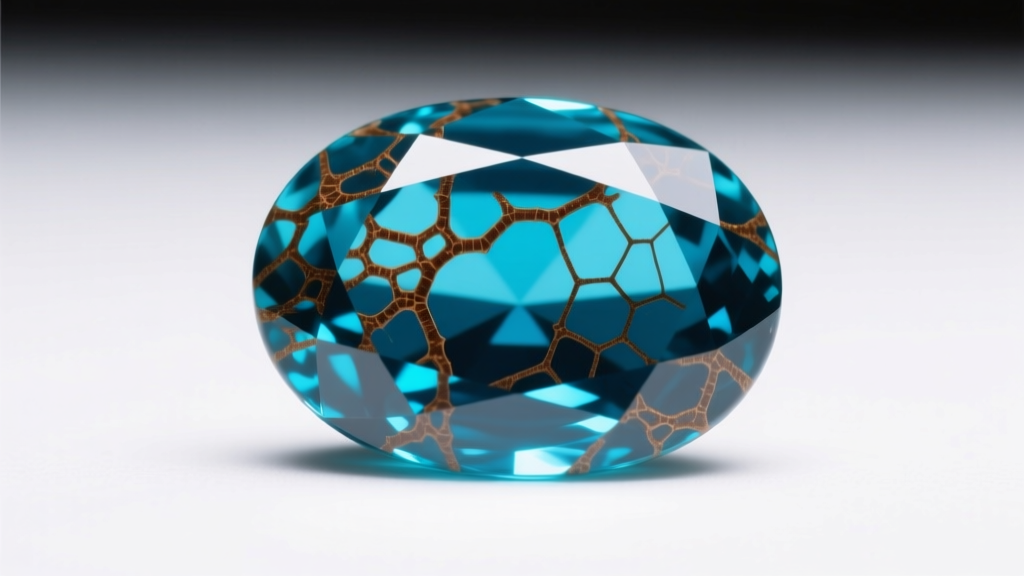
Ippolita frequently selects turquoise that exhibits a distinct matrix—the remnant host rock (often limonite or sandstone) that creates the signature brown or black webbing. The aesthetic value of this matrix is subjective, but from a gemological standpoint, a tight, well-distributed 'spiderweb' matrix indicates a high-quality cut from a premium vein, often sourced from historic mines in the American Southwest or high-grade Persian deposits.
Metallurgy and Setting Architecture
The structural foundation of Ippolita turquoise earrings is typically 18k yellow or rose gold. Understanding the alloy composition is critical for assessing durability and allergic reactivity.
18k Gold Alloy Composition
18k gold consists of 75% pure gold and 25% alloy metals. In Ippolita's signature yellow gold, this 25% is typically a precise ratio of copper and silver, engineered to achieve a warm, rich hue while maintaining a Vickers hardness suitable for daily wear. Pure 24k gold is too soft to securely hold a bezel or prong setting; the 18k alloy provides the necessary tensile strength to grip the turquoise securely.
Bezel vs. Prong Mechanics
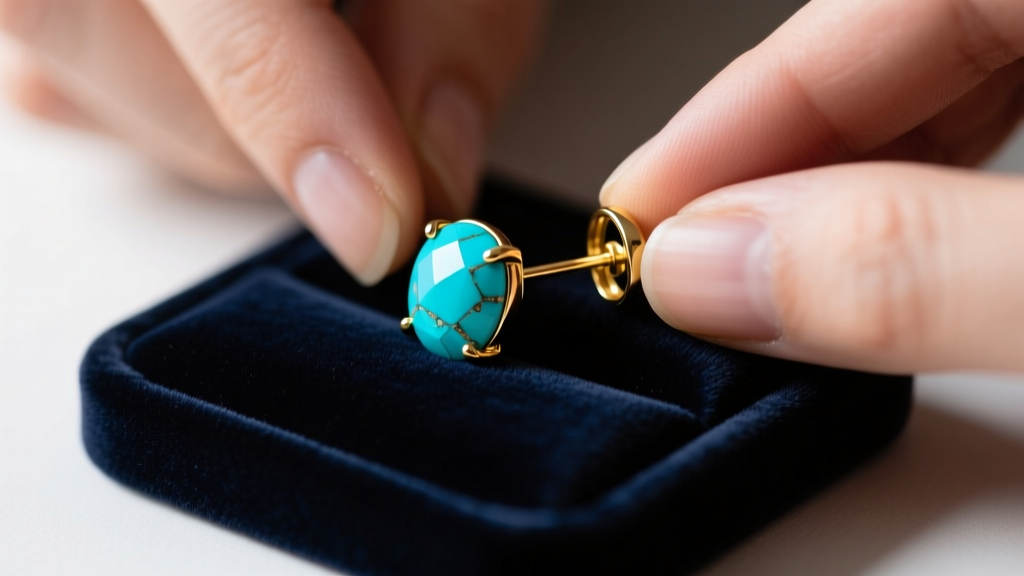
Because turquoise possesses poor toughness and distinct cleavage planes, it is highly vulnerable to chipping at the girdle (the outer edge). Ippolita predominantly utilizes smooth bezel settings or heavily protected half-bezel designs for their turquoise cabochons. A bezel setting involves a continuous rim of gold that is burnished over the edge of the stone. This not only secures the stone but acts as a physical bumper, absorbing lateral impacts that would otherwise shatter a prong-set turquoise.
Structural Mechanics: Weight and Wearability
The wearability of luxury drop earrings is dictated by the relationship between the total carat weight of the piece and the mechanical strength of the ear wire or post. Ippolita's designs often feature substantial gold volume combined with dense turquoise cabochons, necessitating specific engineering solutions.
| Earring Style | Average Weight (per pair) | Post/Wire Gauge | Backing Mechanism | Structural Risk Profile |
|---|---|---|---|---|
| Bezel Studs | 4.5g - 7.0g | 18-Gauge (1.02mm) | Friction Clutch / Jumbo Back | Low (Risk of post bending if snagged) |
| Articulated Drops | 8.0g - 14.0g | 16-Gauge (1.29mm) Wire | Omega Clip / Leverback | Medium (Hinge fatigue over time) |
| Hoops with Inlay | 10.0g - 18.0g | N/A (Continuous Wire) | Hinged Snap Closure | High (Closure misalignment if dropped) |
Post Gauge and Ear Lobe Stress
Standard commercial earrings often use 20-gauge (0.81mm) or 22-gauge (0.64mm) posts. However, the weight of Ippolita's turquoise drops requires a thicker 18-gauge (1.02mm) or even 16-gauge (1.29mm) post to prevent the gold from bending under the stone's weight. For heavier articulated drops, the brand employs Omega backs or leverback wires, which distribute the weight across a broader surface area of the ear lobe, preventing the 'drooping' effect and reducing the risk of lobe tearing.
Vulnerabilities and Failure Modes
Despite the high-grade materials, the combination of porous gemstones and textured precious metals creates specific vulnerabilities that owners must actively manage.
The Hammered Texture Trap
Ippolita's signature hand-hammered gold finish increases the surface area of the metal, creating microscopic divots. While visually striking, these divots act as traps for cosmetic residues, lotions, and sebum. Over time, this buildup can cause the gold to look dull and, more importantly, can create an acidic micro-environment near the turquoise bezel. If the seal between the gold bezel and the turquoise cabochon is compromised, these trapped chemicals can seep beneath the stone, degrading the stabilization resin.
Chemical and Thermal Shock
Turquoise is highly sensitive to thermal shock and harsh chemicals. The Jewelers of America explicitly warns against using ultrasonic or steam cleaners on any turquoise jewelry. The high-frequency vibrations in an ultrasonic cleaner can cause micro-fractures within the turquoise matrix, while the heat from a steam cleaner can melt or cloud the polymer stabilization resin, resulting in a permanent milky appearance.
Common Failure Modes to Monitor
- Bezel Lifting: Repeated snagging on clothing can slowly pull the gold bezel away from the stone. Inspect the rim monthly with a 10x jeweler's loupe.
- Post Shearing: Sleeping in 18k gold studs can apply lateral torque to the post, causing it to shear exactly at the solder joint where it meets the backing plate.
- Resin Degradation: Frequent exposure to aerosol hairsprays or alcohol-based perfumes can cause the surface polish of the stabilized turquoise to degrade, leading to a matte, scratched finish.
Authentication and Provenance Tracking
Given the premium pricing of Ippolita turquoise earrings, authentication is a critical technical step for secondary market purchases. Authentic pieces will feature precise laser-engraved hallmarks, typically '750' (denoting 18k gold) and the brand's specific maker's mark, usually located on the post backing, the inside of a hoop, or the reverse side of a drop component.
Furthermore, genuine Ippolita pieces are accompanied by a certificate of authenticity and a specific style number. When evaluating the turquoise itself, look for the natural variations in the matrix; reconstituted or dyed howlite (a common counterfeit material) will exhibit uniform, artificially stamped 'veins' that do not penetrate the stone's depth when viewed under magnification.
Conclusion
Ippolita turquoise earrings are not merely decorative accessories; they are complex assemblies of stabilized hydrous phosphates and precisely alloyed 18k gold. By understanding the gemological necessity of stabilization, the structural purpose of bezel settings, and the mechanical limits of 18-gauge gold posts, collectors can make informed purchasing decisions and implement the exact care protocols required to preserve these pieces for generations. Proper maintenance is not just about keeping the jewelry clean; it is about managing the chemical and physical interactions between the stone, the metal, and the wearer's environment.


