The Ultimate Buying Guide to Fishing Lure Earrings
Discover how to choose the perfect fishing lure earrings. Our buying guide covers materials, weight, gauge sizes, and safety tips for upcycled tackle.

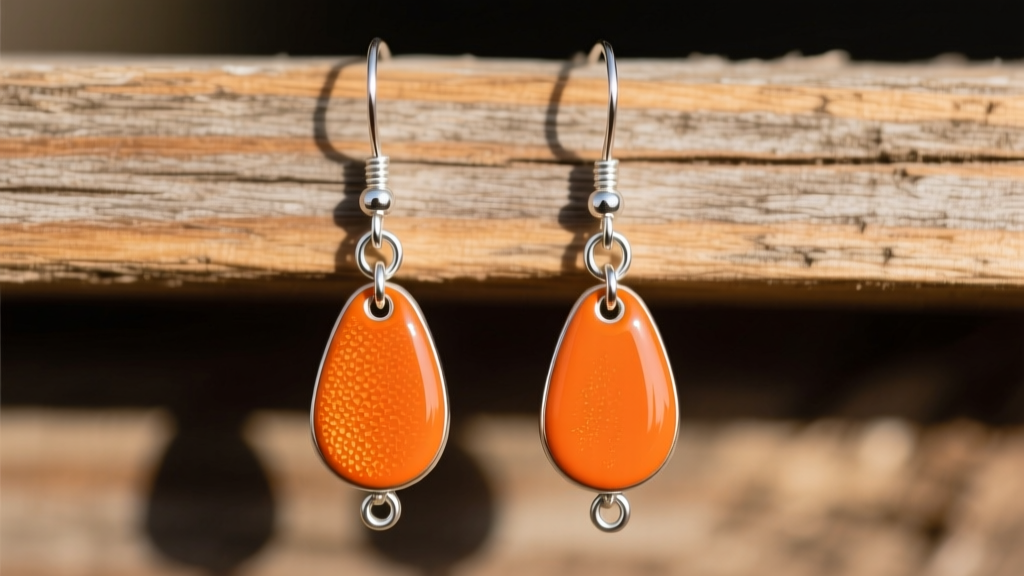
Fishing lure earrings have evolved from quirky DIY novelties into highly sought-after statement pieces in the outdoor and Americana jewelry markets. Whether you are an avid angler looking to wear your passion, or a fashion enthusiast drawn to the intricate enamel work and nostalgic appeal of vintage tackle, these unique accessories offer a bold alternative to traditional dangles and drops. However, buying jewelry modeled after fishing gear requires a specialized understanding of weight distribution, material safety, and hardware integrity.
In this comprehensive 2026 buying guide, we break down exactly what to look for when shopping for fishing lure earrings, from the critical differences between upcycled tackle and fine jewelry replicas to the specific wire gauges needed to keep your earlobes comfortable and secure.
Real Tackle vs. Jewelry Replicas: Understanding the Source
The first major decision when buying fishing lure earrings is choosing between upcycled (real) lures and manufactured replicas. Both have distinct advantages, but they also come with specific safety and durability considerations that every buyer must understand.
Upcycled Vintage and Modern Lures
Upcycled earrings are crafted by cutting down actual fishing lures—such as crankbaits, spoons, or spinnerbaits—and attaching ear wires. While these offer unparalleled authenticity and a rugged charm, they present a hidden danger: lead paint. Many vintage lures manufactured before the 1990s utilized lead-based paints to achieve bright, dense colors. Wearing unsealed, lead-painted items against the skin, especially where sweat can accelerate degradation, is a significant health hazard. The U.S. Consumer Product Safety Commission (CPSC) strictly advises against wearing or handling deteriorating lead-painted items. Always verify that the artisan has professionally sealed the upcycled lure with a jewelry-grade, non-toxic epoxy resin, or opt for lures sourced from modern, lead-free manufacturers.
Precision Cast Replicas
For those who want the aesthetic without the bulk or safety risks, jewelry-grade replicas are the ideal choice. These are typically cast in lead-free pewter, sterling silver, or brass, and then hand-painted with high-grade, skin-safe enamels. Replicas are significantly lighter, allowing for more comfortable all-day wear, and they are designed specifically with jewelry hardware in mind.
The Anatomy of a Comfortable Lure Earring
Fishing lures are inherently three-dimensional and often bulky. Translating that shape into an earring requires careful attention to the hardware. A poorly constructed lure earring will pull on the earlobe, cause contact dermatitis, or snap at the connection point.
| Hardware Component | Ideal Specification | Why It Matters |
|---|---|---|
| Ear Wire Gauge | 18-gauge (1.0mm) or 20-gauge (0.8mm) | Thicker wire supports heavy lures without bending, but 18g may irritate sensitive piercings. |
| Jump Rings | Soldered Shut | Prevents the heavy lure from pulling the ring open and falling off. |
| Hook Material | Surgical Steel or Titanium | Essential for preventing nickel allergies and contact dermatitis. |
| Lure Hooks (Treble) | Removed / Replaced | Real treble hooks must be removed to prevent skin snags and hair tangling. |
Wire Gauge and the 'Cheese Cutter' Effect
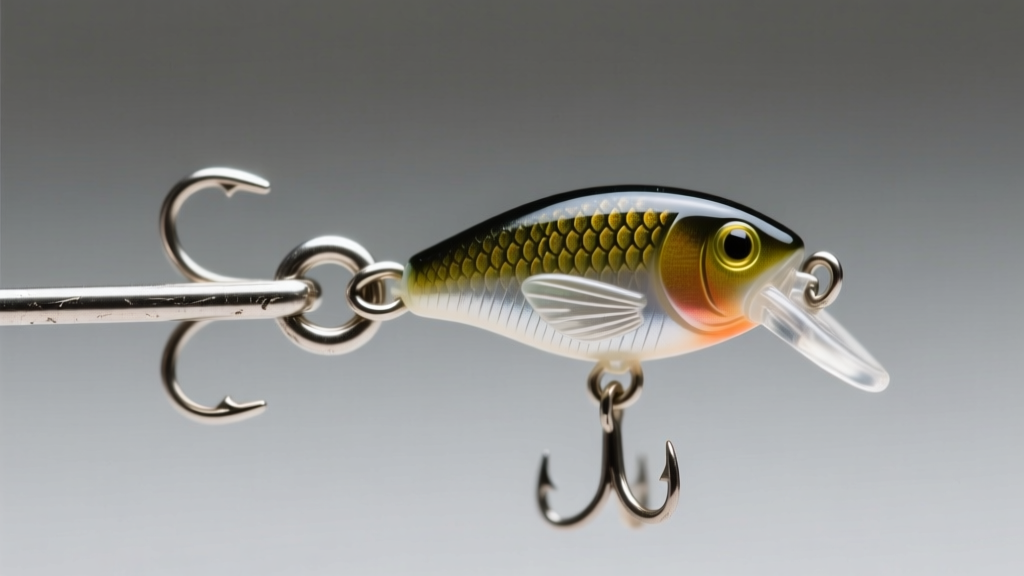
Standard fashion earrings typically use 22-gauge or 20-gauge wire. However, a solid brass or resin replica of a crankbait can weigh between 8 to 15 grams. When a heavy dangle rests on a thin 22-gauge wire, it creates a 'cheese cutter' effect, slicing into the delicate tissue of the earlobe and causing micro-tears. For heavy fishing lure earrings, look for 18-gauge French wires or leverback closures. If you have sensitive piercings that cannot accommodate 18-gauge wire, seek out designs that incorporate a lightweight hollow-resin body or opt for a stud-style lure that sits flush against the lobe, eliminating the pendulum effect entirely.
Allergy Safety and Metal Grades
Because lure earrings often dangle near the neck and jawline, the metal touching your piercing must be strictly hypoallergenic. The Mayo Clinic notes that nickel is the most common culprit for jewelry-induced contact dermatitis. Ensure the ear wire is explicitly labeled as implant-grade titanium (ASTM F136), niobium, or high-quality surgical stainless steel. Avoid 'silver-plated' base metals, as the plating will eventually wear off from the friction of the ear wire moving through the piercing, exposing the nickel-rich brass underneath.
Sizing and Face Shape Considerations
Fishing lure earrings are statement pieces that draw immediate attention to the face and jawline. Choosing the right silhouette based on your face shape ensures the earrings complement your features rather than overwhelming them.
- Round Faces: Opt for elongated, vertical designs like spinnerbait or jig replicas. The long, dangling wire and skirt create a vertical line that visually elongates the face and adds structural definition.
- Square or Angular Faces: Choose softer, curved silhouettes. Fishing fly earrings, which feature sweeping feathers, marabou, and soft thread wraps, add movement and soften sharp jawlines. Avoid heavy, geometric crankbaits that mimic the angularity of your face.
- Oval Faces: You have the versatility to pull off almost any style. Bold, wide spoons or brightly colored popper replicas will sit beautifully without throwing off your natural facial proportions.
- Heart-Shaped Faces: Look for teardrop-shaped lures or soft plastic swimbait replicas that are wider at the bottom. This adds visual weight to the lower half of the face, balancing a narrower chin.

Pricing Guide: What Should You Expect to Pay?
The market for fishing lure earrings spans from mass-produced novelty items to high-end artisan craftsmanship. Understanding these tiers will help you identify fair pricing and avoid overpaying for base-metal novelties.
Tier 1: Mass-Market Novelty ($15 – $35)
Typically found on large e-commerce marketplaces, these are die-cast base metal replicas with basic enamel fills. They often use unverified alloy ear wires. While fun for a themed party or a weekend on the lake, they are prone to tarnishing and may cause irritation during extended wear.
Tier 2: Artisan Upcycled & Handmade Replicas ($45 – $95)
This is the sweet spot for quality and authenticity. Independent jewelers and tackle-box artisans craft these pieces using sealed vintage components or hand-poured lead-free resins. You can expect high-quality stainless steel or sterling silver French wires, soldered jump rings, and meticulous paint detailing that mimics high-end fishing tackle.
Tier 3: Fine Jewelry Interpretations ($150 – $400+)
At the luxury end, designers cast fishing lure motifs in solid 14k or 18k gold, sterling silver, and occasionally incorporate genuine gemstones (like sapphire eyes or diamond accents). These are heirloom-quality pieces meant for subtle, sophisticated nods to the angling lifestyle rather than literal, brightly painted tackle.
Care and Maintenance for Outdoor-Themed Jewelry
Maintaining the vibrant finish of fishing lure earrings requires specific care, especially for enameled and upcycled pieces. Never use ultrasonic cleaners or harsh chemical jewelry dips on painted or enameled lures, as the vibrations and acids will strip the paint and cloud the resin.
Instead, clean your earrings using a soft, lint-free microfiber cloth lightly dampened with warm water and a drop of mild dish soap. Gently wipe the body of the lure, taking care not to snag any remaining decorative hooks or wire skirts. For the metal ear wires, use a dedicated silver polishing cloth (if sterling) or an alcohol wipe (if surgical steel) to remove skin oils and sebum buildup. Always store your lure earrings in a compartmentalized jewelry box or individual soft pouches; the complex shapes and protruding wire eyes of the lures will easily tangle with chains and other jewelry if tossed together in a drawer.
Pro Tip: If you purchase upcycled earrings featuring real treble hooks for aesthetic authenticity, use a pair of jewelry pliers to carefully pinch the barbs down flat, or apply a tiny drop of clear, flexible jewelry adhesive over the hook points to prevent them from snagging your hair or clothing throughout the day.


