Cat Earring Metals Compared: Silver, Gold, and Titanium
Discover the best metal for your cat earring. We compare sterling silver, solid gold, titanium, and enamel for durability, allergies, and detail.

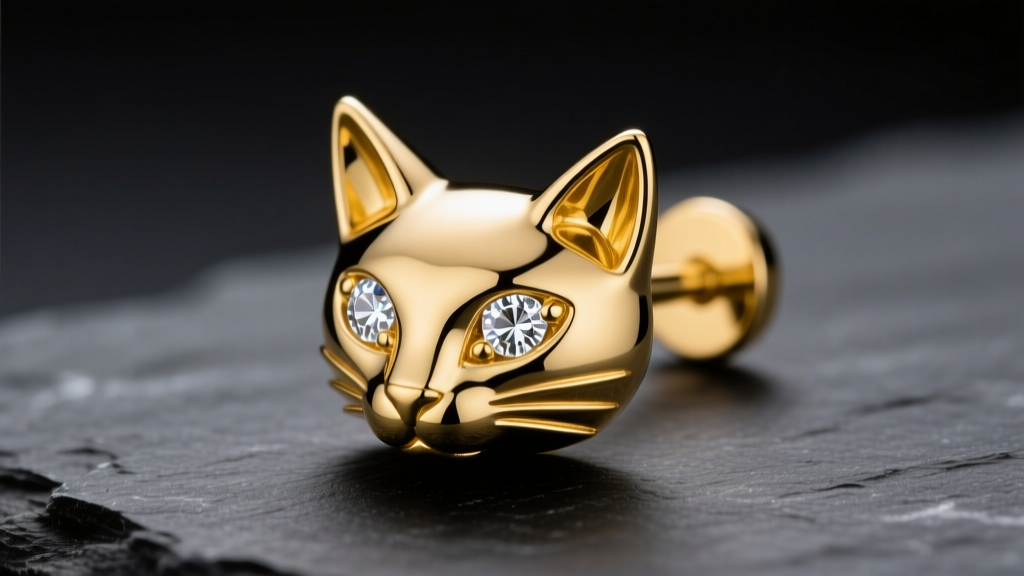
The Metallurgy of Feline Jewelry
When shopping for a cat earring, most buyers focus entirely on the silhouette—whether it is a sleeping kitten, a geometric panther, or a minimalist feline profile. However, the underlying metallurgy dictates not only the price but the longevity, allergy safety, and microscopic detail retention of the piece. A delicate cat whisker or a sharply pointed ear tuft requires specific metal properties to survive daily wear without bending, tarnishing, or losing its cast definition.
In this comprehensive material guide, we break down the exact alloy compositions, casting behaviors, and structural limitations of the most common metals used in cat-themed earrings. Whether you are looking for a hypoallergenic cartilage cuff or a heavy solid gold lobe dangle, understanding these properties ensures your investment lasts a lifetime.
Material Breakdown: Pros, Cons, and Properties
Sterling Silver (925) and Rhodium Plating
Sterling silver is the most ubiquitous material for novelty and animal-shaped jewelry. By definition, 925 sterling silver consists of 92.5% pure silver and 7.5% alloy metals, usually copper. This copper addition provides the necessary tensile strength to support the thin, protruding elements of a cat earring, such as tails or ears, which would easily warp in pure 999 silver.
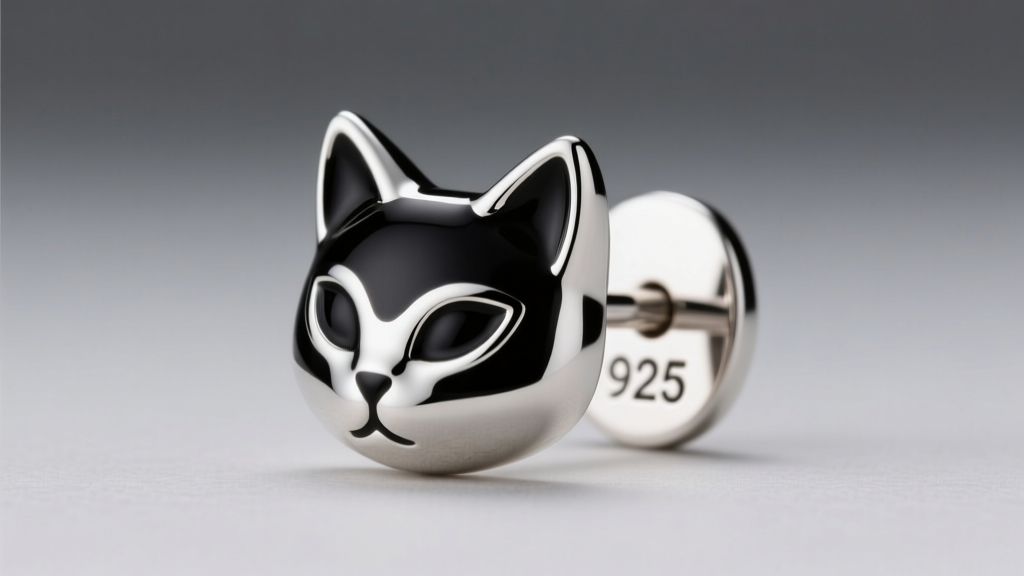
However, copper is highly reactive to sulfur and moisture, leading to tarnish. To combat this, high-quality silver cat earrings are electroplated with a microscopic layer of rhodium. Rhodium not only prevents tarnishing but also gives the silver a bright, white-gold-like finish that highlights the intricate facets of a cast feline face. When purchasing, always verify the presence of the '925' stamp, typically located on the flat base of the earring post or the inside of a huggie hoop.
Solid Gold: 14k vs. 18k for Intricate Casting
Gold remains the premium standard for fine jewelry, but the karat weight drastically alters how a cat earring behaves. According to the Gemological Institute of America (GIA), pure 24k gold is far too soft for intricate shapes. Therefore, jewelers rely on 14k and 18k alloys.
- 14k Gold (58.5% Pure Gold): Alloyed with copper, zinc, and silver. This is the superior choice for highly detailed cat earrings with delicate whiskers or thin, dangling chains. Its higher alloy content increases the Vickers hardness, meaning a 14k gold cat tail is significantly less likely to bend when snagged on clothing.
- 18k Gold (75% Pure Gold): Offers a richer, deeper yellow hue and is highly resistant to tarnish and skin irritation. However, its softer nature makes it less ideal for ultra-thin protruding elements. 18k is best reserved for solid, chunky cat silhouette studs or smooth, polished hoops where microscopic detail is less critical.
Implant-Grade Titanium (ASTM F136)
For those with severe nickel sensitivities or those seeking cartilage-safe jewelry, implant-grade titanium is the undisputed champion. The Association of Professional Piercers (APP) strictly recommends ASTM F136 titanium for fresh and healed piercings due to its complete lack of nickel and its biocompatibility.
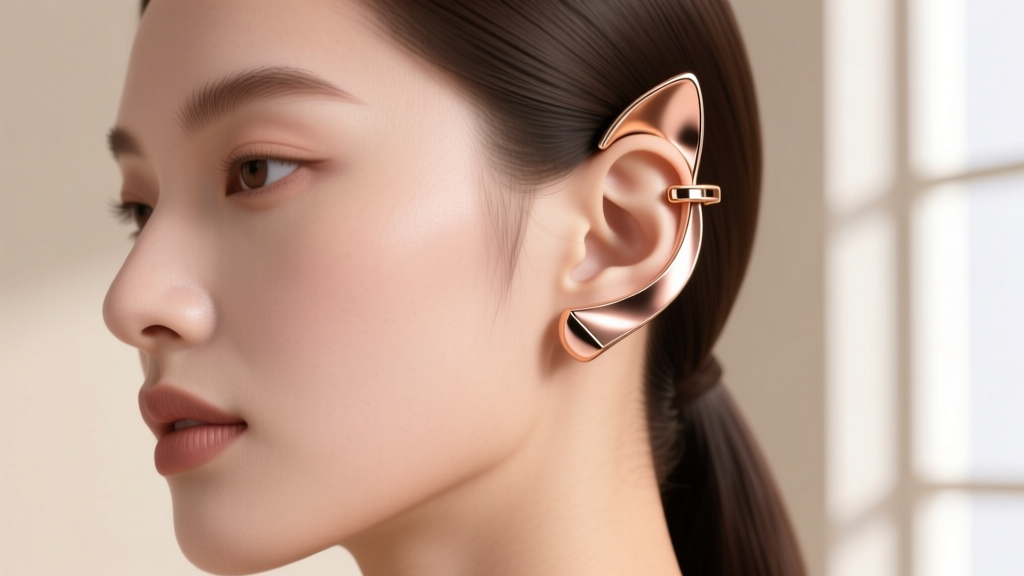
There is a major manufacturing caveat regarding titanium cat earrings: you will rarely find highly detailed, 3D cast titanium feline shapes. Titanium has an exceptionally high melting point (over 3,000°F) and reacts violently with oxygen when molten, requiring expensive argon-gas vacuum chambers to cast. Consequently, most titanium cat earrings are laser-cut from sheet metal or die-struck, resulting in beautiful, sharp 2D silhouettes rather than rounded, sculptural 3D kittens. Furthermore, titanium cannot be traditionally plated; instead, it is anodized using electrical voltage to create vibrant, flake-proof colors like rose gold, teal, or deep purple.
Comparative Data Table: Durability, Price, and Allergy Risk
Use the following matrix to determine which metal aligns with your budget, skin sensitivity, and design preferences.
| Metal / Material | Avg. Price Range | Allergy Risk | Detail Retention | Best Earring Style |
|---|---|---|---|---|
| 925 Sterling Silver | $25 - $85 | Low (if Rhodium plated) | Excellent | Intricate studs, dangles |
| 14k Solid Gold | $150 - $450+ | Very Low | Superior | Heirloom studs, fine hoops |
| 18k Solid Gold | $250 - $600+ | Extremely Low | Moderate (softer metal) | Chunky silhouettes, huggies |
| ASTM F136 Titanium | $30 - $90 | None (Hypoallergenic) | High (2D only) | Cartilage cuffs, flat studs |
| Gold Vermeil (Silver base) | $45 - $120 | Moderate (if plating wears) | Excellent | Statement drop earrings |
Casting Shrinkage and Feline Detail Retention
The creation of a 3D cat earring typically involves the lost-wax casting process. A jeweler carves or 3D-prints a wax model of the cat, encases it in investment plaster, burns out the wax, and injects molten metal into the cavity. Understanding this process reveals why metal choice matters for feline designs.
All metals shrink as they cool from a liquid to a solid state. Sterling silver shrinks by approximately 2.5%, while 14k gold shrinks by about 1.5%. If a jeweler is casting a cat face with microscopic whiskers or tiny diamond-set pupils, they must account for this exact shrinkage rate. Silver's higher shrinkage rate can sometimes lead to 'porosity'—tiny microscopic air bubbles trapped in the metal—especially in thin, extended areas like a cat's ear tips. This is why high-end silver cat earrings often undergo a secondary process called 'die-striking' or are cast using vacuum-assist machines to ensure the metal is packed densely into the finest feline crevices.
Enamel Accents: Vitreous vs. Cold Enamel
Many cat earrings utilize enamel to create striking contrast, such as emerald green eyes or tortoiseshell fur patterns. It is vital to distinguish between the two primary enameling techniques used in modern jewelry:
- Vitreous Enamel: This is powdered glass fused to metal at extreme temperatures (around 1,400°F). It is incredibly durable, scratch-resistant, and will not fade over time. However, the high heat required means it cannot be used on earrings that feature heat-sensitive gemstones like opals or emeralds.
- Cold Enamel (Epoxy Resin): A pigmented resin that cures at room temperature. It is widely used in affordable silver and brass cat earrings. While it allows for vibrant, multi-colored feline patterns, cold enamel is softer and prone to scratching or yellowing if exposed to prolonged UV light or harsh chemicals like perfume.
Gauge Sizing and Structural Integrity
The metal post that passes through your ear is just as critical as the cat motif itself. Standard lobe piercings are typically 20-gauge (0.81mm) or 18-gauge (1.02mm). When buying heavy solid gold or silver cat dangle earrings, the weight of the feline head can put immense stress on the post.
Always inspect the gauge thickness. If a heavy cat drop earring features a flimsy 22-gauge (0.64mm) wire, the post will inevitably bend when inserting it into the ear or taking the earring out. For any cat earring weighing more than 4 grams, insist on an 18-gauge post or a secure leverback closure to distribute the tension away from the piercing hole. According to Jewelers of America, proper clasp and post engineering is the primary indicator of a well-manufactured piece of jewelry.
Final Verdict: Matching Metal to Your Lifestyle
Choosing the right cat earring ultimately depends on how and where you intend to wear it. For everyday lobe wear where intricate 3D details like whiskers and fur textures are desired, rhodium-plated 925 sterling silver offers the best balance of affordability and detail retention. If you are investing in a lifelong heirloom piece or have sensitive skin, 14k solid gold provides the necessary hardness to protect delicate feline extremities from bending. Finally, for upper-ear cartilage placements or severe metal allergies, a laser-cut ASTM F136 titanium silhouette is the safest, most biocompatible option available on the market.


