St Patrick's Day Earrings 2026: Budget & Value Guide
Discover the true value of St Patrick's Day earrings in 2026. Compare materials, gauge sizes, and cost-per-wear for festive, skin-safe jewelry.

The True Cost of Fast-Fashion Holiday Jewelry
When March rolls around, the market is flooded with cheap, novelty jewelry. But as we evaluate the St Patrick's Day earrings market in 2026, a critical question emerges: are you actually saving money, or just paying for a localized allergic reaction? The budget jewelry sector relies heavily on mass-produced zinc alloys and brass, often finished with 'flash plating' and painted enamel. While the upfront cost of a $4 pair of green shamrock dangles seems like a steal, the hidden costs of contact dermatitis and structural failure make them a poor investment.
According to the Cleveland Clinic, nickel allergy is one of the most common causes of allergic contact dermatitis, affecting up to 36% of women. Cheap holiday earrings are notorious culprits, as the thin plating wears off within hours of contact with skin oils, exposing the nickel-heavy base metal beneath. In this comprehensive budget and value assessment, we break down exactly what you are paying for, how to calculate the true cost-per-wear (CPW), and how to find festive green jewelry that won't compromise your skin or your style.
Material Breakdown: What You Are Actually Paying For
To assess value, we must first understand the metallurgy and material science behind holiday earrings. The table below compares the most common materials used in festive jewelry, analyzing their price points, dermatological safety, and lifespan.
| Material | Avg. Price Range | Nickel / Allergy Risk | Plating & Longevity |
|---|---|---|---|
| Acrylic / Resin | $3 - $8 | Low (Hypoallergenic) | Solid color, but posts are often glued with cyanoacrylate and fail quickly. |
| Zinc Alloy / Brass | $8 - $15 | High (Severe Risk) | Flash plated (<0.1 microns). Tarnishes and chips within 1-3 wears. |
| 316L Surgical Steel | $15 - $30 | Low to Moderate | Solid metal, no plating to chip. Contains trace nickel but generally safe for healed lobes. |
| 925 Sterling Silver | $35 - $85 | Very Low | Solid alloy (92.5% silver). Can oxidize but is easily polished. Excellent longevity. |
| 14k Gold Vermeil | $60 - $120 | None | Minimum 2.5 microns of gold over sterling silver. Durable, high-end finish. |
The Flash Plating Trap
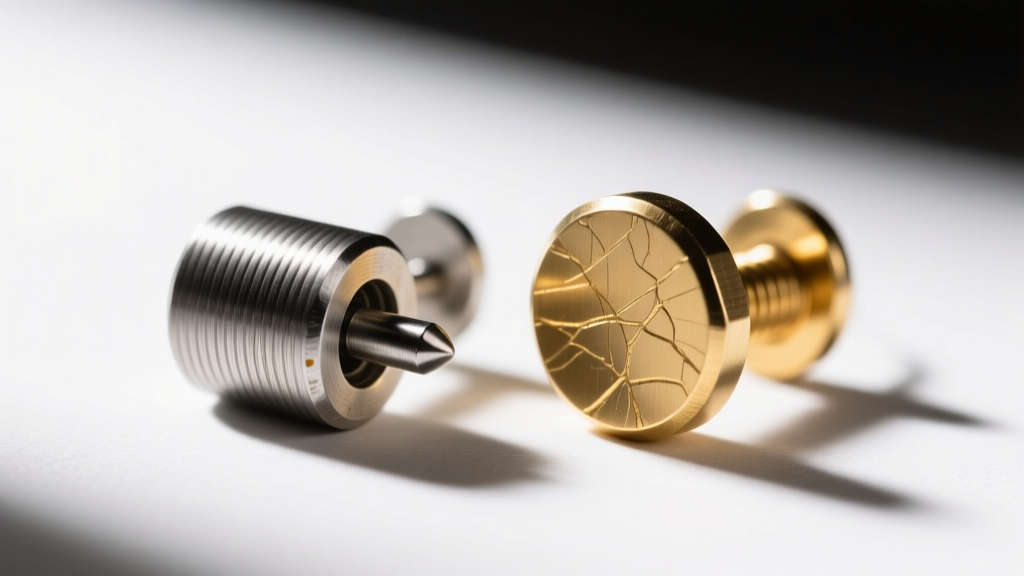
Many budget-friendly St Patrick's Day earrings advertise a 'gold finish.' In the jewelry industry, this usually means flash plating—a process that deposits a microscopic layer of gold (often less than 0.175 microns thick) over a cheap brass core. This layer is so thin that the natural acidity of your skin can dissolve it in a single day of wear, leaving you with a dull, green-stained earlobe and exposed allergens. If you are spending over $15, demand micron-level plating or solid metals.
Cost-Per-Wear Analysis: Festive vs. Wearable Greens
The ultimate metric for budget assessment in jewelry is Cost-Per-Wear (CPW). The formula is simple: Total Price ÷ Number of Wears = CPW.
A $6 pair of novelty plastic clover earrings worn only on March 17th yields a CPW of $6.00. Conversely, a $65 pair of sterling silver and peridot stud earrings worn twice a week for a year yields a CPW of just $0.62. To maximize your budget, pivot away from literal novelty shapes and embrace the Wearable Green strategy.
The 'Wearable Green' Gemstone Strategy
Instead of buying green-painted metal, invest in naturally green gemstones that celebrate the holiday while remaining appropriate for year-round wear. The Gemological Institute of America (GIA) notes that green gemstones offer incredible variety in tone and saturation. Here are the best budget-friendly options for 2026:
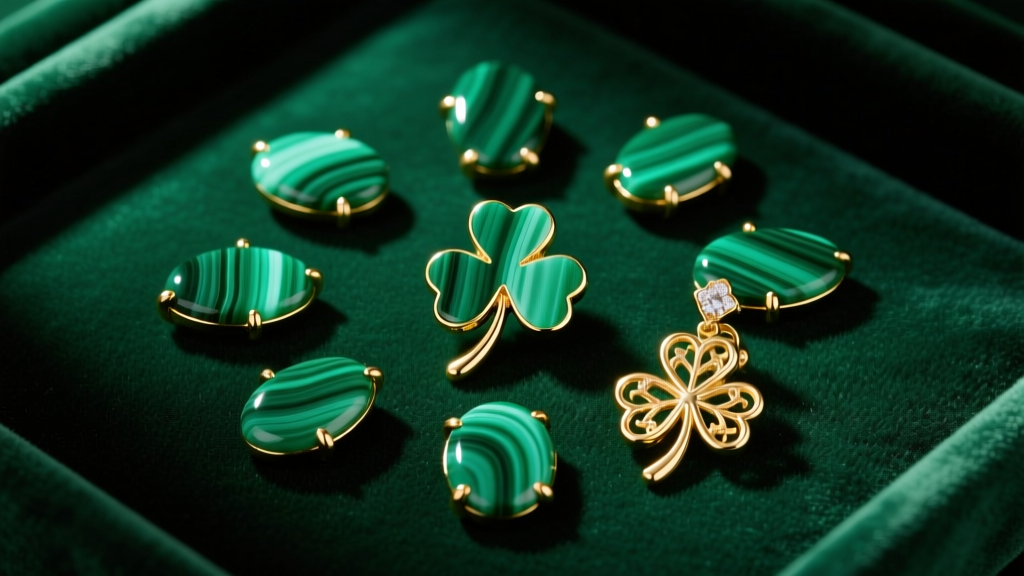
- Malachite: An opaque, banded copper carbonate mineral. Cabochons are highly affordable ($5–$15 per stone) and offer a rich, vibrant emerald-green hue that screams St. Patrick's Day without looking like a costume piece.
- Green Onyx (Chalcedony): Often dyed to achieve a uniform, bright shamrock green. It is incredibly durable (Mohs hardness of 6.5-7) and resists chipping, making it ideal for dangle earrings.
- Peridot: One of the few gemstones found only in green. Its yellowish-green undertone provides a bright, spring-like festive look. Small 4mm-5mm faceted peridot studs can be found in sterling silver settings for under $45.
- Tsavorite Garnet (Investment Tier): While not a budget stone (easily $300+ per carat), a tiny 2mm Tsavorite accent in a gold vermeil setting offers unparalleled brilliance and prestige for serious jewelry collectors.
Sizing, Gauge, and the Physics of Holiday Dangles
Budget assessments must also account for structural integrity. Novelty holiday earrings are often large, heavy enamel drops shaped like pots of gold or massive shamrocks. The weight of these pieces introduces a mechanical problem: earlobe droop and tearing.
Gauge Thickness Matters
Standard earlobe piercings are typically 20-gauge (0.81mm) or 18-gauge (1.02mm). Many cheap, heavy dangles use thin 22-gauge (0.64mm) wire for the ear wire to save on metal costs. This thin wire acts like a cheese cutter against the delicate connective tissue of the earlobe, especially when the earring swings. When purchasing drop-style St Patrick's Day earrings, always verify the wire thickness. Opt for 18-gauge ear wires for any earring weighing more than 5 grams to distribute the load safely.
Upgrading the Earring Back
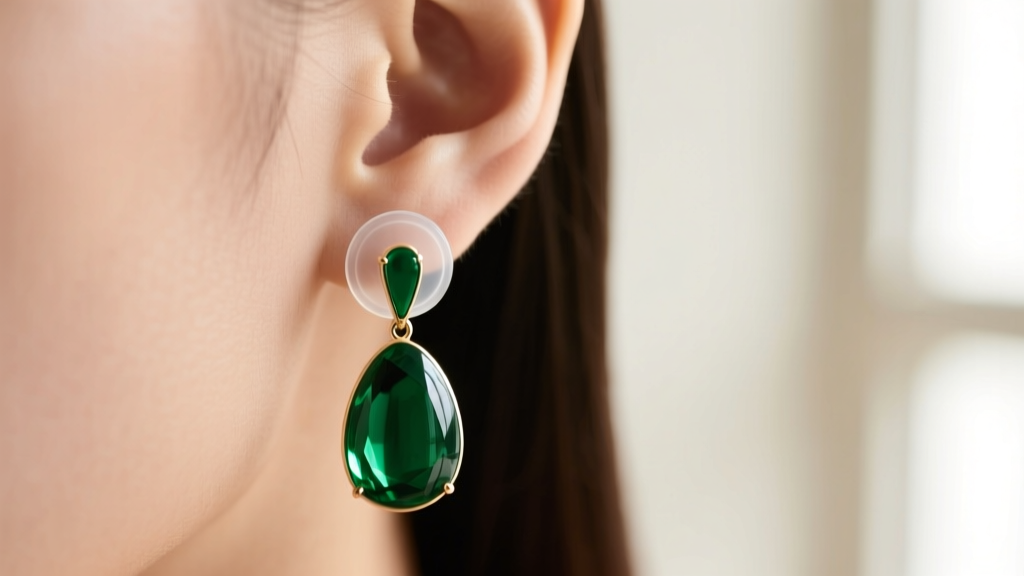
If you already own heavy festive drops, you can extend their wearable life and protect your lobes by upgrading the friction backs. Standard 'butterfly' clutches offer a contact area of roughly 4mm. By swapping them for silicone support discs (which cost about $3 for a pack of 20), you expand the support base to 10mm or more. This drastically reduces the torque applied to the piercing fistula, preventing the earring from sagging forward and stretching the hole.
Expert Tip: For heavy novelty dangles, never rely on standard metal push-backs. The American Academy of Dermatology frequently treats localized contact dermatitis caused by the sharp, poorly finished edges of cheap metal earring backs digging into the neck and earlobe. Silicone O-rings or flat disc backs provide both mechanical support and a hypoallergenic barrier.
Where to Spend and Where to Save in 2026
To build a festive, budget-conscious jewelry wardrobe, you must know where to allocate your funds. Here is the definitive 2026 value framework for holiday earrings:
Where to Save (The 'Fun' Elements)
- Enamel Charms: Save money on the decorative face of the earring. Cold enamel (epoxy resin) is cheap, colorful, and perfectly fine if it doesn't touch the skin directly.
- Acrylic Shapes: Laser-cut acrylic shamrocks are lightweight and vibrant. Save your money here, provided the post material is safe.
Where to Spend (The Structural Elements)
- The Post / Ear Wire: Never compromise on the metal that enters your body. Spend extra for implant-grade titanium (ASTM F-136) or solid 14k gold posts. Many artisan jewelers on platforms like Etsy offer 'hybrid' earrings: cheap, fun enamel fronts attached to high-quality surgical steel posts.
- The Clasp Mechanism: If you are buying a valuable green gemstone (like peridot or emerald), spend the extra $10 for screw-backs or locking la pousette clutches. Losing a $100 gemstone because a $0.02 cheap brass friction back failed is the ultimate budget disaster.
Final Verdict: Maximizing Your March Budget
The market for St Patrick's Day earrings in 2026 is bifurcated between ultra-cheap, high-risk novelty items and versatile, gemstone-based fine jewelry. True value is not found in the lowest price tag, but in the intersection of dermatological safety, structural mechanics, and cost-per-wear.
By avoiding flash-plated brass, utilizing silicone support discs for heavy drops, and pivoting toward wearable green gemstones like malachite and peridot, you can celebrate the holiday in style. Invest in the metal that touches your skin, have fun with the decorative elements, and your festive earrings will remain a valuable part of your wardrobe long after the parades have ended.


