Cheetah Print Earrings: The Ultimate Buying Guide
Discover how to choose high-quality cheetah print earrings. Learn about enamel, stone inlays, hypoallergenic metals, and durability in our expert guide.

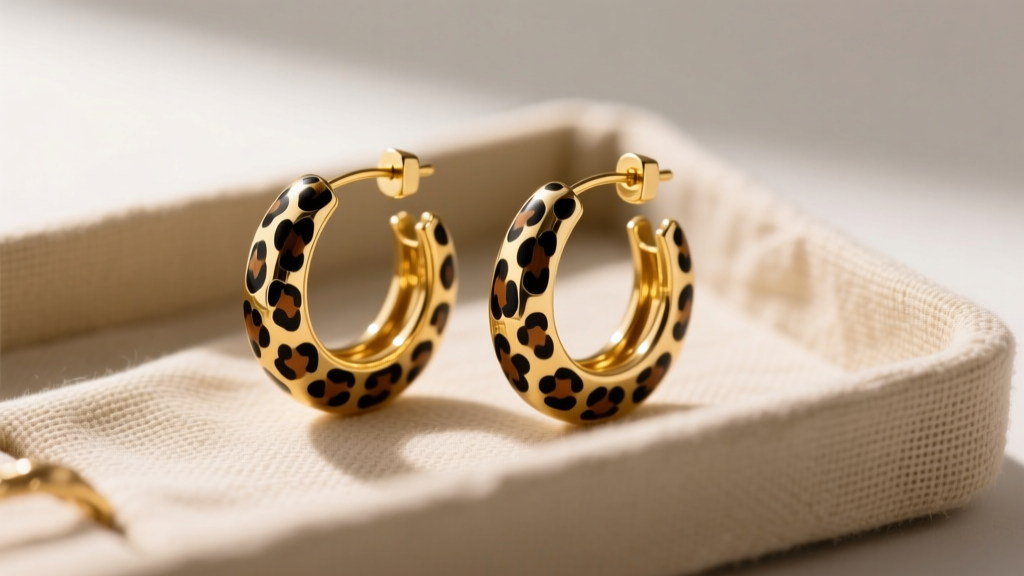
Introduction: The Enduring Appeal of Animal Print
Cheetah print occupies a unique space in jewelry design, bridging the gap between neutral versatility and bold statement-making. Unlike leopard print, which features rosettes (clusters of spots), cheetah print is characterized by solid, evenly distributed black spots on a warm tan or golden background. This distinction is crucial when evaluating high-end enamel or stone inlay work, as the spotting pattern dictates the artisan's technique. Whether you are seeking a subtle pair of vitreous enamel studs or oversized acrylic dangles, knowing what to look for beneath the surface pattern is the difference between an investment piece and disposable fashion.
The Material Matrix: How the Print is Engineered
Cheetah print is a timeless motif, but the execution separates fine jewelry from fast fashion. When evaluating cheetah print earrings, the primary differentiator is how the pattern is applied to the base material.
Vitreous vs. Cold Enamel
High-end enamel jewelry utilizes vitreous enamel, which is essentially crushed glass fused to a metal base at temperatures exceeding 1400°F. This creates a permanent, UV-resistant bond that will never yellow. Cold enamel, conversely, is an epoxy resin. While cheaper and capable of intricate cheetah spotting, cold enamel is susceptible to UV degradation and will develop a yellowish tint over 12 to 18 months of regular wear.
Natural Stone Inlays
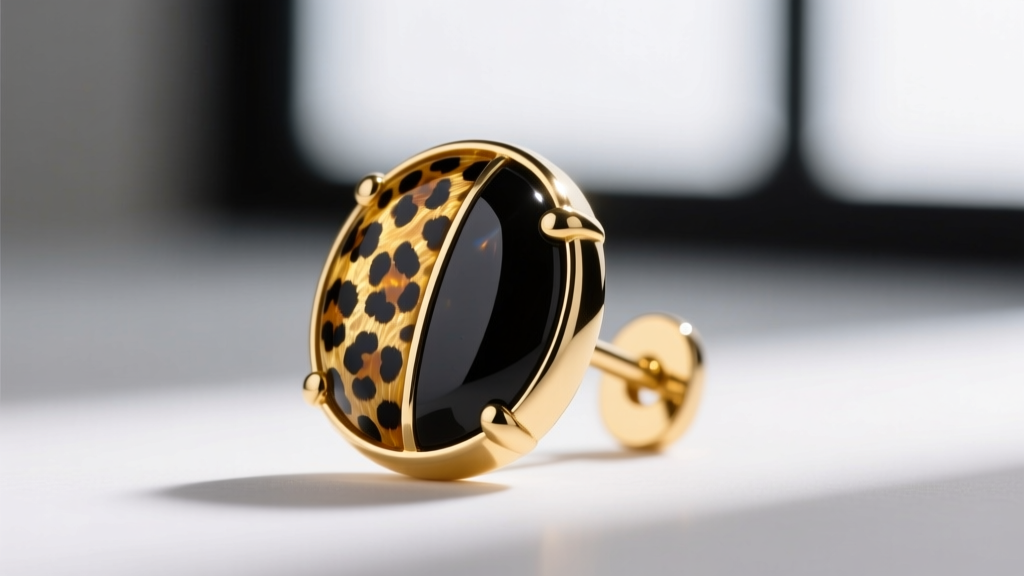
For a more organic interpretation of the trend, look for stone inlays. According to the Gemological Institute of America (GIA), Leopard Skin Jasper (a variety of rhyolite) naturally exhibits the exact russet and black orbicular patterns characteristic of cheetah print. When buying stone inlays, inspect the bezel setting. The metal wall must sit perfectly flush against the porous jasper; any gaps indicate poor lapidary work and will trap skin oils and lotions.
Printed Acrylic and Resin
Acrylic dangles offer a lightweight solution for oversized cheetah print earrings. The critical failure point here is the print layer. Premium manufacturers seal the printed pattern between two layers of UV-cured resin. If the cheetah print is merely surface-stamped on the acrylic, it will scratch and wear away within weeks of contact with hair and clothing.
Metal Bases, Gauge Sizes, and Contact Dermatitis
The earring post and backing are just as critical as the decorative face. Because animal print jewelry often features high-contrast black elements, manufacturers sometimes use oxidized base metals or rhodium-plated brass to achieve deep black tones. This is a major red flag for sensitive ears.
Nickel is a common alloy in cheap brass and white gold, and it is the leading cause of jewelry-related contact dermatitis. The Mayo Clinic notes that prolonged exposure to nickel alloys can trigger severe allergic reactions. Always demand the following metal grades for the posts:
- Implant-Grade Titanium (ASTM F136): The gold standard for hypoallergenic jewelry. It is completely nickel-free and biocompatible.
- 14k or 18k Solid Gold: Ensure it is solid, not gold-plated over brass. Yellow gold pairs exceptionally well with the warm tan tones of traditional cheetah print.
- Niobium: An excellent, highly reactive metal that can be anodized to create deep, permanent black colors without using toxic oxidizing chemicals or nickel alloys.
Gauge Specifications: Standard lobe piercings are typically 20-gauge (0.8mm) or 18-gauge (1.0mm). If you are purchasing heavy cheetah print dangles or large acrylic hoops, opt for an 18-gauge post to prevent the metal from bending under the weight of the earring. For cartilage placements, stick to a 16-gauge (1.2mm) post to accommodate the thicker tissue and reduce the 'cheese-cutter' effect.
Silhouette and Face Shape Matrix
The bold nature of cheetah print requires careful consideration of scale and silhouette. Use the following matrix to match the earring style to your face shape and lifestyle requirements.
| Silhouette | Best Material | Ideal Face Shape | Weight Limit & Closure |
|---|---|---|---|
| Geo Studs | Vitreous Enamel | Heart & Diamond | < 3g / Butterfly or Screw back |
| Thick Huggies | Stone Inlay | Square & Round | < 8g / Hinged snap closure |
| Oversized Dangles | Sealed Acrylic | Oval & Oblong | < 15g / Silicone stoppers required |
| Ear Cuffs | Niobium & Resin | All Shapes | < 5g / Tension-fit (no piercing) |
When wearing oversized dangles, the leverage placed on the earlobe can cause stretching over time. Always pair heavy acrylic or stone cheetah print drops with silicone earring support discs to distribute the weight across a wider surface area of the lobe.

Common Failure Modes and Quality Checks
Before finalizing a purchase, especially from independent jewelers or vintage markets, perform these three structural checks to ensure longevity:
- The Flex Test (Enamel): Gently apply torsional pressure to the earring base. Vitreous enamel is essentially glass; if the underlying metal is too thin (under 1mm), the metal will flex, and the enamel will micro-fracture or pop out entirely.
- The Bezel Tension Check (Stone): Run a microfiber cloth over the bezel setting of a jasper inlay. If the cloth snags, the metal prongs or bezel wall are rough and will eventually catch on knitwear, potentially ripping the stone from its setting.
- The Post Solder Joint: Inspect where the post meets the earring face. It should be joined via laser welding or a clean silver/gold solder. A visible blob of cheap lead-free solder or glue indicates mass production and a high likelihood of post detachment.
Pro Tip: If you are buying vintage cheetah print earrings from the 1980s or 1990s, assume the posts are brass or white gold containing nickel. Have a local jeweler snip the original posts and laser-weld new implant-grade titanium posts before wearing them.
Pricing Tiers: What Should You Pay?
Understanding the market value of animal print jewelry prevents overpaying for costume pieces masquerading as fine jewelry.
- Budget ($15 - $40): Expect gold-plated brass, cold enamel, and surface-printed acrylic. These are seasonal fashion pieces. The plating will tarnish within 6 months of daily wear due to sulfur exposure.
- Mid-Tier ($50 - $150): The sweet spot for quality. You will find sterling silver bases with thick 2.5-micron gold vermeil, hand-painted cold enamel, and properly sealed resin pieces from independent designers.
- Fine Jewelry ($200 - $600+): Solid 14k/18k gold, vitreous enamel fired by master artisans, and precision-cut Leopard Skin Jasper or custom-mixed black diamond pavé accents. These pieces are heirloom-quality and will not degrade.
Care and Maintenance Protocols
Maintaining the high contrast of cheetah print requires specific cleaning protocols. Never use ultrasonic cleaners on porous stones like jasper or on cold enamel; the high-frequency vibrations will shatter the resin or draw oils deep into the stone matrix, permanently muddying the print.
For vitreous enamel and sealed acrylic, a simple wipe with a damp microfiber cloth and a drop of mild dish soap is sufficient. For stone inlays, use a soft, dry brush (like a clean makeup blending brush) to dust the crevices of the bezel setting. Store your cheetah print earrings in individual anti-tarnish pouches to prevent the black enamel or oxidized details from transferring onto lighter metals in your jewelry box.
Furthermore, avoid exposing any cheetah print jewelry to chlorine or saltwater. Chlorine will aggressively attack the copper alloys present in 14k gold and sterling silver, leading to structural weakening of the post and bezel, while saltwater will degrade the polish on natural jasper stones, leaving them looking dull and chalky.


