The 2026 Guide to Buying Diamond Statement Earrings
Discover how to choose diamond statement earrings in 2026. Learn about carat weights, clarity grades, metal settings, and preventing lobe droop.

Defining the Statement Threshold
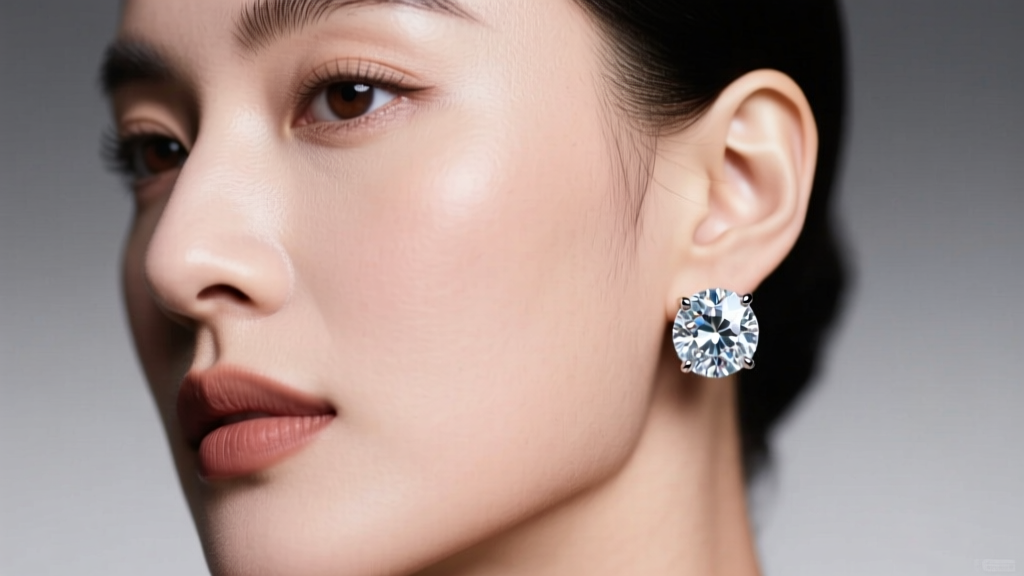
In the realm of fine jewelry, the term 'statement' is often thrown around loosely, but when it comes to diamond statement earrings, there are distinct horological and gemological thresholds that separate a standard pair of studs from a true showstopper. As we navigate the 2026 market, a true diamond statement piece typically begins at a minimum of 2.00 Carat Total Weight (CTW) for stud configurations, or features a vertical drop exceeding 15mm for dangle and chandelier styles. At these dimensions, the physics of how the earring interacts with the earlobe—and the optical performance of the diamonds themselves—change dramatically. This guide provides a highly technical, expert-level breakdown of what to look for when investing in large-format diamond earrings.
The 4Cs Re-evaluated for Large Formats
Grading standards shift when you move from a delicate 0.25ct stud to a massive 2.50ct per-ear statement piece. The surface area of the diamond's table and the depth of its pavilion become highly visible, meaning flaws that are invisible in smaller stones become glaringly obvious.
Cut: The Non-Negotiable Metric
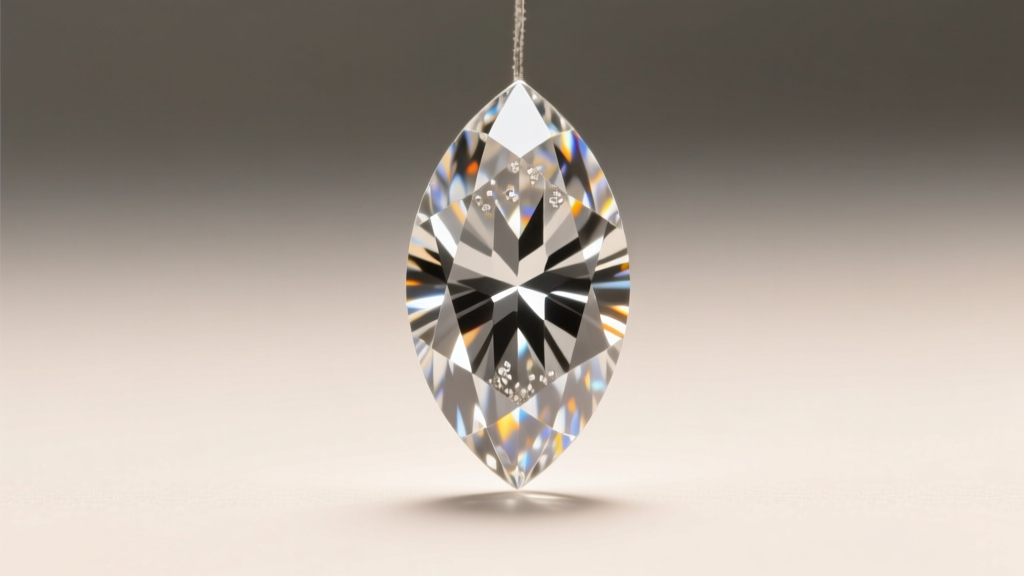
For statement earrings, you must strictly limit your search to 'Excellent' or 'Ideal' cut grades. A poorly cut large diamond will exhibit 'windowing' (where light leaks out the bottom, making the center look transparent and glassy) or 'extinction' (dark, lifeless patches). According to the Gemological Institute of America (GIA), the cut grade dictates the stone's brilliance, fire, and scintillation. In large-format earrings, an Ideal cut with a table percentage between 54% and 57% and a pavilion angle between 40.6 and 41.0 degrees will maximize light return, ensuring the earrings catch the light from across a room.
Color and Clarity: The Sweet Spots
You do not need to pay the premium for D-color, Flawless diamonds for earrings. Because they are worn on the sides of the face and rarely viewed under 10x magnification by others, you can optimize your budget.
- Color: The G-H range is the ultimate sweet spot. These near-colorless grades face up brilliantly white, especially when set in white gold or platinum. Only step up to D-F if you are matching the earrings to a D-color engagement ring.
- Clarity: VS2 to SI1 is highly recommended. For stones over 1.00ct each, avoid SI2 or I1, as carbon inclusions and feathering can become visible to the naked eye at this size. An eye-clean VS2 offers the best balance of visual perfection and value.
Metal Alloys and Structural Prongs
The setting of a statement earring must endure significant kinetic stress. Every time you turn your head, brush your hair, or put on a sweater, the prongs are subjected to lateral force. The choice of metal is not just about color; it is about tensile strength and malleability.
| Metal Type | Durability & Prong Security | Maintenance Requirements | Best For |
|---|---|---|---|
| Platinum (950) | Exceptional. Prongs bend rather than break, holding heavy stones securely. | Low. Develops a natural patina but does not lose metal mass. | Studs over 3.00 CTW, heavy chandelier drops. |
| 18k White Gold | Good, but prongs can snap under severe stress due to alloy brittleness. | High. Requires rhodium plating every 12-18 months to maintain white color. | Intricate vintage-style filigree designs. |
| 14k White Gold | Very High. Harder than 18k, offering stiff prong resistance. | Moderate. Rhodium plating still required, but less frequent. | Everyday statement studs, budget-conscious buyers. |
| 18k Yellow Gold | Moderate. Gold is naturally soft; prongs require annual checking. | Low. Does not require plating; scratches can be polished out. | Warm-toned statement hoops and ear cuffs. |
For any single diamond exceeding 1.50 carats per ear, platinum is the only responsible choice for the prong heads. The American Gem Society frequently notes that platinum's durability makes it the premier metal for securing high-value, large-carat gemstones.
Engineering Against 'Lobe Droop'
The most common failure mode of diamond statement earrings is not lost stones, but 'lobe droop.' Heavy earrings pull the piercing downward, causing the earring to face the floor rather than the viewer, and over time, this can permanently stretch the earlobe tissue. When buying statement pieces, you must evaluate the earring's backend engineering.
Weight Distribution Solutions
If you are purchasing studs larger than 3.00 CTW, standard friction posts and butterfly backs will fail. Look for the following structural enhancements:
- Jumbo Silicone Discs: These provide a wide surface area against the back of the earlobe, distributing the weight of the earring across a 10mm diameter rather than a pinpoint.
- Ear Jackets and Chains: Many 2026 statement designs incorporate a delicate chain that loops from the main stud up to a secondary cartilage or upper-lobe piercing, effectively suspending the weight from the top down.
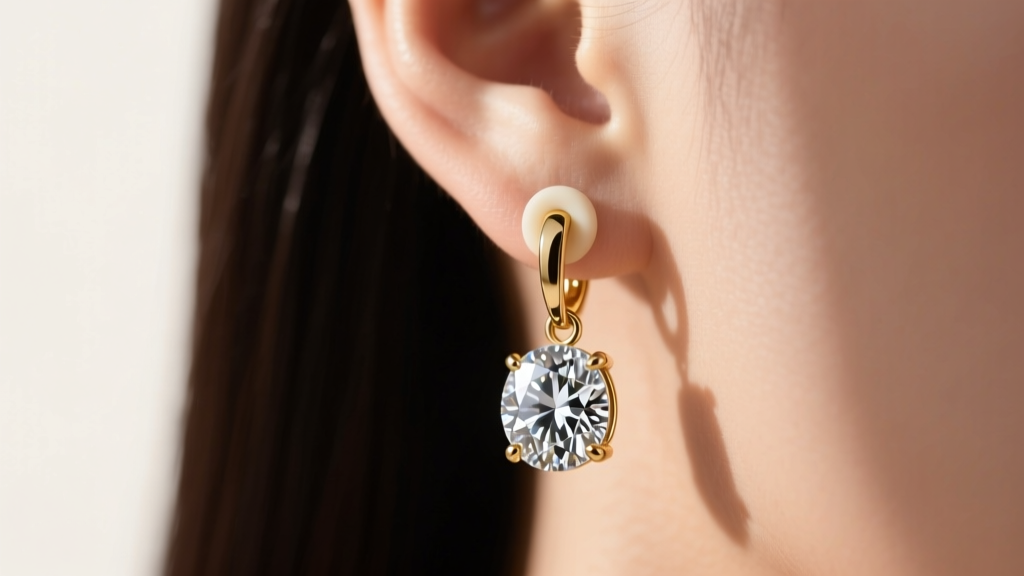
- Omega Clip-Backs: For drop and chandelier styles, an omega clip hugs the entire back of the earlobe, providing immense support. Some designs offer a hybrid post-and-omega, allowing the post to bear the vertical load while the clip prevents swinging.
Lab-Grown vs. Natural: The 2026 Market Reality
The market for diamond statement earrings has been entirely reshaped by lab-grown diamonds. Because statement pieces require massive carat weights, the price disparity between natural and lab-grown stones is staggering. In 2026, a natural 4.00 CTW pair of VS-clarity, G-color round brilliant studs will easily command between $25,000 and $45,000, depending on the retailer and exact cut metrics. Conversely, the exact same specifications in a certified lab-grown diamond will cost between $1,200 and $2,500.
Expert Insight: If your primary goal is maximum visual impact and size, lab-grown diamonds are the undisputed champion for statement earrings. However, if you view the purchase as a store of generational wealth or an asset that retains resale value, natural diamonds remain the only viable option, as lab-grown stones continue to depreciate in secondary markets.
Insuring High-Value Statement Pieces
Because statement earrings are highly visible and frequently worn in public, they are prime targets for loss or theft. Standard homeowner's or renter's insurance policies typically cap jewelry payouts at $1,500 to $2,500, which will not cover a pair of natural diamond statement earrings. You must 'schedule' the earrings on your policy by providing a formal appraisal. Alternatively, specialized insurers like Jewelers Mutual offer dedicated jewelry policies that cover mysterious disappearance (e.g., losing a single earring in a taxi), accidental damage, and worldwide travel, often with zero deductible. Always ensure your appraisal is updated every two years to reflect current market replacement values.
Final Verdict: What to Buy
When shopping for diamond statement earrings, prioritize cut quality above all else to ensure the large stones do not look dull. Choose platinum settings for any heavy configuration to prevent prong failure, and never ignore the earring backing mechanism—invest in silicone supports or omega clips to protect your earlobes from stretching. Whether you opt for the sheer scale of lab-grown stones or the enduring legacy of natural diamonds, understanding these structural and gemological nuances will ensure your statement earrings are as comfortable and secure as they are breathtaking.


