A Beginner's Guide to Custom Potara Earrings and Cosplay
Discover how to safely wear, style, and commission custom Potara earrings for cosplay. Learn about lobe gauges, lightweight materials, and support.

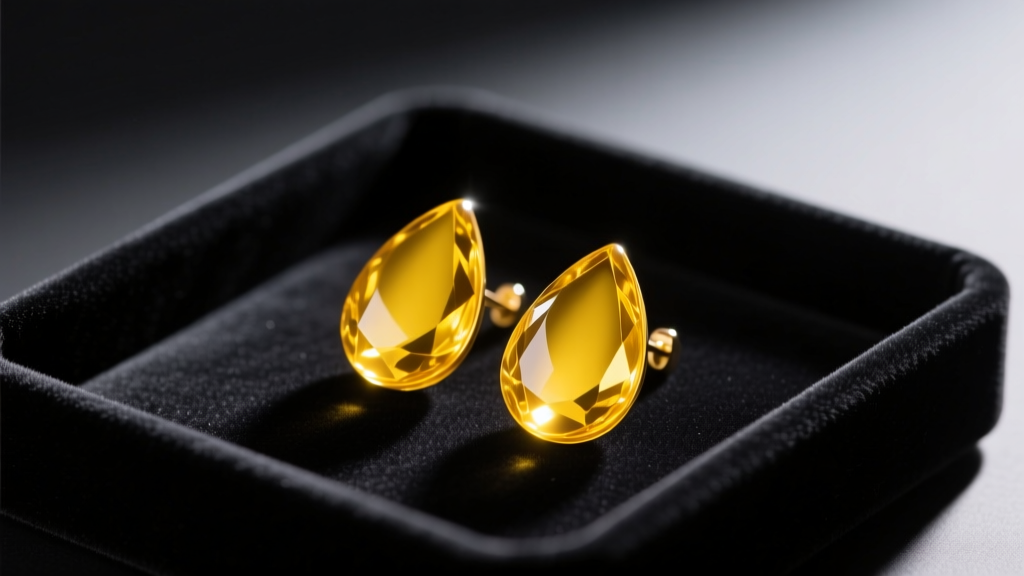
The Cultural Shift: From Screen to Jewelry Box
When anime-inspired fashion intersects with everyday jewelry, the results are often bold, nostalgic, and structurally fascinating. Among the most iconic pieces in geek-chic and cosplay culture are potara earrings. Originally popularized as the fusion-enabling accessories worn by the Supreme Kais in Dragon Ball Z, these large, teardrop-shaped, yellow or gold statement pieces have transcended the screen. In 2026, custom jewelry artisans and cosplay prop makers have elevated these fictional artifacts into high-quality, wearable art. However, transitioning a massive, gravity-defying anime prop into a real-world earring requires a deep understanding of jewelry physics, material science, and piercing anatomy.
This beginner-friendly explainer will walk you through everything you need to know about commissioning, wearing, and safely supporting custom potara earrings, whether you are heading to a convention or integrating subtle anime motifs into your daily streetwear.
Material Science: Why Solid Metal Fails (And What to Use Instead)
The most common mistake beginners make when buying or crafting replica potara earrings is choosing the wrong material. On screen, these earrings look like solid gold or heavy brass. In reality, a solid brass teardrop measuring 2.5 inches in length and 1 inch in width can easily weigh over 45 grams per earring. For context, a standard everyday stud weighs between 1 and 3 grams. Wearing 45-gram earrings on standard piercings will cause immediate pain, lobe stretching, and potential tissue tearing.
Modern jewelry makers utilize advanced lightweight materials to replicate the glossy, vibrant yellow finish without the punishing weight.
| Material | Average Weight (per pair) | Durability | Best For |
|---|---|---|---|
| UV-Cured Epoxy Resin | 8 - 14 grams | High (Shatter-resistant) | Vibrant, glossy, anime-accurate yellow tones |
| Polymer Clay | 10 - 18 grams | Medium (Can crack if dropped) | Matte finishes and hand-painted details |
| Hollow Electroformed Copper | 15 - 22 grams | Very High | Metallic gold finishes with structural integrity |
| Solid Brass (Avoid) | 35 - 50+ grams | Extremely High | Static display props only; unsafe for piercings |
According to resin crafting experts at Resin Obsession, modern UV resins offer exceptional clarity and color stability, meaning your bright yellow potara replicas will not amber or yellow over time like older two-part epoxy resins did. This makes UV resin the premier choice for lightweight, durable cosplay jewelry in 2026.
The Physics of Piercings: Gauge Sizes and the Cheese Cutter Effect
Even when crafted from lightweight resin, a large teardrop earring acts as a pendulum. Every time you turn your head, the momentum pulls on your earlobe. If the earring hook is too thin, it will trigger what piercers call the "cheese cutter effect"—where thin wire under heavy tension slowly slices through the skin and tissue of the earlobe.
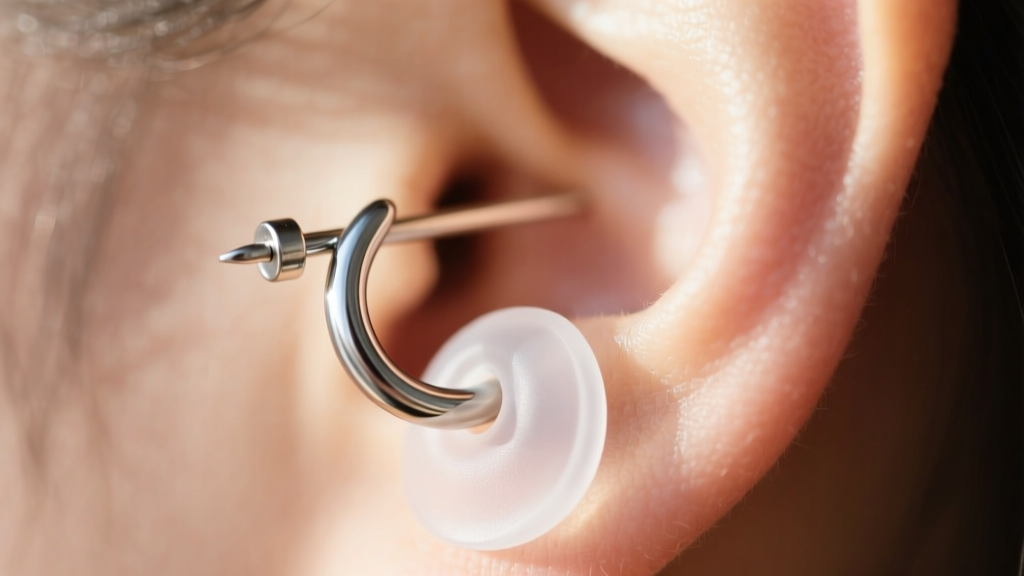
Standard fashion earrings are typically 20-gauge (0.81mm) or 18-gauge (1.02mm). These gauges are entirely insufficient for heavy statement pieces. When commissioning custom potara earrings, you must request thicker, heavier-gauge hooks to distribute the weight safely across the piercing fistula.
Mapping Wire Thickness to Earring Weight
- Under 10 grams: 18-gauge (1.02mm) or 16-gauge (1.29mm) sterling silver or gold-filled wire is sufficient.
- 10 to 20 grams: 14-gauge (1.63mm) wire is highly recommended to prevent tissue migration.
- 20 to 30 grams: 12-gauge (2.05mm) or 10-gauge (2.59mm) wire is mandatory. Note: You may need to have your lobes professionally stretched by a piercer to accommodate a 10-gauge hook safely.
The Association of Professional Piercers (APP) strongly advises against wearing heavy, oversized jewelry on standard 20g piercings for extended periods, as the resulting tissue damage can require surgical repair or permanent lobe reconstruction.
Engineering Support: Patches, Tapes, and Weight Distribution
If you already have standard 20g or 18g piercings and cannot stretch them to accommodate thicker hooks, you must use external support mechanisms. Invisible ear support patches are a staple in the cosplay and drag communities. These are small, medical-grade silicone or hydrocolloid stickers with a pre-punched hole in the center.
How to apply them:
- Clean the back of your earlobe with rubbing alcohol and let it dry completely.
- Peel the backing off the support patch and align the hole with your piercing.
- Press the patch firmly against the back of your lobe.
- Insert your earring hook through the patch and your piercing.
The patch increases the surface area bearing the weight of the earring from a tiny 2mm ring of tissue to a broad 15mm silicone base, effectively neutralizing the cheese cutter effect and preventing lobe fatigue during long convention days.
Non-Pierced Alternatives: Clip-Ons and Magnetic Cuffs
For fans who do not have pierced ears, or who want to wear massive, screen-accurate brass props without destroying their lobes, alternative findings are essential. Standard vintage clip-ons will not work; the tension required to hold a heavy teardrop will cause excruciating cartilage and lobe pain within minutes.
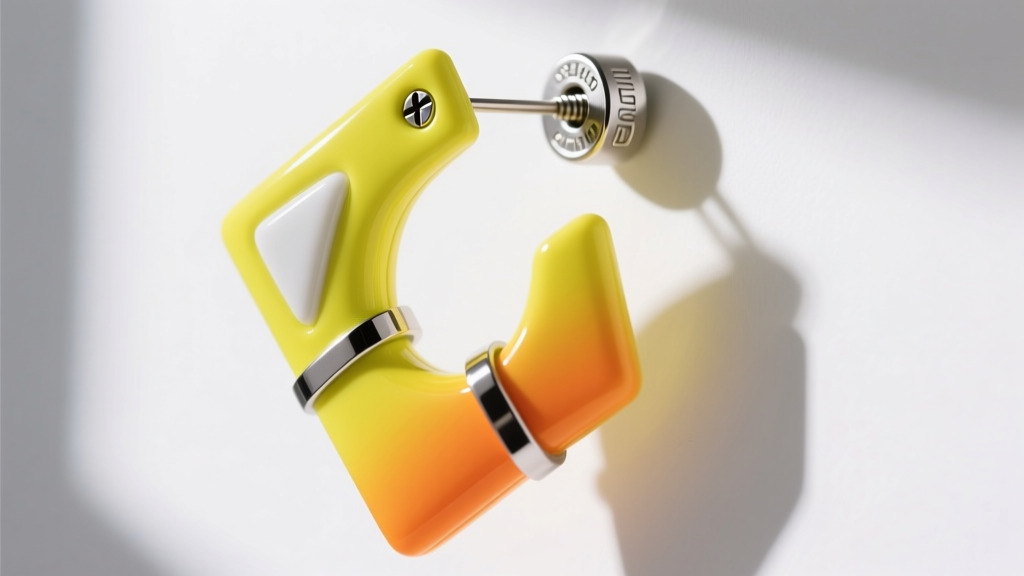
Instead, look for screw-back clip-ons with silicone cushions. The screw mechanism allows you to micro-adjust the tension, while the silicone pad grips the skin and distributes the weight. Alternatively, magnetic ear cuffs utilizing rare-earth neodymium magnets can hold surprisingly heavy resin props, provided the earring design hugs the curve of the ear rather than dangling freely below it.
Scaling Proportions for Different Face Shapes
While screen accuracy is paramount for competitive cosplayers, those integrating potara earrings into everyday streetwear should consider scaling the teardrop shape to flatter their specific face shape. The elongated, bottom-heavy nature of the potara design naturally draws the eye downward, which can be used to balance facial proportions.
- Round Faces: Opt for elongated, narrow teardrops that are at least 2.5 inches long. The vertical lines help visually lengthen the face and highlight the jawline.
- Square Faces: Choose potara replicas with softer, rounded bottoms and avoid sharp, geometric angles. A medium-length (1.5 inch) curved teardrop softens strong jawlines.
- Oval Faces: You have the most versatility. Standard, screen-accurate proportions (roughly 2 inches long and 1 inch wide) will look perfectly balanced.
- Heart-Shaped Faces: Look for designs that are slightly wider at the top and taper gently, or opt for smaller, subtler "huggie" style potara motifs that sit closer to the earlobe to avoid over-emphasizing a narrow chin.
Final Fusion: Caring for Your Custom Pieces
Because most high-quality potara replicas are made from UV resin or painted polymer clay, they require specific care to maintain their glossy, anime-accurate shine. Avoid spraying perfumes, hairsprays, or makeup setting sprays directly onto the earrings, as the alcohol and propellants can degrade the resin's topcoat or cloud the finish over time.
After wearing them, wipe the pieces down with a dry, clean microfiber cloth to remove natural skin oils and sweat. Store them flat in a padded jewelry box; hanging heavy teardrop earrings on standard wire jewelry trees can bend the custom hooks over time. By respecting the material limits and prioritizing the health of your piercings, you can safely fuse your love for anime with high-end, wearable jewelry design.


