Chocolate Pearl Earrings: The Ultimate Beginner Guide
Discover how to choose authentic chocolate pearl earrings. Learn about Tahitian origins, dye treatments, grading, and the best metal pairings.

What Exactly Are Chocolate Pearl Earrings?
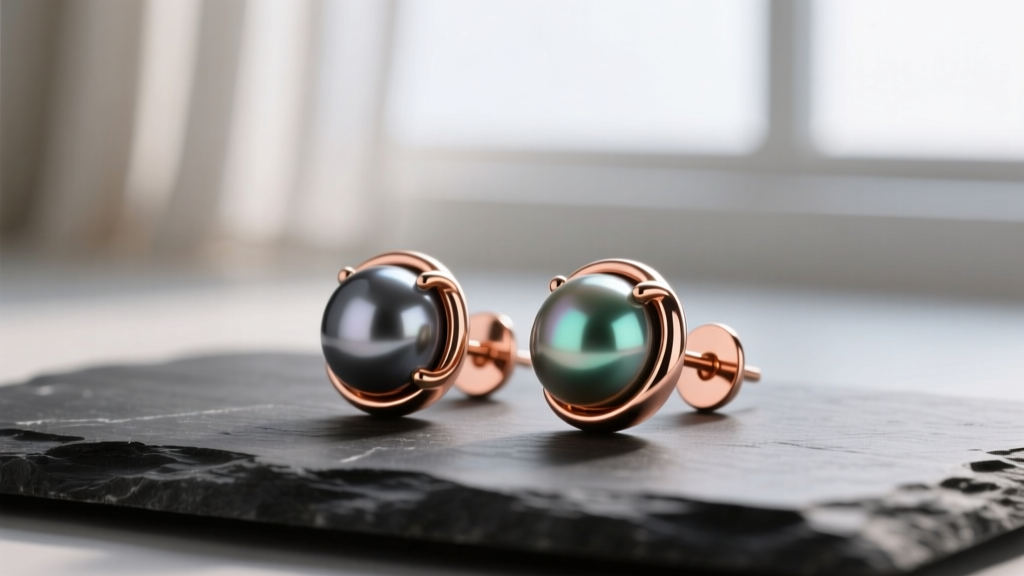
When you first start exploring fine jewelry, the term 'chocolate pearl' can be incredibly confusing. Unlike white Akoya pearls or freshwater variants, chocolate pearls belong to the Tahitian pearl family. They are cultivated inside the Pinctada margaritifera oyster, a large saltwater oyster native primarily to French Polynesia. While Tahitian pearls are famously known as 'black pearls,' they actually occur in a massive spectrum of dark colors, including peacock green, aubergine, silver, and bronze.
The term 'chocolate' is not a formal gemological classification. Instead, it is a trade term used by jewelers to describe Tahitian pearls that exhibit deep brown, bronze, or coppery body colors, often with warm rosé or golden overtones. For a beginner, understanding the difference between a naturally occurring bronze Tahitian pearl and a treated 'chocolate' pearl is the most critical step in making a smart purchase.
Natural Color vs. Treated: The Big Debate
Naturally occurring, high-quality chocolate or bronze Tahitian pearls are quite rare. Because the market demand for uniform, rich brown pearls is high, the jewelry industry frequently uses treatments to achieve the chocolate hue. According to the Gemological Institute of America (GIA), there are two primary methods used to darken or alter pearl colors:
- Gamma-Ray Irradiation: This process darkens the pearl's nucleus and alters the manganese content within the nacre. It is considered a permanent, stable treatment that does not damage the pearl's structural integrity. Irradiated chocolate pearls are widely accepted in the fine jewelry market.
- Silver Nitrate Dyeing: This involves soaking the pearls in a chemical bath to stain the nacre layers. While it produces a very uniform, deep chocolate color, it can compromise the nacre over time, leading to a dull, chalky appearance. Reputable jewelers will always disclose if a pearl has been chemically dyed.
Beginner Tip: Always ask the jeweler for a disclosure report. If a pair of perfectly matched, 10mm chocolate pearl earrings is priced suspiciously low, they have almost certainly been silver-nitrate dyed or are freshwater pearls dyed to mimic Tahitians.
The Grading System: Decoding Pearl Quality
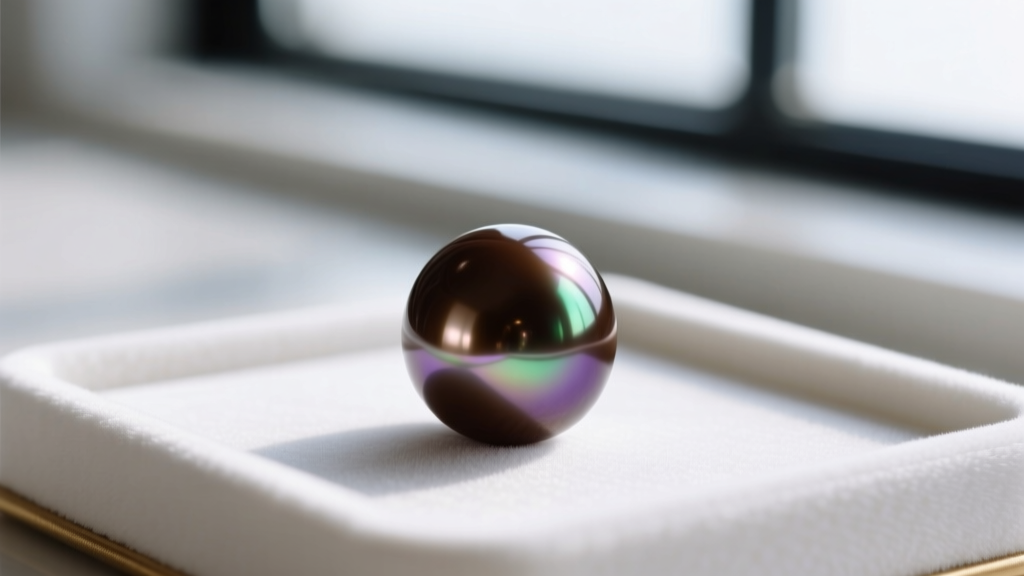
To evaluate chocolate pearl earrings like a professional, you need to understand the Tahitian A-D grading system, which was established by the French Polynesian government to regulate exports. The GIA Pearl Quality Factors also align closely with these metrics, focusing heavily on luster and surface cleanliness.
| Grade | Surface Quality | Luster | Market Use |
|---|---|---|---|
| A | 90%+ clean; minor blemishes visible only upon close inspection. | Excellent to Very High (mirror-like reflection) | Premium stud earrings and high-end solitaire drops. |
| B | 70-90% clean; slight visible blemishes on the surface. | High (clear, bright reflections) | Standard fine jewelry earrings and multi-pearl strands. |
| C | 40-70% clean; moderate blemishes and surface wrinkles. | Medium (slightly blurred reflections) | Fashion jewelry and heavily discounted pieces. |
| D | Less than 40% clean; heavy blemishing. | Poor (dull, chalky appearance) | Illegal to export from French Polynesia. |
Another crucial metric is nacre thickness. By law, Tahitian pearls must have a minimum nacre thickness of 0.8mm to be exported. When buying chocolate pearl earrings, you want to see a sharp, crisp reflection of light on the surface (high luster), which indicates thick, healthy nacre. If the pearl looks matte or chalky, the nacre is likely too thin, and the bead nucleus may eventually show through.
Sizing and Hardware: Getting the Right Fit
Pearl sizing is measured in millimeters (mm), and the right size depends entirely on your intended wear and earlobe anatomy. Furthermore, the hardware (the post and clutch) must be appropriately gauged to support the weight of the pearl.
Size Recommendations for Earrings
- 8.0mm - 9.0mm: The ideal size for everyday stud earrings. They sit flush against the earlobe without drooping and are lightweight enough for 24/7 wear.
- 9.5mm - 10.5mm: A statement stud or a modest drop earring. This size offers excellent presence but requires a secure earring back (like a La Pousette clutch or jumbo silicone back) to keep the pearl pointing forward.
- 11.0mm - 13.0mm+: Reserved for dramatic drop or dangle earrings. These are too heavy for standard stud posts and will cause the earlobe to sag uncomfortably.
The Importance of Post Gauge
Most beginners overlook the thickness of the earring post, known as the gauge. A standard earring post is 20-gauge (0.81mm). However, an 11mm chocolate Tahitian pearl is dense and heavy. If mounted on a flimsy 20-gauge wire, the post will slowly bend under the pearl's weight, eventually stretching and damaging your ear piercing. For any chocolate pearl earring over 10mm, insist on an 18-gauge (1.02mm) or even a 16-gauge (1.29mm) post to ensure structural integrity and lobe comfort.

Metal Pairings: Which Gold Suits Chocolate Pearls?
The metal setting acts as a frame for your chocolate pearls, dramatically altering their visual impact. Because chocolate pearls possess warm, earthy undertones, your choice of metal should be intentional.
14k or 18k Rose Gold: This is the ultimate pairing for chocolate pearls. The copper alloys in rose gold harmonize perfectly with the natural bronze, copper, and rosé overtones found in high-quality Tahitian pearls. This combination creates a cohesive, vintage-inspired look that feels incredibly luxurious.
14k or 18k Yellow Gold: Yellow gold enhances the golden or greenish-peacock overtones that sometimes flash within chocolate pearls. It provides a classic, regal aesthetic that works beautifully for formal drop earrings.
White Gold or Platinum: If you want the pearls to be the undisputed focal point, choose white metals. The stark, icy contrast between bright white gold and deep chocolate nacre creates a modern, high-impact visual. This is a popular choice for diamond-halo drop earrings, where the white diamonds and white gold frame the dark pearl.
Pricing Expectations and Red Flags
Understanding market pricing will protect you from overpaying for treated goods or falling for synthetic imitations. Here is what you should expect to pay for authentic Tahitian chocolate pearl earrings in the current market:
- Treated 8-9mm Studs (B Grade): $150 - $350
- Natural Color 9-10mm Studs (A Grade): $600 - $1,200
- Treated 11mm Drop Earrings: $400 - $800
- Natural Color 12mm+ Drop Earrings (Top Gem): $2,500 - $5,000+
Red Flag: If you see '12mm Chocolate Pearl Studs' selling for $49, you are not looking at Tahitian pearls. You are likely looking at dyed freshwater Edison pearls, shell beads coated in synthetic pearlescent paint, or plastic. Always verify the origin and species before purchasing.
Expert Care Tip: Pearls are organic gems with a Mohs hardness of just 2.5 to 3.0, making them highly susceptible to scratching and chemical damage. Never clean your chocolate pearl earrings in an ultrasonic cleaner or use commercial jewelry dips. The vibrations can shatter the nacre, and the chemicals will strip the pearl's natural luster. Simply wipe them gently with a damp microfiber cloth after wearing, and always put your pearls on after applying perfume, hairspray, and lotions.
Final Verdict for First-Time Buyers
Chocolate pearl earrings are a sophisticated, unconventional alternative to traditional white pearl studs. By prioritizing luster over perfect roundness, verifying the treatment status (opting for irradiated over chemically dyed), and ensuring the hardware gauge matches the pearl's weight, you will secure a piece of jewelry that lasts a lifetime. Start with a modest 9mm pair set in rose gold, and you will have a versatile, head-turning staple in your jewelry wardrobe.


