Sapphire and Pearl Drop Earrings: A Gemstone Material Guide
Discover how to choose sapphire and pearl drop earrings by comparing gemstone grades, pearl types, metal pairings, and durability properties.

The Gemological Paradox: Hardness vs. Organic Fragility
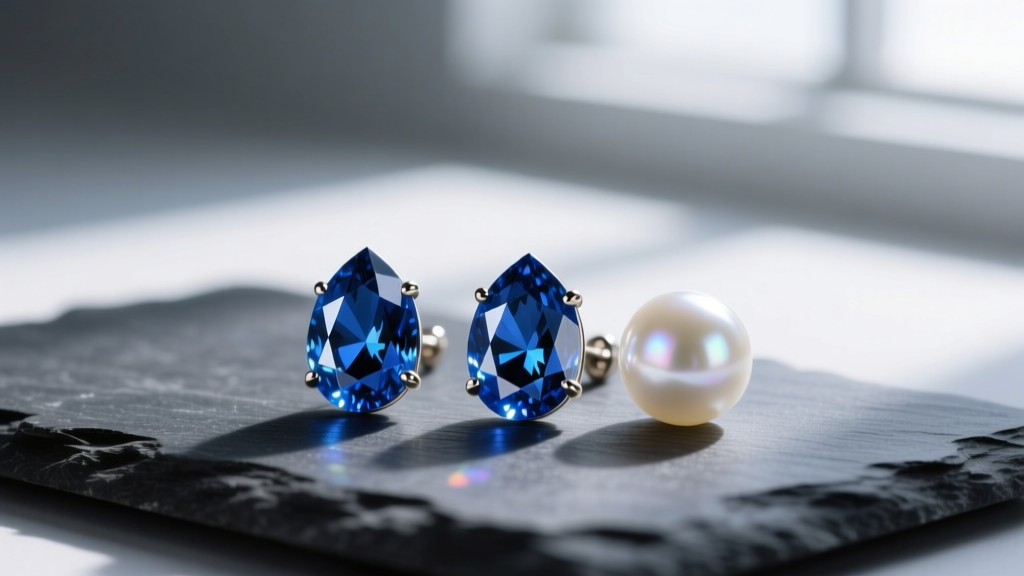
Designing and selecting sapphire and pearl drop earrings requires navigating a fascinating gemological paradox. You are pairing one of the hardest natural materials on earth with one of the most delicate organic gems. Sapphires, a variety of the mineral corundum (aluminum oxide), register a formidable 9 on the Mohs scale of hardness. In stark contrast, pearls, composed of calcium carbonate in the form of aragonite and conchiolin, score a mere 2.5 to 4.5. In a drop earring configuration, where kinetic movement is inherent, this extreme disparity in material properties creates unique structural challenges. Without proper engineering, the sapphire can easily abrade, scratch, or even fracture the pearl's delicate nacre layers over time. Understanding the physical and chemical properties of both materials is essential for collectors and everyday wearers alike to ensure longevity, aesthetic brilliance, and structural integrity.
Sapphire Material Properties: Corundum Structure and Treatments
The appeal of the sapphire in drop earrings lies in its exceptional refractive index (1.76 to 1.78) and its pleochroic nature, meaning it can display different colors when viewed from different crystal angles. Natural sapphires often contain microscopic inclusions, such as rutile needles (silk), which can actually enhance the stone's value by softening its color and creating a velvety appearance. According to the Gemological Institute of America (GIA), the most prized sapphires for fine jewelry exhibit strong to vivid color saturation without being overly dark, which would obscure the stone's brilliance.
Treatment Disclosures and Structural Stability
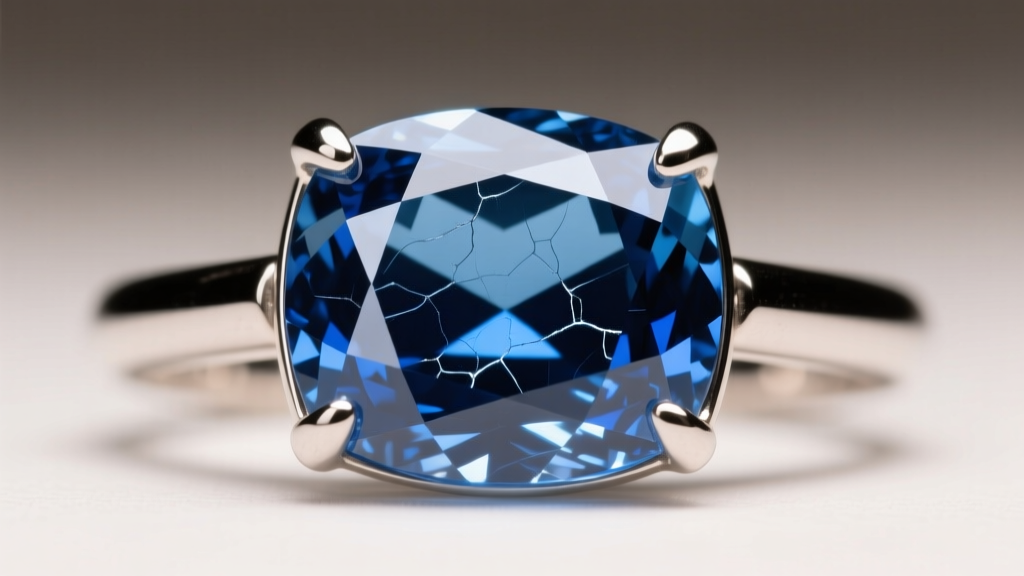
When purchasing sapphire and pearl drop earrings, it is critical to understand the thermal and chemical treatments applied to the corundum. Heat treatment is standard and stable, permanently improving color and clarity without compromising the stone's structural integrity. However, beryllium diffusion—a process where beryllium is introduced during heating to alter the stone's color—only penetrates the surface layer. If a diffused sapphire is chipped or aggressively repolished during a future earring repair, the true, often paler, color beneath will be exposed. For heirloom-quality drop earrings, always insist on a gemological laboratory report confirming 'heat only' or 'no indications of heating' to guarantee the material's long-term stability and value retention.
Pearl Material Properties: Nacre, Aragonite, and Luster
Unlike the crystalline lattice of a sapphire, a pearl is a biological composite. Its beauty is dictated by the thickness and quality of its nacre—the concentric layers of aragonite platelets bound together by conchiolin. The luster of a pearl, its most critical value factor, is a direct result of light reflecting off these microscopic crystalline layers. When paired with the sharp, vitreous luster of a faceted sapphire, the soft, glowing orient of a high-quality pearl creates a striking visual contrast.
| Pearl Variety | Average Nacre Thickness | Mohs Hardness | Luster Profile | Typical Price Range (Pair) |
|---|---|---|---|---|
| Akoya | 0.5mm - 1.0mm | 2.5 - 3.0 | Sharp, mirror-like | $300 - $1,500 |
| South Sea | 2.0mm - 4.0mm | 2.5 - 3.0 | Soft, satiny glow | $1,200 - $8,000+ |
| Tahitian | 0.8mm - 2.0mm | 2.5 - 3.0 | Deep, metallic peacock | $800 - $4,500 |
| Freshwater | Solid nacre | 3.0 - 4.5 | Softer, diffused | $100 - $600 |
As detailed in the GIA Pearl Guide, Akoya pearls are traditionally favored for classic drop earrings due to their perfectly round shapes and intense luster, which perfectly complements the sharp facets of a sapphire. However, South Sea pearls offer vastly superior nacre thickness, making them more resilient to the inevitable wear and tear of daily use, provided the earring's articulation joints are properly engineered.
The Kinetic Abrasion Risk in Drop Designs
In a drop earring, the gemstones hang freely and swing with the wearer's movements. If a heavy, faceted sapphire rests directly against a pearl, the continuous micro-impacts will act like sandpaper, gradually wearing away the pearl's nacre. Expert jewelers mitigate this material failure mode by introducing rigid articulation joints, using 18k gold bead spacers to maintain a physical gap, or setting the sapphire in a fixed bezel that prevents its girdle from striking the pearl's surface.
Metal Alloys and Finding Mechanics for Drop Earrings
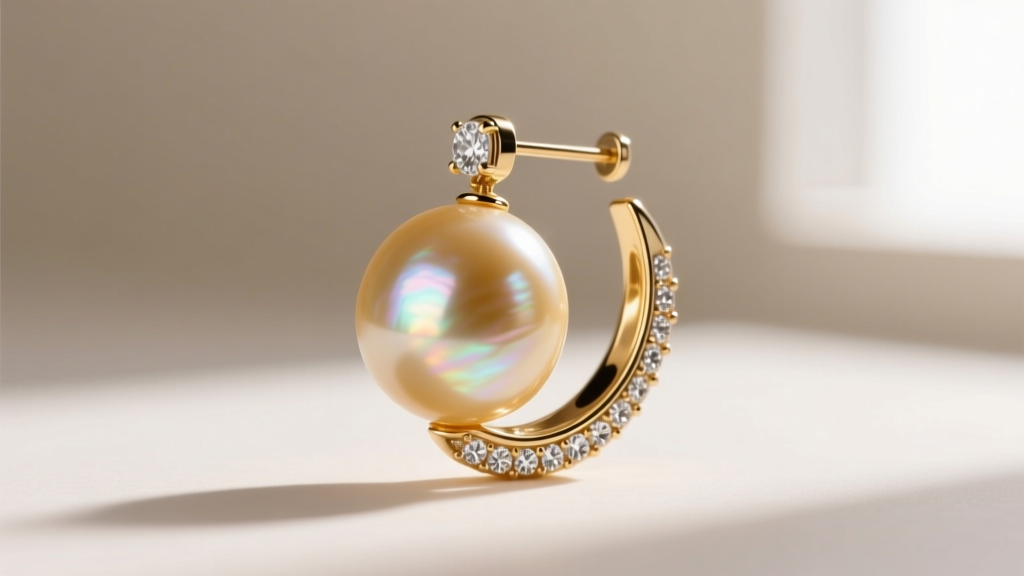
The metal alloy chosen to cradle these contrasting gems must possess the right balance of malleability for setting and rigidity for supporting the drop mechanism. Platinum (typically alloyed with 5% ruthenium or iridium) is the premier choice for sapphire and pearl drop earrings. Its dense, heavy molecular structure provides exceptional security for the sapphire's prongs, and unlike white gold, it does not require periodic rhodium plating. Furthermore, platinum's natural white color enhances the cool tones of both the sapphire and the pearl without the risk of a yellowing alloy showing through over time.
When 18k white gold is used, it is crucial to monitor the rhodium plating. As the plating wears off, the underlying yellowish alloy can subtly alter the perceived color of the pearl, making it appear slightly dingy. For the drop mechanism itself—the wire that passes through the earlobe—gauge thickness is a critical material property. Standard French wires are typically crafted from 20-gauge wire (0.81mm). While sufficient for lightweight studs, a 20-gauge wire can easily bend under the pendulum weight of a sapphire and pearl drop. Upgrading to an 18-gauge (1.02mm) leverback finding provides the necessary tensile strength to support the combined carat weight of the corundum and the calcium carbonate without warping.
Long-Term Maintenance and Structural Preservation
The divergent chemical properties of sapphires and pearls dictate entirely separate maintenance protocols. Sapphires are highly resistant to chemicals and can withstand ultrasonic cleaners and steam. Pearls, however, are highly porous and sensitive to acids, alkalis, and extreme heat. Ultrasonic vibrations can easily shatter a pearl's internal structure or cause its nacre to peel, while steam can degrade the conchiolin binding agent.
- Cleaning Protocol: Never use commercial jewelry dips or ultrasonic machines on sapphire and pearl drop earrings. Clean the sapphire with a soft brush and mild soapy water, carefully avoiding the pearl.
- Pearl Care: Wipe the pearl gently with a damp, lint-free microfiber cloth after every wear to remove skin oils and perspiration, which are mildly acidic and will etch the nacre over time.
- Drill Hole Inspection: The silk or nylon thread used to secure the pearl to the metal cap degrades over time. Have a jeweler inspect the adhesive and threading annually to prevent the pearl from detaching and falling.
Expert Insight: Always store sapphire and pearl drop earrings in a soft, anti-tarnish flannel pouch, completely separate from your diamond and sapphire jewelry. The extreme hardness of other gems in a communal jewelry box will easily scratch the pearl's delicate surface, permanently dulling its orient.
By respecting the distinct material properties of both the sapphire and the pearl, and understanding the mechanical demands of the drop earring silhouette, you can invest in pieces that maintain their structural integrity and breathtaking contrast for generations. For comprehensive care guidelines, refer to the GIA Pearl Care and Cleaning resources to ensure your organic gems remain as pristine as the day they were formed.


