Cinnamoroll Earrings: Enamel, Acrylic & Metal Guide
Compare materials for Cinnamoroll earrings. Discover the differences between cold enamel, acrylic, and metal alloys to prevent allergies and tarnish.

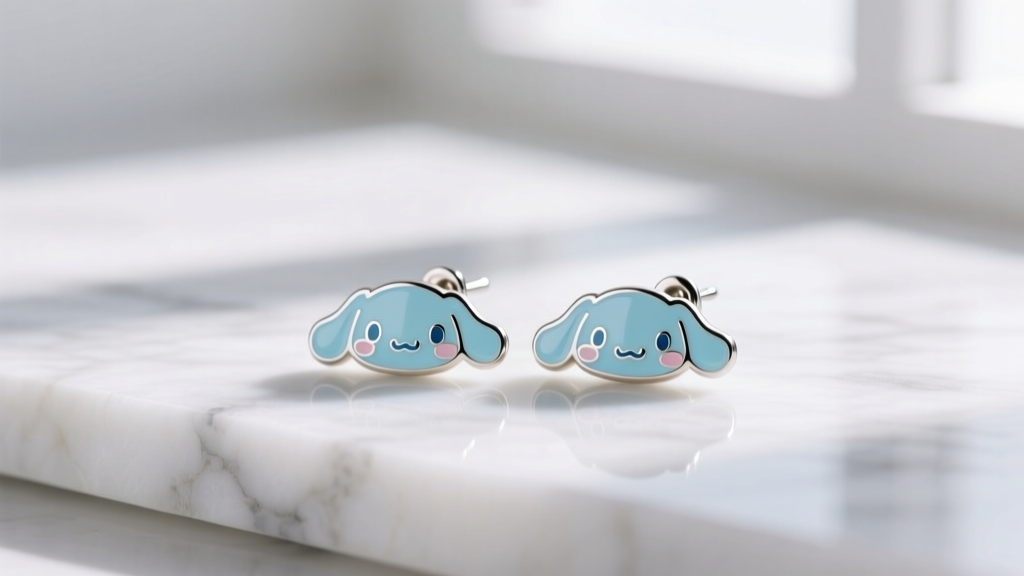
The Material Reality of Character Jewelry
As we navigate the 2026 kawaii jewelry market, Sanrio merchandise remains a dominant force in accessory styling. Cinnamoroll earrings, with their signature pastel blues, floppy ears, and cloud motifs, are highly sought after. However, the novelty jewelry sector is notorious for prioritizing aesthetic replication over material longevity and biocompatibility. For collectors and daily wearers alike, understanding the exact material composition of your cinnamoroll earrings is the difference between a cherished accessory and a painful contact dermatitis flare-up.
Unlike fine jewelry, which relies on solid precious metals and vitreous (glass) enamels fired at extreme temperatures, character-themed earrings are typically constructed from a composite of base alloys, cold enamels, and cast acrylics. This guide deconstructs the specific material properties, failure modes, and biocompatibility metrics of these components, empowering you to make informed purchasing decisions that protect both your piercings and your investment.
Deconstructing the Aesthetic Materials
The visual appeal of Cinnamoroll jewelry relies heavily on opaque color blocking and glossy finishes. Manufacturers achieve this through three primary mediums, each with distinct chemical properties and degradation timelines.
Cold Enamel (Epoxy Resin) vs. Vitreous Enamel
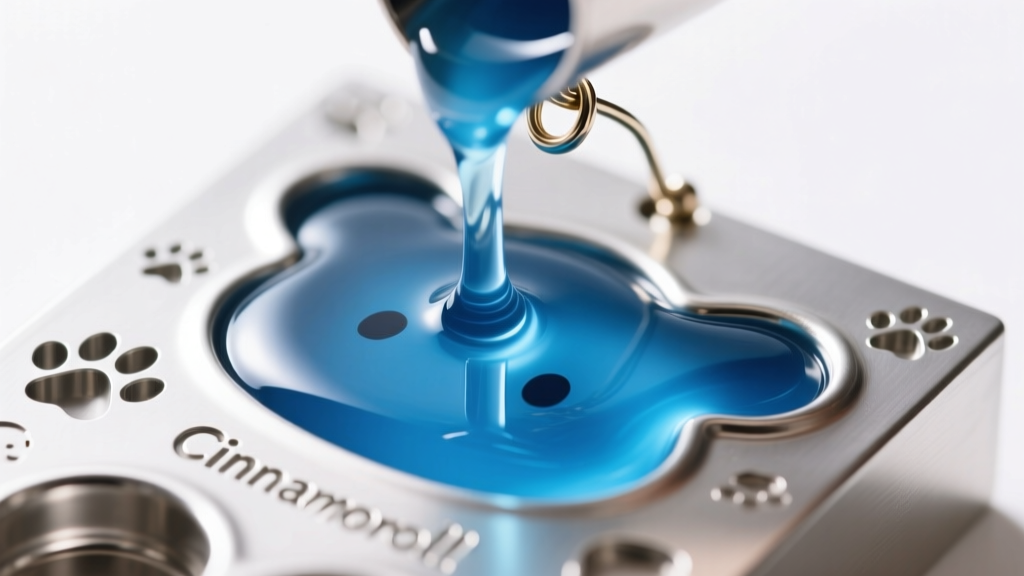
The vibrant blues and stark whites found on most Cinnamoroll stud and dangle earrings are rarely true vitreous enamel. Instead, manufacturers use cold enamel, which is essentially a two-part epoxy resin. When mixed, the resin and hardener undergo an exothermic reaction, curing into a hard, plastic-like surface.
Properties: Cold enamel is prized for its ability to self-level into stamped metal molds without requiring kiln firing. It boasts excellent initial color fidelity. However, epoxy resins are highly susceptible to UV degradation. Over 12 to 18 months of daily sun exposure, the white resin used for Cinnamoroll's body and muzzle will inevitably undergo photo-oxidation, resulting in a yellowed, brittle surface. Furthermore, epoxy has a Mohs hardness of roughly 2.5 to 3.0, meaning it will scratch and chip if dropped on hard surfaces.
Acrylic and Lucite Components
For larger dangle earrings or lightweight hoops featuring the character's silhouette, cast acrylic (PMMA) or laser-cut Lucite is the material of choice. Acrylic allows for complex, multi-layered character designs without the heavy weight that would drag down an earlobe.
Properties: Acrylic is exceptionally lightweight and optically clear, making it ideal for simulated gemstone accents or translucent cloud motifs. The critical failure mode of acrylic in jewelry is its vulnerability to solvents. Exposure to isopropyl alcohol, acetone, or even high-alcohol perfumes will cause the polymer chains to break down, leading to micro-crazing (a network of fine cracks) and a permanent cloudy appearance.
Material Properties & Failure Modes Matrix
To quantify the durability of the aesthetic components used in character earrings, refer to the comparative data table below. This matrix highlights the physical limitations you must account for during wear and storage.
| Material | Mohs Hardness | Weight Profile | UV Stability | Primary Failure Mode |
|---|---|---|---|---|
| Cold Enamel (Epoxy) | 2.5 - 3.0 | Medium | Poor (Yellows) | Impact chipping, UV yellowing |
| Cast Acrylic (PMMA) | 3.0 | Ultra-Light | Moderate | Solvent crazing, deep scratching |
| Zinc Alloy Base | 2.5 | Heavy | N/A | Plating wear, structural snapping |
| Vitreous Enamel | 5.5 - 6.5 | Medium | Excellent | Shattering under blunt force |
The Piercing Interface: Post Alloys and Gauge Sizing
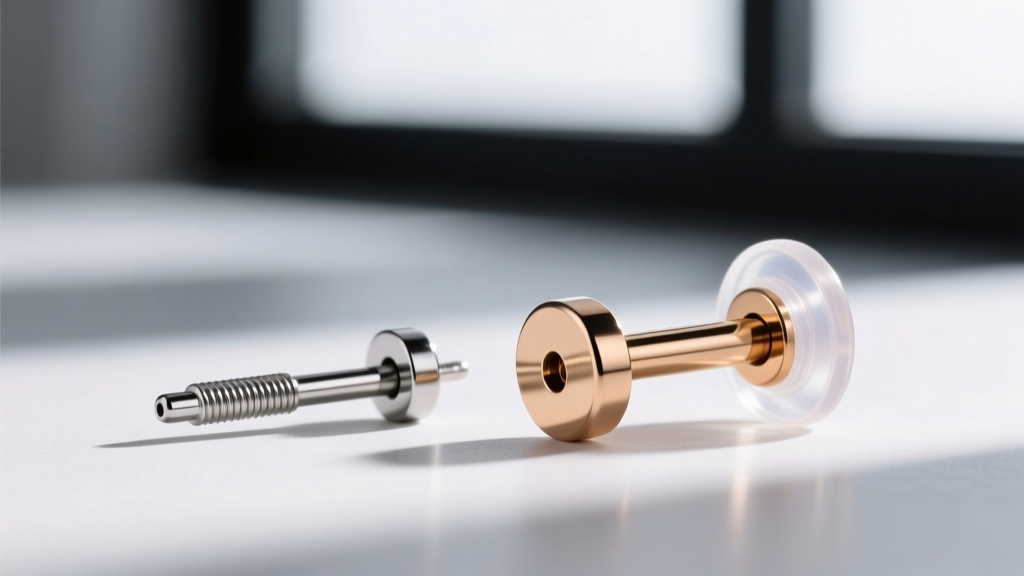
While the decorative face of the earring dictates the aesthetic, the post—the component that actually penetrates the fistula (piercing channel)—dictates your biological response. The vast majority of mass-produced cinnamoroll earrings utilize cheap base metals that pose severe risks to sensitive ears.
The 20-Gauge vs. 18-Gauge Dilemma
Standard lobe piercings are typically performed at 18-gauge (1.02mm) or 16-gauge (1.29mm). However, to cut costs, novelty earring manufacturers frequently use 20-gauge (0.81mm) or even 22-gauge (0.64mm) posts. A 20-gauge post is dangerously thin; it can easily bend under the weight of a heavy acrylic dangle, and it creates a tight, restrictive channel in the earlobe that can trap bacteria and sebum, leading to localized infections. When shopping for character studs, always verify the gauge. An 18-gauge post provides the necessary structural rigidity to support the decorative face without warping.
Nickel Leaching and the Copper Chloride Reaction
The most common base metal for novelty earring posts is brass or a zinc alloy, flash-plated with a microscopic layer of silver or gold. Once this plating wears away—often within weeks of daily wear—the underlying metals are exposed to the acidic environment of human sweat.
According to the Mayo Clinic, nickel allergy is one of the most common causes of allergic contact dermatitis. When sweat interacts with nickel-containing alloys, it creates nickel salts that penetrate the skin, triggering an immune response characterized by itching, redness, and weeping blisters. Furthermore, if the base alloy contains copper, the reaction with sweat and oxygen produces copper chloride, resulting in the infamous "green ear" phenomenon.
The Expert Solution: For wearers with known metal sensitivities, seek out independent jewelers who create custom character earrings using ASTM F-136 implant-grade titanium posts. As noted by the American Academy of Allergy, Asthma & Immunology, implant-grade titanium contains zero nickel and is completely biologically inert, making it the gold standard for permanent and semi-permanent body jewelry. Alternatively, look for posts stamped with "925" (Sterling Silver), though be aware that silver can still tarnish and cause temporary black staining on the skin due to sulfur reactions.
Identifying Authentic vs. Counterfeit Material Quality
The secondary market and fast-fashion platforms are flooded with unlicensed Cinnamoroll merchandise. From a metallurgical and chemical standpoint, counterfeits pose a higher risk. Authentic Sanrio-licensed jewelry manufacturers are bound by strict international safety standards, such as the EU's REACH regulations, which cap the migration rate of nickel to 0.5 micrograms per square centimeter per week.
Counterfeit operations bypass these restrictions. Their zinc alloys frequently contain dangerous levels of lead and cadmium to lower the melting point during casting. Furthermore, counterfeit cold enamels often use inferior, non-UV-stabilized hardeners that emit volatile organic compounds (VOCs) and degrade into a sticky, tacky residue when exposed to high humidity. If your Cinnamoroll earrings feel perpetually sticky or emit a sharp chemical odor after being stored in a warm room, they are likely counterfeit and should be discarded immediately to prevent heavy metal exposure.
Maintenance Protocols for Character Jewelry
To maximize the lifespan of the epoxy and acrylic components, you must abandon standard jewelry cleaning methods.
- Avoid Ultrasonic Cleaners: The high-frequency cavitation bubbles generated by ultrasonic cleaners will easily shatter the bond between the cold enamel and the metal stamping, causing the resin to pop out entirely.
- Ban Harsh Solvents: Never use rubbing alcohol, hand sanitizer, or jewelry dip on acrylic or enameled pieces. These chemicals will instantly cloud the acrylic and strip the glossy topcoat off the epoxy.
- The Microfiber Method: Clean your cinnamoroll earrings using only a damp microfiber cloth and a drop of pH-neutral dish soap. Gently wipe the decorative face, avoiding excessive pressure on the prongs holding the enamel.
- Post Sanitization: Use a cotton swab dipped in 70% isopropyl alcohol only on the metal post itself, taking extreme care not to let the alcohol wick onto the acrylic or enamel components.
Final Verdict: Balancing Aesthetics and Biocompatibility
Cinnamoroll earrings are a delightful expression of personal style, but they require a discerning eye regarding material composition. By prioritizing 18-gauge titanium or high-quality sterling silver posts, you eliminate the risk of contact dermatitis and structural bending. Simultaneously, understanding the inherent vulnerabilities of cold enamel and acrylic allows you to implement proper care routines, ensuring your favorite Sanrio character remains bright, glossy, and safe for your piercings for years to come.


