Claire's Earring Chart: 2026 Gifting & Sizing Guide
Decode the Claire's earring chart for 2026 gifting. Expert sizing, material grades, and occasion-matching tips for flawless earring gifts.


The Anxiety of Gifting Pierced Ears
Gifting earrings seems like a foolproof idea until you are staring at a display case, paralyzed by questions about gauge sizes, post lengths, and metal allergies. For decades, the mass-market baseline for ear piercing and starter jewelry has been defined by the ubiquitous mall retailer, making the concept of a Claire's earring chart a vital reference point for gift-givers. Whether you are shopping for a child's first piercing milestone, a teenager's cartilage obsession, or an adult's everyday essentials, understanding the standardized sizing and material tiers is critical.
In 2026, the jewelry market has evolved significantly. Consumers are more educated about metallurgy and healing protocols than ever before. Gifting a beautiful pair of drop earrings is useless if the recipient's lobes are still healing from a recent piercing, and buying 14k gold is a waste of money if the post gauge is too thin for their existing holes. This comprehensive guide decodes the standard sizing charts, material grades, and occasion-matching frameworks you need to select the perfect, wearable gift without triggering allergic reactions or healing complications.
Decoding the Claire's Earring Chart: Sizing & Materials
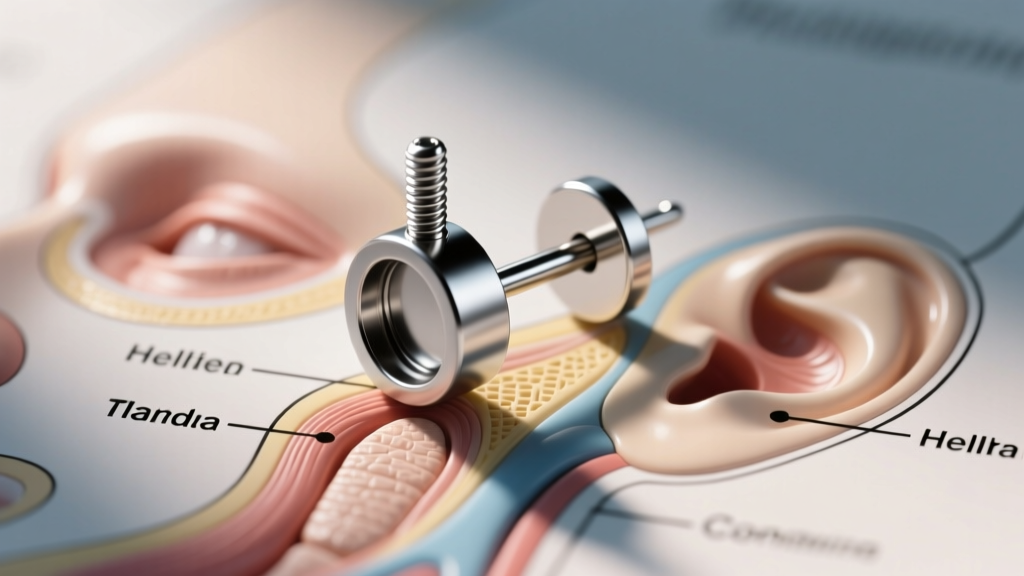
To buy the right earring, you must first understand the anatomical and mechanical standards that mass-market retailers use. A standard earring chart breaks down into two critical metrics: wire thickness (gauge) and wearable surface length (post length).
Gauge and Post Length Specifics
The gauge system is counterintuitive: the higher the number, the thinner the wire. Standard fashion earrings typically fall into the 20-gauge (0.81mm) or 18-gauge (1.02mm) categories. However, if your recipient had their cartilage pierced at a professional studio rather than a mall kiosk, their holes are likely 16-gauge (1.29mm). Gifting a heavy 20-gauge hoop to a 16-gauge cartilage piercing can result in the dreaded 'cheese-cutter effect,' where the thin wire slowly migrates through the tissue under the weight of the jewelry.
Post length is equally crucial. Standard healed lobe earrings feature a post length of 6mm to 8mm. However, starter studs designed for fresh piercings often utilize 8mm to 10mm posts to accommodate edema (swelling). If you are gifting earrings to someone who was pierced within the last eight weeks, you must ensure the post is long enough to prevent the backing from embedding into the skin, or opt for a flat-back labret style that sits flush against the ear.
Material Grades: What to Actually Buy
Marketing terms like 'surgical stainless steel' are largely unregulated and can be a minefield for gift-givers. According to the Association of Professional Piercers (APP), 316L stainless steel contains between 8% and 12% nickel. While fine for fully healed ears of non-sensitive individuals, it is a primary trigger for contact dermatitis. For a guaranteed safe gift, bypass standard steel and look for these premium tiers:
- Implant-Grade Titanium (ASTM F-136): The gold standard for sensitive ears and fresh piercings. It is entirely nickel-free, lightweight, and highly biocompatible.
- Solid 14k or 18k Gold: Excellent for healed piercings and luxury gifting. Avoid gold-plated or gold-filled brass, as the base metals will eventually oxidize and cause severe reactions once the plating wears off.
- Niobium: A highly reactive metal that is anodized to create vibrant colors without using dyes or coatings, making it a fantastic, safe alternative for cartilage hoops.
The 2026 Occasion Matching Matrix
Matching the earring to the occasion requires balancing aesthetics, budget, and the recipient's healing status. Use this matrix to align your gift with the specific milestone you are celebrating.
| Occasion | Recommended Tier | Ideal Material | Gauge / Post | Estimated Price Range |
|---|---|---|---|---|
| First Piercing Milestone (Kids) | Starter / Secure | Titanium or 14k Gold | 18G / 8mm-10mm | $35 - $60 |
| Teen Birthday / Cartilage | Fashion / Trend | Anodized Niobium or Steel | 16G or 18G Hoops | $15 - $30 |
| High School Graduation | Fine / Keepsake | Solid 14k Gold | 18G or 20G / 6mm | $80 - $150 |
| Holiday Stocking Stuffer | Everyday Basic | Hypoallergenic Steel | 20G / Standard Clutch | $12 - $25 |
| Professional Office Upgrade | Minimalist Luxury | 18k Gold / Diamond | 18G / Flat-Back | $150 - $300+ |
Age & Healing Stage: Critical Gifting Rules
The most common gifting failure occurs when a well-meaning relative buys elaborate fashion earrings for a child whose lobes were pierced just three weeks prior. The Claire's Official Piercing & Aftercare Guide strictly mandates that starter studs remain in place for a minimum of 6 weeks for lobes, and up to 12 weeks for cartilage.
The Golden Rule of Pierced Gifting: Never gift fashion jewelry with butterfly clutches to a piercing that is less than 6 months old. The crevices in standard butterfly backs trap moisture, dead skin cells, and bacteria, which can easily infect a healing fistula.
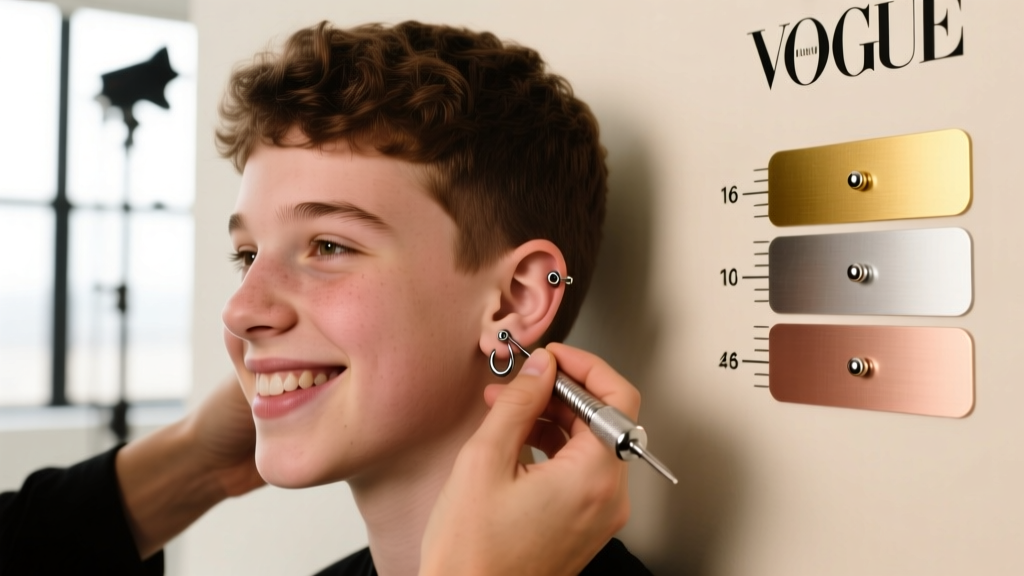
For children and side-sleepers, the 2026 trend has shifted heavily toward flat-back labret studs with internally threaded or push-fit tops. Unlike traditional posts with sharp points that poke the neck during sleep, flat-backs sit perfectly flush against the back of the earlobe. If you are buying for a young child, look for 'screw-in' or 'locking' flat-backs to prevent them from accidentally pulling the earring out and losing the gemstone.
Troubleshooting Common Gifting Mistakes
Even with the best intentions, shoppers frequently make technical errors when selecting earrings. Here is how to troubleshoot the three most common failure modes:
1. The Embedding Post (Post Too Short)
If the recipient complains that their new gift feels 'tight' or is sinking into their earlobe, the post length is too short. This often happens when gifting standard 6mm posts to individuals with thicker earlobes or those who have experienced minor trauma to the ear. The Fix: Always include a gift receipt, or opt for adjustable friction posts or 8mm flat-backs that provide a safer margin for error.
2. The Allergic Reaction (Contact Dermatitis)
According to the American Academy of Dermatology, nickel allergy is the most common contact allergy worldwide, presenting as an itchy, red, and flaky rash around the piercing site. Many mass-market 'hypoallergenic' earrings are simply plated over a nickel-heavy brass core. The Fix: Read the fine print. If the packaging does not explicitly state 'Implant-Grade Titanium,' 'Niobium,' or 'Solid 14k/18k Gold,' assume it contains nickel and avoid gifting it to anyone with sensitive skin.
3. The Heavy Dangle (Lobe Stretching)
Gifting heavy, ornate drop earrings or large brass hoops can cause mechanical stretching of the piercing hole over time, especially if worn daily. The Fix: If you want to gift a statement piece, look for designs that utilize an 'ear cuff' or 'climber' mechanism, which distributes the weight of the jewelry across the upper cartilage rather than placing all the stress on the delicate lower lobe fistula.
Final Verdict for Shoppers
Navigating the modern earring market requires looking past the sparkle and focusing on the specs. By using a standardized sizing chart as your mental framework, you can easily filter out jewelry that will cause discomfort or allergic reactions. For 2026, the smartest gift-givers are prioritizing implant-grade titanium and flat-back designs over traditional butterfly clutches, ensuring their gifts are not just beautiful, but anatomically sound and comfortable for daily wear. When in doubt, default to 18-gauge solid gold or titanium studs—they are the universal standard that fits almost every healed earlobe and guarantees a flawless, irritation-free gifting experience.


