Claire's Earring Starter Kit: 2026 Buying Guide & Review
Is the Claire's earring starter kit safe for new piercings? Our 2026 buying guide analyzes the metals, aftercare, and gauge sizes.

Getting your ears pierced is a milestone event, and for decades, the mall-based piercing experience has been a cultural staple. At the center of this experience is the Claire's earring starter kit, a bundled package designed to provide the initial jewelry and aftercare solution required for the healing process. But as body modification standards have evolved dramatically by 2026, how does this legacy kit hold up against modern dermatological and professional piercing standards?
In this comprehensive buying guide, we deconstruct the metallurgy, the aftercare chemistry, and the mechanical realities of the Claire's earring starter kit. Whether you are a parent researching options for your child or an adult considering a quick lobe piercing, you need to understand exactly what you are paying for and what you are putting into your body.
Unboxing the Kit: What Exactly Are You Getting?
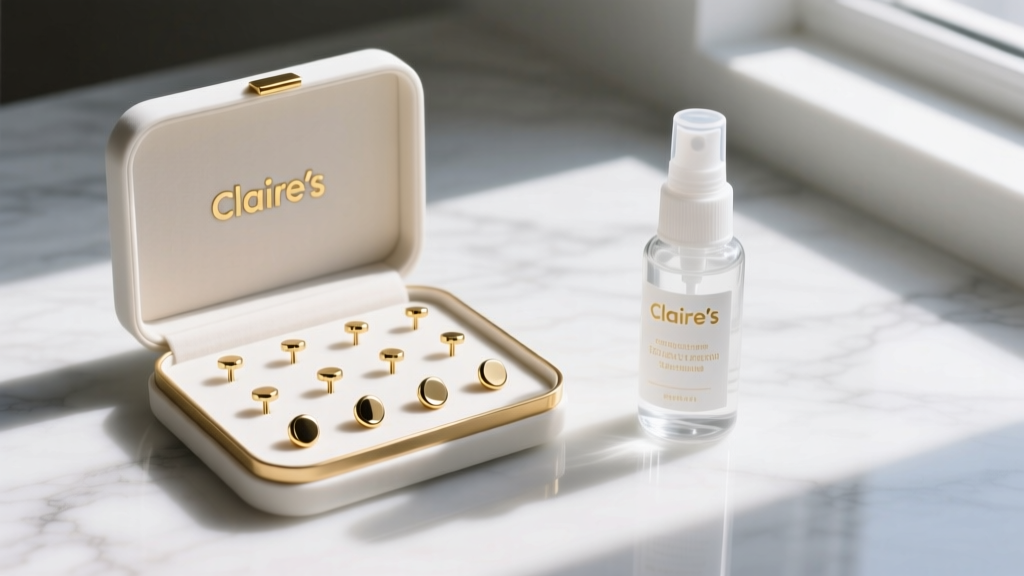
When you purchase a piercing service at Claire's, the cost typically includes the piercing procedure, the initial stud earrings, and an aftercare cleansing solution. The starter kit is essentially the retail packaging for these post-piercing essentials.
- The Earrings: Usually a pair of 4mm to 6mm round studs featuring a butterfly friction back or a specialized safety clutch designed to prevent choking hazards in children.
- The Aftercare: A proprietary 60ml bottle of Claire's Ear Care Solution, marketed to cleanse and soothe the fresh fistula (the piercing canal).
- The Backings: Standard push-on friction clutches that grip the notched post of the earring.
While the convenience of a one-stop-shop is undeniable, the specific material grades and mechanical designs of these components warrant a much closer inspection before you commit to the procedure.
Metallurgy Deep Dive: Surgical Steel vs. Titanium
The most critical factor in any piercing jewelry is the biocompatibility of the metal. The human body treats a fresh piercing as an open wound, and the immune system will react aggressively to foreign irritants. Claire's offers several metal tiers in their starter kits, but the terminology can be misleading for the average consumer.
The Reality of 'Surgical Steel'
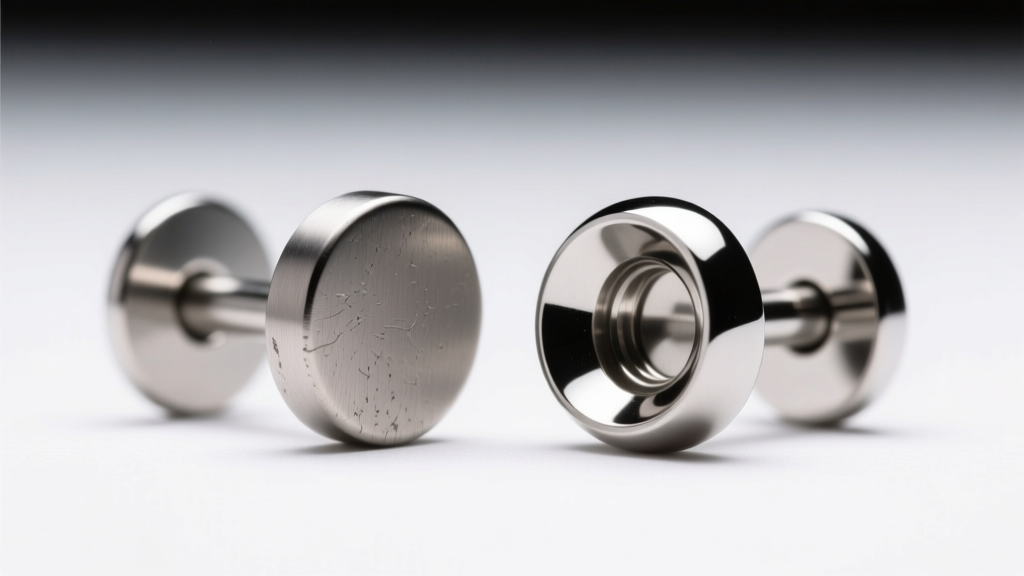
Claire's frequently uses the term 'Surgical Steel' to describe their standard stainless-steel offerings. In the jewelry industry, this almost always refers to 316L stainless steel. While 316L is excellent for surgical instruments that are sterilized and used briefly, it is not ideal for long-term implantation in healing tissue. According to the Association of Professional Piercers (APP), 316L contains between 8% and 10.5% nickel. As the healing fistula forms, it can absorb nickel ions, triggering contact dermatitis, localized swelling, and delayed healing in sensitive individuals.
The Titanium Alternative
In recent years, Claire's has introduced titanium options to cater to sensitive skin. However, buyers must verify if the titanium is ASTM F-136 compliant (implant-grade titanium alloy) or merely commercial-grade titanium. Implant-grade titanium is entirely nickel-free and features a mirror-polished surface that prevents bacteria from adhering to microscopic scratches on the metal. If you opt for a Claire's starter kit, always explicitly request the titanium variant and verify the packaging mentions hypoallergenic or implant-grade certifications.
Gold-Plated vs. Solid Gold
The kit also features gold-toned options. It is vital to understand that these are typically gold-plated over a brass or steel base. The friction of the piercing gun and the subsequent swelling can easily micro-fracture the gold plating, exposing the reactive base metals underneath to your open wound. For genuine biocompatibility, 14k or 18k solid, nickel-free gold is required, which is rarely found in standard mall starter kits.
The Aftercare Solution: Chemistry and Cytotoxicity
The second major component of the Claire's earring starter kit is the cleansing solution. Historically, mall piercing aftercare relied heavily on Benzalkonium Chloride (BZK) or alcohol-based astringents.
BZK is a quaternary ammonium compound that acts as a powerful disinfectant. However, modern wound care science has shifted away from BZK for fresh piercings. The APP Aftercare Guidelines note that harsh chemicals like BZK and hydrogen peroxide are cytotoxic—meaning they kill not only bacteria but also the delicate, newly forming epithelial cells required to heal the piercing canal. This cellular destruction can extend healing times from the standard six weeks to several months, increasing the window of vulnerability for staph infections.
The 2026 Standard: Sterile Saline
Today, the gold standard for piercing aftercare is sterile, 0.9% sodium chloride wound wash with no additives, preservatives, or fragrances. If your specific Claire's kit includes a true sterile saline spray (often labeled as 'Rapid Aftercare' or 'Pure Saline'), it is perfectly safe to use. If the ingredient list includes BZK, tea tree oil, or alcohol, dermatologists strongly recommend discarding it in favor of an over-the-counter sterile saline wound wash from a pharmacy.
Gauge Sizes, Post Lengths, and Mechanical Trauma
Understanding the physical dimensions of the jewelry in the starter kit is crucial for preventing embedding and migration.
The Gauge and The Gun
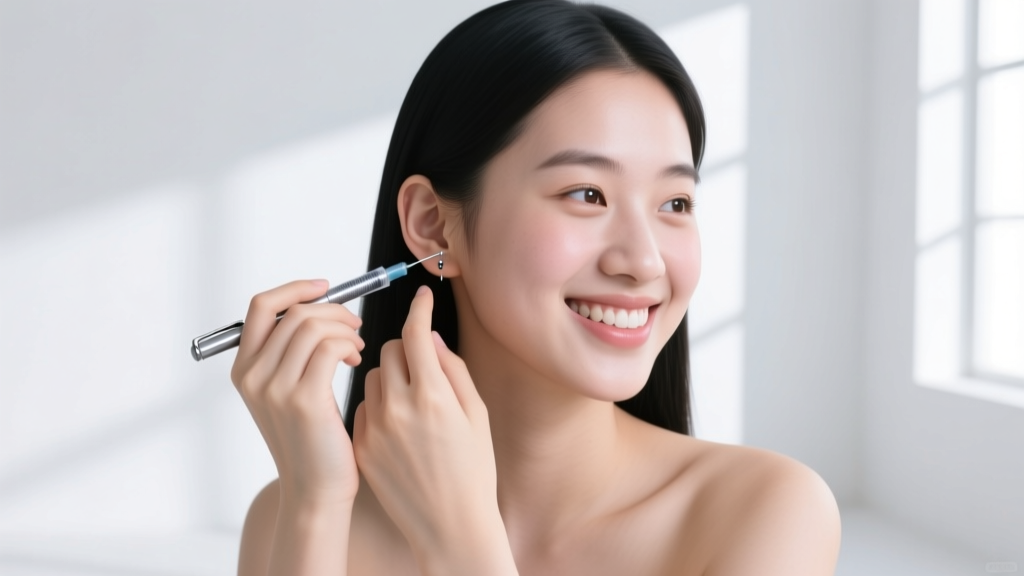
The earrings in the starter kit are typically 20-gauge (0.81mm) or 18-gauge (1.02mm). However, because Claire's utilizes a spring-loaded piercing instrument (commonly known as a piercing gun), the actual mechanism of injury differs vastly from a hollow medical needle. A hollow needle cleanly slices a crescent-shaped hole, removing a tiny plug of tissue. A piercing gun forces a blunt, tapered stud through the earlobe using sheer kinetic force, which causes blunt force trauma and crushes the surrounding cellular structure. This results in more initial pain, prolonged edema (swelling), and a higher risk of hypertrophic scarring.
The Post Length Failure Mode
The standard post length on a Claire's starter stud is approximately 8mm to 9mm. This is a significant design flaw for anyone with thick earlobes or for any cartilage piercings. When an ear is pierced, the tissue will naturally swell by 20% to 40% within the first 48 hours. An 8mm post leaves virtually no room for this edema. If the swelling exceeds the post length, the butterfly backing will be swallowed by the earlobe, leading to an embedded jewelry scenario that requires surgical intervention to remove. Professional studios mitigate this by using flat-back labrets with post lengths of 10mm to 12mm to accommodate swelling, downsizing only after the initial inflammation subsides.
Comparison Chart: Claire's Kit vs. Professional Studio
To help you make an informed purchasing decision, we have mapped the Claire's earring starter kit against a standard starter setup from an APP-certified professional piercing studio.
| Feature | Claire's Starter Kit | Professional Studio Setup |
|---|---|---|
| Average Cost | $30 - $60 (includes service) | $60 - $120 (jewelry + service) |
| Primary Metal | 316L Steel / Plated Brass | ASTM F-136 Titanium / Solid 14k Gold |
| Sterilization | UV Light / Alcohol Wipe | Medical Autoclave (Spore Tested) |
| Piercing Method | Spring-Loaded Blunt Stud | Single-Use Hollow Medical Needle |
| Jewelry Backing | Butterfly Friction Clutch | Internally Threaded Flat-Back Labret |
| Post Length | 8mm - 9mm (Fixed) | 10mm - 12mm (Customized for swelling) |
Final Verdict: Should You Buy the Claire's Earring Starter Kit?
The Claire's earring starter kit remains a highly accessible, nostalgic, and convenient option for quick earlobe piercings, particularly for young children where the distraction and speed of the mall environment can be beneficial. The introduction of titanium options and saline-based aftercare in their newer kits shows a willingness to adapt to modern dermatological feedback.
However, from a strict E-E-A-T and biomedical perspective, the kit falls short for cartilage piercings, individuals with known nickel allergies, or those seeking optimal healing conditions. The use of 316L steel, short post lengths that ignore natural tissue edema, and the blunt-force trauma associated with the piercing instrument present documented risks of embedding, prolonged healing, and contact dermatitis.
Our 2026 Recommendation: If you choose to utilize the Claire's earring starter kit, explicitly request the implant-grade titanium studs, ensure the aftercare is pure 0.9% sterile saline, and monitor the earlobe closely for the first 72 hours to ensure the friction backs are not embedding into swelling tissue. For cartilage, helix, or tragus piercings, bypass the mall entirely and invest in a professional studio that utilizes single-use hollow needles and ASTM F-136 titanium flat-backs.


