Claire's Ear Piercing Earring Options: A 2026 Value Guide
Assessing Claire's ear piercing earring options in 2026. We break down pricing, metal grades, and hidden costs to determine true value.

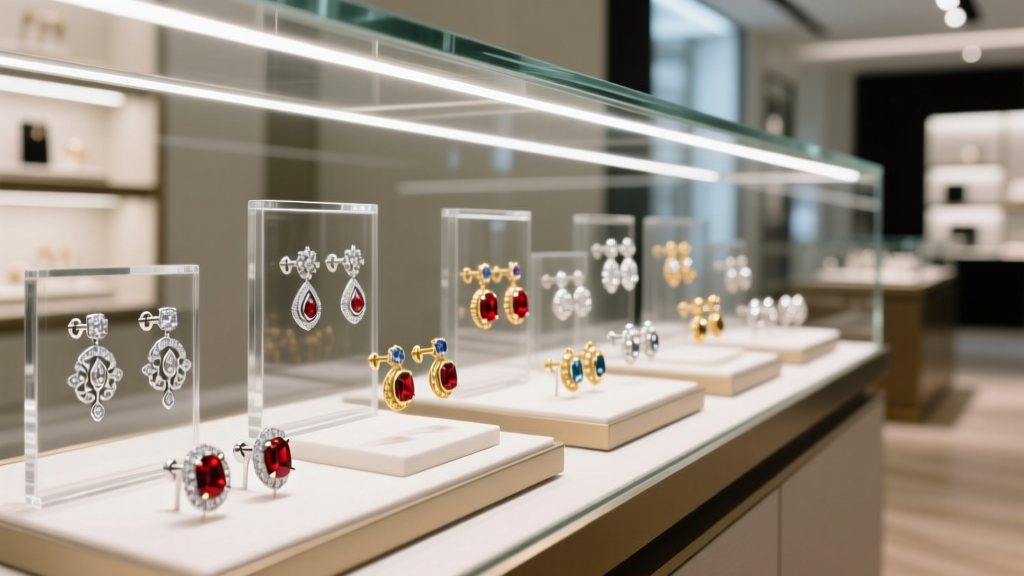
When evaluating Claire's ear piercing earring options, the initial appeal is undeniable: convenience, immediate gratification, and the promise of a 'free' piercing with the purchase of a starter kit. However, as consumers become more educated about dermatological health and body jewelry standards in 2026, the definition of 'value' has shifted. True value is no longer just about the upfront price tag; it encompasses material biocompatibility, hardware design, tissue trauma, and long-term healing success.
In this comprehensive budget and value assessment, we dissect the metallurgical reality of Claire's jewelry tiers, the mechanical limitations of piercing guns, and the hidden costs of mall-kiosk piercings. Whether you are a parent budgeting for a child's first earrings or an adult seeking a quick lobe piercing, understanding these variables is critical to making an informed financial and health decision.
The 'Free' Piercing Illusion: Understanding the Starter Kit Model
Claire's operates on a razor-and-blades business model. The piercing service itself is often advertised as free, provided you purchase a starter kit. In 2026, these kits typically range from $25 to $35 for standard options, and up to $120 for premium metals. The kit includes the piercing earrings, a secondary pair of 'healing' earrings, and a proprietary aftercare solution.
From a purely financial standpoint, a $30 out-of-pocket expense for a piercing and jewelry seems like a massive bargain compared to professional piercing studios, where a single lobe piercing with basic titanium jewelry and a service fee can easily cost $60 to $90. However, this upfront savings must be weighed against potential hidden costs: contact dermatitis treatments, infection management, and the eventual need to be re-pierced by a professional due to improper angles or embedding.
Metallurgical Breakdown of Claire's Ear Piercing Earring Options
The core of any body jewelry's value lies in its material composition. Claire's offers three primary tiers of metal for their piercing earrings. Here is how they stack up against modern biocompatibility standards.
Surgical Steel (The Budget Tier)
The standard $25–$35 starter kits feature what Claire's labels as 'surgical steel.' In the broader jewelry industry, this usually refers to 316L or 304 stainless steel. While 316L is a high-quality alloy used in marine and medical environments, it inherently contains 8% to 10% nickel to prevent corrosion. According to the American Academy of Dermatology, nickel is the most common cause of allergic contact dermatitis. When a fresh, open wound is exposed to nickel-leaching steel for the 6-to-8-week healing period, the risk of developing a lifelong nickel allergy increases significantly. Value Verdict: Low. The short-term savings are frequently negated by allergic reactions and delayed healing.
Titanium (The Hypoallergenic Mid-Tier)
In recent years, responding to consumer demand for safer metals, Claire's has introduced titanium options, typically priced between $45 and $65. To assess the value, you must verify the grade. True implant-grade titanium is designated as ASTM F-136. This specific alloy is completely nickel-free and highly biocompatible, making it the gold standard recommended by the Association of Professional Piercers (APP) for fresh piercings. If the Claire's location offers verified ASTM F-136 titanium, the value proposition improves dramatically, bridging the gap between mall convenience and professional studio safety.
Solid Gold vs. Plated (The Premium Tier)
Claire's premium tier ($80–$120+) features 14k or 18k gold. It is vital to distinguish between solid gold and gold-plated or gold-vermeil options. Gold plating over a brass or steel base is a severe hazard for fresh piercings, as the microscopic friction of the piercing gun can strip the plating, exposing the reactive base metal to the bloodstream. Solid 14k or 18k nickel-free gold is excellent for healing, but paying over $100 for a pair of small, mass-produced gold studs attached to a friction back represents poor financial value compared to buying hand-polished, threadless solid gold ends from a professional piercer.
The Hardware Flaw: Butterfly Backs and Gauge Sizing
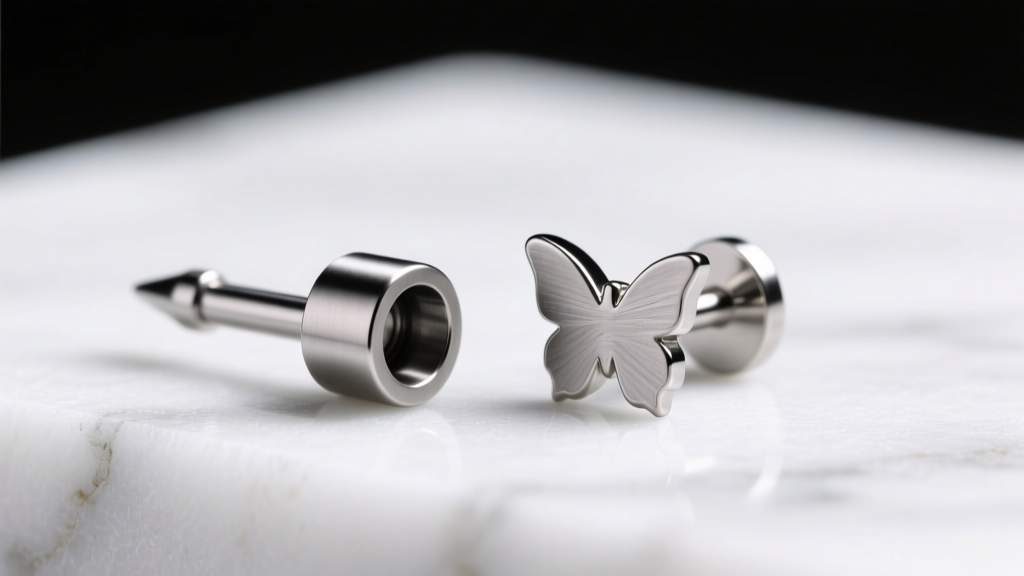
Beyond the metal itself, the physical design of the earring dictates its functional value. The vast majority of Claire's piercing earrings utilize traditional 'butterfly' or friction backs. From a clinical perspective, these are highly problematic for fresh wounds.
- Bacterial Traps: The crevices of a butterfly clutch trap dead skin cells, sebum, and moisture, creating an ideal breeding ground for bacteria and increasing infection risk.
- Swallowing and Embedding: Friction backs can easily be pushed too tight against the earlobe to secure the earring. When the ear inevitably swells post-piercing, the tight back acts as a tourniquet, causing the earring post to embed into the flesh—a painful complication requiring medical intervention.
- Gauge Discrepancies: Piercing guns typically use 20-gauge or 18-gauge posts. Professional piercers generally recommend 16-gauge or 14-gauge for lobes. Thinner 20g posts are more prone to bending and can create a 'cheese-cutter' effect if the earring is snagged, migrating through the healing tissue.
In 2026, the professional standard is the flat-back labret with a threadless or internally threaded mechanism. While some flagship Claire's stores have begun experimenting with flat-back options, the traditional butterfly clutch remains the default, severely limiting the long-term wearability and healing value of the jewelry.
The Piercing Gun Factor: How Blunt Force Affects Jewelry Value
You cannot assess the value of Claire's earrings without addressing the tool used to insert them. Piercing guns operate via blunt force trauma, essentially forcing a relatively dull earring post through the tissue like a staple gun. This causes significant cellular crushing and micro-tearing around the piercing channel.
"Piercing guns cause unnecessary tissue trauma, increase healing times, and pose severe cross-contamination risks due to the inability to properly sterilize the plastic mechanisms in an autoclave." — Association of Professional Piercers (APP)
Because the gun forces the specific earring it is loaded with into the ear, you are locked into their hardware ecosystem. The trauma caused by the gun means the ear is highly sensitive, making the subsequent removal of the butterfly back for cleaning incredibly painful and difficult for the wearer, leading to poor aftercare compliance.
2026 Cost vs. Long-Term Value Comparison
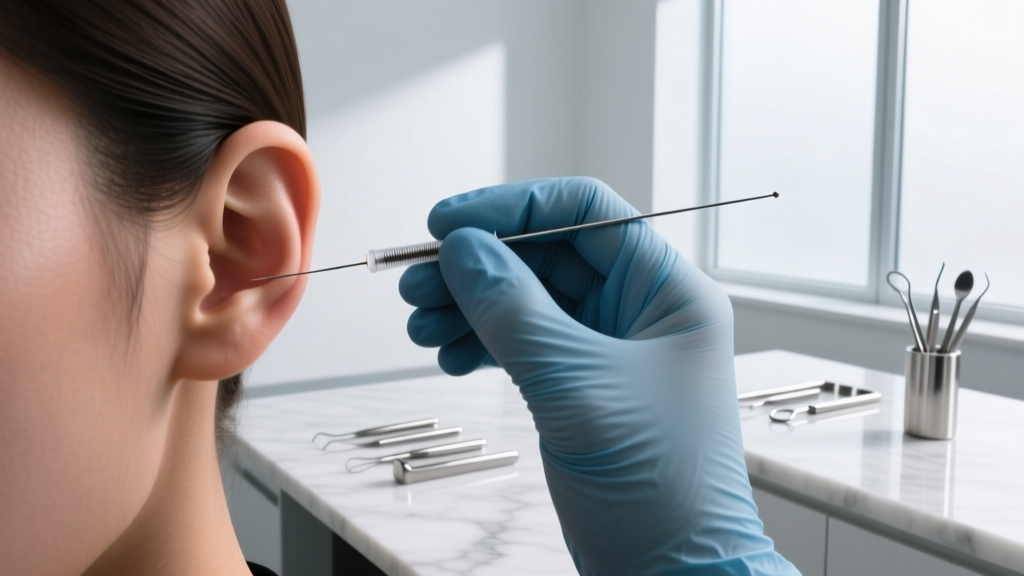
To visualize the true financial impact, we must compare the mall-kiosk route against a professional APP-certified studio. The table below outlines the expected costs, including potential remediation.
| Cost Factor | Claire's (Standard Steel Kit) | Professional Studio (Implant-Grade Ti) |
|---|---|---|
| Upfront Jewelry & Service | $30.00 | $75.00 |
| Sterile Saline Aftercare | $0.00 (Included proprietary mix) | $10.00 (Pharmacy wound wash) |
| Allergy/Infection Treatment | $45.00 (OTC hydrocortisone/antibiotics) | $0.00 (Rare with proper Ti/needle) |
| Re-piercing / Correction | $60.00 (If angle is botched) | $0.00 |
| Total 1-Year Cost | $135.00 | $85.00 |
As the data illustrates, the 'budget' option frequently becomes the more expensive route when factoring in the high probability of complications associated with nickel-bearing metals and blunt-force trauma.
Final Verdict: Who Should Choose Claire's?
Assessing Claire's ear piercing earring options requires separating the jewelry from the piercing method. If you are strictly looking to purchase a pair of inexpensive, decorative earrings for an already fully healed piercing, their seasonal and trend-driven collections offer high aesthetic value for a low price point.
However, if you are evaluating them for the initial piercing event, the value proposition is fundamentally flawed for most consumers. The risks of nickel exposure, tissue trauma from the gun, and the mechanical failures of butterfly backs outweigh the convenience and upfront savings. For a truly cost-effective, safe, and long-lasting result, investing in a single-use sterile needle and ASTM F-136 titanium jewelry at a professional studio remains the undisputed gold standard in 2026.


