Clamp Earrings Value Guide: Budget Picks & Pricing
Discover the true value of clamp earrings in 2026. We break down pricing tiers, material grades, spring mechanics, and how to avoid overpaying.

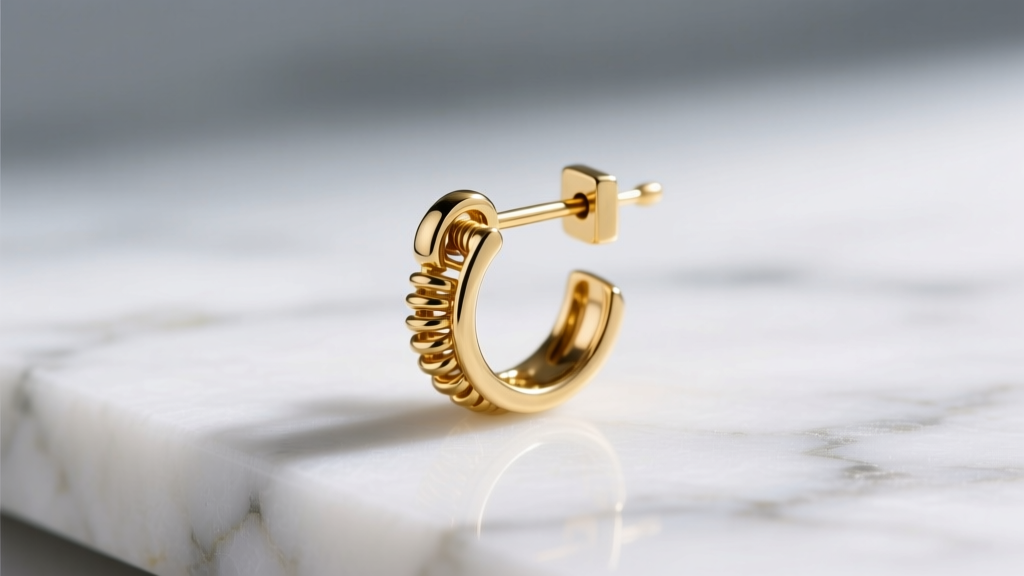
The Anatomy of a Clamp Earring: What You Are Actually Paying For
When navigating the non-pierced jewelry market, clamp earrings represent a unique intersection of mechanical engineering and aesthetic design. Unlike simple slip-on ear cuffs that rely entirely on the malleability of the metal, true clamp earrings utilize a spring-loaded hinge or a calibrated tension paddle to secure the piece to the earlobe or cartilage. In 2026, as precious metal prices continue to fluctuate, understanding the mechanical anatomy of these earrings is the first step in accurately assessing their budget and true market value.
A high-quality clamp earring consists of three critical components: the decorative face, the connecting bridge (typically stamped or cast in 18-gauge or 20-gauge thickness to balance weight and structural integrity), and the spring-hinge mechanism. When you pay a premium for designer clamp earrings, you are not just paying for the metal weight; you are paying for the micro-calibration of the spring tension. A poorly calibrated spring will either cause ischemic pain (pinching) by applying too many grams of force to the earlobe, or it will fail to grip, resulting in lost jewelry. Evaluating this mechanical precision is the cornerstone of our value assessment.
2026 Material Tiers and True Market Value
The jewelry market is currently saturated with clamp earrings ranging from $8 to over $300. To determine if a piece is a budget steal or an overpriced liability, you must decode the material composition. According to the Federal Trade Commission (FTC) Jewelry Guides, specific terminology like 'vermeil' and 'gold plated' have strict legal definitions regarding base metals and plating thickness. Here is how the current market breaks down by tier.
| Value Tier | Material Composition | Plating / Purity | Average Retail Price | Longevity & Value Rating |
|---|---|---|---|---|
| Fast Fashion | Brass or Zinc Alloy base | Flash plated (under 0.5 microns) | $8 - $25 | Poor (High tarnish/allergy risk) |
| Mid-Tier Mass Market | Stainless Steel or 925 Silver | Heavy gold electroplate (1.0 - 2.0 microns) | $35 - $85 | Moderate (Good for occasional wear) |
| Demi-Fine | 925 Sterling Silver base | Gold Vermeil (Minimum 2.5 microns) | $95 - $220 | High (Excellent long-term value) |
| Fine Jewelry | Solid 14k or 18k Gold | Solid (No plating) | $350 - $800+ | Exceptional (Heirloom durability) |
For the best balance of budget and value in 2026, the Demi-Fine tier offers the highest return on investment. You get the hypoallergenic benefits of a sterling silver base and the luxurious appearance of thick gold vermeil, without the exorbitant markup of solid gold mechanical parts, which are notoriously difficult to engineer due to gold's inherent softness.
The 'Pinch Factor': Ergonomics and Failure Modes
The most common complaint regarding budget clamp earrings is discomfort. This 'pinch factor' is a direct result of cheap manufacturing shortcuts. In low-tier earrings, the hinge spring is often made from low-grade steel that lacks memory retention. Over time, this leads to spring fatigue, where the clamp loses its tension and falls off, or worse, the hinge seizes up entirely.
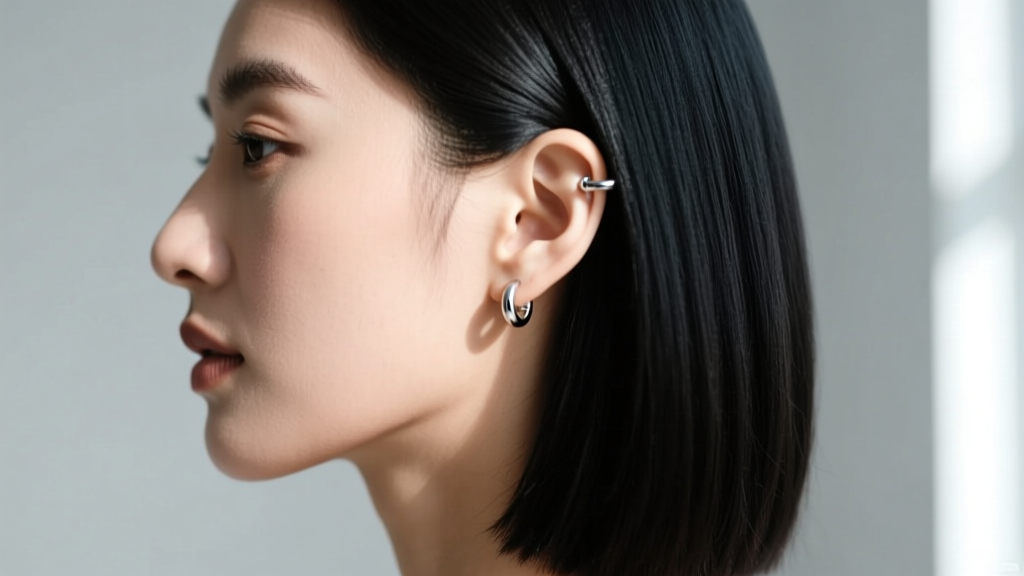
Premium brands invest in beryllium copper or specialized stainless steel alloys for the internal spring mechanism. These materials can withstand tens of thousands of compression cycles without losing their calibrated tension. When assessing value in a physical store, perform the 'flick test': gently open and release the clamp paddle. It should snap shut with a crisp, dampened sound, not a hollow, metallic clatter. If the mechanism feels gritty or requires excessive force to open, the internal tolerances are poorly machined, and the piece is not worth your budget, regardless of how attractive the exterior design may be.
Skin Sensitivities and Hidden Costs
A hidden cost of buying budget clamp earrings is the potential for allergic contact dermatitis. Because the clamp mechanism requires a strong, flexible spring, manufacturers often use nickel-containing alloys for the internal hinge, even if the exterior of the earring is heavily plated in gold or rhodium.
"Nickel allergy is a common cause of allergic contact dermatitis, often triggered by jewelry that rests against the skin for prolonged periods. Even trace amounts of nickel leaching from internal mechanical parts can cause severe localized reactions."
— Adapted from Mayo Clinic's dermatology resources
To avoid this hidden medical and financial cost, always verify that the brand explicitly guarantees a 100% nickel-free internal mechanism. Demi-fine and fine jewelry brands typically use surgical-grade stainless steel (316L) or titanium for the spring components to ensure hypoallergenic integrity. If a brand cannot confirm the material of the internal spring, walk away. The budget savings are entirely negated by the cost of allergy treatments and unwearable jewelry.
How to Evaluate Value: A Buyer's Checklist
Whether you are shopping online or inspecting vintage clamp earrings at an estate sale, use this actionable checklist to determine if the asking price aligns with the actual value of the piece:
- Check the Stamp: Look for '925' on the interior of the clamp arm. If it is plated, ensure the brand certifies a minimum of 2.5 microns of gold thickness.
- Inspect the Paddle Back: The part that touches the back of your earlobe should be slightly contoured or padded. Flat, sharp-edged metal paddles will cause pressure necrosis on the earlobe during extended wear.
- Test the Bridge Gauge: The metal connecting the front design to the back clamp should be at least 18-gauge (1.0mm). Thinner wires (22-gauge or higher) will easily bend out of shape when you adjust the tension, ruining the earring's structural value.
- Verify the Hinge Screws: High-end clamp earrings use micro-screws to secure the hinge pin, allowing a jeweler to service or tighten the mechanism. Cheap versions use friction pins that cannot be repaired once they loosen.
Maintenance: Protecting Your Investment
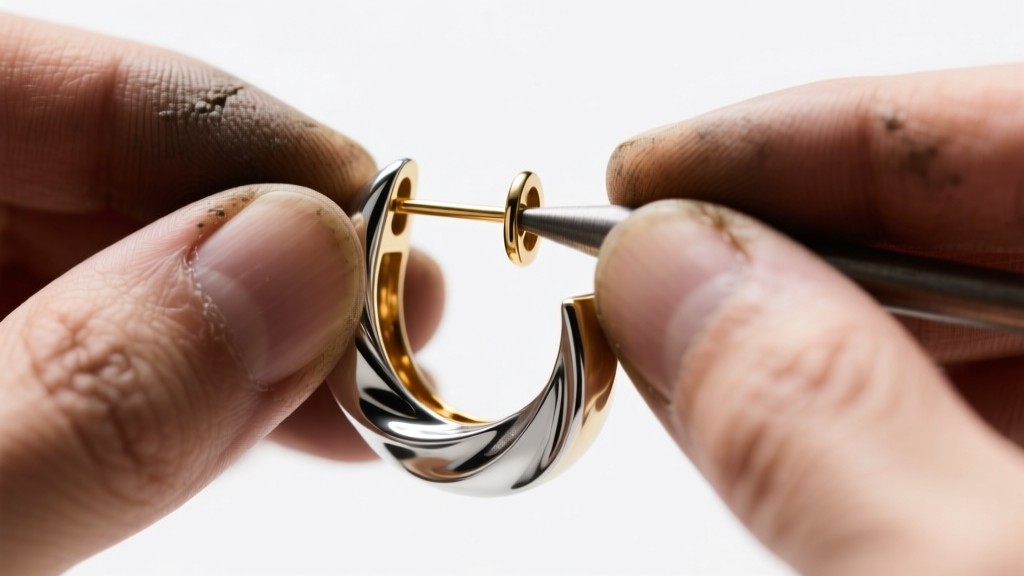
Even the most valuable clamp earrings require specific maintenance to preserve their mechanical and aesthetic worth. Never use standard metal pliers to adjust the tension of a clamp earring; the steel teeth will permanently mar the gold vermeil or rhodium finish. Instead, invest in a pair of nylon-jaw pliers (usually under $10 at any jewelry supply store). If the clamp feels too tight, gently squeeze the bridge connecting the front and back. If it feels too loose, carefully apply outward pressure to the tension arm. Proper mechanical maintenance ensures that a $120 pair of demi-fine clamp earrings will outlast a $15 pair of fast-fashion alternatives by a decade, cementing their status as a superior budget choice.
Final Verdict: Are Premium Clamp Earrings Worth It?
In the current jewelry landscape, clamp earrings are absolutely worth the investment, provided you target the correct market tier. Fast fashion options represent a false economy, plagued by spring fatigue, nickel exposure, and rapid plating degradation. By allocating a budget of $80 to $200 toward demi-fine pieces featuring 925 sterling silver bases, thick vermeil plating, and precision-engineered beryllium copper springs, you secure a non-pierced jewelry solution that is both ergonomically sound and financially prudent. Value in jewelry is not just about the lowest upfront cost; it is about the cost-per-wear over the lifetime of a meticulously crafted mechanical accessory.


