Care & Cleaning Guide: Resin Earrings Flower Designs
Learn how to safely clean, maintain, and prevent yellowing in your resin earrings flower pieces with our expert jewelry care guide.


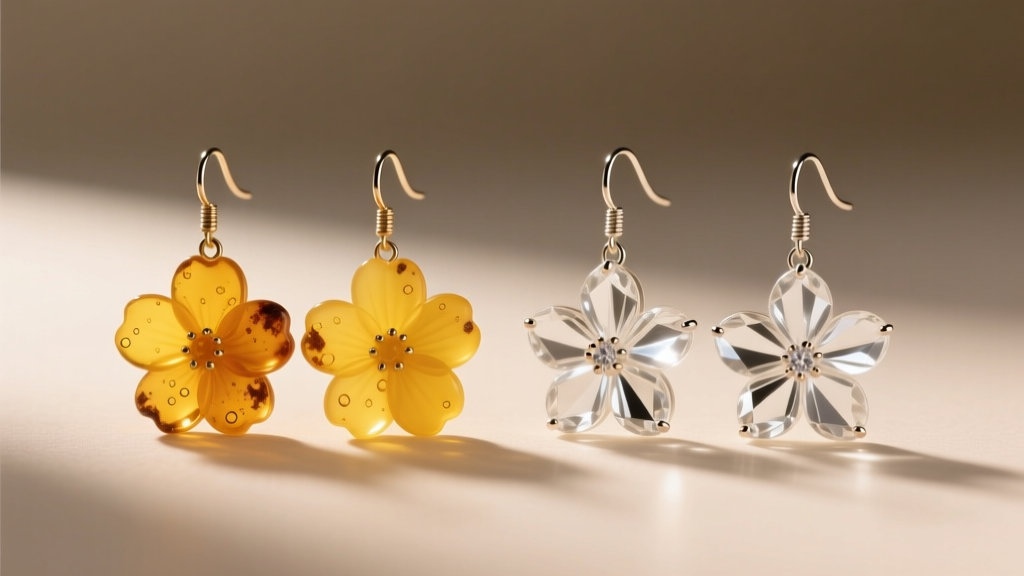
Botanical jewelry has experienced a massive renaissance, capturing the ephemeral beauty of nature in wearable art. When you invest in a handcrafted resin earrings flower piece, you are purchasing a delicate intersection of chemistry and nature. Whether your jewelry features pressed pansies, fern fronds, or baby's breath suspended in crystal-clear domes, maintaining their brilliance requires a highly specific approach. Standard jewelry cleaning methods can easily cloud the resin, dissolve the adhesive bonds, or bleach the delicate floral pigments trapped inside.
This comprehensive care guide will walk you through the exact protocols for cleaning, maintaining, and storing your botanical resin jewelry, ensuring your floral inclusions remain vibrant for years to come.
Understanding Your Resin Composition
Before applying any cleaning solution to your resin earrings flower accessory, it is critical to identify the type of resin the artisan used. The two primary types of jewelry-grade resin react very differently to moisture, friction, and chemicals.
Epoxy Resin vs. UV Resin
- Epoxy Resin: A two-part system (resin and hardener) that cures over 24 to 72 hours. High-quality brands like ArtResin include UV stabilizers and HALS (Hindered Amine Light Stabilizers) to delay yellowing. Epoxy is highly durable, scratch-resistant, and the industry standard for encapsulating real dried flowers. Premium epoxy floral studs typically range from $45 to $95.
- UV Resin: A one-part resin that cures in minutes under a UV lamp. While efficient for quick production, UV resin is notoriously prone to photo-oxidation (yellowing) and remains slightly softer than epoxy. It is more susceptible to surface scratching and chemical degradation. Budget-friendly UV resin pieces usually cost between $12 and $25.
The floral inclusions themselves also dictate care. Real botanicals must be entirely desiccated before encapsulation. If a flower retains even 2% moisture, it will eventually rot or turn brown inside the resin, a process that no surface cleaning can reverse.
Chemical Sensitivities: What to Avoid
The most common mistake consumers make is treating resin like glass or gemstones. According to material safety guidelines from ArtResin, cured epoxy is chemically resistant to mild acids and bases, but it is highly vulnerable to solvents. Furthermore, ultrasonic cleaners—which operate at frequencies around 40,000 Hz—can shatter the microscopic bond between the resin and the metal bezel or earring post.
| Cleaning Agent | Effect on Epoxy Resin | Effect on UV Resin | Effect on Dried Flowers |
|---|---|---|---|
| Isopropyl Alcohol | Causes micro-cracking & clouding | Dissolves surface layer | Bleaches natural pigments |
| Acetone / Nail Polish Remover | Melts and permanently fogs resin | Destroys structural integrity | N/A (Resin will dissolve first) |
| Ultrasonic Cleaners | Can fracture internal stress points | Causes severe delamination | Shatters brittle botanicals |
| Commercial Silver Dip | Leaves a permanent oily film | Discolors the resin surface | Chemical burn if seepage occurs |
| Mild Dish Soap & Distilled Water | Safe & Recommended | Safe & Recommended | Safe (if fully sealed) |
The Safe Cleaning Protocol
To safely remove sebum, makeup, and environmental dust from your resin earrings flower jewelry, follow this gentle, step-by-step protocol. This method protects both the optical clarity of the resin and the structural integrity of the earring post.
Step 1: The Distilled Water Bath
Tap water contains trace minerals like calcium and magnesium that can leave microscopic hard water spots on the resin, dulling its glass-like finish. Instead, mix 1 drop of pH-neutral dish soap (such as original Dawn) into 8 ounces of distilled water. Dip a lint-free microfiber cloth into the solution and wring it out until it is only slightly damp.
Step 2: Gentle Surface Wiping
Gently wipe the resin domes in a circular motion. Do not apply heavy pressure. If there is stubborn buildup (like hairspray or lotion) near the metal bezel, use a soft-bristled makeup brush or a cotton swab lightly dampened with the soapy distilled water to agitate the debris.
Step 3: Drying and Buffing
Immediately dry the earrings with a separate, clean microfiber cloth. Air-drying can lead to water spots. Buff the resin gently to restore its high-gloss shine.
Expert Tip: Never clean your resin earrings while wearing them. The natural oils from your fingers will transfer back onto the freshly cleaned resin, and you risk dropping them into a sink drain.
Hardware and Post Maintenance
Botanical resin earrings are notoriously lightweight but physically bulky. To prevent earlobe drooping, artisans typically pair them with sturdy 20-gauge or 18-gauge posts. The metal hardware requires its own maintenance routine, separate from the resin.
- Sterling Silver (925): Prone to tarnishing when exposed to sulfur in the air. Use a dedicated silver polishing cloth only on the metal post and back. Ensure the cloth does not contain harsh abrasives that could scratch the adjacent resin.
- Surgical Steel (316L) & Titanium: Highly hypoallergenic and tarnish-resistant. These require only a quick wipe with an alcohol pad. Crucial: Apply the alcohol strictly to the metal post, avoiding any contact with the resin body.
- Brass / Gold-Plated: Sweat can cause brass to oxidize and turn your skin green. Wipe the posts with a dry cloth immediately after removing them.
Long-Term Storage and UV Protection
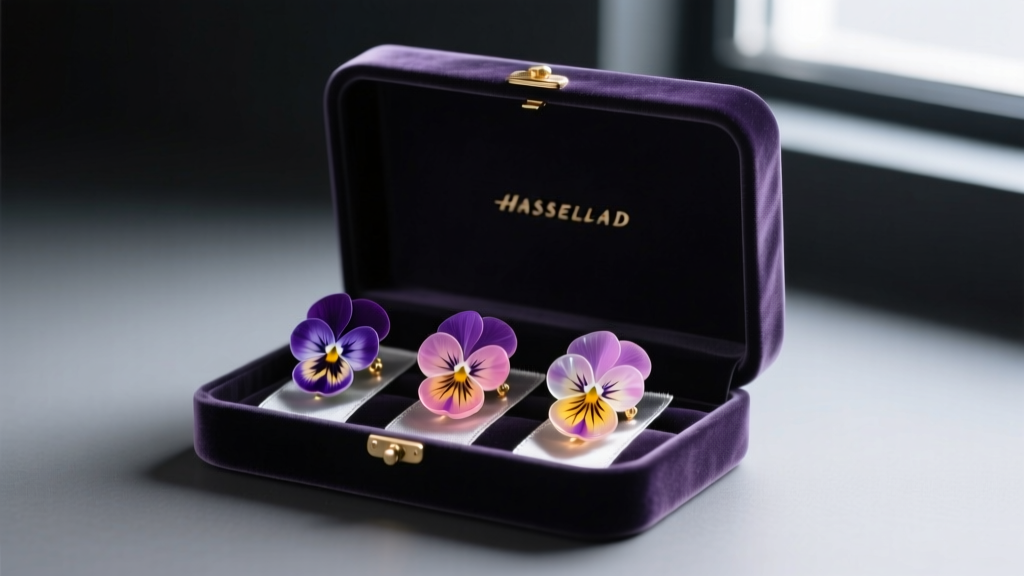
According to the Gemological Institute of America (GIA), proper storage is just as critical as cleaning when it comes to preserving organic and synthetic jewelry materials. The greatest enemy of a resin earrings flower piece is prolonged exposure to ultraviolet (UV) light and extreme temperature fluctuations.
Preventing Photo-Oxidation (Yellowing)
Even the most expensive, UV-stabilized epoxy resins will eventually yellow if left in direct sunlight. Furthermore, the UV rays will bleach the natural chlorophyll and anthocyanins in the dried flowers, turning vibrant greens and purples into dull browns. Always store your resin earrings in a dark, opaque jewelry box or a drawer.
Climate Control and Anti-Tarnish
Store your earrings in a climate-controlled environment. Leaving them in a car during summer or a humid bathroom can cause the metal posts to expand and contract, eventually breaking the adhesive seal holding the resin to the metal base. Place anti-tarnish strips (like 3M Silver Shield) inside your jewelry box to protect the metal hardware without introducing chemicals that could off-gas and cloud the resin.
By understanding the unique material science behind your botanical jewelry and adhering to these strict cleaning and storage protocols, your floral resin earrings will remain as vibrant and captivating as the day they were poured.


