How to Authenticate & Restore Donald Stannard Earrings
Learn how to authenticate, clean, and restore vintage Donald Stannard earrings with our expert step-by-step guide for mid-century collectors.

The Allure of Mid-Century Donald Stannard Earrings
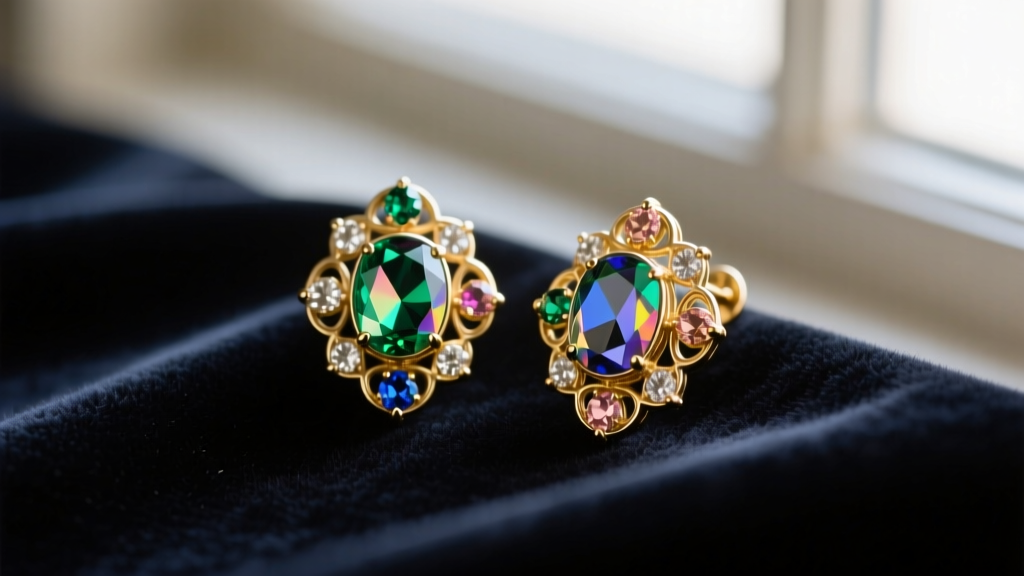
In the competitive landscape of 2026 vintage jewelry collecting, mid-century costume pieces continue to appreciate in value, with Donald Stannard earrings standing out as highly coveted artifacts of 1950s and 1960s glamour. Stannard was a master of architectural, bold designs, frequently utilizing heavy sand-cast brass, intricate prong settings, and brilliant-cut glass rhinestones. Unlike the flimsy, mass-produced stamped metal earrings of the late 20th century, Stannard’s pieces possess a substantial weight and a distinct three-dimensional quality. However, because these pieces are now over half a century old, collectors frequently encounter them in need of authentication, deep cleaning, or structural restoration. This comprehensive, step-by-step guide will walk you through the exact methodologies used by professional horologists and jewelers to authenticate, clean, and restore vintage Donald Stannard earrings without compromising their historical integrity or market value.
Step 1: Authenticating the Hallmarks and Signatures
The first step in evaluating any piece of vintage costume jewelry is locating and deciphering the maker's mark. Donald Stannard’s signatures evolved throughout his career, and knowing what to look for under a jeweler's loupe is critical for separating genuine articles from later reproductions or misattributed pieces.
Known Stannard Maker's Marks
- The Script Signature: The most common and highly sought-after mark is "Donald Stannard" stamped in a flowing, cursive script. This is typically found on the reverse of the earring's main body or along the flat pad of an omega clip.
- The Block Letters: Earlier or more architectural pieces may feature "D. STANNARD" in a clean, sans-serif block font.
- The Unmarked Attributions: It is well-documented in the Collectors Weekly Costume Jewelry Guide that some Stannard pieces were produced for high-end department stores and left unmarked. Authentication of these relies on identifying his signature heavy cast-brass backs and specific multi-prong stone settings.
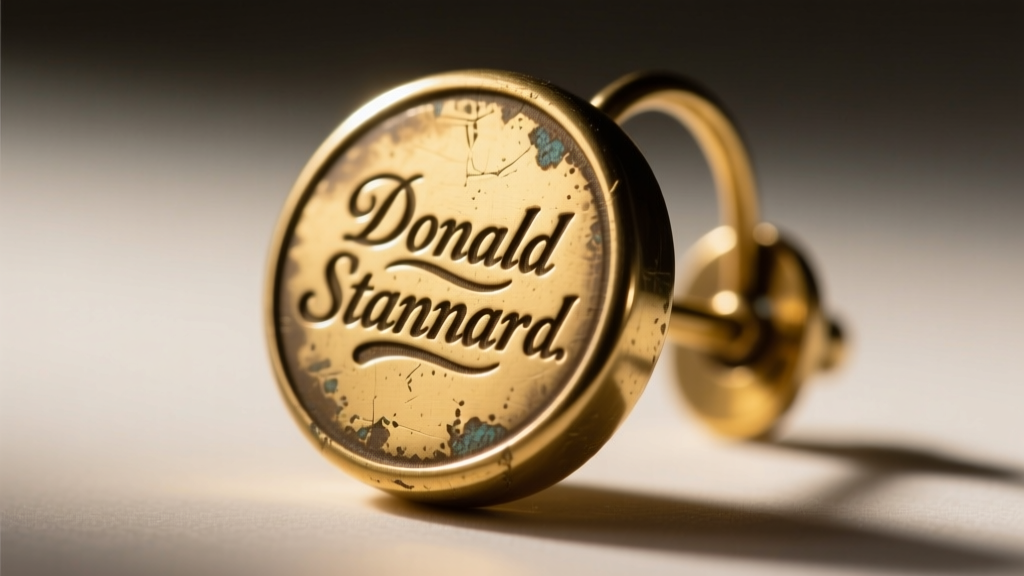
When examining the hallmark, use a 10x or 20x triplet loupe. Genuine mid-century stampings will show slight softening at the edges of the letters due to the wear of the brass dies, whereas modern laser-etched fakes will appear unnaturally sharp and perfectly uniform.
Step 2: Evaluating Materials and Construction
Understanding the specific materials Stannard utilized is essential for both authentication and determining the correct restoration approach. According to the Antique Jewelry University at Lang Antiques, mid-century costume jewelers relied on specific base metals and plating techniques that react poorly to modern chemical cleaners.
| Material Component | Stannard Specification (1950s-60s) | Restoration Consideration |
|---|---|---|
| Base Metal | Sand-cast brass or white metal (pot metal) | Prone to pitting if plating is compromised; requires gentle polishing. |
| Plating | Heavy gold-tone (often 14k or 18k wash) or Rhodium | Abrasive polishes will strip the thin precious metal wash entirely. |
| Rhinestones | Lead glass with silver-nitrate foil backing | Moisture causes the foil to oxidize and turn black ("dead stones"). |
| Findings/Backs | Heavy cast omega clips or screw-backs | Tension springs often fail; tension screws may strip over time. |
Stannard was an early adopter of the Aurora Borealis (AB) finish, introduced by Swarovski in collaboration with Christian Dior in 1955. If you are examining a pair of Stannard earrings featuring AB stones, the presence of this specific iridescent coating helps date the piece to the late 1950s or early 1960s, as earlier 1950s pieces will feature standard clear or colored foil-backed stones.
Step 3: The Safe Cleaning Protocol for Foiled Rhinestones
The most catastrophic mistake a novice collector can make is placing vintage Stannard earrings into an ultrasonic cleaner or using ammonia-based jewelry dips. Ultrasonic cavitation will literally shake the delicate silver-nitrate foil backing off the glass stones, while ammonia will instantly chemically burn the foil, turning your brilliant rhinestones into dull, gray, "dead" stones. Here is the professional step-by-step cleaning protocol:
- Dry Dusting: Use a clean, dry, soft-bristled makeup brush to gently sweep away loose dust and skin oils from the prongs and stone tables.
- Targeted Solvent Application: Dip a cotton swab in isopropyl alcohol (90% or higher). Squeeze out the excess so the swab is only damp, not dripping. Gently rub the metal framework, avoiding direct contact with the stone settings to prevent liquid from seeping under the prongs.
- Stone Polishing: Use a dry, lint-free microfiber cloth to gently buff the surface of the rhinestones. If a stone is particularly cloudy due to hairspray or lotion buildup, breathe gently on the stone to create a tiny amount of condensation and immediately buff it dry.
- Crevice Detailing: For stubborn grime in the metal filigree, use a wooden toothpick or a dry interdental brush to carefully dislodge debris without scratching the gold-tone plating.
Step 4: Restoring and Converting Clip-Ons to Pierced Posts
Because pierced earrings fell out of mainstream fashion in the 1930s and didn't see a massive resurgence until the late 1960s, the vast majority of vintage Donald Stannard earrings on the market today are clip-ons (specifically omega clips or screw-backs). In 2026, many collectors prefer to convert these heavy vintage pieces into pierced earrings for daily wear. However, this requires careful engineering.
The Danger of Soldering
Never use a soldering torch to attach a new post to a vintage Stannard earring. The intense heat will transfer through the brass casting and instantly melt the glue holding the rhinestones in place, while also destroying the foil backing. Instead, you must use a mechanical or adhesive approach.
Step-by-Step Post Conversion
- Removal: Use a pair of flush-cutting jeweler's snips to cut the clip-on mechanism as close to the base as possible. Do not pry it off, as this will warp the brass backplate.
- Filing: Use a fine-grit needle file to smooth the remaining brass nub until it is completely flush with the earring back.
- Post Selection: Stannard earrings are notoriously heavy. A standard 20-gauge pierced post will bend under the weight of a heavy cast-brass omega earring. You must source 18-gauge or 16-gauge flat-pad stainless steel or titanium posts to provide adequate structural support.
- Adhesive Application: Clean both the flattened earring back and the flat pad of the new post with isopropyl alcohol. Apply a micro-drop of two-part jeweler's epoxy (such as G-S Hypo Cement or a specialized structural epoxy). Avoid cyanoacrylate (Super Glue), as it dries brittle and will shatter under the shear stress of a heavy earring.
- Curing: Clamp the post in a specialized jewelry curing block or use a piece of sticky tack to hold it perfectly perpendicular while the epoxy cures for a full 24 hours.
Sourcing Replacement Stones and Professional Help
If your Stannard earrings are missing stones, do not attempt to replace them with modern acrylic or resin rhinestones; the difference in refraction will be immediately obvious and will devalue the piece. You must source vintage-style foiled glass stones. Suppliers like Fire Mountain Gems offer glass rhinestones in standard mid-century sizes (such as SS20 for 4.5mm stones and SS34 for 7mm stones). When setting a replacement stone, use a beeswax-tipped tweezers to place a tiny drop of E6000 adhesive into the empty prong cup, drop the stone in, and gently push the brass prongs over the stone's girdle using a bezel pusher. If you are uncomfortable performing these structural restorations, seek out a professional jeweler who specifically advertises "vintage costume jewelry repair," as standard bench jewelers accustomed to working with platinum and diamonds often lack the specific chemical knowledge required to handle fragile mid-century foiled glass and base metals safely.