Beyond the Definition of Earrings: Advanced Cleaning and Care Guide
Discover how the modern definition of earrings dictates advanced care. Expert cleaning tips for titanium, gold, and organic cartilage jewelry.
The Evolving Definition of Earrings and Why Care Matters
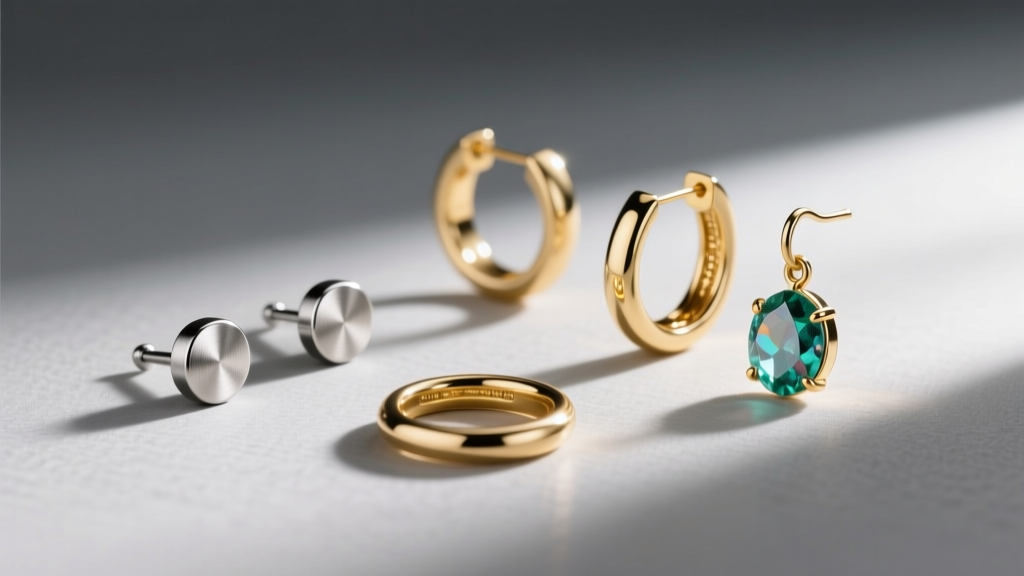
If you look up the traditional definition of earrings in a vintage dictionary, you will likely find a simplistic description: an ornament worn on the earlobe. However, in modern jewelry and body modification culture, that definition has expanded drastically. Today, earrings encompass 16-gauge titanium helix hoops, threadless conch labrets, 14k gold tragus chains, and carved organic ear weights. This evolution in anatomy and material science means that a one-size-fits-all approach to cleaning is no longer sufficient—and can actually destroy complex pieces.
Proper maintenance requires understanding the metallurgy of your jewelry, the biomechanics of your specific piercings, and the chemical interactions between your skin's sebum and the metals or gems you wear. According to the Association of Professional Piercers (APP), improper cleaning routines are a leading cause of contact dermatitis and localized infections, often mistaken for allergic reactions. This guide breaks down the exact protocols required to maintain the modern spectrum of ear jewelry.
Material-Specific Cleaning Protocols
The core of jewelry maintenance hinges on material porosity and reactivity. What safely cleans a solid gold lobe stud will irreparably damage a carved wooden cartilage plug.
Implant-Grade Titanium (ASTM F136) & Niobium
Titanium and niobium are the gold standards for cartilage and fresh piercings due to their biocompatibility and lack of nickel. These metals are highly resistant to corrosion and can withstand rigorous cleaning methods.
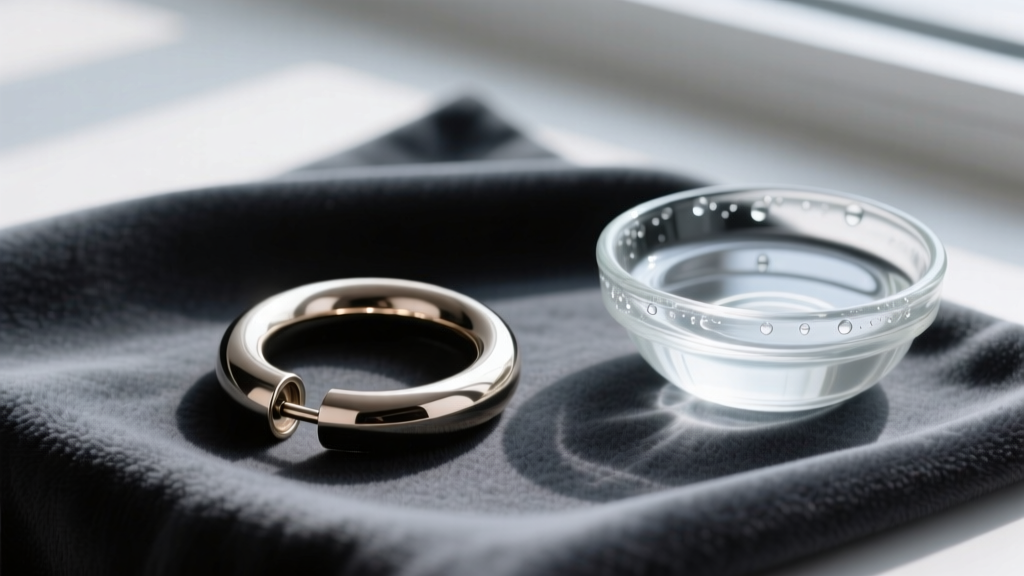
- Daily Maintenance: Wipe down with a lint-free microfiber cloth to remove fingerprint oils and environmental dust.
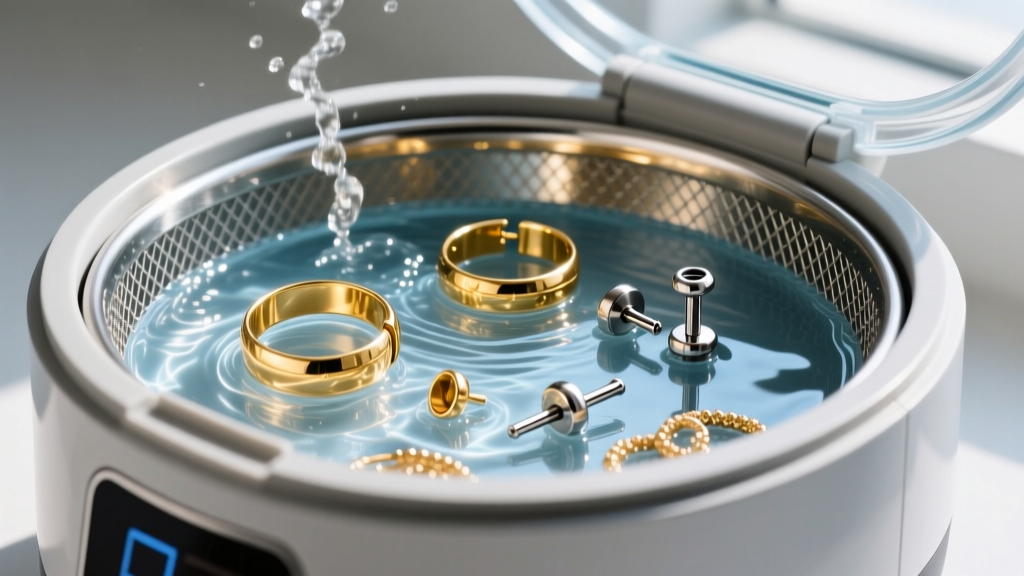
- Deep Cleaning: Submerge in an ultrasonic jewelry cleaner with warm water and a drop of mild, fragrance-free dish soap for 3-5 minutes. The high-frequency cavitation bubbles will safely dislodge dead skin cells trapped in internal threads or threadless pin grooves.
- Chemical Warnings: While titanium is virtually indestructible, harsh chemicals like bleach can dull the anodized colors (the vibrant hues created via electrolysis on the metal's surface).
Precious Metals: 14k and 18k Gold
Gold alloys used in body jewelry contain secondary metals like silver, copper, and zinc to increase durability. Lower karat gold (10k or 14k) contains more copper, making it susceptible to tarnishing when exposed to sulfur and sweat.
- Deep Cleaning: Use a soft-bristled baby toothbrush with warm water and a few drops of mild castile soap (such as Dr. Bronner's Unscented). Gently brush the gemstone settings and the post.
- Polishing: Use a specialized jeweler's polishing cloth infused with rouge to restore the luster of the gold alloy. Never use liquid dip cleaners, as they can strip the alloyed metals and leave the surface porous.
Porous Organics: Wood, Bone, and Horn
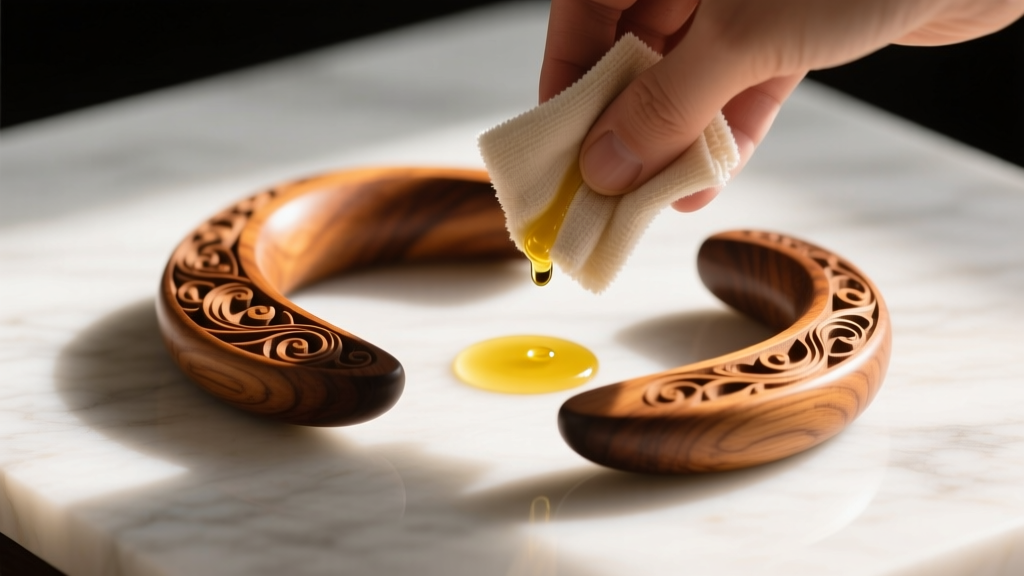
Organic materials are frequently used in stretched lobes (gauges 00g and above) or as decorative tops for cartilage pieces. Because they are porous, they can harbor bacteria and will crack or warp if exposed to excessive moisture.
- The Golden Rule: Never submerge organics in water, and never put them in an ultrasonic cleaner.
- Conditioning: Wipe the surface with a slightly damp cloth to remove debris, then immediately dry. Once a month, massage a thin layer of pure jojoba oil or vitamin E oil into the material to prevent drying and cracking.
The Threadless and Internally Threaded Factor
The mechanical design of modern earrings introduces hidden areas where sebum, dead skin cells, and cosmetic products accumulate. This mixture, colloquially known as "ear cheese," is a combination of keratin, fatty acids, and bacteria that produces a distinct odor and can degrade jewelry components over time.
Internally Threaded Jewelry: The threads are located inside the hollow post. Sebum easily packs into these grooves. To clean, unscrew the decorative end and use a soft interdental brush dipped in a 0.9% sterile saline solution to scrub the internal threading.
Threadless (Push-Pin) Jewelry: These rely on tension. The solid pin bends slightly to lock into the hollow shaft. Over time, the bent area of the pin traps microscopic debris. Wipe the pin with an alcohol prep pad before reinserting it into the shaft to ensure a sanitary seal and maintain the tension lock.
Troubleshooting Common Earring Care Failures
Even with meticulous care, environmental factors and body chemistry can cause issues. Use this diagnostic table to identify and resolve common maintenance failures.
| Symptom | Root Cause | Corrective Action |
|---|---|---|
| Foul odor upon removal | Sebum and keratin buildup in the fistula (piercing channel) or on the jewelry post. | Wash the earlobe with a gentle glycerin-based soap. Deep clean the jewelry post with an enzymatic cleaner or warm castile soap. |
| Cloudy or dull gemstones | Lotions, hairspray, and skin oils coating the pavilion (underside) of the gem. | Soak solid metal/gem pieces in warm water with a drop of dish soap. Use a soft brush on the underside of the stone. (Do not use on opals or pearls). |
| Green or gray skin staining | Copper oxidation in lower-karat gold alloys or brass/copper base metals reacting with sweat. | Upgrade to ASTM F136 titanium, niobium, or high-quality 18k gold. Clean the affected skin with rubbing alcohol. |
| Snagging or hair catching | Burrs on the metal from impact, or worn-out O-rings on captive bead rings (CBRs). | Inspect under a jeweler's loupe. Replace O-rings. If the metal is burred, take it to a professional piercer for a polish or replace the piece. |
Gemstone and Pearl Vulnerabilities
When the definition of earrings expands to include high-end curated ear projects, gemstone care becomes paramount. The Gemological Institute of America (GIA) emphasizes that organic gems require entirely different care than crystalline ones.
Diamonds, Sapphires, and Rubies: These rank high on the Mohs hardness scale (8-10) and are generally safe for ultrasonic cleaners, provided they do not have significant internal inclusions or fracture fillings.
Opals, Pearls, and Emeralds: These are highly sensitive. Opals contain up to 20% water; ultrasonic vibrations and heat can cause them to craze (crack). Pearls are organic and will dissolve or lose their nacre luster if exposed to acids, alcohols, or harsh detergents. Emeralds are almost always oil-treated; ultrasonic cleaners will strip the oil, revealing heavy internal fracturing. Clean these exclusively with a damp, soft microfiber cloth.
Storage and Environmental Degradation
How you store your earrings when they are not in your ears is just as critical as how you clean them. Improper storage leads to micro-scratches, oxidation, and lost components.
- Individual Containment: Store every piece in its own soft poly bag or a fabric-lined jewelry box with individual compartments. Diamond and sapphire earrings can easily scratch 14k gold or titanium pieces if they are tossed together in a drawer.
- Anti-Tarnish Strips: For silver or lower-karat gold pieces, place a 3M anti-tarnish strip in the storage container. These strips absorb sulfur compounds and hydrogen sulfide from the ambient air, preventing the chemical reaction that causes black tarnish.
- Humidity Control: Keep your jewelry out of the bathroom. The high humidity and temperature fluctuations from showers accelerate the oxidation of alloyed metals and can degrade the adhesives used in certain gemstone settings.
When to Seek Professional Maintenance
While at-home care handles 90% of maintenance, certain tasks require professional tools. If you wear complex pieces like chain-linked tragus earrings, dermal anchors, or intricate ear cuffs, schedule an annual check-up with a reputable piercer. They can use professional steam cleaners to blast away microscopic debris from intricate settings, check the structural integrity of soldered chain links, and use a jeweler's press to tighten loose gemstone prongs without damaging the metal. By respecting the modern complexity of ear jewelry, you ensure your collection remains safe, hygienic, and brilliantly radiant for decades.


