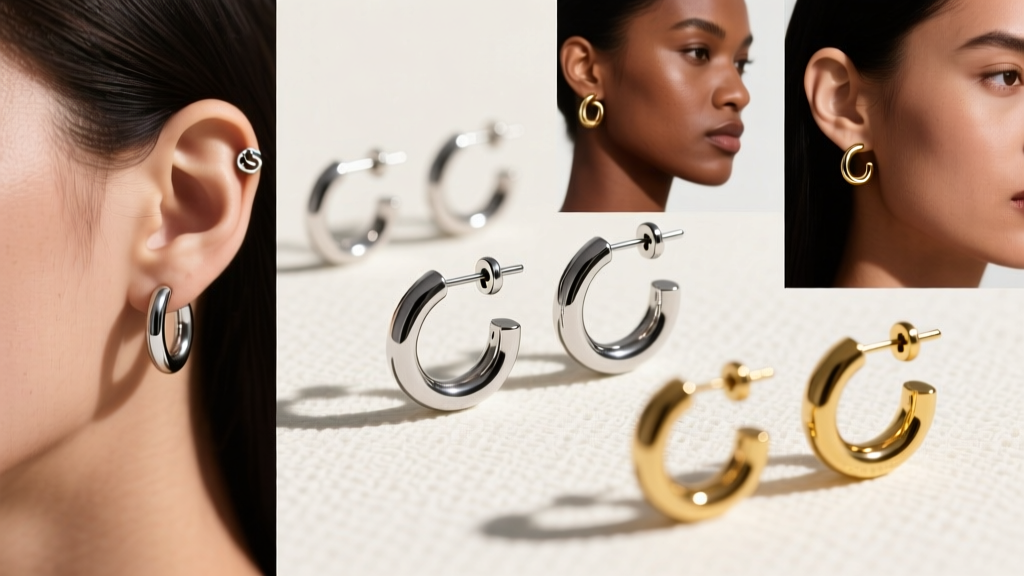
Earring Piercings for Men: 2026 Cost & Value Guide
Discover the true cost of earring piercings for men in 2026. Compare studio fees, titanium vs. gold jewelry prices, and hidden budget traps.

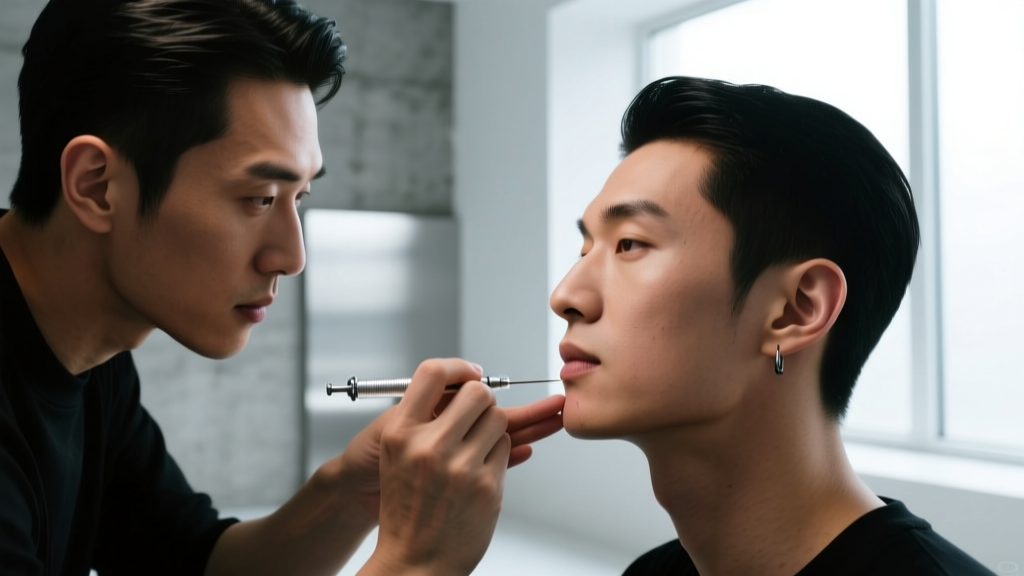
The Real Cost of Earring Piercings for Men in 2026
The landscape of men's ear jewelry has fundamentally shifted. Gone are the days when a single, poorly placed lobe piercing done with a spring-loaded gun at a mall kiosk was the default. Today, men are investing in curated ear projects, stacked lobes, helix placements, and industrial bars. However, as the complexity and popularity of these modifications grow, so does the confusion around pricing. If you are researching earring piercings for men, you have likely noticed a massive gap between a $20 mall special and a $250 studio experience.
This guide provides a comprehensive budget and value assessment for men's ear piercings in 2026. We will break down studio service fees, evaluate the long-term ROI of premium materials like ASTM F-136 titanium and 14k solid gold, and expose the hidden financial traps of cheap body jewelry.
Price Breakdown: Studio Fees vs. Jewelry Costs
A common misconception is that the piercing fee includes the jewelry. In reputable, professional studios, these are line-itemed separately. The service fee covers the piercer’s expertise, the sterilization protocols, the single-use needles, and the aftercare saline. The jewelry is priced based on material, brand, and gemstone quality.
| Piercing Type | Standard Gauge | Avg. Studio Fee | Titanium Jewelry | 14k Gold Jewelry | Total Est. Value |
|---|---|---|---|---|---|
| Standard Lobe | 14g or 12g | $40 - $60 | $30 - $45 | $85 - $150 | $70 - $210 |
| Helix (Cartilage) | 16g or 14g | $50 - $80 | $35 - $55 | $90 - $180 | $85 - $260 |
| Tragus | 16g | $50 - $80 | $35 - $50 | $95 - $160 | $85 - $240 |
| Conch | 14g or 12g | $60 - $90 | $40 - $65 | $110 - $250 | $100 - $340 |
Note: Prices reflect 2026 averages for APP-certified studios in major metropolitan areas. Rural or secondary markets may see a 15-20% reduction in service fees.
Material Value Assessment: What You Should Actually Pay For
When budgeting for earring piercings for men, the material of the initial jewelry is the single most critical factor in your healing outcome. Spending $40 on a premium titanium piece is infinitely cheaper than spending $400 on dermatologist visits to treat a severe allergic reaction.
Implant-Grade Titanium (The Baseline Standard)
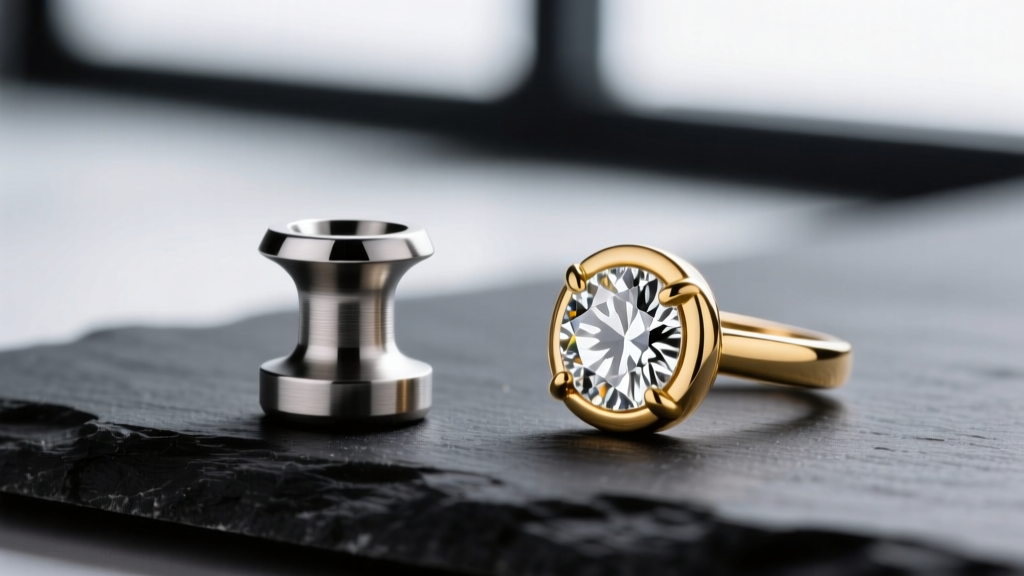
If you are on a strict budget, your baseline must be ASTM F-136 implant-grade titanium. This specific alloy is completely nickel-free and is the exact same metal used in orthopedic joint replacements. According to the Association of Professional Piercers (APP), this material is the gold standard for fresh piercings because its mirror-polished surface prevents bacteria from adhering to the post. Expect to pay $30 to $60 for high-quality titanium flat-back labrets from brands like NeoMetal or Industrial Strength.
Solid Gold (The Investment Tier)
For men seeking a luxury aesthetic right out of the gate, 14k or 18k solid gold is an excellent choice, provided it is nickel-free and alloyed for biocompatibility. Brands like BVLA or Maria Tash craft pieces that retain their value and can be worn for decades. The ROI on solid gold is high because you will never need to replace it due to tarnishing or skin irritation. However, budget $100 to $250+ per piece.
Surgical Steel (The Budget Trap)
'Surgical steel' is a largely unregulated marketing term. Many cheap alloys labeled as surgical steel contain up to 10% nickel. The Mayo Clinic notes that nickel allergy is one of the most common causes of allergic contact dermatitis. Saving $20 on a steel earring often results in itchy, weeping, and swollen fistulas, completely negating any initial financial benefit.
The Mechanics of Value: Threading and Post Anatomy
Value isn't just about the metal; it is about the engineering of the jewelry. When shopping for men's earrings, particularly for cartilage and lobes, you must understand threading and post styles.
- Threadless (Push-Pin) vs. Internally Threaded: High-value jewelry uses threadless tension pins or internal threading. Externally threaded jewelry (where the screw is on the post) acts like a cheese grater, tearing the delicate healing tissue every time it is inserted. Never buy externally threaded jewelry.
- Flat-Back Labrets vs. Butterfly Backs: Traditional butterfly backs trap dead skin, sebum, and shampoo, leading to foul odors and localized infections. Furthermore, the tight backing can cause the 'cheese-cutter effect,' where the thin wire migrates through the lobe. A flat-back labet (typically in 1/4' or 5/16' post lengths for initial swelling) distributes pressure evenly and is the only anatomically correct choice for long-term lobe health.
The Hidden Costs of Cheap Piercings
To truly assess your budget, you must factor in the potential liabilities of taking the cheap route. Piercing guns, often found in jewelry chains and mall kiosks, use blunt-force trauma to shove a dull stud through the tissue. This causes massive tissue damage, especially in cartilage.
'Piercing guns cannot be sterilized in an autoclave. They are wiped down with quaternary ammonium compounds, which does not eliminate bloodborne pathogens. The hidden cost of a gun piercing can be a severe staph infection or cartilage necrosis.' — Professional Piercing Safety Guidelines
If you opt for a $25 mall piercing, consider the potential hidden costs:
- Urgent Care / Antibiotics: $150 - $300 for an infected cartilage blowout.
- Hypertrophic Scarring Treatment: Months of buying specialized aftercare, sterile saline, and tea tree oil, plus the permanent aesthetic cost of a 'piercing bump'.
- Migration and Re-piercing: If the angle is botched, the body will reject the jewelry. You will pay a second studio fee to have the lobe or helix re-pierced correctly once the tissue heals.
How to Vet a Piercer for Maximum Value
Getting the best value means paying for precision and safety. A $70 service fee from a master piercer is a bargain compared to the cost of correcting a botched placement. Here is your checklist for vetting a studio:
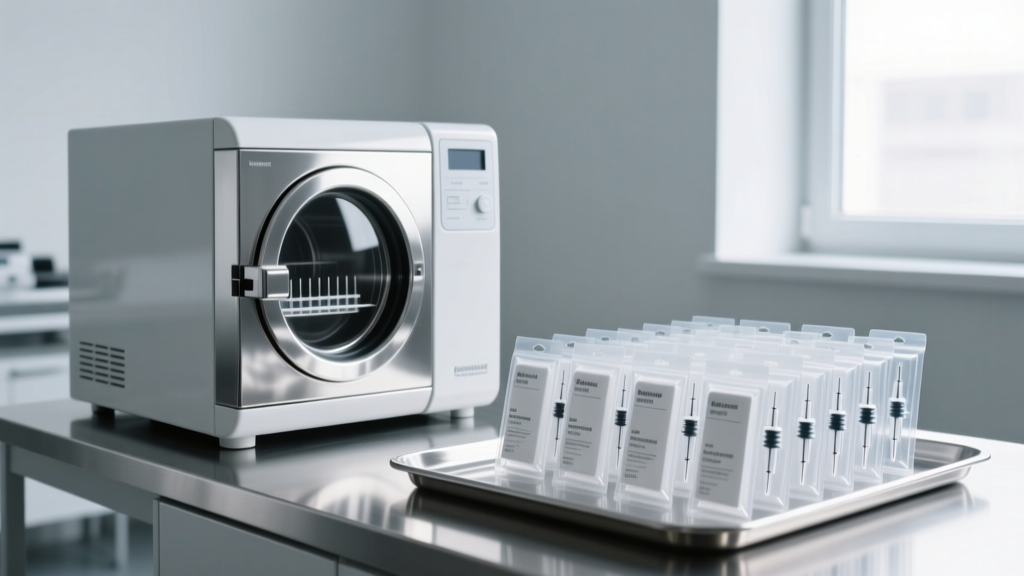
- Check for Autoclaves and Spore Tests: The studio should have a visible, medical-grade autoclave and be willing to show you their monthly spore test results, proving their sterilization equipment is functioning.
- Single-Use Needles: Watch them open a sealed, single-use needle cartridge in front of you. Needles should never be reused or sterilized for multiple clients.
- Review the Portfolio: Look at their healed work on social media. Are the angles perpendicular to the tissue? Do the earrings sit flush against the ear without gaping? A good piercer understands male ear anatomy and how to place a helix so it doesn't catch on headphones or motorcycle helmets.
Final Verdict: Budgeting for Your First or Next Piercing
When evaluating the cost of earring piercings for men in 2026, the most economical choice is always the safest one. Budget a minimum of $80 to $150 per earlobe, and $100 to $250 for cartilage placements, assuming you are selecting implant-grade titanium. If you desire 14k solid gold, double your jewelry budget.
Treat a piercing as a minor medical procedure and a permanent body modification rather than a simple retail accessory purchase. By investing in an APP-certified piercer, single-use needles, and biocompatible flat-back jewelry, you ensure that your new ear project heals smoothly, looks sharp, and provides lifelong value without the hidden taxes of infection and migration.