Clay Beads Earrings Ideas: 2026 Buying Guide & Styles
Discover the best clay beads earrings ideas for 2026. Our buying guide covers polymer vs ceramic, hypoallergenic posts, gauge sizes, and weight limits.

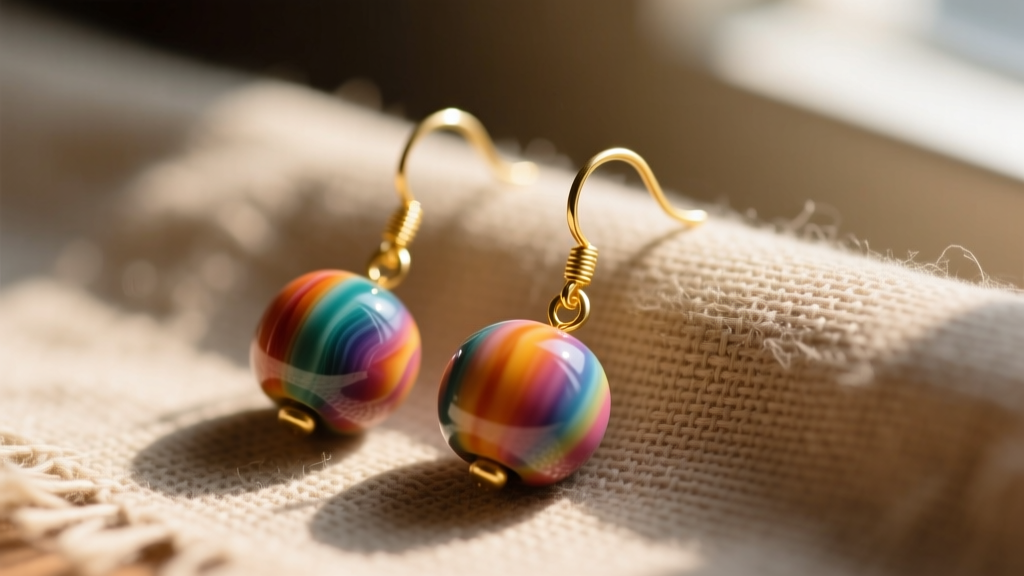
The Tactile Renaissance: Why Clay is Dominating 2026 Jewelry Trends
In the ever-evolving landscape of artisanal jewelry, the demand for organic, tactile materials has reached a fever pitch. As we navigate the 2026 trend cycle, mass-produced metals and synthetic resins are taking a backseat to handcrafted, earthy elements. If you are exploring clay beads earrings ideas for your personal collection or retail boutique, you are tapping into a movement that values sustainability, lightweight comfort, and bold architectural aesthetics. However, not all clay is created equal. The term "clay" in jewelry making encompasses vastly different materials—primarily polymer clay, stoneware ceramic, and vitrified porcelain. Each requires a completely different approach to hardware, weight distribution, and lobe health. This comprehensive buying guide will dissect the anatomy of clay bead earrings, ensuring you invest in pieces that are as structurally sound as they are visually striking.
Decoding the Medium: Polymer vs. Ceramic vs. Porcelain
Before diving into specific clay beads earrings ideas, buyers must understand the material science governing these beads. The failure rate of artisanal clay earrings often stems from a mismatch between the clay type and the chosen metal hardware.
- Polymer Clay (PVC-Based): Brands like Fimo Professional and Cernit use a polyvinyl chloride base mixed with plasticizers. Polymer clay is cured in a standard oven at relatively low temperatures (265°F to 275°F). Its primary advantage is its ultra-lightweight nature, making it ideal for oversized dangles and dramatic ear cuffs that won't stretch the lobe.
- Stoneware Ceramic: Fired in a kiln at temperatures exceeding 2,200°F, stoneware is dense, opaque, and highly durable. It carries significant weight and requires robust hardware to prevent bending.
- Vitrified Porcelain: Fired at even higher temperatures, porcelain becomes non-porous and glass-like. While beautiful, thin porcelain beads are highly susceptible to shattering upon impact and require protective wire-wrapping or bezel settings.
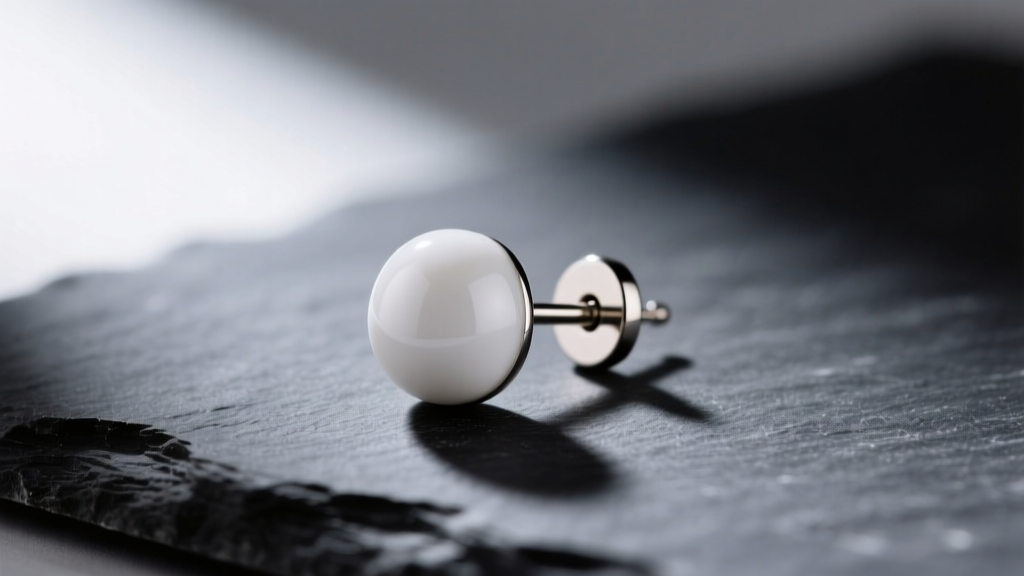
Top Clay Beads Earrings Ideas for 2026 Aesthetics
The most successful designs merge the unique physical properties of the clay with modern silhouettes. Here are three trending concepts dominating the artisanal market this year.
1. The Terrazzo Polymer Drop
Terrazzo patterns remain a staple in contemporary design. Artisans create these beads by curing translucent polymer clay, chopping it into micro-chips, and embedding them into a solid block of contrasting clay before slicing and drilling. When buying terrazzo polymer drops, look for beads that have been sanded and buffed to a high gloss, or sealed with a UV-resistant polyurethane. This prevents the white clay base from absorbing skin oils and turning yellow over time.
2. Kiln-Glazed Ceramic Huggies
Ceramic huggie hoops are a masterclass in balancing weight and style. Because ceramic is heavy, these hoops are typically kept small (10mm to 14mm in diameter). The best iterations feature a reactive glaze that pools in the crevices of the bead, offering a multi-dimensional color shift. Due to the density of stoneware, ensure the hinge mechanism on the huggie is reinforced with 18-gauge wire to prevent warping.
3. Raw Earth Porcelain Ear Cuffs
For non-pierced options, unglazed porcelain offers a natural, matte texture that provides excellent friction against the ear cartilage, preventing the cuff from slipping. These designs often mimic organic shapes like pebbles or coral. Because they lack a glaze, they are porous; buyers should avoid wearing raw porcelain cuffs in high-humidity environments or while applying heavy hair oils, as the clay will absorb the residue.
The Hardware Matrix: What to Look For Beneath the Clay
A beautiful clay bead is useless if the post causes contact dermatitis or the headpin snaps. According to the Mayo Clinic, nickel allergy is one of the most common causes of allergic contact dermatitis, frequently triggered by cheap earring posts. When evaluating clay beads earrings ideas, scrutinize the metal components using the matrix below.
| Hardware Material | Standard Gauge | Hypoallergenic Rating | Best Clay Pairing |
|---|---|---|---|
| ASTM F136 Titanium | 20g (0.81mm) or 18g (1.02mm) | Excellent (Nickel-Free) | Heavy Ceramic Studs & Drops |
| Niobium | 20g (0.81mm) | Excellent (Highly Biocompatible) | Polymer Clay Dangles |
| 316L Surgical Steel | 18g (1.02mm) or 16g (1.29mm) | Poor (Contains Trace Nickel) | Thick Hoops & Ear Cuffs |
| 14k Gold-Filled Brass | 20g (0.81mm) | Moderate (Safe if outer layer is intact) | Lightweight Porcelain Beads |
Always verify that the post material is explicitly stated. Terms like "hypoallergenic silver" are often marketing loopholes for silver-plated brass, which will oxidize and irritate sensitive lobes.
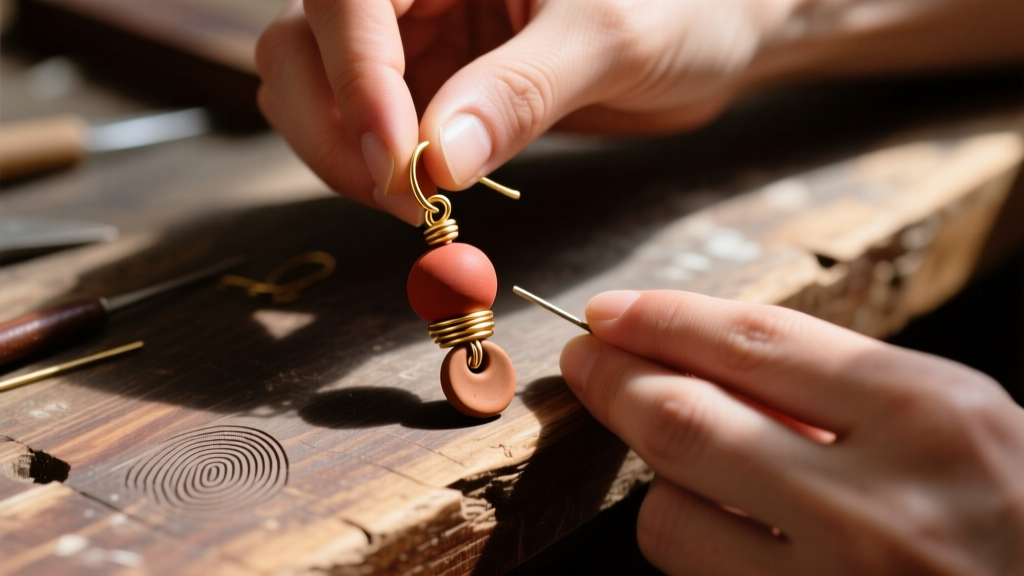
Weight Distribution and Lobe Health
Gravity is the enemy of the earlobe. A standard, healthy earlobe can comfortably support approximately 12 to 15 grams of total weight before experiencing micro-tears or gradual stretching. Polymer clay beads are exceptionally light, usually weighing between 1 and 3 grams per bead, allowing for dramatic, shoulder-dusting dangle earrings that remain comfortable for all-day wear. Ceramic beads, conversely, can easily weigh 8 to 14 grams each. When buying ceramic clay bead earrings, look for designs that incorporate silicone O-rings or wide, flat friction backs. These accessories distribute the weight across a wider surface area of the lobe, preventing the dreaded "cheese-cutter" effect where a thin wire slowly slices through the piercing.
Hole Drilling and Headpin Compatibility
A critical, often overlooked aspect of buying handmade clay beads is the quality of the drilled hole. According to jewelry fabrication experts at Fire Mountain Gems, the method used to create the bead hole dictates its structural integrity. Beads pierced with a needle tool before baking often suffer from micro-fractures and clay displacement, leading to jagged, uneven holes. Premium artisans use diamond-tipped micro-drill bits on cured clay to core out a clean, precise channel. When inspecting clay beads, look at the entry and exit points of the hole. If you see chipping, flaking, or a conical widening at the edges, the bead was likely drilled with dull bits or improper technique, and it will eventually crack when tension is applied by the headpin.
Quality Control: Spotting Under-Cured Polymer
If your focus is on polymer clay beads earrings ideas, you must know how to identify under-cured clay. As noted by crafting authority The Spruce Crafts, polymer clay requires precise temperature control to properly cross-link the PVC molecules. Under-baked clay is notoriously brittle and will shatter like glass if dropped. While you cannot bake-test a finished piece in a store, you can perform a gentle flex test on the bead's thinnest point (if the design allows). Properly cured polymer clay has a slight, waxy flexibility and will bend minutely before resisting. If it feels chalky, rigid, or leaves a powdery residue on your fingers, the plasticizers have not fully fused, and the bead is a structural liability.
Final Thoughts on Sourcing Clay Jewelry
Embracing clay bead earrings means investing in wearable art that requires a discerning eye. By prioritizing biocompatible hardware like ASTM F136 titanium, understanding the weight limitations of your lobes, and inspecting the drill quality of the beads, you can curate a collection that is both breathtaking and built to last. Whether you prefer the feather-light bounce of terrazzo polymer or the grounding, architectural weight of kiln-fired ceramic, the right knowledge ensures your earrings remain a staple in your rotation for years to come.


