Expert Care and Cleaning Guide for 14k Stud Earrings
Discover expert tips to clean, maintain, and protect your 14k stud earrings. Learn safe methods for gold and diamond studs to keep them brilliant.

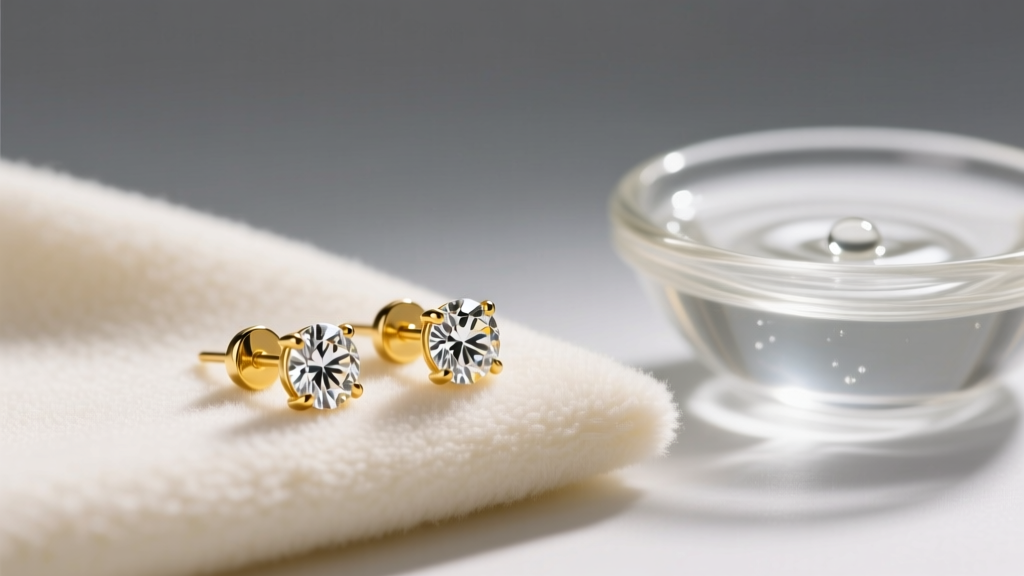
14k stud earrings are a cornerstone of modern jewelry wardrobes, offering the perfect balance of durability, rich color, and everyday elegance. However, because 14k gold is an alloy rather than pure gold, it requires specific care protocols to maintain its structural integrity and brilliant finish. Whether you are wearing classic diamond solitaires, delicate pearl studs, or intricate gemstone halos, understanding the metallurgy and proper maintenance of your jewelry is essential.
In this comprehensive guide, we break down the exact cleaning frameworks, daily hygiene practices, and troubleshooting methods needed to keep your 14k stud earrings looking pristine for decades. According to the Gemological Institute of America (GIA), regular maintenance not only preserves the aesthetic appeal of your jewelry but also prevents long-term damage to both the metal settings and the gemstones they secure.
The Metallurgy of 14k Gold: Why It Needs Specific Care
To properly care for 14k stud earrings, you must first understand what they are made of. 14k gold consists of 58.5% pure gold and 41.5% alloy metals—typically copper, silver, zinc, or nickel. Pure 24k gold is too soft for daily wear; a 24k stud post would bend under the weight of a gemstone and easily warp when inserting the backing. The alloy metals provide the necessary tensile strength, but they also introduce chemical vulnerabilities.
For instance, the copper and zinc in 14k yellow gold can react with harsh chemicals, leading to microscopic pitting. More critically, exposure to chlorine (such as in swimming pools or household bleach) can cause stress corrosion cracking in the alloy metals. This invisible damage weakens the prongs holding your gemstone, significantly increasing the risk of losing your diamond or precious stone. Furthermore, if your studs are crafted in 14k white gold, they are likely plated with rhodium to achieve a bright, silvery-white finish. Aggressive scrubbing or ultrasonic cleaning can prematurely strip this plating, revealing the naturally warm, yellowish undertone of the white gold alloy beneath.
Daily Maintenance and Piercing Hygiene
The environment of the earlobe is surprisingly harsh on jewelry. Sebum (skin oils), dead skin cells, lotions, and hair products accumulate rapidly around the earring post and backing. This buildup not only dulls the sparkle of your studs but can also cause contact dermatitis or localized infections.
Understanding Post Gauges and Backings
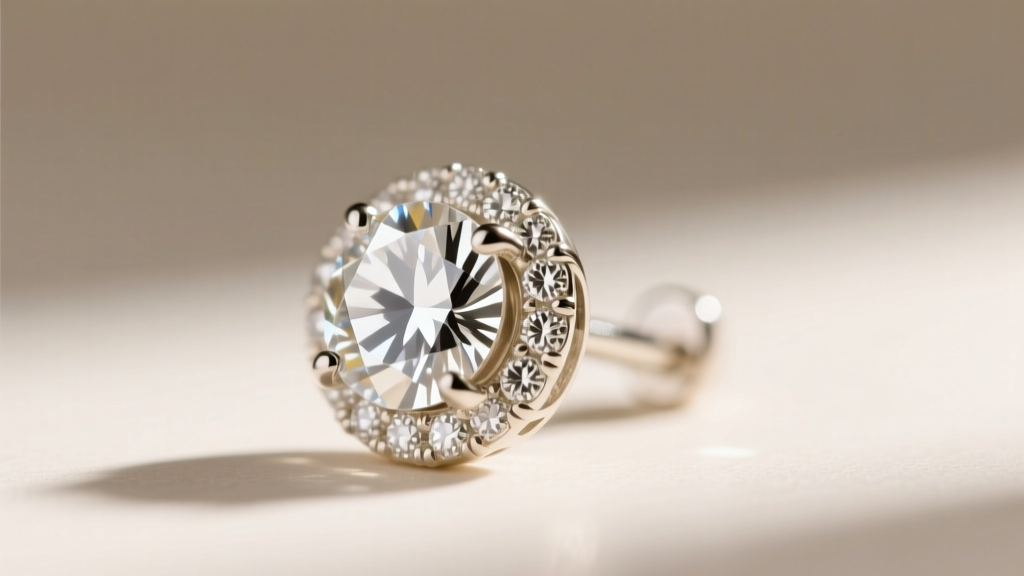
Standard 14k stud earrings typically feature either a 20-gauge (0.81mm) or 18-gauge (1.02mm) post. Lightweight studs (under 0.50 carat total weight) usually utilize 20-gauge posts. However, heavier solitaires or halo designs require thicker 18-gauge posts to prevent the metal from bending, which causes the earring to droop and stretches the earlobe piercing over time.
- Friction Backs (Butterfly): The most common backing. They trap the most debris in their grooves and require weekly removal and cleaning to prevent odor and bacterial growth.
- Screw Backs: More secure, but the threaded post can trap skin cells. Never force a screw back; cross-threading will strip the delicate 14k gold threads.
- La Pousette (Locking) Backs: The premium choice for high-value studs. They feature a mechanical locking mechanism that is highly secure and easier to clean than butterfly backs.
Deep Cleaning Frameworks: Step-by-Step
While daily wiping with a microfiber cloth is helpful, a deep clean is required every two to four weeks. The method you choose must be tailored to the specific gemstone set in your 14k stud earrings.
Method 1: The Mild Soap Soak (For Diamonds, Sapphires, and Rubies)
This is the gold standard for cleaning durable gemstones set in 14k gold. The Jewelers of America recommends this gentle approach to safely dissolve oils without damaging the metal alloy.
- Prepare the Solution: Mix a few drops of phosphate-free, dye-free liquid dish soap into a bowl of lukewarm (not hot) distilled water.
- Soak: Submerge your 14k stud earrings for 15 to 20 minutes. This softens hardened sebum and cosmetic residue.
- Agitate Gently: Use a baby toothbrush (which has extra-soft bristles) to gently brush the underside of the setting and the earring post. Never use an adult toothbrush, as the stiffer bristles can scratch the 14k gold alloy or loosen micro-pave stones in halo settings.
- Rinse and Dry: Rinse thoroughly under lukewarm running water (ensure the drain is plugged!) and pat dry with a lint-free microfiber cloth.
Method 2: The Damp Wipe (For Porous and Organic Gemstones)
If your 14k stud earrings feature pearls, opals, emeralds, or turquoise, never soak them. These stones are highly porous or contain internal inclusions. Water can dissolve the adhesives used in some settings, and chemicals can permanently cloud the surface of a pearl or strip the natural oils from an emerald. Instead, lightly dampen a soft cotton swab with plain water, gently wipe the gemstone and the gold setting, and immediately dry with a soft cloth.
Chemical Compatibility Chart: What to Use and Avoid
Using the wrong cleaning agent is the fastest way to ruin your jewelry. Refer to this table before applying any substance to your 14k stud earrings.
| Cleaning Agent | Safe for 14k Gold? | Safe for Diamonds? | Safe for Pearls/Opals? | Expert Notes |
|---|---|---|---|---|
| Mild Dish Soap | Yes | Yes | Yes (Wipe only) | Must be free of harsh degreasers and dyes. |
| Rubbing Alcohol | Yes | Yes | NO | Will severely dehydrate and crack organic gems. |
| Chlorine Bleach | NO | Yes | NO | Causes stress corrosion cracking in 14k alloys. |
| Ultrasonic Cleaner | Yes | Yes* | NO | *Avoid for fracture-filled diamonds or tension settings. |
| Baking Soda Paste | NO | Yes | NO | Highly abrasive; will scratch 14k gold and strip rhodium. |
Troubleshooting Common Issues with 14k Studs
Even with meticulous care, you may encounter structural or aesthetic issues with your earrings. Knowing how to identify and address these problems is a hallmark of true jewelry expertise.
Tarnish vs. Dirt: Identifying the Culprit
Many people mistake surface dirt for tarnish. True tarnish on 14k gold is relatively rare but can occur if the copper alloy is exposed to high humidity and sulfur compounds in the air. If your earrings look dull, perform the soap soak first. If the dark patches remain, it may be tarnish. You can safely remove mild tarnish using a specialized, non-abrasive gold polishing cloth. Never use silver polish on gold jewelry, as the chemicals are formulated for different metal properties and can cause discoloration.
Loose Prongs and Bent Posts
Perform a monthly "shake test." Hold your 14k stud earrings close to your ear and gently shake them. If you hear a faint rattling sound, the prongs securing your gemstone have loosened. Standard 14k gold prongs are typically 0.8mm to 1.2mm thick; even a slight impact against a hard surface can lift a prong away from the stone's girdle. Stop wearing the earring immediately and take it to a jeweler for retipping. Similarly, if your earring post is bent, do not attempt to bend it back into place yourself. Repeated bending of 14k gold causes work hardening, making the metal brittle and prone to snapping entirely.
Proper Storage Solutions to Prevent Scratches
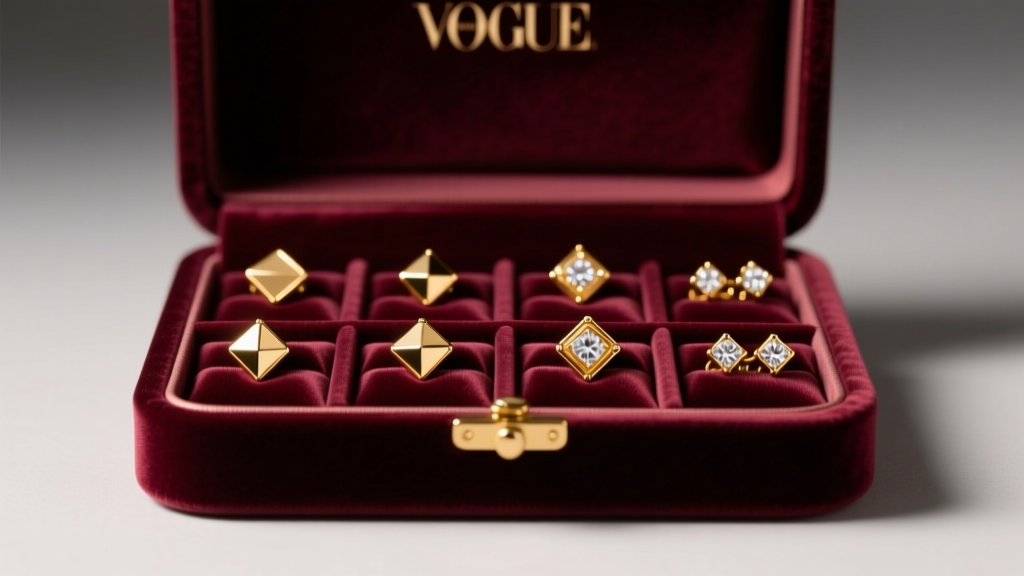
How you store your 14k stud earrings is just as important as how you clean them. Gold is a relatively soft metal, and diamond is the hardest natural substance on earth. If you toss your diamond studs into a communal jewelry box alongside other pieces, the diamonds will easily scratch the 14k gold settings of your other earrings, and the metal posts can become tangled or bent.
Always store your 14k stud earrings in individual soft-lined compartments, or keep them in the original velvet or leather pouches provided by the jeweler. Ensure the posts are secured through the backing or a piece of soft felt to prevent them from shifting and scratching adjacent pieces.
When to See a Professional Jeweler
While home maintenance is excellent for surface cleaning and hygiene, it cannot replace professional servicing. You should bring your high-value 14k stud earrings to a certified bench jeweler at least once a year. A professional will use a microscope to inspect the prong wear, check the structural integrity of the post solder joint, and perform a professional steam clean that safely blasts away microscopic debris from beneath the gemstone culet. If your 14k white gold studs have lost their bright white luster, the jeweler can also re-plate them with rhodium, restoring them to their original, brilliant factory finish.


