Expert Guide to Cleaning and Caring for Cork Earrings
Learn how to properly clean, maintain, and store cork earrings. Discover safe cleaning agents, sealing techniques, and hardware care tips.

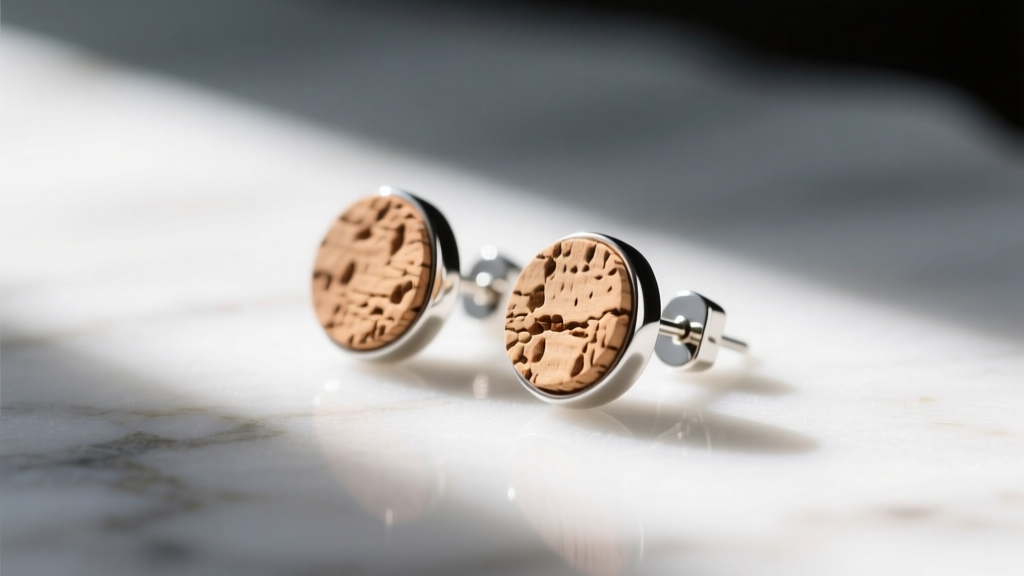
Cork has emerged as one of the most celebrated sustainable materials in modern jewelry design. As eco-conscious fashion continues to dictate market trends through 2026, cork earrings have transitioned from niche artisan markets to mainstream accessory collections. However, caring for cork requires a fundamentally different approach than caring for metals or gemstones. Unlike sterling silver that can be polished with abrasive compounds, or gold that can withstand ultrasonic cleaners, cork is an organic, porous cellular material. Improper cleaning methods can permanently stain, dry out, or structurally compromise your jewelry.
This comprehensive guide provides a material-science-backed approach to cleaning, maintaining, and storing your cork earrings, ensuring they remain lightweight, hygienic, and visually striking for years to come.
The Material Science of Cork in Jewelry
To properly care for cork earrings, you must first understand what cork actually is. Harvested from the bark of the cork oak tree (Quercus suber), cork is composed of a honeycomb-like matrix of dead cells filled with an air-like gas. According to the Cork Forest Conservation Alliance, the cell walls are coated with suberin, a complex, naturally occurring waxy substance that makes cork highly hydrophobic (water-resistant) and resistant to rot.
However, 'water-resistant' does not mean 'waterproof.' When sliced into thin sheets for jewelry manufacturing, the cellular structure is exposed. This means that while a quick splash of water won't harm your earrings, prolonged exposure to moisture, sebum (skin oils), and liquid cosmetics will eventually penetrate the micro-pores, leading to discoloration and degradation of the material's structural integrity.
Daily Wear Hazards: What Damages Cork?
Before diving into the cleaning protocol, it is crucial to identify the primary environmental and biological hazards that threaten cork earrings:
- Sebum and Skin Oils: The natural oils produced by your earlobes can slowly saturate the back of the cork, causing it to darken and become a breeding ground for bacteria.
- Cosmetics and Hairspray: Liquid foundations, aerosol hairsprays, and perfumes contain alcohols and synthetic polymers that can strip the protective factory sealant off the cork.
- UV Degradation: Prolonged exposure to direct sunlight breaks down the lignin in the cork, causing it to yellow, become brittle, and eventually crack or flake.
- Chemical Solvents: Household cleaners, rubbing alcohol, and acetone will instantly dissolve the waxy suberin and any applied polyurethane topcoats.
The Step-by-Step Cleaning Protocol
When your cork earrings accumulate daily grime, makeup residue, or dust, you need a gentle, non-invasive cleaning strategy. Never submerge cork earrings in water or use ultrasonic jewelry cleaners.
Routine Surface Cleaning
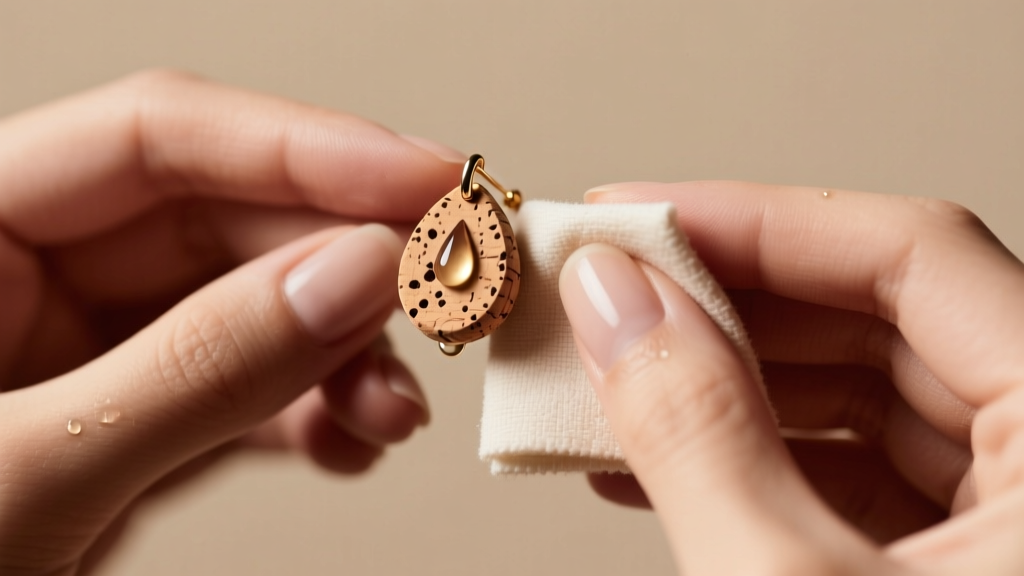
- Prepare a Mild Solution: Mix two drops of pH-neutral liquid castile soap (such as Dr. Bronner's) into a small bowl of distilled water. Avoid tap water, as heavy minerals and chlorine can leave microscopic deposits in the cork's pores.
- Dampen, Don't Soak: Dip a clean, lint-free microfiber cloth into the solution and wring it out completely. The cloth should be barely damp, not wet.
- Wipe Gently: Wipe the surface of the cork in gentle, circular motions. Pay special attention to the back of the earring where it rests against the skin.
- Immediate Drying: Immediately buff the cork dry with a separate, clean microfiber cloth. Allow the earrings to air-dry in a well-ventilated area away from direct sunlight for 30 minutes before storing.
Tackling Stubborn Stains and Oil Spots
If your cork earrings have developed dark oil spots or stubborn makeup stains that a damp cloth cannot remove, you can utilize a technique borrowed from professional cork flooring restoration: micro-sanding.
Using a piece of 800-grit or 1000-grit sandpaper, gently buff the stained area in one direction. Because cork is incredibly soft, this will remove the microscopic top layer of stained cells without altering the overall shape of the earring. After sanding, wipe away the fine dust with a dry brush and immediately reseal the area (see the resealing section below).
Cleaning Agents Matrix: Safe vs. Destructive
Using the wrong chemical agent is the fastest way to ruin organic jewelry. Refer to this matrix before applying any substance to your cork earrings.
| Cleaning Agent | Verdict | Material Impact on Cork |
|---|---|---|
| Diluted Castile Soap | ✅ Safe | Gently lifts oils without stripping natural suberin. |
| Distilled Water | ✅ Safe | Safe for damp wiping; avoid pooling or submersion. |
| Isopropyl Alcohol | ❌ Destructive | Dissolves factory sealants and dehydrates the cork. |
| Acetone / Polish Remover | ❌ Destructive | Causes immediate cellular collapse and severe staining. |
| Hydrogen Peroxide | ❌ Destructive | Bleaches the natural brown hues and weakens cell walls. |
| Jewelry Polishing Cloths | ⚠️ Caution | Cloths treated with silver polish will stain cork permanently. |
Hardware and Adhesive Maintenance
Cork earrings are exceptionally lightweight, meaning jewelers typically use 20-gauge (0.81mm) or 18-gauge (1.02mm) posts. However, the vulnerability lies not in the wire, but in the adhesive bond connecting the metal post pad to the cork.
High-quality cork jewelry utilizes a wide, flat metal pad (usually 4mm to 6mm in diameter) at the base of the post to distribute mechanical stress. If a jeweler uses cyanoacrylate (Super Glue), the bond will eventually become brittle and snap due to the natural flex of the cork. As noted by industry experts at JCK Magazine, sustainable jewelry requires specialized assembly techniques. The best manufacturers use a flexible, two-part jeweler's epoxy or UV-curing resin that can withstand the slight compression of the cork when the earring back is fastened.
Pro-Tip: Once a month, gently test the earring post for lateral movement. If you feel any wiggling, do not wear the earring. Apply a microscopic drop of G-S Hypo Cement to the base, press firmly for 60 seconds, and let it cure for 24 hours to prevent losing the earring.
Deep Maintenance: Resealing the Cork
Most commercial cork earrings are treated with a water-based polyurethane or a natural wax blend at the factory. Over time, friction from handling and cleaning will wear this barrier down. To maintain the water-resistant properties of the cork, you should reseal your earrings every 6 to 12 months.
The Natural Wax Method
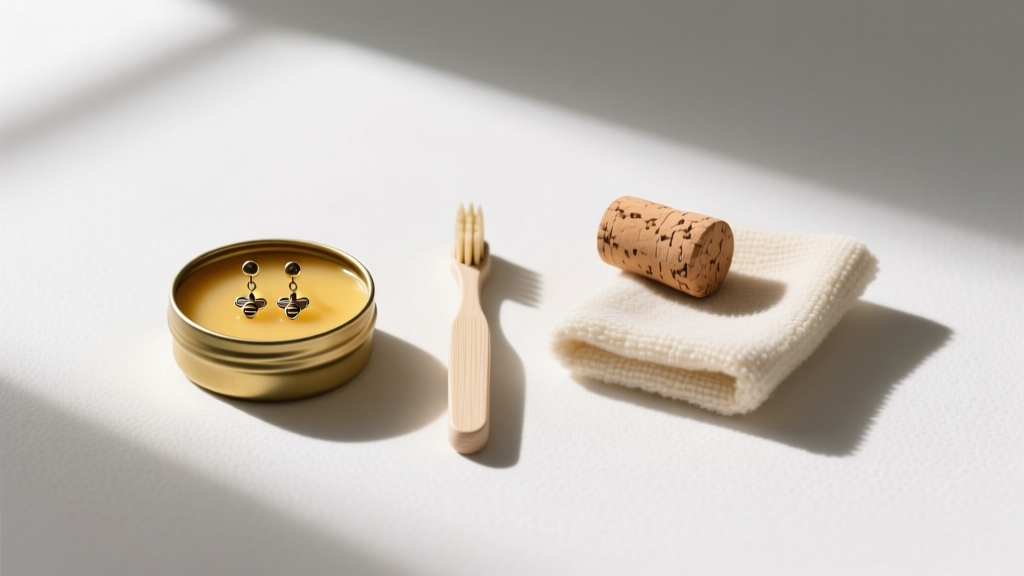
For a matte, natural finish, use pure carnauba wax or beeswax. Rub a tiny amount of wax onto the cork using your fingertips. The natural heat of your skin will melt the wax into the micro-pores. Let it sit for 10 minutes, then buff it vigorously with a clean horsehair shoe brush or a stiff microfiber cloth. This not only restores the water barrier but also deepens the natural brown hues of the cork.
The Polyurethane Method
If your earrings originally had a glossy finish, you can restore it using a water-based polyurethane sealant. Apply a single, paper-thin coat using a fine detail brush, avoiding the metal hardware. Allow it to dry in a dust-free environment for 24 hours.
Proper Storage to Prevent Mold and Cracking
How you store your cork earrings when they are not being worn is just as critical as how you clean them. The two enemies of cork in storage are trapped humidity and extreme dryness.
- Avoid Airtight Plastics: Storing cork in sealed plastic ziplock bags can trap ambient moisture, creating a micro-climate that encourages black mold growth deep within the pores. If mold penetrates the cellular structure, the earring is unsalvageable.
- Use Breathable Pouches: Store your earrings in unbleached cotton or linen jewelry pouches. These materials allow the cork to 'breathe' while protecting it from dust and physical abrasion.
- Control the Climate: Keep your jewelry box away from radiators, heating vents, or windowsills. Extreme heat will bake the moisture out of the cork, causing it to shrink and crack around the metal post insertion point.
- Skip the Silica Gel: While silica gel packets are great for silver (to prevent tarnish via humidity reduction), they are too aggressive for organic materials like cork and will accelerate the drying and cracking process.
By understanding the unique organic properties of cork and implementing these targeted care, maintenance, and cleaning protocols, you can ensure your sustainable jewelry remains a staple in your collection for years to come.