How to Clean and Care for Art Deco Rhinestone Earrings
Preserve the sparkle of your vintage and modern art deco rhinestone earrings with our expert cleaning, storage, and maintenance guide.

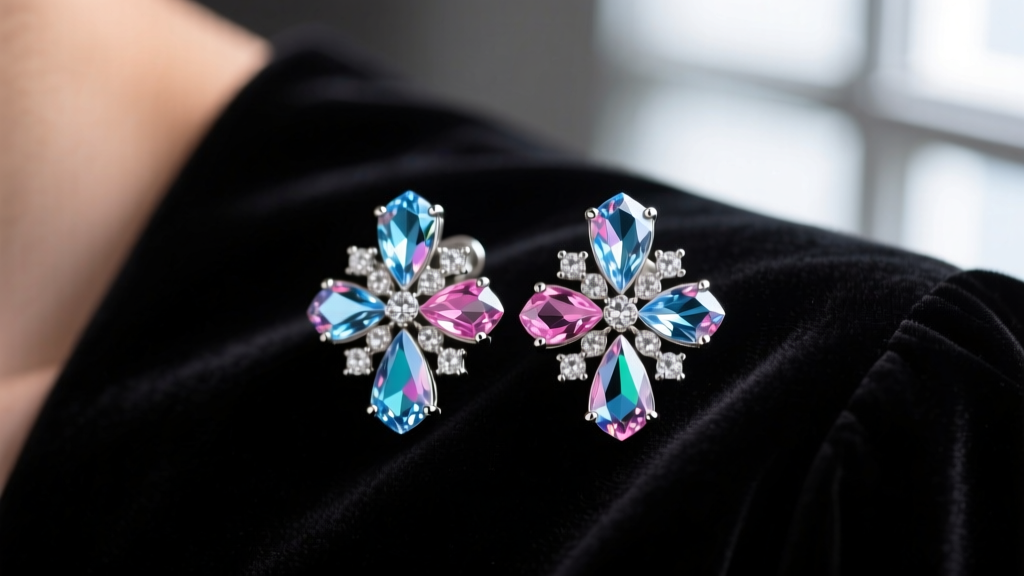
Art deco rhinestone earrings are celebrated for their bold geometric shapes, intricate metalwork, and dazzling brilliance. Whether you own authentic 1920s vintage pieces or high-quality modern reproductions, these earrings require specialized care. Unlike solid gemstones, rhinestones are composite materials—typically glass, crystal, or acrylic with a reflective backing—that are highly susceptible to moisture, harsh chemicals, and mechanical shock. In this comprehensive guide, we will explore the material science behind your earrings and provide a meticulous, step-by-step framework for cleaning, repairing, and storing them to ensure they remain brilliant for generations.
The Anatomy of a Rhinestone: Glass, Crystal, and Acrylic
Before applying any cleaning solution, you must identify the base material of your art deco rhinestone earrings. The Mohs hardness scale and the manufacturing technique dictate what the stones can withstand.
- Antique Glass (Mohs 5.5): Most authentic 1920s and 1930s Art Deco earrings feature glass stones. Crucially, these are often foil-backed. A microscopic layer of silver or gold foil is applied to the flat back of the glass to act as a mirror, amplifying light return.
- Leaded Crystal (Mohs 6-7): Modern Deco-revival pieces often use precision-cut leaded crystal (such as Preciosa or Swarovski). These are more durable and usually do not rely on fragile foil backings, instead using a vacuum-coated metallic finish.
- Acrylic and Lucite (Mohs 3): Popular in mid-century Deco revivals and lightweight modern statement pieces, acrylic is highly prone to micro-scratches and chemical melting.
According to the Lang Antiques Vintage Jewelry University, identifying the presence of a foil backing is the single most critical step in vintage jewelry care, as moisture exposure will permanently destroy the reflective layer.
The Dangers of Modern Cleaning Methods
Many well-intentioned jewelry owners ruin their art deco rhinestone earrings by treating them like diamonds or solid gold. Here is what you must absolutely avoid:
1. Ultrasonic Cleaners
Ultrasonic cleaners use high-frequency sound waves to create cavitation bubbles in a liquid solution. When these microscopic bubbles implode, they generate localized shockwaves. While excellent for removing grime from solid diamond settings, these shockwaves will instantly delaminate the delicate foil backing of a vintage glass rhinestone, leaving it looking cloudy, gray, or completely black.
2. Ammonia and Commercial Dips
Ammonia-based cleaners (like standard silver dips) are highly alkaline. They will chemically react with the copper and brass base metals commonly used in Art Deco settings, causing rapid oxidation. Furthermore, ammonia will strip the aurora borealis (AB) or metallic coatings off modern crystal stones.
3. Submersion and Soaking
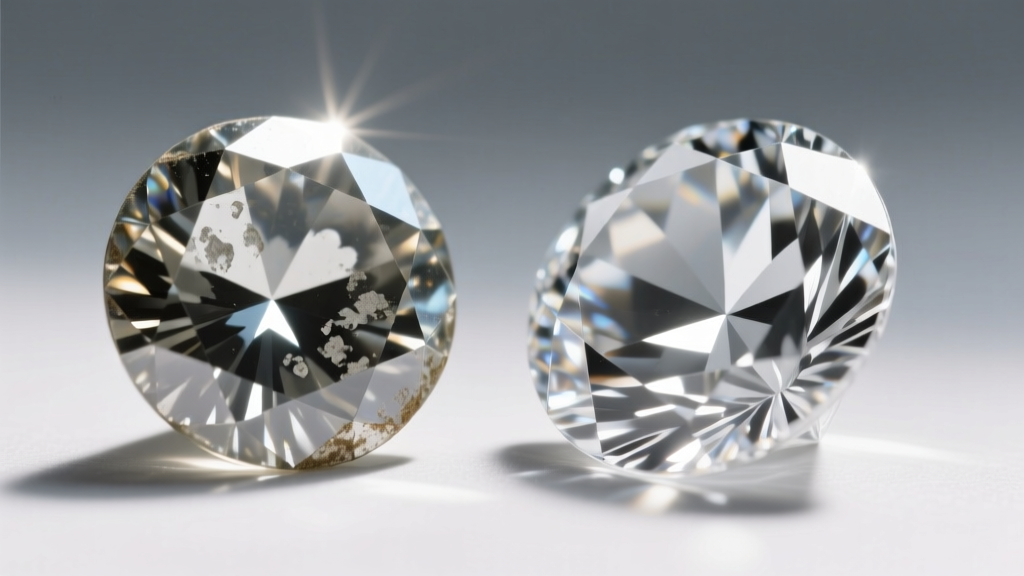
Never soak rhinestone earrings. Water will inevitably seep under the prongs or glue, becoming trapped between the glass and the foil backing. This trapped moisture causes desilvering—the oxidation of the foil that manifests as dark, dead spots in the center of the stone.
Step-by-Step Dry and Damp Cleaning Protocol
To safely clean your art deco rhinestone earrings, you must rely on mechanical agitation and mild, non-reactive surfactants. Follow this expert protocol:
Step 1: Dry Dusting
Use a clean, ultra-soft makeup brush (like a goat-hair blending brush) or a compressed air duster held at least six inches away. Gently sweep the crevices of the geometric metalwork to remove loose cosmetic dust, dead skin cells, and fibers. Avoid toothbrushes, as even "soft" bristles can scratch acrylic and softer glass.
Step 2: Targeted Damp Cleaning
If the stones have oily residue from skin contact or hair products, prepare a mild cleaning solution. Mix one drop of pH-neutral dish soap (such as original blue Dawn) into a cup of distilled water. Distilled water is vital; tap water contains chlorine and minerals that can leave permanent water spots or react with base metals.
- Dampen a cotton swab or a microfiber lint-free wipe in the solution, then wring it out until it is barely damp.
- Gently wipe the face of the rhinestone. Never press hard or scrub.
- Avoid the edges where the metal prongs hold the stone, as this is where moisture seeps in.
- Immediately dry the stone with a separate, bone-dry microfiber cloth.
Step 3: Metal Polishing (With Extreme Caution)
If the silver-tone or gold-tone metal setting is tarnished, use a dry, treated jeweler's polishing cloth (like a Sunshine cloth). Fold the cloth to a fine point to reach into the intricate filigree and milgrain details typical of the Art Deco era. Never use liquid metal polishes, as they will pool around the stone settings and degrade the adhesive.
Troubleshooting: Loose Stones and Adhesive Failure
Vintage art deco rhinestone earrings were often set using early epoxies, shellac, or simple prong work. Over decades, these adhesives become brittle and fail. If you notice a rattling sound or a loose stone, immediate stabilization is required.
| Adhesive Type | Best Use Case | Warnings & Curing Time |
|---|---|---|
| G-S Hypo Cement | Micro-drops for tiny accent stones and stabilizing loose prongs. | Requires a needle applicator. Cures in 24 hours. Low viscosity. |
| E6000 Jewelry Glue | Reattaching larger cabochons or flat-back stones to metal settings. | Highly flexible but emits strong fumes. Use in a ventilated area. Cures in 24-72 hours. |
| UV Resin | Quick fixes requiring immediate hardening under a UV lamp. | Can yellow over time if exposed to sunlight. Difficult to remove if a mistake is made. |
| Cyanoacrylate (Super Glue) | NEVER USE | Emits fumes that cause "crazing" (a permanent white frost) on glass and acrylic surfaces. |
If a stone has fallen out and the original foil backing is intact, carefully clean the setting with a dry cotton swab to remove old glue residue before applying a microscopic dot of G-S Hypo Cement. According to the Gemological Institute of America (GIA), using the correct, reversible adhesive is paramount in preserving the historical integrity and value of vintage jewelry.
Optimal Storage Conditions to Prevent Degradation
Proper storage is arguably more important than cleaning when it comes to art deco rhinestone earrings. The goal is to control the micro-climate around the jewelry to prevent metal tarnish, glue desiccation, and foil oxidation.
| Environmental Factor | Ideal Condition | Risk of Poor Management |
|---|---|---|
| Humidity | Below 45% Relative Humidity | Moisture causes foil desilvering and brass/copper oxidation. |
| Temperature | Stable, 65°F - 72°F (18°C - 22°C) | Fluctuations cause metal expansion/contraction, loosening prongs and glue. |
| Light Exposure | Complete darkness | UV rays can yellow early plastics (like Bakelite or celluloid) and fade dyed stones. |
| Airborne Sulfur | Filtered via anti-tarnish strips | Sulfur in the air reacts with silver-tone alloys, causing black tarnish. |
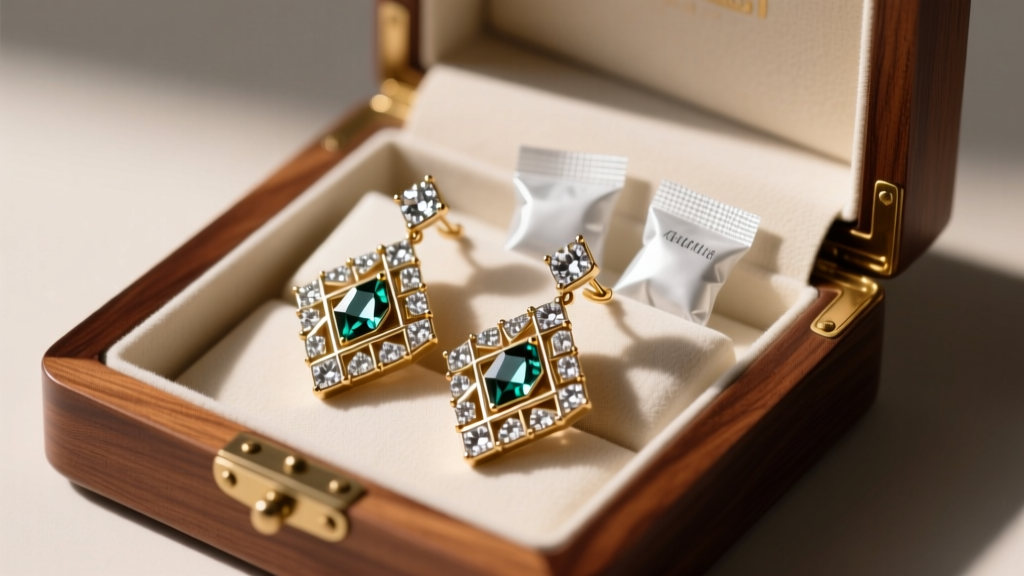
The Archival Storage Method: Wrap each pair of earrings individually in acid-free, unbuffered tissue paper. Place them in a zip-lock polyethylene bag (avoid PVC plastics, which off-gas chemicals that melt rhinestones). Drop a small, fresh silica gel desiccant packet and a 3M anti-tarnish strip into the bag before sealing. Store the bags flat in a lined jewelry box; never hang heavy Art Deco chandelier earrings, as the weight will distort the vintage metalwork and stretch the ear wires.
Wearing Precautions: The "Last On, First Off" Rule
To minimize the need for deep cleaning, adopt the golden rule of jewelry wear: earrings should be the last thing you put on when getting dressed, and the first thing you take off. Hairspray, perfume, and dry shampoo contain alcohols and aerosol propellants that will coat the rhinestones in a dull, sticky film that is incredibly difficult to remove from intricate Deco settings without risking moisture damage. Similarly, apply lotions and allow them to fully absorb before putting on your earrings. By minimizing exposure to modern cosmetics, your art deco rhinestone earrings will maintain their historic fire and structural integrity for decades to come.


