How to Clean, Authenticate, and Care for Green Amber Earrings
Learn how to safely clean, authenticate, and maintain your green amber earrings. Discover expert care steps to protect these unique organic gems.

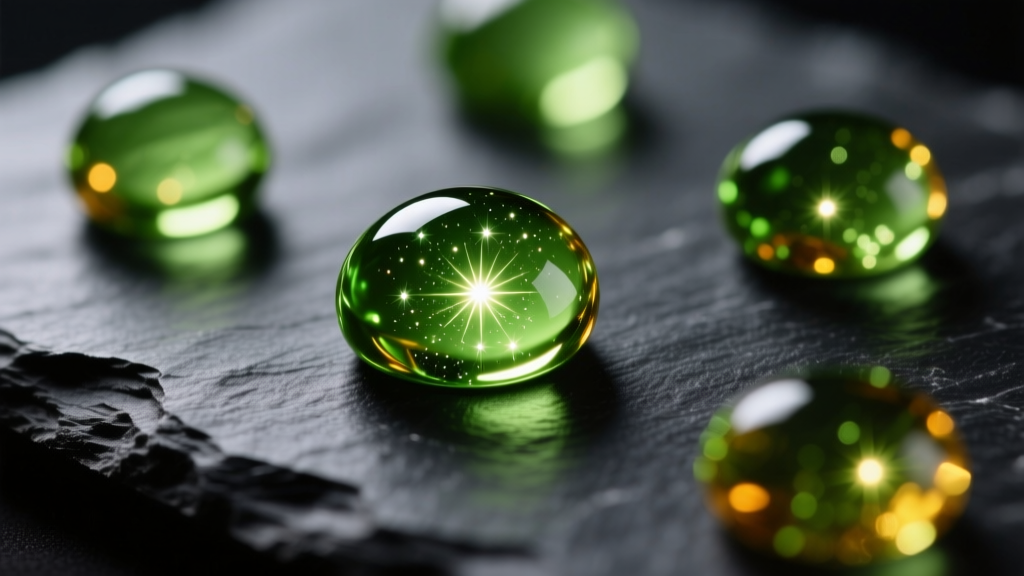
Green amber earrings offer a mesmerizing alternative to traditional golden or cherry Baltic amber. However, because true green amber is exceptionally rare in nature, most commercial green amber is actually Baltic amber that has been carefully heat-treated to produce its signature verdant hues and internal "sun spangles" (lily pad inclusions). Others may be younger Colombian copal or outright synthetic imitations. With a Mohs hardness rating of just 2.0 to 2.5, amber is softer than a human fingernail and highly susceptible to heat, chemicals, and abrasion. Whether you wear delicate 20-gauge green amber studs or heavy 18-gauge dangle earrings, maintaining their structural integrity and vibrant color requires a highly specific care protocol. This comprehensive guide will walk you through authenticating, cleaning, and preserving your green amber earrings for decades to come.
Step 1: Authenticating Your Green Amber Earrings
Before applying any cleaning solutions, you must verify the material. According to the Gemological Institute of America (GIA), amber is fossilized tree resin that has undergone polymerization over millions of years. Heat-treated green amber retains the physical properties of true amber, while copal and plastics do not. Here is how to safely test your earrings without damaging the stones.
The Saltwater Buoyancy Test
True amber has a specific gravity of 1.05 to 1.10, meaning it will sink in fresh water but float in heavily saturated saltwater. Copal and most plastics will sink. Mix 14 grams of sea salt into 100ml of lukewarm distilled water. Stir until fully dissolved. Gently drop your green amber earrings into the solution. If they float or remain suspended, you likely have true amber. If they sink to the bottom, they are likely copal, glass, or dense plastic. Note: Remove any heavy sterling silver or gold chains before testing, as the metal's weight will cause true amber to sink.
The UV Fluorescence Test
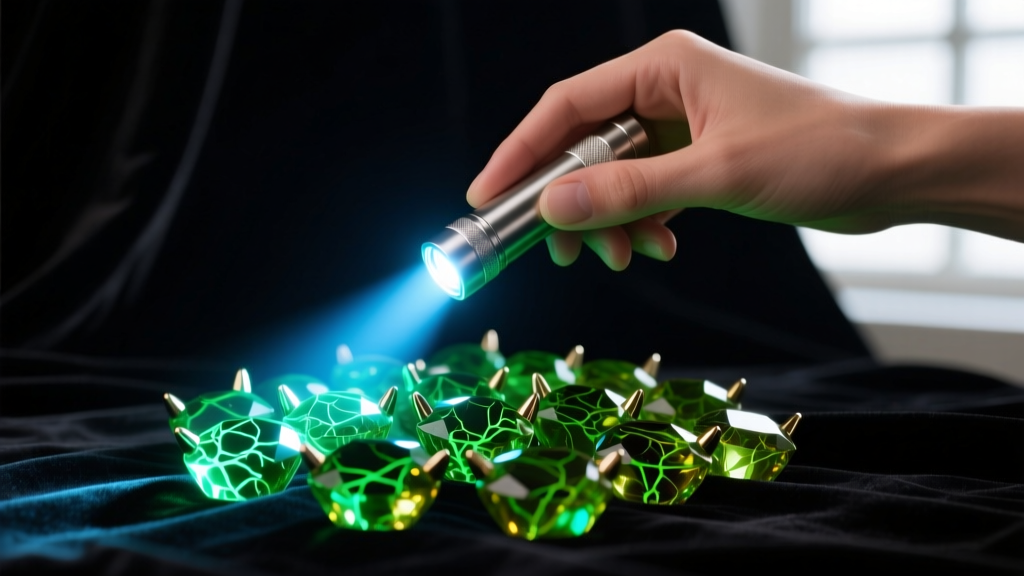
Amber exhibits distinct fluorescence under ultraviolet light. Using a standard 365nm UV flashlight, shine the beam directly onto the green amber in a dark room. True Baltic amber will fluoresce a pale blue, milky green, or soft yellow. Copal often shows a duller, whitish-blue glow, while plastic and glass will show zero fluorescence.
The Acetone Swab Test (For Copal Detection)
Copal is sub-fossilized resin that has not fully polymerized. It reacts to solvents, whereas true amber does not. Dip a cotton swab in pure acetone (nail polish remover) and rub it gently on an inconspicuous area of the amber, such as the back of a cabochon. If the surface becomes tacky or sticky, you have copal. If it remains completely smooth and unaffected, it is true amber. Wipe the area immediately with a damp cloth to prevent any lingering solvent from dulling the polish.
Step 2: The Safe Cleaning Protocol
Cleaning organic gems requires a gentle touch. Never use ultrasonic jewelry cleaners; the high-frequency vibrations will exploit internal stress fractures—especially those created during the heat-treatment process that gives green amber its color—and shatter the stone. Similarly, steam cleaners will warp or melt the resin, as amber begins to soften at just 150°C (302°F).
Step-by-Step Wet Cleaning Method
- Prepare the Solution: Fill a small glass bowl with lukewarm (never hot) distilled water. Add a single drop of pH-neutral, fragrance-free dish soap.
- Soak Briefly: Submerge the earrings for no more than 3 to 5 minutes. Prolonged water exposure can degrade the adhesive used in glued settings.
- Agitate Gently: Use a baby-soft toothbrush or a clean, lint-free makeup brush to lightly sweep away sebum, dead skin cells, and lotion residue from the back of the stone and the metal setting.
- Rinse: Rinse under a gentle stream of cool distilled water to prevent hard water mineral deposits from clouding the amber.
- Dry and Polish: Pat dry with a microfiber cloth. To restore high-gloss luster, apply a microscopic drop of pure olive oil to the cloth and buff the amber in circular motions. Wipe away all excess oil immediately.
Expert Warning: Never use mineral oil, baby oil, or commercial jewelry dips on amber. Petroleum-based oils can penetrate the porous resin, permanently darkening the green hue and creating a cloudy, irreversible film beneath the surface.
Step 3: Hardware and Setting Maintenance
The metal housing your green amber is just as critical to the earring's longevity. The International Amber Association recommends bezel or halo settings for amber, as prong settings can easily dig into the soft 2.5 Mohs resin if bumped, causing chips or cracks.
Checking Post and Wire Integrity
For lobe earrings, standard posts are usually 20-gauge (0.81mm). Heavier green amber drop earrings may utilize 18-gauge (1.02mm) wires for structural support. Because amber is lightweight but bulky, the leverage placed on the ear wire can cause the metal to bend over time. Inspect the curve of your ear wires monthly. If you wear Argentium silver or standard 925 sterling silver, check for black tarnish buildup in the crevices where the metal meets the amber. Use a dry, pointed wooden toothpick to gently dislodge tarnish and debris without scratching the resin.
Material Comparison Chart: Amber vs. Imitations
Use this data table to cross-reference your earrings' physical properties against common market alternatives.
| Material | Mohs Hardness | Saltwater Buoyancy | UV Fluorescence | Acetone Reaction |
|---|---|---|---|---|
| True Green Amber (Treated) | 2.0 - 2.5 | Floats | Pale Blue / Milky Green | None |
| Colombian Copal | 1.5 - 2.0 | Sinks (Usually) | Dull Whitish-Blue | Sticky / Tacky |
| Green Glass Imitation | 5.5 - 6.0 | Sinks | None | None |
| Epoxy / Plastic Resin | 2.0 - 3.0 | Sinks | None / Chalky | None / Melts |
Step 4: Proper Storage and Daily Wear Rules
Amber is highly reactive to its environment. To preserve the vivid green color and prevent the surface from crazing (developing a network of fine cracks), you must control its exposure to chemicals and UV radiation.
The "Last On, First Off" Rule
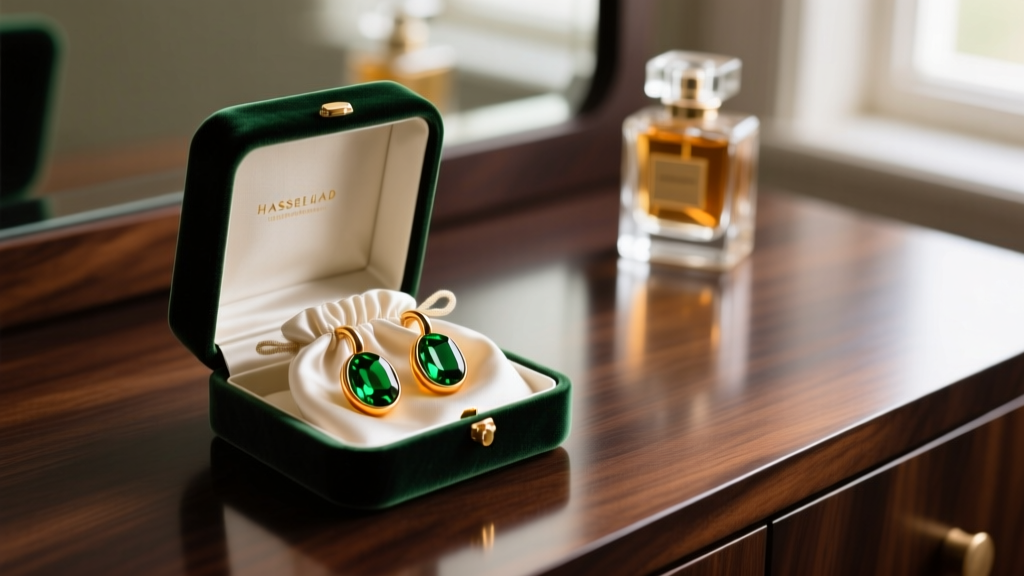
Always put your green amber earrings on after applying hairspray, perfume, and makeup. The alcohol and volatile organic compounds (VOCs) in cosmetics will immediately strip the natural polish from the amber, leaving it dull and cloudy. When undressing, remove the earrings first before taking off clothing to prevent the soft stones from catching on fabrics and snapping the metal posts.
Optimal Storage Conditions
Never store amber in a communal jewelry box where it can rub against diamonds, sapphires, or even quartz, all of which will severely scratch its surface. Store each pair of green amber earrings individually in a soft, unbleached cotton or silk pouch. Keep the pouch in a cool, dark drawer away from direct sunlight. Prolonged exposure to direct UV rays will cause the heat-treated green color to oxidize, slowly shifting the stones to a murky brown or deep cherry red over several years. By following these meticulous care steps, your green amber earrings will retain their prehistoric beauty and vibrant color for a lifetime.


