How to Clean Butterfly Backs Earrings Without Damage
Learn how to safely clean butterfly backs earrings, remove trapped debris, and maintain friction posts to prevent loss and infections.

The Hidden Dirt Trap: Why Butterfly Backs Need Special Care
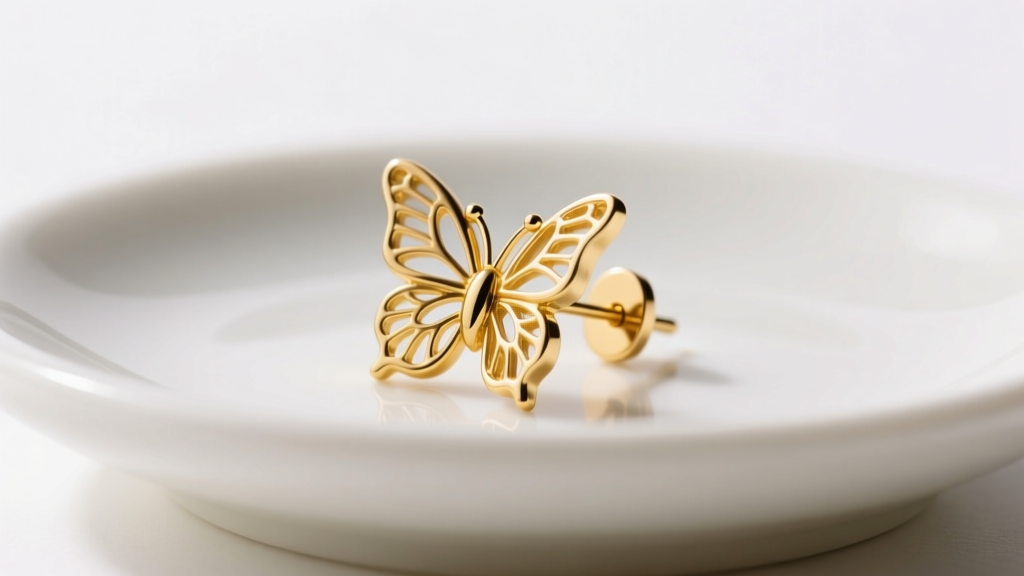
Butterfly backs earrings—also known in the jewelry industry as push backs, friction backs, or clutch backs—are the most ubiquitous earring securing mechanism in the world. Designed with a dual-looped metal scroll or a molded silicone cup, they grip the notched groove of a standard 20-gauge (0.81mm) or 18-gauge (1.02mm) earring post. While highly secure when new, this exact mechanical design creates a micro-environment ripe for debris accumulation.
The space between the earring post and the inner scroll of the butterfly clutch acts as a capillary trap. Throughout the day, sebum (skin oils), dead keratinocytes, hair spray, and dry shampoo aerosols migrate down the post and calcify inside the clutch. Over time, this biological and chemical buildup compromises the friction grip, leading to lost earrings, and creates a breeding ground for Staphylococcus aureus, which can cause localized contact dermatitis or piercing tract infections. According to the American Academy of Dermatology, regular cleaning of both the jewelry and the piercing site is critical to preventing chronic inflammation and maintaining the integrity of the fistula tract.
Step-by-Step Deep Cleaning Protocol
Step 1: Safe Disassembly and Inspection
Always remove your butterfly backs earrings over a plugged sink or a microfiber towel to prevent catastrophic drops. Once removed, inspect the earring post under a magnifying lamp or jeweler's loupe. Look for the retention notch—the small indentation near the tip of the post. If the metal edges of this notch are worn smooth, the butterfly clutch will slide off too easily, and the post must be replaced by a bench jeweler.
Step 2: The Soak and Dissolve Method
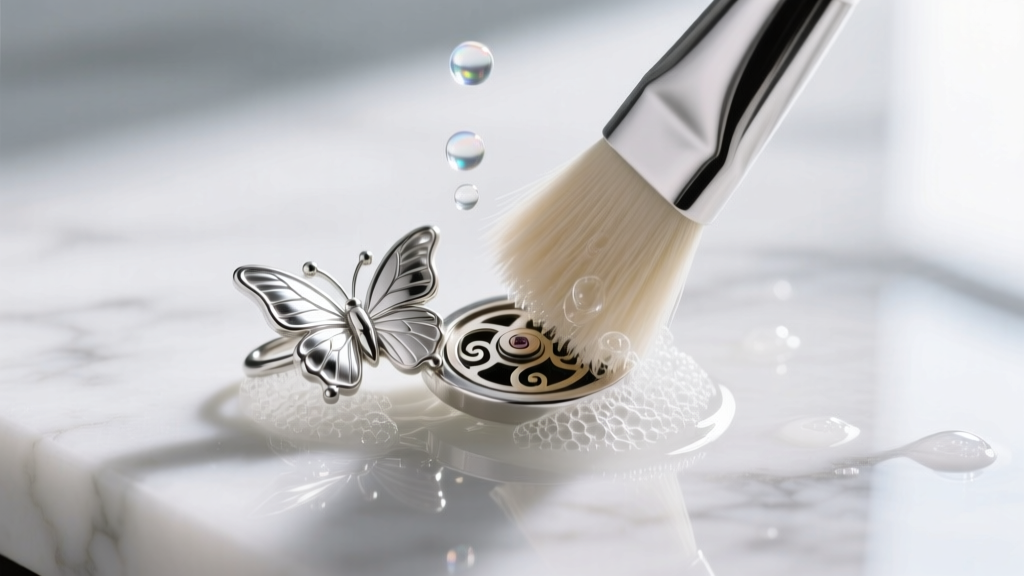
Never use harsh chemicals like acetone or rubbing alcohol as your primary cleaner, especially if your studs feature fracture-filled diamonds, emeralds, or opals. Instead, prepare a lukewarm bath of distilled water and two drops of a pH-neutral degreasing dish soap (such as Dawn). Submerge both the posts and the butterfly backs for 15 to 20 minutes. This dwell time is crucial; it rehydrates and softens the hardened sebum plugs trapped inside the metal scrolls.
Step 3: Mechanical Agitation
After soaking, use a dedicated, ultra-soft baby toothbrush or an interproximal dental brush to gently agitate the inside of the butterfly clutch. Thread the bristles through the twin loops of the metal scroll. For the earring post, brush in a downward motion away from the gemstone setting to avoid pushing debris under the prongs. Rinse thoroughly under distilled water and dry immediately with a lint-free microfiber cloth to prevent water spots, particularly on high-polish platinum or white gold.
Material-Specific Maintenance Matrix
Not all butterfly backs earrings are created equal. The metallurgical composition of your earring dictates which cleaning solvents are safe. Using the wrong chemical can strip rhodium plating from white gold or cause rapid oxidation in sterling silver.
| Material | Safe Cleaning Agents | Agents to Avoid | Ultrasonic Safe? |
|---|---|---|---|
| 14k/18k Gold | Mild dish soap, warm water, ammonia-free jewelry dips | Bleach, chlorine, abrasive toothpaste | Yes (if no porous gems) |
| Sterling Silver | Silver polish cloth, baking soda paste (heavy tarnish) | Chlorine, salt water, harsh acids | Yes (but may accelerate tarnish if not dried) |
| Platinum | Mild soap, commercial platinum cleaners | Abrasive polishing compounds | Yes (highly durable) |
| Surgical Steel | Isopropyl alcohol (70%), mild soap, saline | Bleach (causes pitting and rust) | Yes |
The Ultrasonic Cleaner Debate: Safe or Destructive?
Many jewelry owners toss their butterfly backs earrings into a high-frequency ultrasonic cleaner without a second thought. While ultrasonic waves (typically operating at 40,000 Hz) are phenomenal for blasting microscopic debris out of diamond pavé settings and the tight scrolls of a metal clutch, they pose severe risks to certain gemstones and jewelry treatments.
If your studs feature emeralds, opals, pearls, or turquoise, the intense cavitation bubbles generated by an ultrasonic machine will fracture the stones or strip their natural oils. Furthermore, if your white gold butterfly backs are rhodium-plated, prolonged ultrasonic exposure can accelerate the wearing of the microscopic rhodium flash, revealing the yellowish alloy beneath. For diamond and sapphire studs set in solid gold or platinum, ultrasonic cleaning is highly effective for the posts and backs, but always limit the cycle to a maximum of three minutes to prevent loosening the prong tension.
Preventing Post Wear and Clutch Loosening
The most common failure mode of butterfly backs earrings is metal fatigue within the clutch's internal spring mechanism. Standard stamped brass or nickel-silver clutches, often plated in gold or silver, lose their tensile memory after 12 to 18 months of daily wear and removal. When the loops stretch, the clutch no longer applies adequate lateral pressure against the post notch.
Pro-Tip: Upgrade to solid 14k gold or platinum friction backs. While they cost between $30 and $85 per pair, their superior metallurgical memory ensures they maintain their grip for years. Alternatively, consider transitioning to silicone O-clutches or bullet clutches for heavy diamond studs, as silicone provides higher friction coefficients against metal posts than metal-on-metal contact.
Silicone vs. Metal Clutches: Which is Superior?
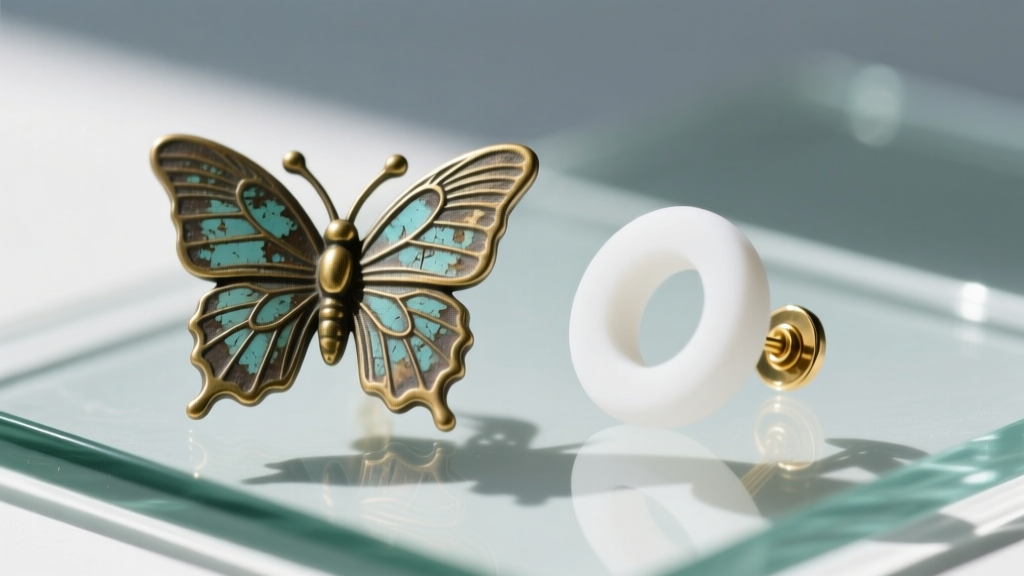
The market has seen a surge in silicone friction backs, often marketed as "comfort backs" or "O-clutches." From a tribological perspective (the study of friction and wear), silicone offers a significantly higher coefficient of friction against a smooth metal post compared to a standard metal-on-metal scroll. This makes silicone backs exceptionally secure for heavy, oversized diamond studs or heirloom pearls.
However, silicone is a porous elastomer. It absorbs skin oils, lotions, and environmental odors much faster than metal. While a solid 14k gold metal butterfly back can be polished and worn for a decade, a silicone clutch will begin to degrade, stiffen, and harbor bacteria after 6 to 12 months of continuous wear. Our expert recommendation: use silicone backs for temporary security during travel or active events, but rely on high-quality, solid-gold metal butterfly backs for daily, long-term wear.
Troubleshooting Common Butterfly Back Issues
The "Stuck" Butterfly Back
If a butterfly back refuses to slide off the post, do not use pliers, which will crush the delicate scroll and potentially bend the post. The culprit is almost always a calcified sebum "glue" or a bent post tip. Apply a single drop of mineral oil or squalane oil to the junction where the post meets the clutch. Let it sit for 10 minutes to break down the lipid bonds, then gently twist and pull the clutch straight back.
Green Discoloration on the Earlobe
If your earlobes develop a green or black smudge, your butterfly backs are likely made of a copper-heavy base metal alloy that is oxidizing in reaction to your skin's acidic pH and sweat. This is not an infection, but a harmless chemical reaction. The only permanent fix is to discard the base metal clutches and purchase solid 14k gold, platinum, or implant-grade titanium (ASTM F136) replacement backs.
Expert Maintenance Schedule
For optimal piercing hygiene and jewelry security, I recommend my patients clean their earring posts and friction backs with a gentle saline solution or mild soap at least once a week, and replace worn metal clutches annually to prevent accidental loss of valuable gemstones.
By treating your butterfly backs earrings as precision mechanical components rather than simple accessories, you extend the life of your jewelry, protect your piercing tracts, and ensure your diamonds and gemstones remain securely in place. For comprehensive guidelines on caring for specific gemstones set in your studs, always refer to the Gemological Institute of America (GIA) Gem Care guide.


